
It never became a formal dispute, yet it has all the energy of one. Across the world's longest undefended border, Canadians and Americans have spent decades quietly arguing over whose comfort foods matter more, whose classics came first, and whose version tastes better.
This rivalry is really about identity, not just ingredients

The easiest mistake is to treat this as a debate about menus. In reality, food is standing in for something much larger: national character. Canada often defines itself partly in contrast to the United States, and food offers a friendly, familiar way to do that without turning every difference into politics. A plate of poutine or a box of butter tarts becomes more than a snack. It becomes proof that Canada is distinct, regional, and not simply an extension of its louder neighbor.
The United States approaches food identity differently. Its culinary confidence comes from scale, marketing power, and a long habit of turning regional specialties into national symbols. New York pizza, Southern barbecue, Texas brisket, Maine lobster rolls, and Chicago hot dogs all carry strong local pride, but they also feed a broader American story about abundance and reinvention. That makes Americans more likely to assume their food culture is the default North American one, even when neighboring traditions are older or just as influential.
Experts in food history often note that national cuisines are assembled, not inherited whole. They are built through migration, trade, climate, and branding. Canada and the U.S. share ingredients, supply chains, and immigrant influences, yet they package those similarities differently. That is why the rivalry feels oddly emotional. People are not only defending gravy, maple syrup, or cheddar. They are defending belonging, memory, and the stories they tell themselves about home.
The classics at the center of the fight all carry a backstory
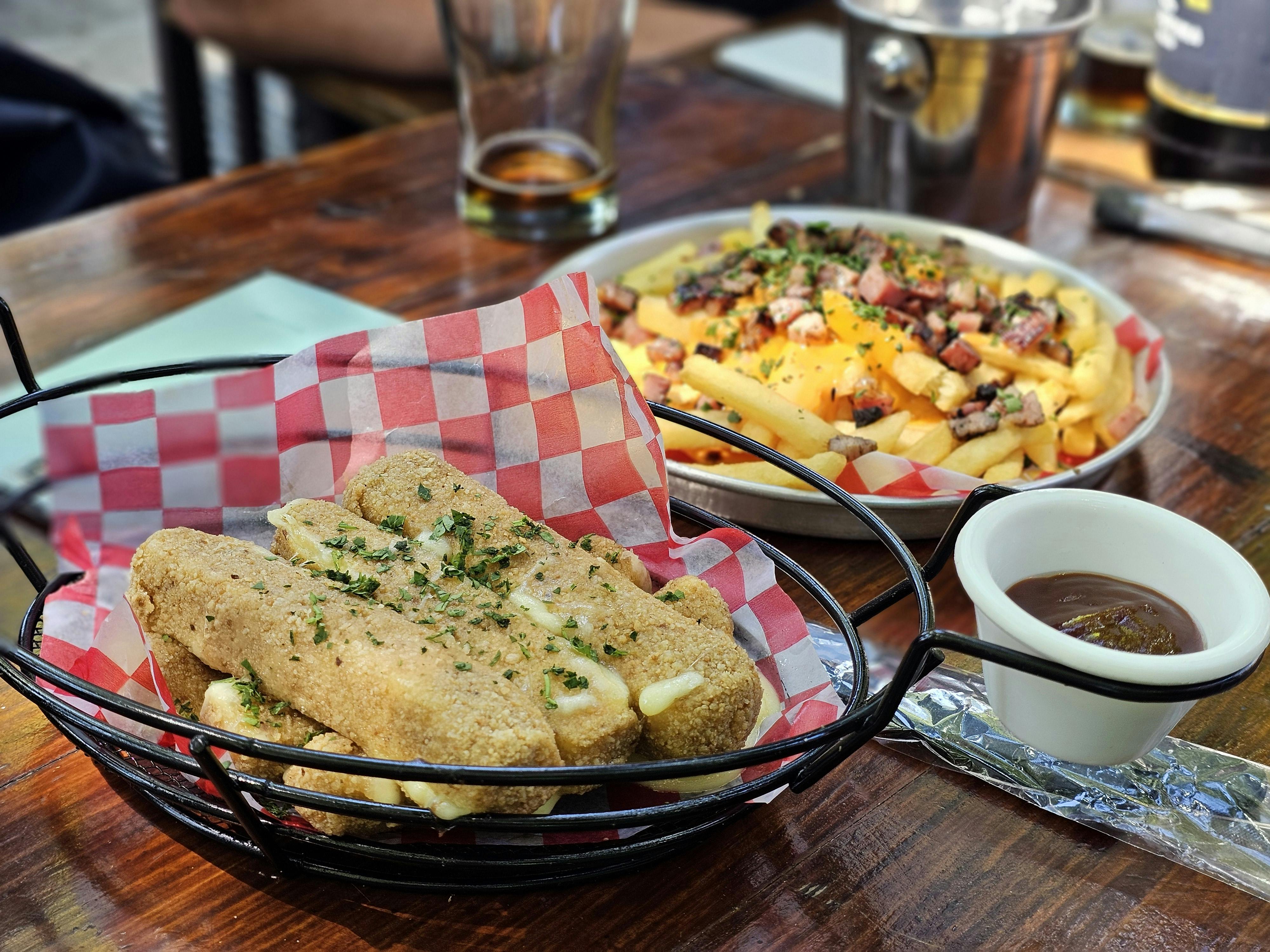
Take poutine, perhaps the most famous Canadian entry in the contest. Born in Quebec in the mid-20th century, it combines fries, cheese curds, and gravy in a way that sounds excessive until it lands in front of you hot and steaming. Its rise from rural casse-croûtes to mainstream menus says a lot about how once-local foods become national icons. Today it appears in diners, sports arenas, and fast-food chains, but Canadians still tend to draw a line between real poutine and heavily modified versions sold elsewhere.
America counters with foods that project the same kind of emotional authority. Mac and cheese, burgers, Buffalo wings, and barbecue each come with a devoted following and a belief that the right version is not merely tastier but morally correct. In barbecue especially, style wars inside the U.S. are already fierce, from Carolina whole hog traditions to Kansas City sauces and Texas brisket. When Canadians enter that conversation with smoked meat, peameal bacon, or regional sausages, they are stepping into an arena where authenticity is taken personally.
Then there are the products that seem small until someone insults them. Ketchup chips remain a classic example. They are ordinary to many Canadians and faintly bizarre to many Americans, which is exactly why they matter. Butter tarts, Nanaimo bars, Montreal bagels, and all-dressed chips occupy similar territory. They are not just foods people consume. They are foods people use to signal insider status, regional allegiance, and cultural memory.
Border proximity keeps the argument alive and constantly changing
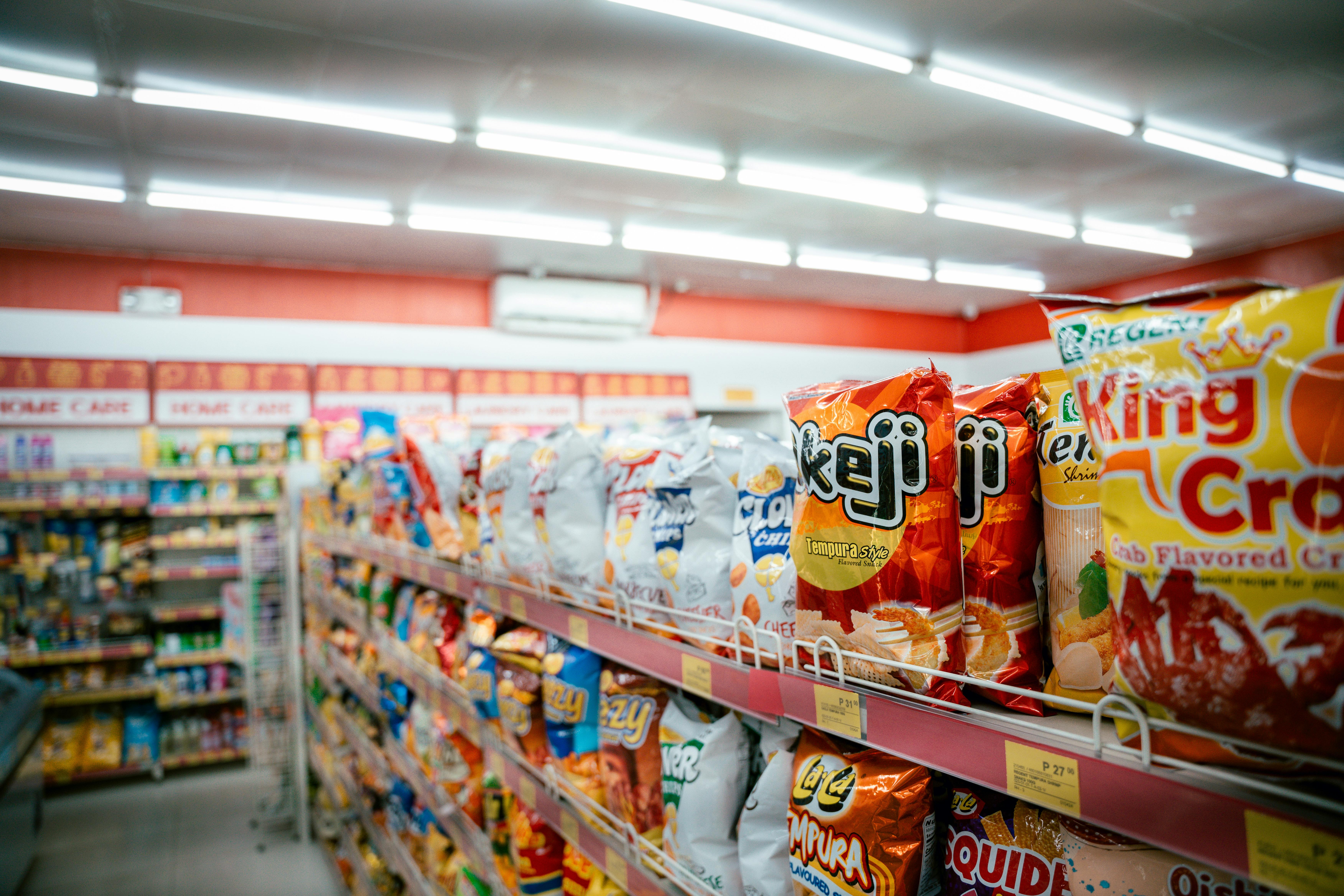
If the two countries were farther apart, the rivalry might have cooled into harmless folklore. Instead, Canadians and Americans live in a state of constant culinary contact. Grocery products cross the border, restaurant chains expand, tourists compare portions, and social media amplifies every disagreement over which country "does it right." The result is a food relationship defined by exchange as much as competition. Familiarity does not reduce the tension. It often sharpens it.
Trade rules and agricultural systems also shape the fight in practical ways. Canada's supply management system for dairy, poultry, and eggs has long frustrated American policymakers and producers, especially during trade negotiations. At the consumer level, those policy differences feed broader perceptions about quality, pricing, and taste. Canadians may point to distinct dairy standards or chocolate formulations, while Americans emphasize variety, lower prices, and market scale. These are not abstract issues. They affect what ends up in stores, what restaurants can source, and what travelers notice immediately.
Border cities make the contrast especially vivid. In places like Windsor and Detroit, or Vancouver and Seattle, people can compare food cultures almost in real time. One side may offer stronger diner traditions, bigger chain presence, or more aggressive convenience snacking. The other may feel more local, more regionally branded, or more tied to specific immigrant communities. Because the line is so close, every difference appears both minor and strangely important.
Regional pride makes the debate far more complicated than outsiders realize
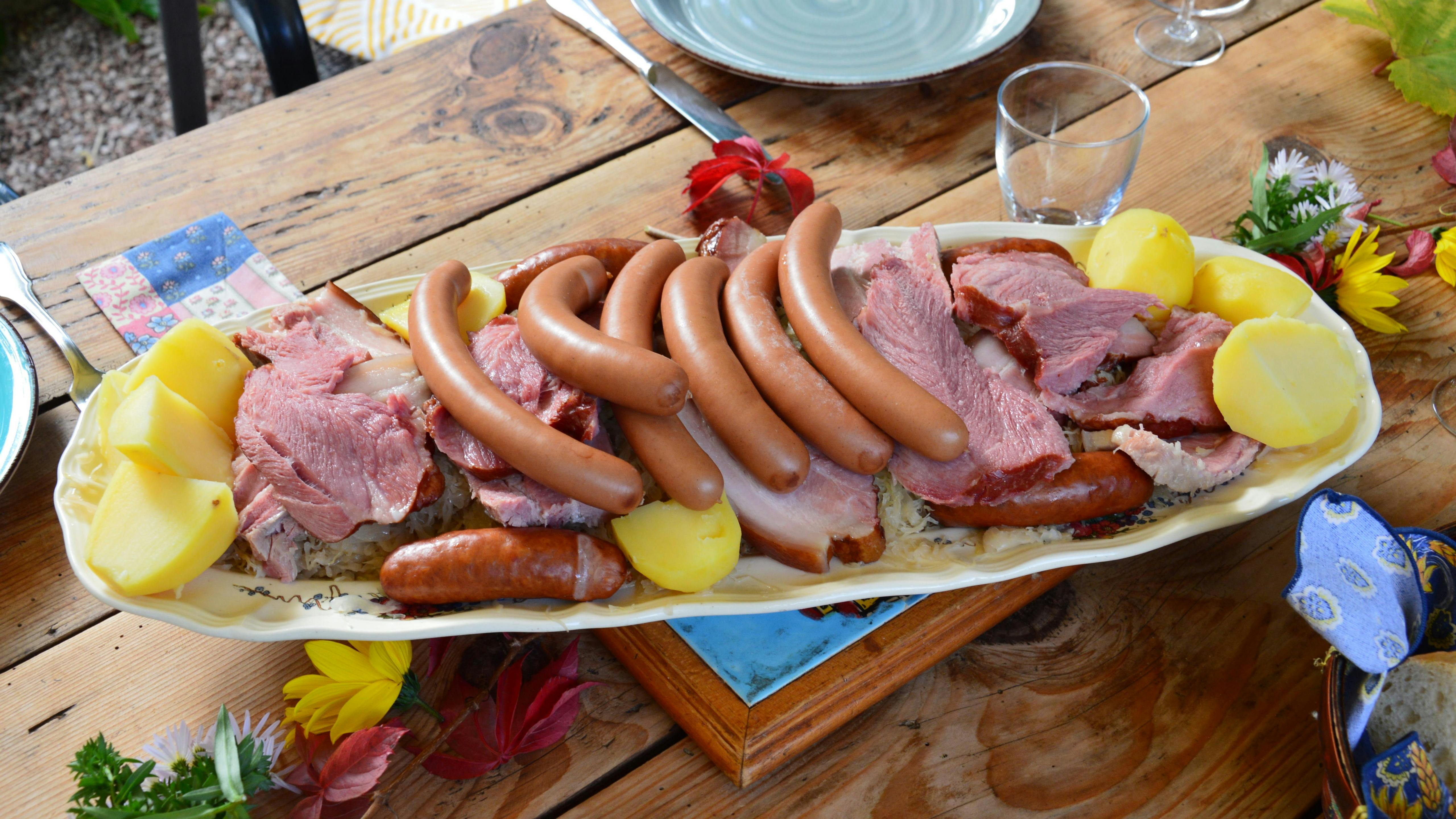
Anyone trying to judge this rivalry by national stereotypes alone will miss the real story. Neither country has a single food culture. Canada contains Quebecois traditions, Atlantic seafood heritage, Prairie grain and beef traditions, and a West Coast cuisine shaped by Asian and Pacific influences. The United States is even more sprawling, with culinary identities that shift dramatically from Louisiana to California to New England. What looks like a Canada-versus-America argument is often several dozen regional arguments happening at once.
Montreal offers a perfect example. Its smoked meat, bagels, and late-night casse-croûte culture resist easy comparison with mainstream American categories. Montreal bagels, smaller, denser, sweeter, and wood-fired, are often discussed in direct opposition to New York bagels. That debate has lasted for decades and has never produced peace. Both sides can point to craft, history, and loyal local customers, which is why neither side ever really wins.
The same pattern appears elsewhere. Atlantic Canadians defend lobster rolls, chowders, and donairs with the kind of intensity Americans reserve for regional barbecue. In the Prairies, perogy traditions reflect Eastern European migration in ways that overlap with Midwestern American food while still feeling distinct. On the U.S. side, border states and northern cities have long absorbed Canadian products and preferences without always acknowledging the source. The rivalry thrives because the similarities are real, but so are the local differences.
Companies and media turned casual preferences into a permanent contest

No modern food rivalry survives without marketing. Brands, restaurant chains, and food media have all helped transform ordinary preferences into symbols of national taste. Tim Hortons became a shorthand for Canadian everyday life even as its ownership structure and menu evolution complicated that image. In the U.S., chains such as Dunkin', McDonald's, and countless regional burger brands perform a similar role, tying convenience to cultural familiarity. Once companies learn that consumers enjoy these comparisons, they have every reason to keep them going.
Television and digital media made the competition even louder. Cooking shows, travel programs, and ranking culture thrive on conflict because "best" is easy to package and hard to settle. A host bites into poutine in Montreal, then a loaded fries version in an American city, and viewers immediately split into camps. The same happens with maple syrup grades, Caesars versus Bloody Marys, or whether Hawaiian pizza counts as Canadian because it was created in Ontario by Sam Panopoulos. The answer matters less than the argument it starts.
Social media has accelerated this pattern by rewarding certainty and outrage. A simple post about milk in bags, Smarties versus American Smarties, or who sells better chocolate can generate thousands of reactions in hours. Much of it is playful, but the repetition matters. It keeps national food identity in circulation every day, reinforced by jokes, nostalgia, and algorithm-friendly disagreement.
The reason nobody wants peace is that the rivalry is useful and fun
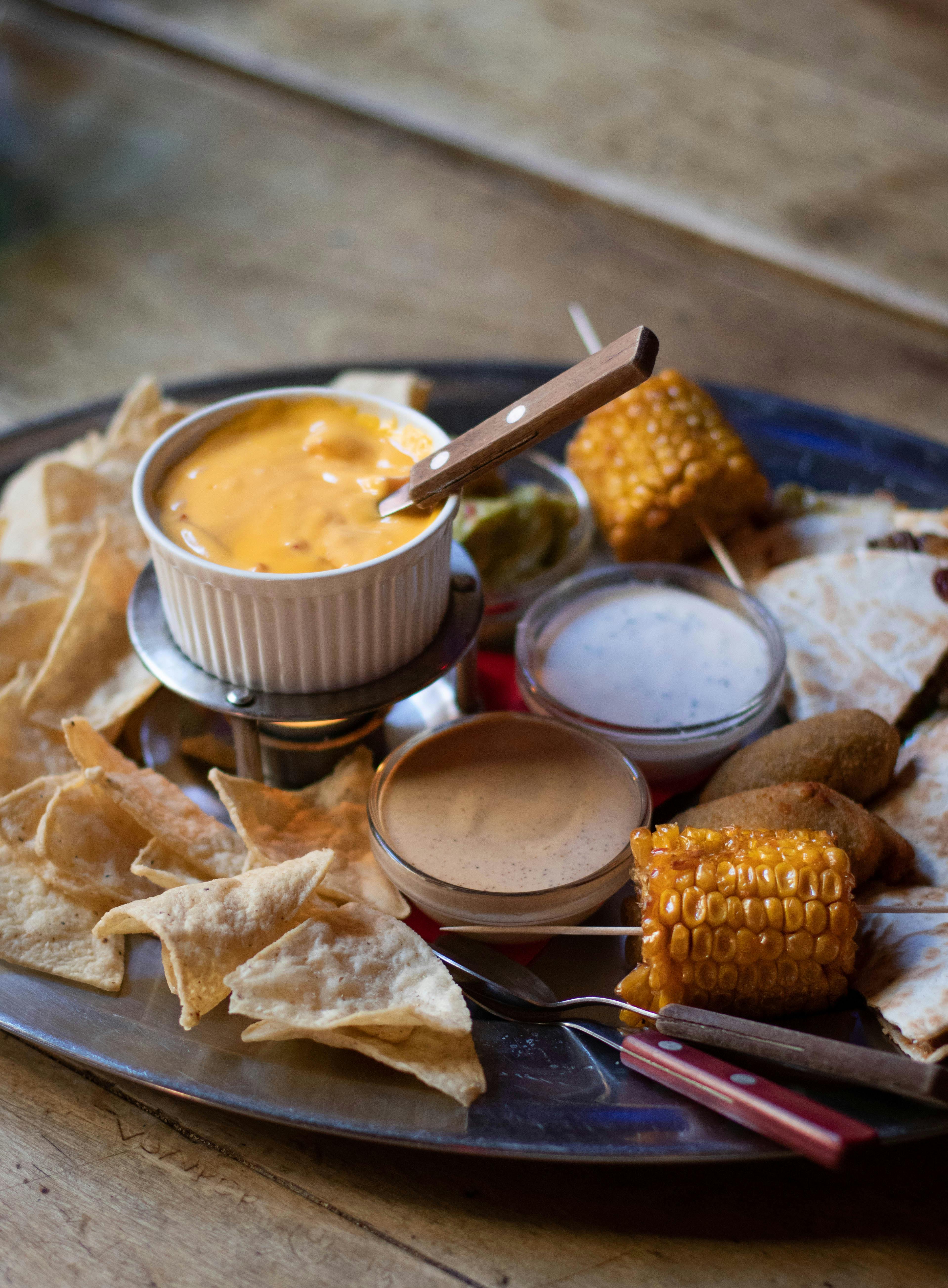
For all its mock seriousness, this food war performs a valuable social function. It gives Canadians a way to celebrate distinctiveness without hostility and gives Americans a chance to engage in regional pride on an international stage that still feels low stakes. Few people truly want the debate resolved because resolution would flatten the stories attached to the food. If everyone agreed on the superior bagel, chip flavor, or gravy-to-fries ratio, something human would be lost.
There is also a practical reason the rivalry endures: both countries benefit from borrowing from one another. American cities have embraced poutine, Caesars are increasingly recognized beyond Canada, and Canadian diners have long adopted burgers, wings, and barbecue traditions from south of the border. Migration continues to reshape both menus. New immigrant communities in Toronto, Vancouver, New York, Los Angeles, and Houston are building the next generation of North American comfort food right now. That constant change keeps old arguments alive while creating new ones.
In the end, the conflict survives because it is less a war than a ritual. It lets people argue passionately, eat well, and reaffirm where they come from without needing an official scoreboard. Nobody formally started it because nobody had to. And nobody wants to end it because, bite for bite, it remains one of the friendliest battles on the continent.




Leave a Reply