
Milk looks simple on the shelf. In Quebec, its price is anything but simple.
The board most consumers never hear about
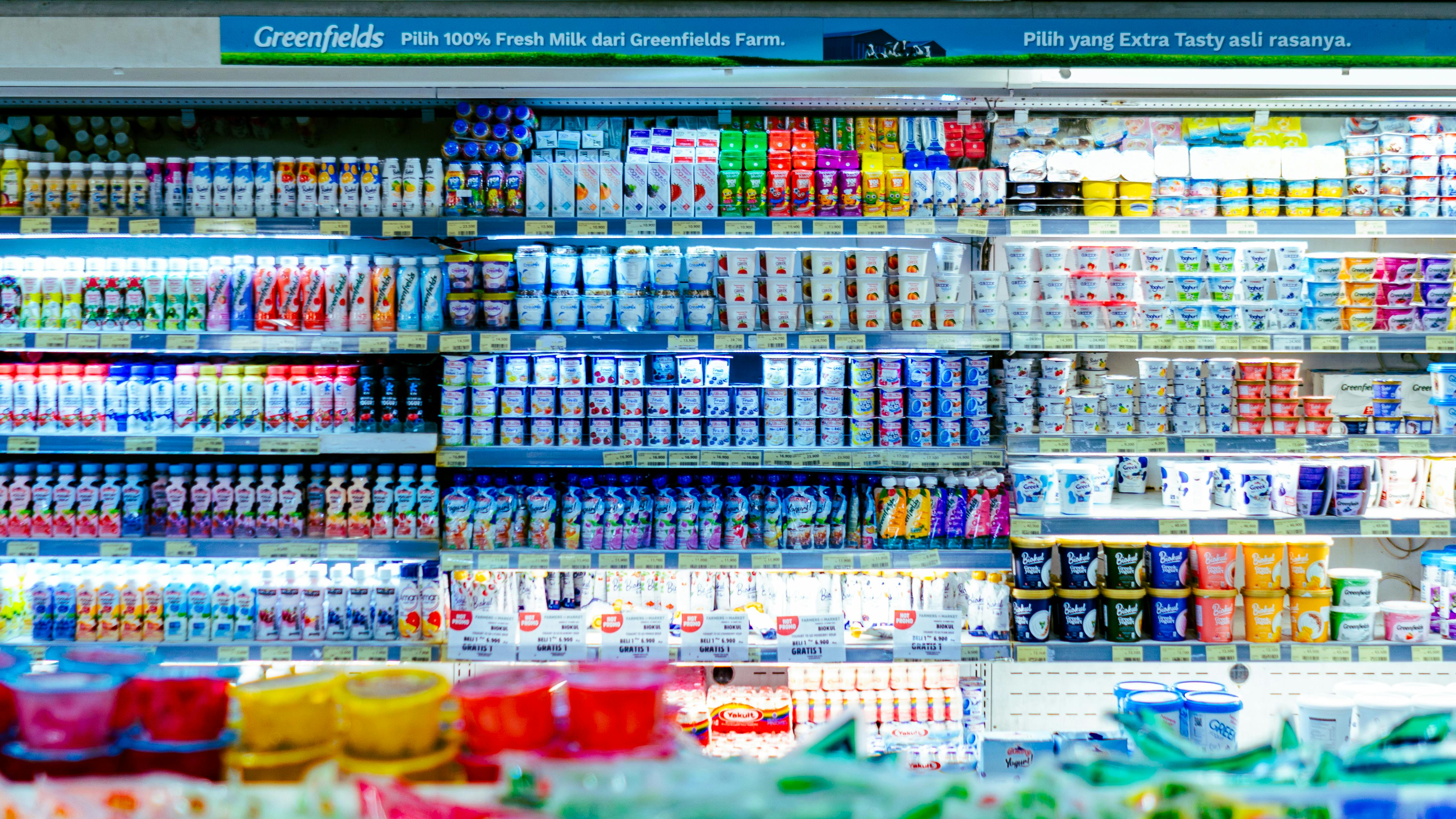
Few shoppers know that Quebec has a specialized regulator called the Régie des marchés agricoles et alimentaires du Québec, often shortened to the RMAAQ. This body oversees important parts of agricultural marketing, including how milk moves through the province's tightly managed dairy system. While Ottawa sets the broader supply-management framework, Quebec's board has a decisive provincial role in how pricing rules are applied.
Its influence matters because dairy is not sold in a fully free market. Farmers produce under quotas, processors buy under negotiated conditions, and retailers build their prices from regulated starting points. In practical terms, the board does not simply watch the market. It approves, arbitrates, and enforces the mechanisms that shape the base cost of fluid milk.
That makes it one of the least visible but most powerful institutions in everyday food pricing. Consumers may blame grocers when milk prices rise, but the chain begins earlier. In Quebec, the board sits at a key chokepoint where farm economics, processor margins, and public policy meet.
How a litre of milk gets its official price foundation
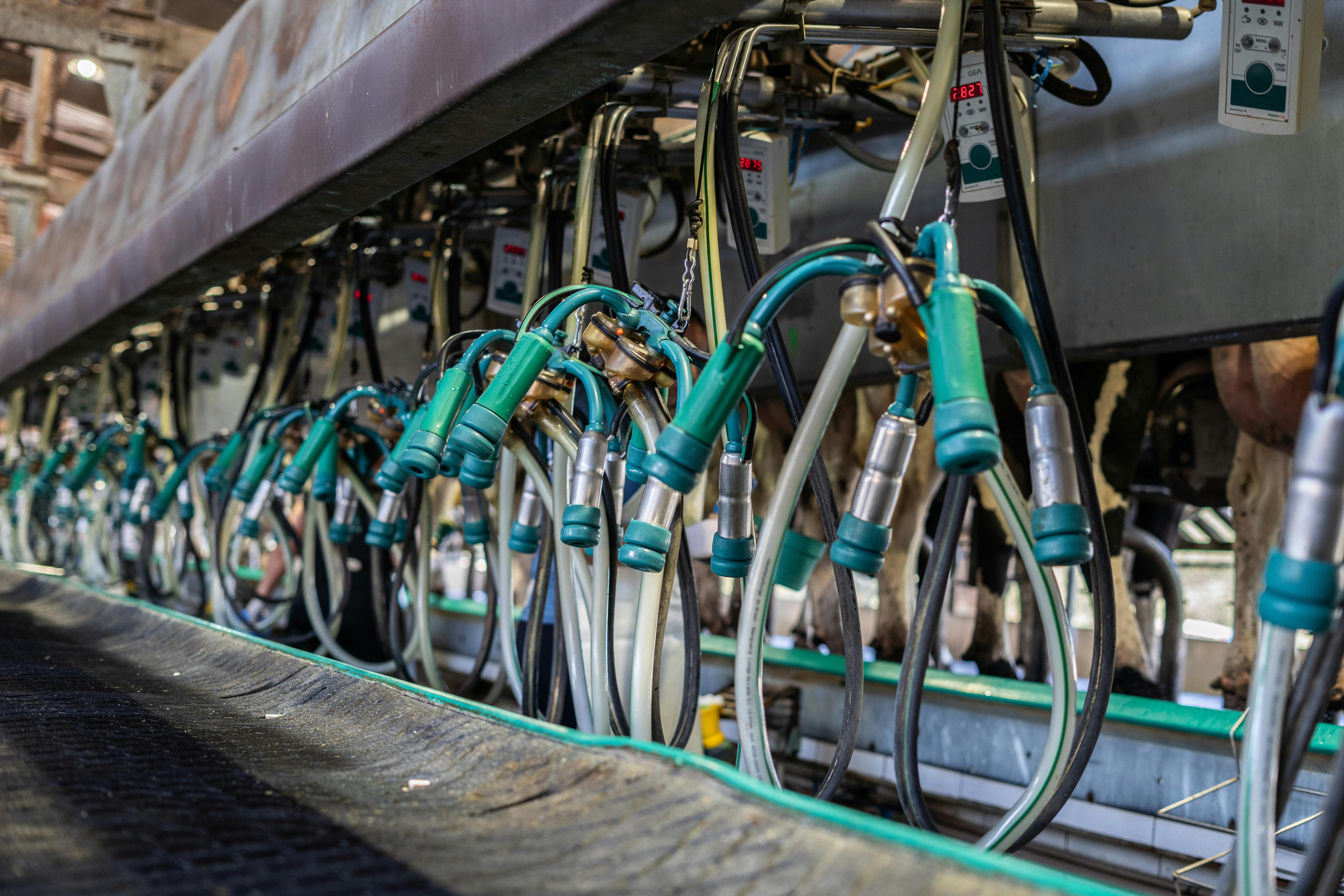
Start with the farm gate, because that is where the regulated system begins. Canadian dairy farmers are paid according to national milk classes and pricing formulas that reflect intended use, whether the milk becomes cheese, butter, yogurt, or fluid milk. Those formulas are influenced by production costs, market balancing, and decisions made through the Canadian Milk Supply Management Committee.
Quebec then adds its own machinery through collective marketing. The province's milk producers negotiate with processors, and when the parties cannot agree, the Régie can step in to approve agreements or settle disputes. That process helps determine the transfer price and conditions under which processors obtain raw milk for drinking milk products sold in stores.
From there, processors package, transport, refrigerate, and market the product. Retailers finally apply their own markup, which can vary by banner, region, and promotion strategy. But the core point remains the same: the shelf price starts from a regulated base, and in Quebec that base is deeply shaped by a board-led structure rather than pure competition.
Why Quebec regulates milk so closely
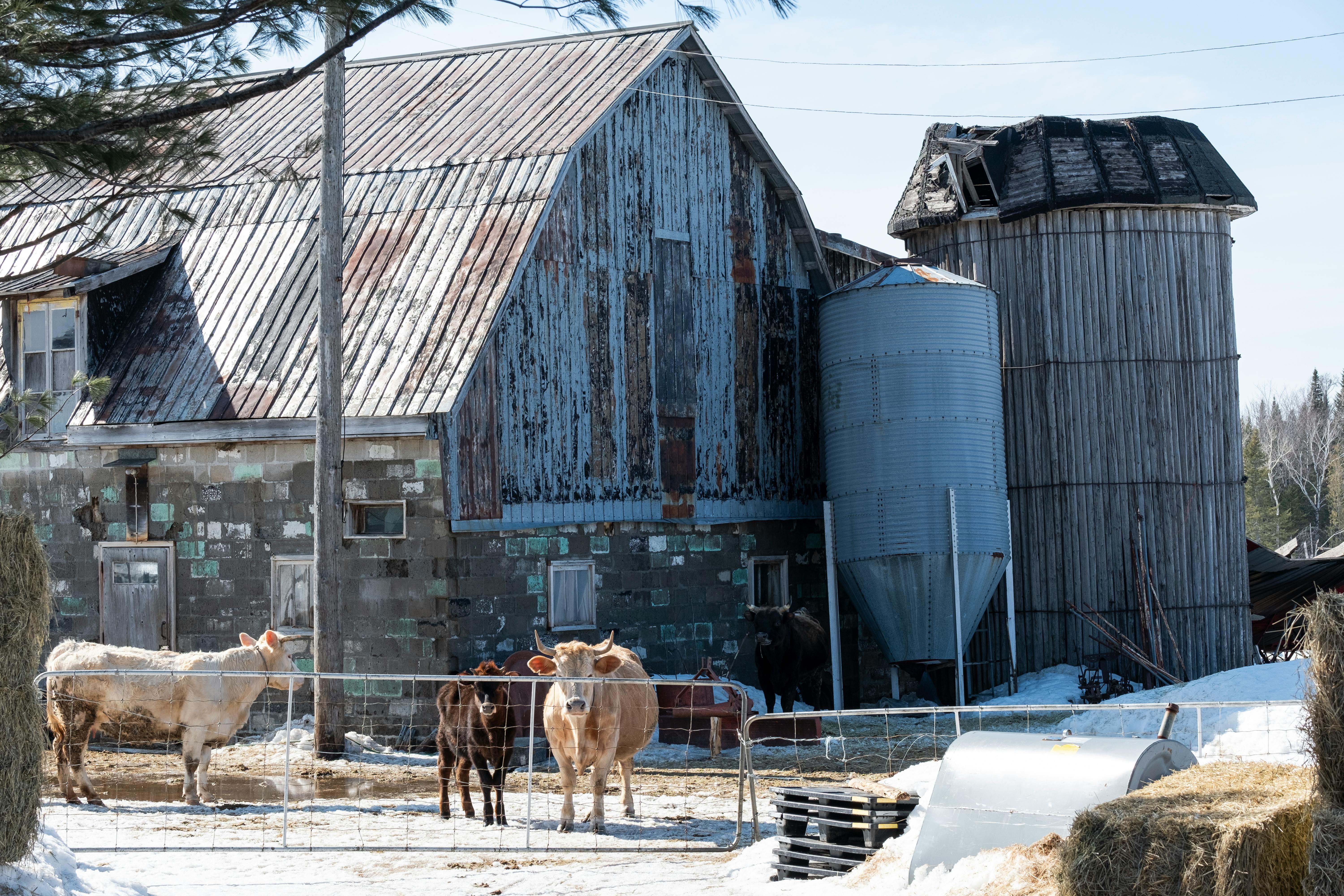
At first glance, this can feel old-fashioned. Yet the system exists because milk is politically and economically sensitive, and governments have long treated dairy as a strategic food sector rather than just another grocery category. Supply management was built to avoid wild price swings, chronic overproduction, and farm collapses that were common in earlier eras.
Supporters argue that the model gives farmers predictable income and encourages domestic production. In a province with many family-run dairy farms, that stability carries social value as well as economic value. Rural communities depend on farm revenue, and stable pricing helps maintain processing capacity, veterinary services, feed suppliers, and transport networks.
Critics, however, say consumers pay more than they would in a more open market. Economists have long debated whether the protection offered by quotas and controlled pricing limits innovation or shields inefficiencies. Even so, Quebec has consistently defended the framework, and the board's pricing role reflects that larger policy choice.
What actually moves the price up or down
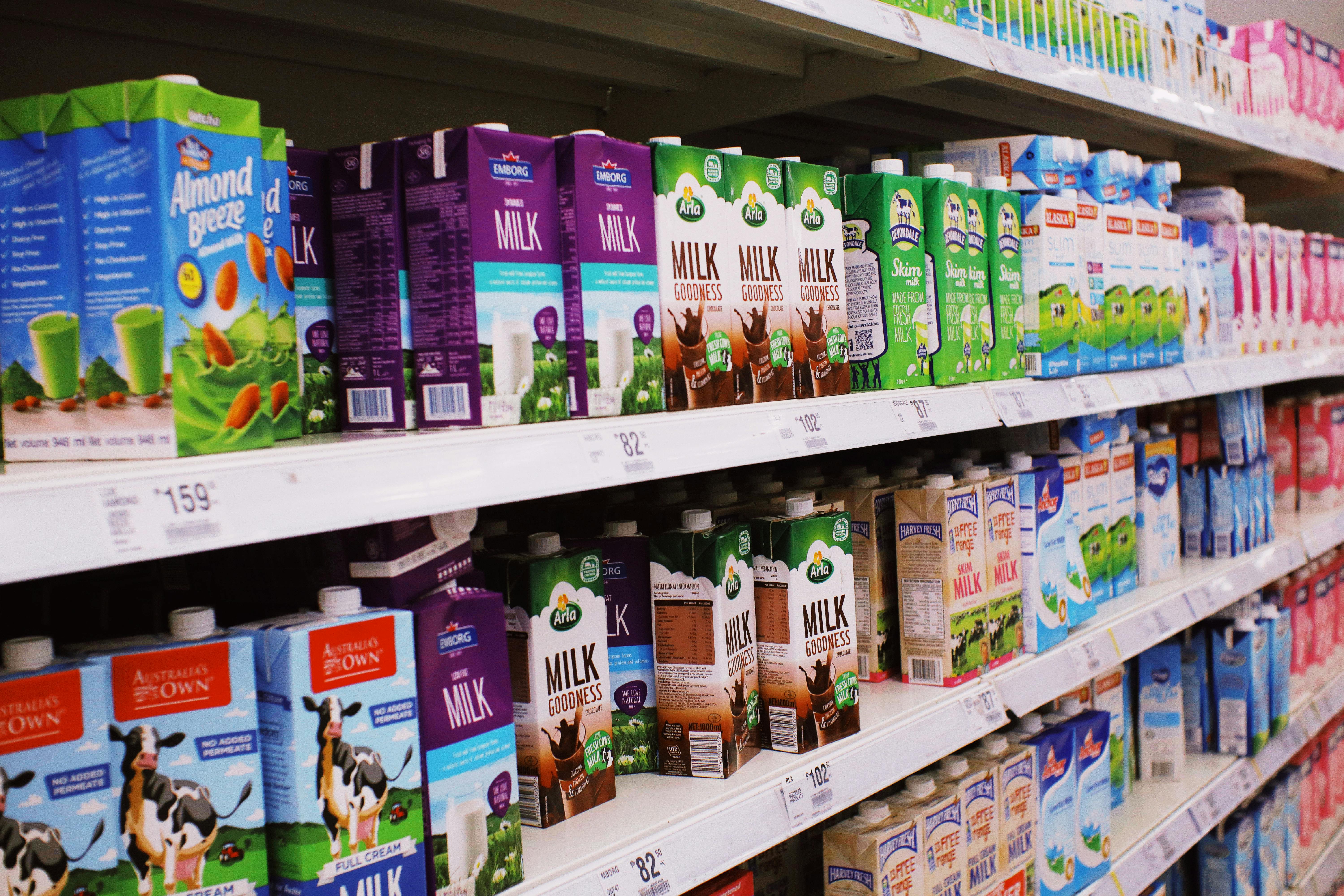
The price of milk does not change on a whim. Feed costs, fuel, farm labour, interest rates, packaging expenses, and transportation all influence the underlying economics. When those pressures build, dairy stakeholders seek adjustments through formal processes rather than relying on sudden shelf-level competition to absorb the shock.
Inflation has made those cost drivers much more visible. Across Canada in recent years, higher energy prices and more expensive farm inputs pushed dairy pricing upward, and the Canadian Dairy Commission adjusted support prices accordingly. In Quebec, those national shifts filter through provincial agreements and board-supervised mechanisms before they fully appear in store coolers.
Consumer habits also matter more than many people realize. If demand shifts toward organic milk, lactose-free products, or private-label cartons, processors and retailers adjust product mixes and margins. Still, those market trends operate within a controlled framework, and that is why Quebec's board remains central even when supermarket competition looks intense.
Why the shelf price can still differ from one store to another
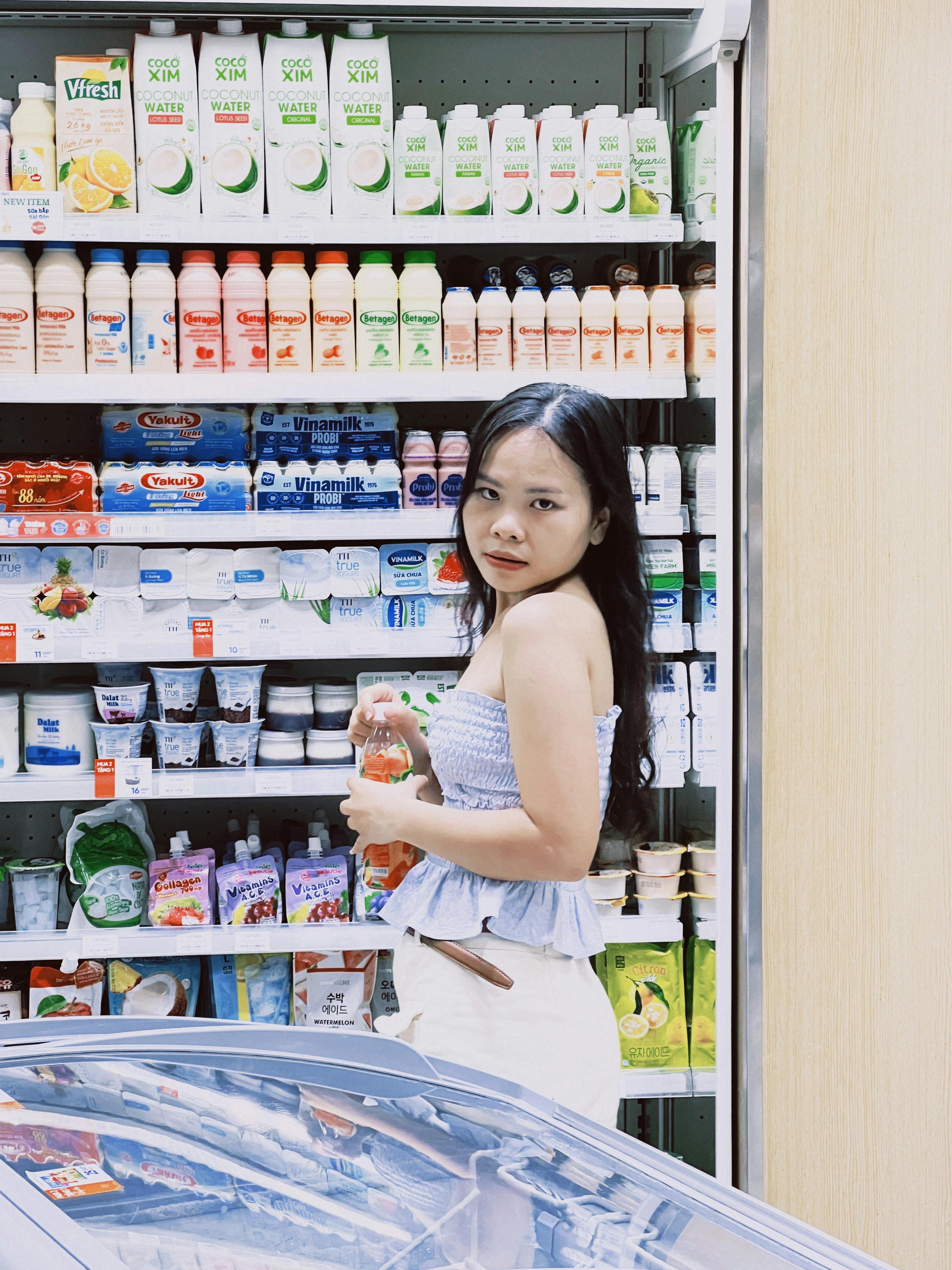
A common misconception is that the board sets the exact retail price consumers pay. It does not usually work that way. What it shapes most directly is the regulated structure underneath the transaction, especially the terms governing raw milk pricing and the commercial relationships between producers and processors.
Retailers still make choices. A discount chain may use milk as a traffic-driving staple and keep margins thin, while a smaller neighbourhood grocer may charge more because of lower volume and higher operating costs. Geography matters too, since delivering refrigerated products to remote regions adds real expense that must be recovered somewhere in the chain.
Promotions can also temporarily mask the underlying regulated price. A store may discount 2% milk for a week, but that does not mean the regulated foundation changed. It simply means the retailer accepted a smaller margin, or used the item to encourage customers to buy higher-margin products elsewhere in the basket.
What this obscure system means for Quebec households

The larger lesson is that milk pricing in Quebec is a policy outcome, not just a retail one. The province has chosen a model that values stability, domestic production, and negotiated order over open-price volatility. The board at the center of that model is obscure only because most consumers encounter its decisions indirectly.
For households, that means milk prices can feel frustratingly rigid. They may not fall quickly even when commodity headlines suggest food costs should ease. But the same structure can also cushion the market from the dramatic collapses and shortages seen in less regulated agricultural systems.
In the end, the Quebec board is not merely a bureaucratic footnote. It is one of the institutions that quietly determines how food policy becomes a line item in a family budget. Every litre in the fridge carries the imprint of that decision-making system, whether shoppers know the board's name or not.




Leave a Reply