
Big grocery deals rarely end quietly. When this one fell apart, the aftershocks were always going to travel north.
Why the Kroger-Albertsons deal mattered far beyond the U.S.
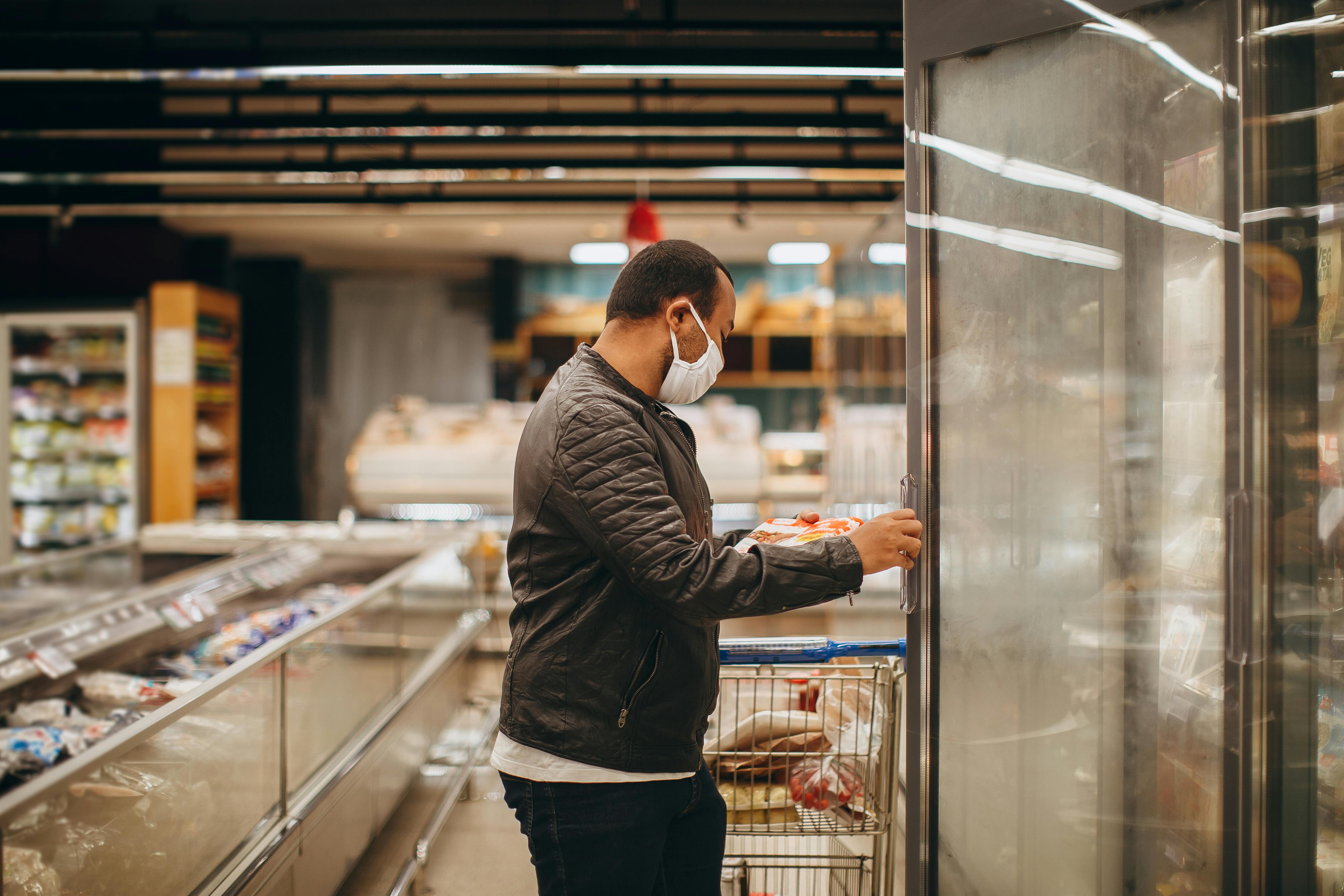
At first glance, the Kroger-Albertsons merger looked like a domestic American antitrust fight. In reality, it was a test of whether regulators would allow traditional grocers to bulk up against Walmart, Costco, and Amazon, all of which have changed how food retail works.
According to Reuters and multiple court filings, the proposed $24.6 billion deal faced fierce scrutiny because regulators argued it would reduce competition, raise prices, and weaken labor bargaining power. Courts ultimately agreed that the divestiture plan was not strong enough to preserve real market competition.
That result matters in Canada because the same pressures exist there, only in a more concentrated market. A handful of major players dominate national grocery sales, and the debate over food inflation has already made scale, pricing power, and market concentration politically explosive.
The collapse changed the strategic playbook for grocers

Here is the real lesson from the merger failure: giant, transformational combinations are now much harder to push through. Boards and investors do not ignore that kind of warning, especially when long legal fights can drain capital, distract management, and still end in defeat.
That does not mean dealmaking is over. It means companies are more likely to pursue smaller acquisitions, regional consolidation, private banners, pharmacy-linked assets, and specialty chains that can be defended as efficiency plays rather than market-dominating mergers.
In practical terms, this often produces more buyouts, not fewer. When one blockbuster transaction dies, the market usually fragments into a series of narrower bids, asset sales, joint ventures, and targeted purchases that regulators may view as less threatening.
Why Canada is especially vulnerable to a new buyout cycle
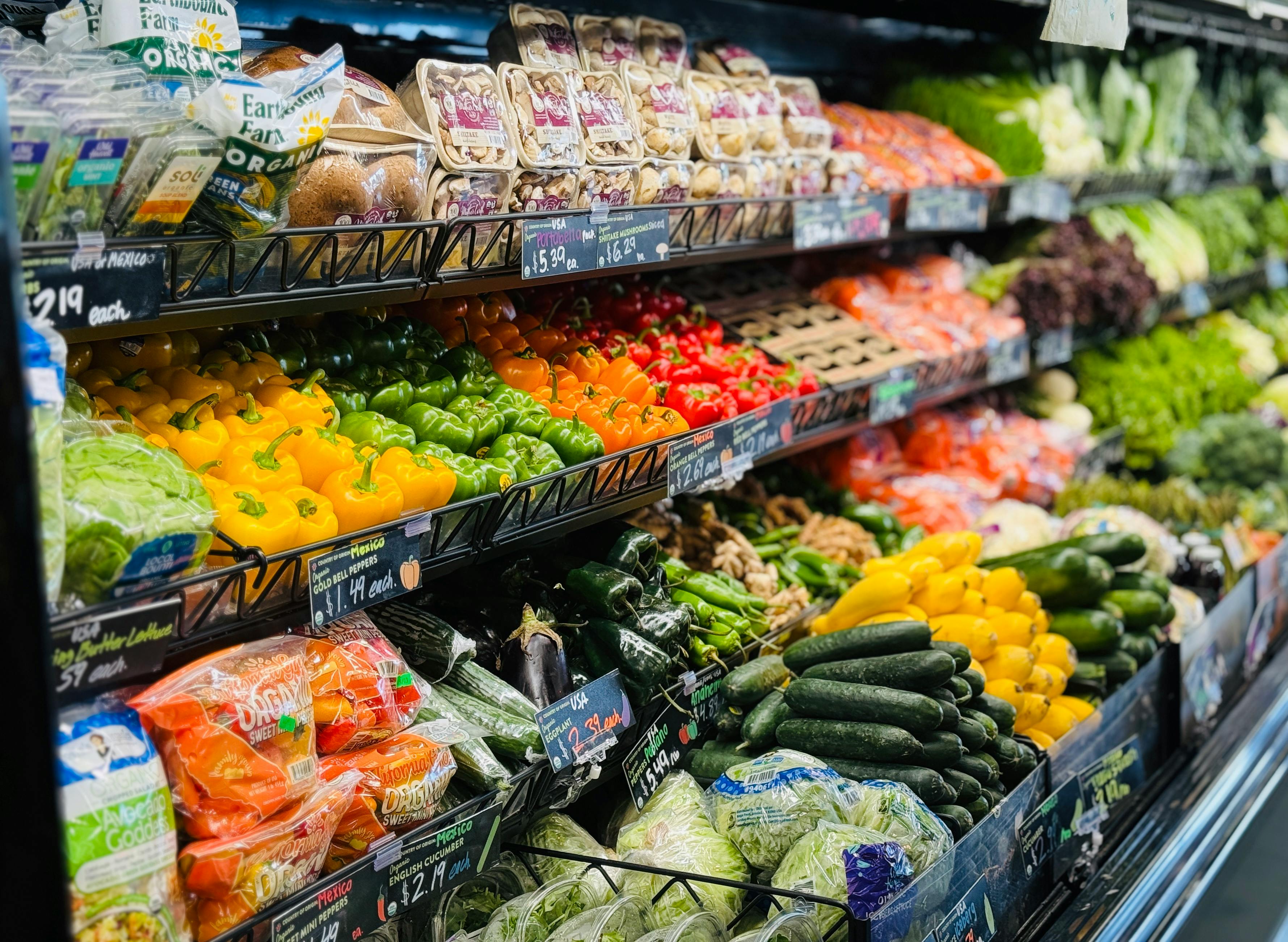
Canada's grocery sector is unusually ripe for this kind of shift. Loblaw, Sobeys parent Empire, Metro, Walmart Canada, Costco, and a smaller group of regional operators already compete in a market where real estate is expensive, margins are thin, and distribution efficiency can decide profitability.
The 2023 acquisition of Winnipeg-based Viterra-owned specialty assets and earlier consolidation across pharmacy and food retail showed how retailers keep searching for adjacencies that deepen customer loyalty. Even where headline mergers are absent, the logic of buying scale has not disappeared.
Add in population growth, strong immigration, and uneven regional expansion, and the appeal of buying instead of building becomes clearer. A chain that wants faster access to Western Canada, Quebec, or fast-growing suburban corridors can often achieve it more cheaply through acquisition than through new store development.
Competition politics in Canada could accelerate, not stop, deals

This is where the story gets more interesting. Canada's political class has become far more vocal about grocery concentration since food inflation surged, but that scrutiny does not automatically block every transaction.
Instead, it can redirect dealmaking toward assets that appear consumer-friendly, such as discount banners, local chains, e-commerce infrastructure, or distribution networks that promise lower costs. Buyers will frame future acquisitions around resilience, supply chain stability, and better pricing discipline.
The Competition Bureau has also shown more willingness to challenge consolidation, particularly after the Rogers-Shaw fight sharpened public expectations. Still, companies and their advisers know how to structure deals with divestitures, regional carve-outs, and behavioral commitments designed to improve approval odds.
The most likely targets and buyers in a Canadian wave

Do not expect a single mega-merger to define the next phase. The more plausible scenario is a patchwork of regional chains, ethnic grocery operators, specialty food retailers, pharmacy-linked formats, and logistics assets changing hands over several years.
Large incumbents are obvious contenders, but private equity and pension-backed investors could also play a bigger role. Grocery remains defensive in uncertain economic periods because people keep buying food, and that steady cash flow can make overlooked chains attractive takeover candidates.
Independent operators may feel the strongest pressure. Higher labor costs, technology spending, loyalty-program expectations, and supplier negotiations all favor larger businesses, which means smaller chains may eventually sell either to compete more effectively or to exit before margins tighten further.
What shoppers, workers, and suppliers should watch next

Consumers should not assume every buyout means higher prices immediately. In some cases, a stronger owner can improve procurement, refresh stores, and expand discount offerings, though those gains often depend on whether real local competition remains after the deal closes.
Workers and suppliers will be watching a different set of signals. Store overlap, warehouse integration, and private-label expansion can reshape bargaining dynamics quickly, especially if a buyer gains more leverage over shelf space or regional distribution.
The biggest indicator will be the type of transaction announced next. If Canadian grocers start buying targeted assets instead of chasing headline mergers, that will confirm the post-Kroger-Albertsons era has arrived, and that the grocery consolidation story is not ending. It is being rewritten in smaller, sharper, and more strategic deals.


Leave a Reply