
Shoppers may soon notice something subtle but significant in the grocery aisle. The familiar paper price tag is being replaced by a screen that can change much faster than most people expect.
The technology behind the new price tags
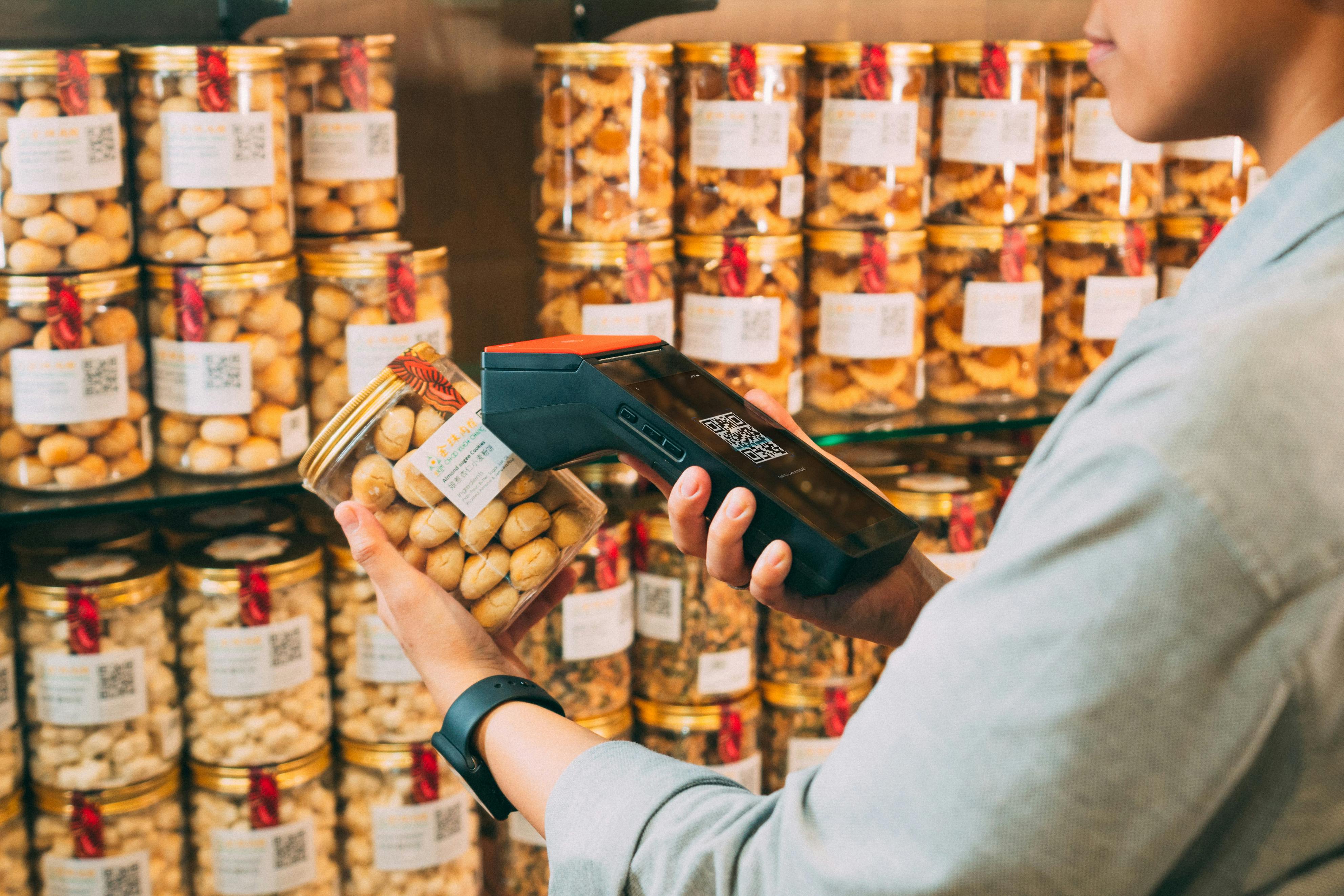
At the center of this shift are electronic shelf labels, often called ESLs. These are small digital displays attached to store shelves in place of paper tags, and they show a product's current price, unit cost, barcode information, and sometimes promotional details.
The labels are connected to a central pricing system through wireless networks. When a retailer updates a price in its software, that change can be pushed to hundreds or thousands of labels across a store almost instantly, instead of requiring staff to walk aisle by aisle and replace paper tags by hand.
That means a supermarket can react much faster to changing conditions. If a supplier raises costs, if a promotion starts at noon, or if a product is nearing its best-before date, the shelf price can be adjusted in minutes. What once took hours of manual labour can now happen centrally, precisely, and repeatedly through the day.
Why Canadian grocers are adopting them now
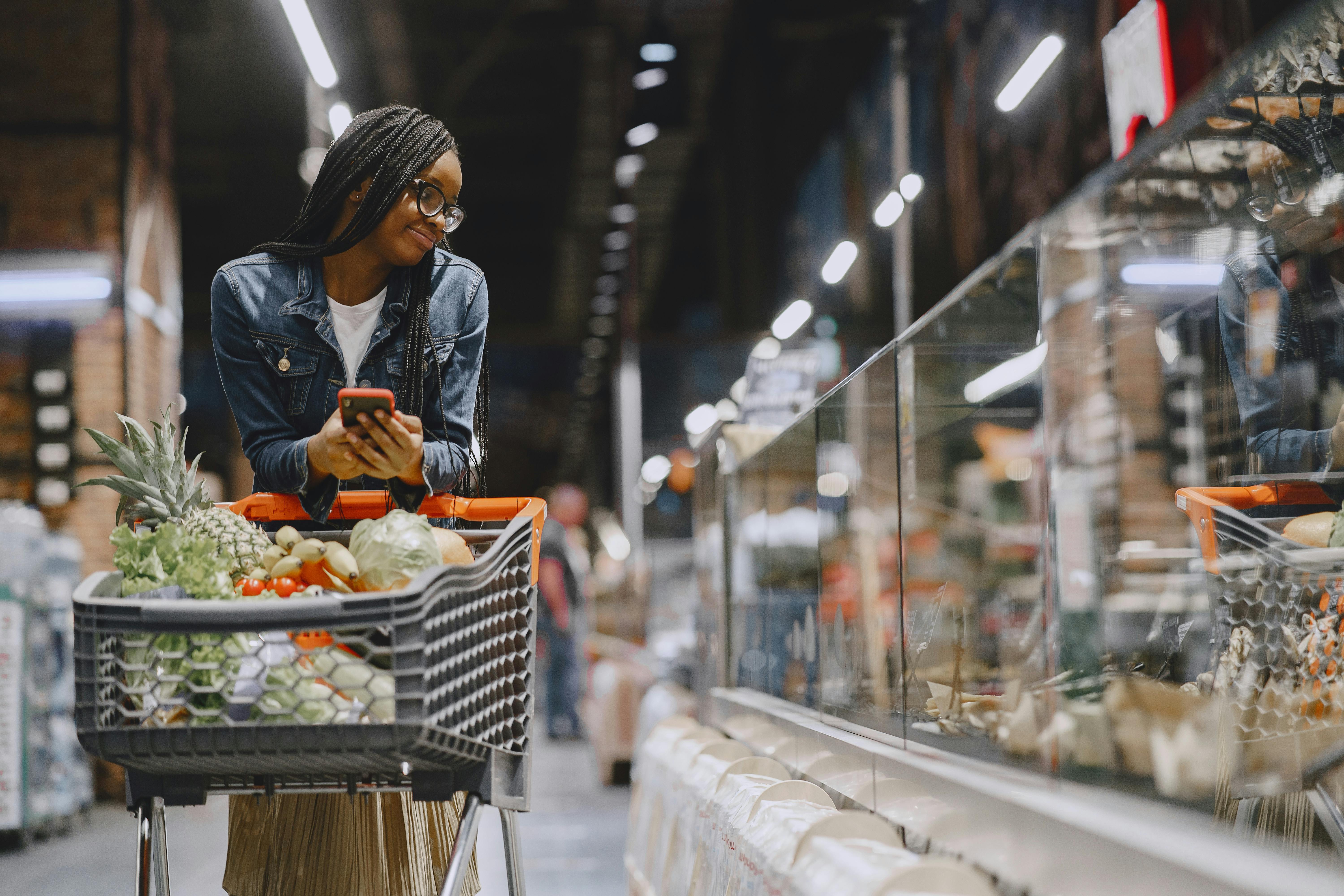
This change is not happening simply because the technology exists. Canadian grocers are under pressure from high labour costs, thin margins, inflation-sensitive customers, and a constant need to reduce pricing mistakes that can damage trust and trigger complaints at checkout.
Large chains have also spent years investing in automation, from self-checkout systems to inventory software. Digital shelf labels fit neatly into that broader push because they connect pricing, promotions, stock management, and even online order fulfillment into one system.
There is also a practical store-level benefit. Workers no longer have to print, sort, and replace thousands of paper labels during price rotations. That frees staff for stocking, customer service, and online pickup orders, which have become a bigger part of grocery operations since the pandemic changed shopping habits across Canada.
How prices can now change by the hour
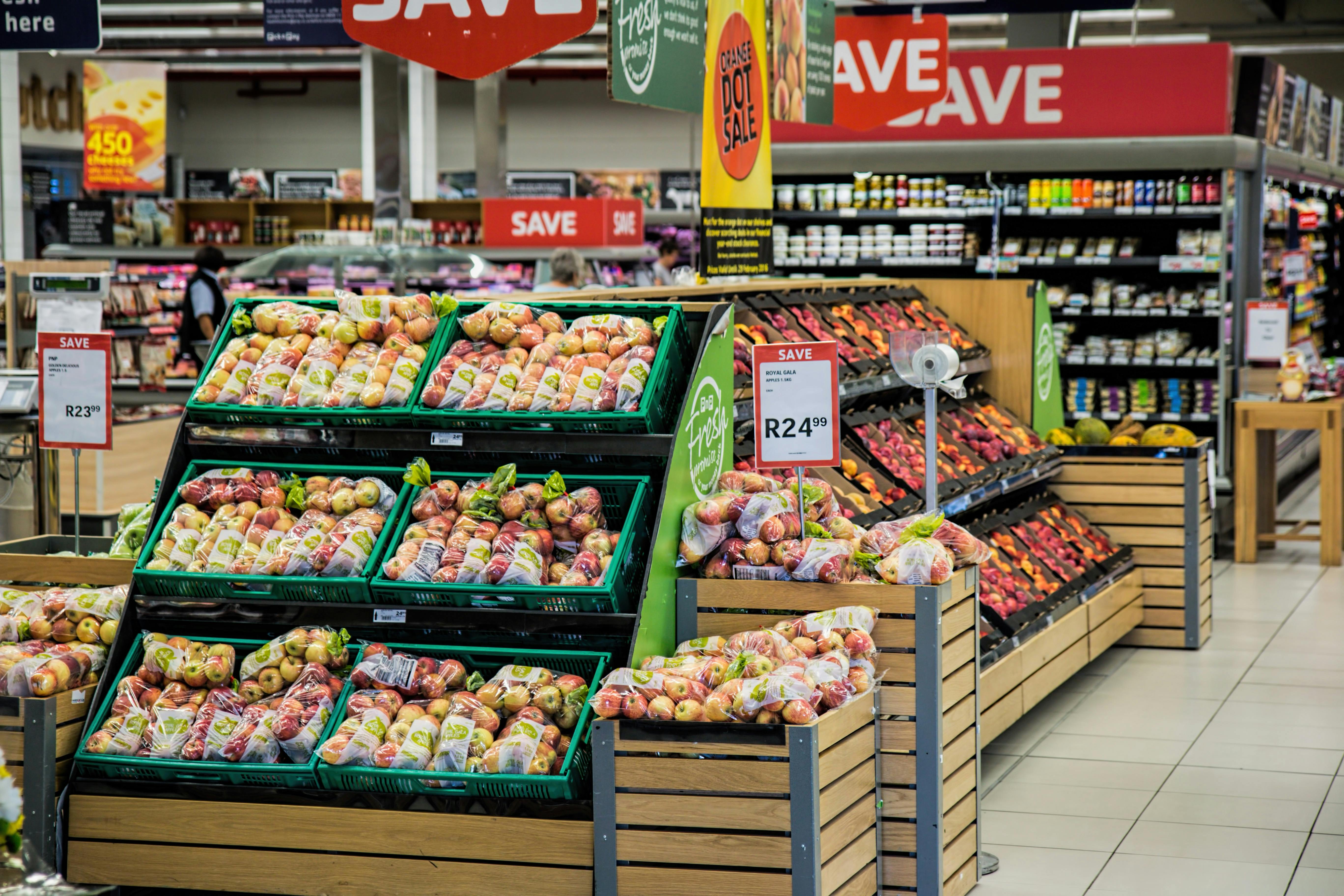
The key phrase is "can change," not "always will change." Electronic labels make frequent pricing possible, and retailers can choose to update prices at any time of day, whether for a flash promotion, a regional campaign, or a response to inventory levels.
A store might lower the price of fresh meat in the evening to reduce waste, or adjust a promotion the moment a weekend sale begins. In a more advanced setup, the system can align shelf prices with inventory data, competitor tracking, demand forecasts, or time-limited supplier funding.
This is similar in principle to dynamic pricing used in airlines, ride-hailing, and hotels, though grocery operates under different consumer expectations. Food is a daily necessity, which is why the idea of rapidly shifting prices feels more sensitive in a supermarket than it does when booking a flight or reserving a room.
The benefits for stores and, sometimes, shoppers
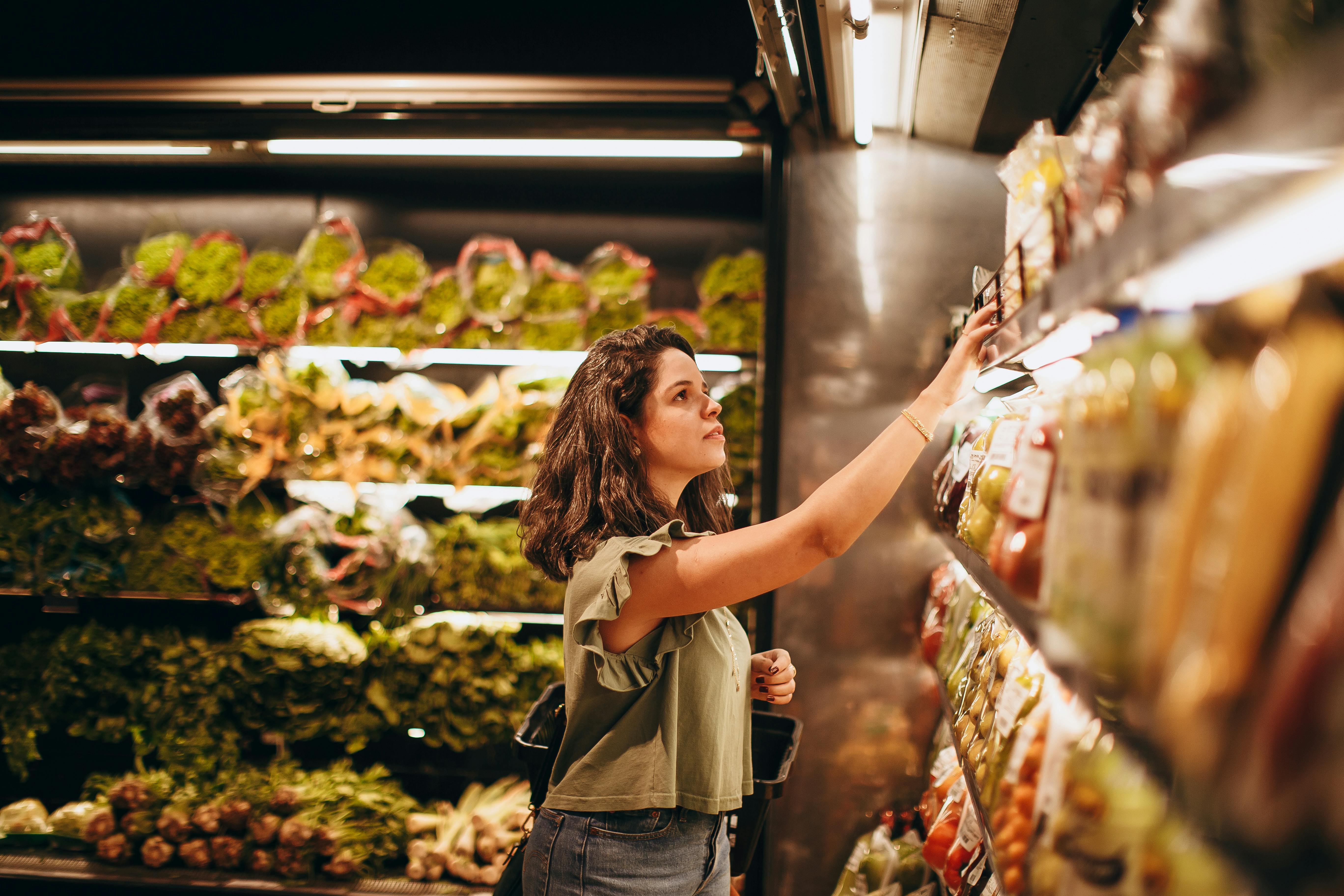
For retailers, the advantages are immediate. Digital labels reduce printing costs, cut down on mismatches between shelf and checkout prices, and allow stores to launch promotions with better timing and consistency across locations.
For shoppers, the upside depends on how the technology is used. If stores use rapid updates to discount products nearing expiry, move excess inventory, or make promotions more responsive, customers could find better bargains at certain times of day, especially in perishable categories like bakery, produce, dairy, and prepared foods.
The labels can also improve clarity. Many digital displays show larger pricing, unit measurements, and promotional text more cleanly than aging paper tags. In some systems, shoppers can even scan a code with a phone to view product details, allergens, or loyalty offers tied to that exact shelf item.
The concerns about fairness and transparency
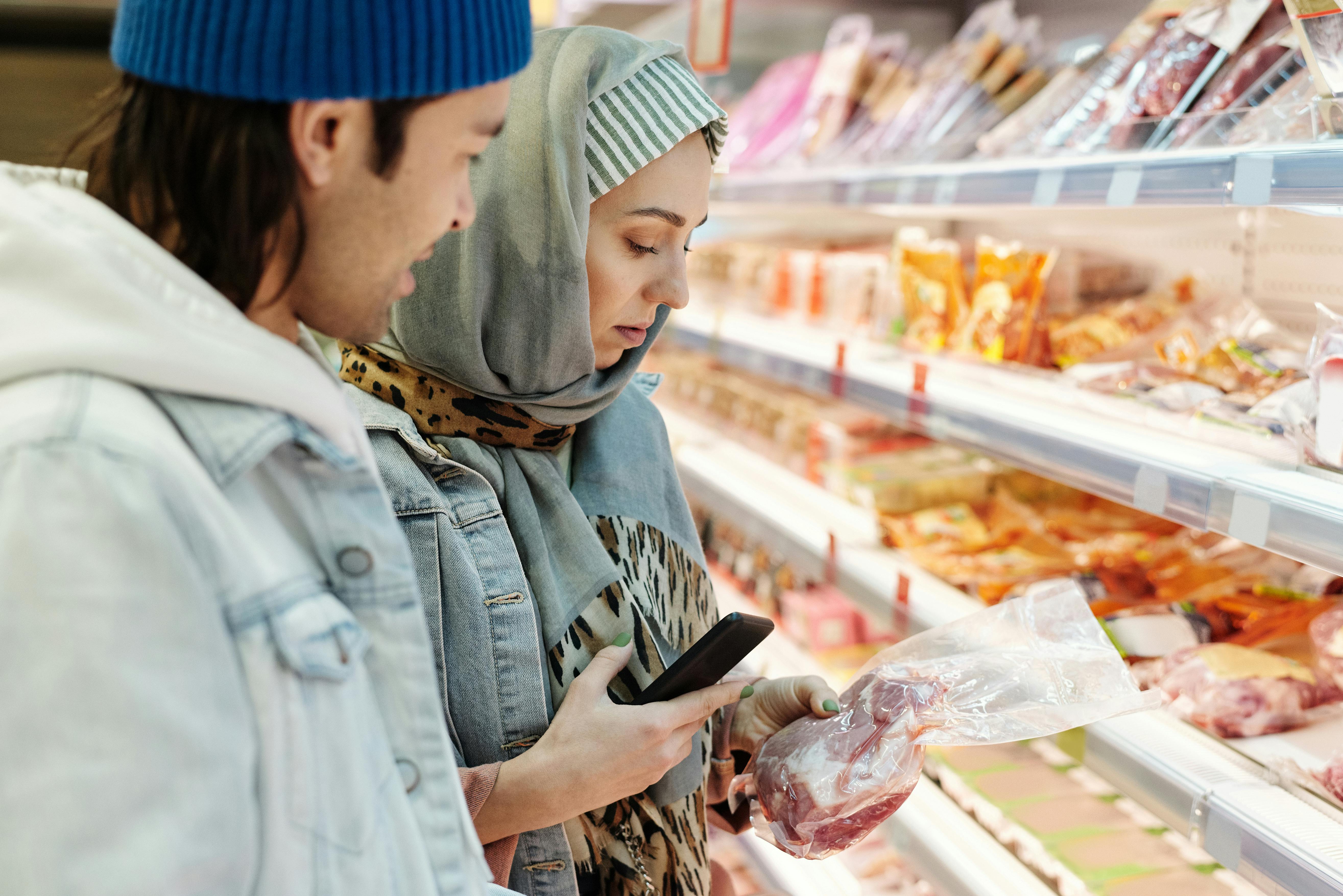
Here is where the debate becomes sharper. Consumer advocates worry that if prices can change many times a day, shoppers may feel they are entering a less predictable marketplace, where the same item could cost more in the evening than it did in the morning without obvious explanation.
There are also concerns about whether dynamic pricing could eventually target demand spikes in ways that hurt households already struggling with food costs. During busy periods, storms, or supply disruptions, the public may question whether fast-moving digital systems are being used to reflect costs fairly or simply maximize revenue.
In Canada, pricing laws, scanner accuracy rules, and provincial consumer protection frameworks still apply. But those rules were built largely around traditional pricing practices. As digital labels spread, regulators and retailers may face growing pressure to make pricing policies more visible, auditable, and understandable at store level.
What shoppers should watch for next

The next stage will likely be gradual, not dramatic. Many Canadian stores using digital labels may begin with simple functions such as faster flyer updates, cleaner promotions, and markdowns on perishables before moving toward more sophisticated pricing strategies.
Shoppers should pay attention to timestamped promotions, unit pricing, and whether shelf prices match what appears at self-checkout or on digital receipts. If prices begin changing more frequently, transparency will matter more than ever, especially for families comparing budgets across weekly grocery trips.
The broader issue is not the screen itself. It is the rules and norms that develop around it. If grocers use this technology to reduce waste, improve accuracy, and communicate clearly, it could be a useful modernization. If pricing becomes opaque or opportunistic, public backlash in Canada will come quickly.




Leave a Reply