
Canadians feel food inflation every week at the checkout. Ottawa now says it is ready to tackle the system behind those prices, not just the symptoms.
Why Ottawa Is Putting Billions Into Food Security

This new federal strategy is built around a simple concern: Canada grows a lot of food, yet still depends heavily on imports for everyday staples. According to CBC's reporting on the plan, 88 per cent of fresh fruits and nuts and 72 per cent of vegetables are imported, with about half of all food imports coming from the United States.
That dependence leaves Canadian households exposed to shocks that start far from home. Droughts, wars, trade disputes and tariff fights can all ripple quickly into grocery bills. Prime Minister Mark Carney framed the issue as one of national resilience, arguing that a country should be able to better feed itself when global systems become unstable.
The size of the commitment matters. Ottawa plans to spend $3.2 billion over a decade, making this a long-term industrial and food policy project rather than a one-time affordability measure. It follows short-term grocery rebates, but the government's argument is that rebates do little to fix structural weaknesses in production, processing and distribution.
The Biggest Problem: Too Little Competition

One of the clearest targets in the strategy is market concentration. Five major chains, Loblaw, Metro, Empire, Walmart and Costco, control roughly 75 per cent of Canada's grocery market. That kind of dominance can limit consumer choice and make it harder for smaller rivals to put pressure on prices.
Independent grocers face a particularly harsh reality. In many communities, they buy stock through supply channels linked to much larger competitors, sometimes paying prices close to what ordinary shoppers pay at retail. That makes it difficult for small stores to offer lower prices, especially in neighbourhoods that rely on them most.
Ottawa says it will boost annual funding for the Competition Bureau and the Competition Tribunal by $12.9 million. The goal is tighter oversight across food retail and supply chains, and stronger enforcement when dominant firms squeeze out competition. That will not transform prices overnight, but it signals a more interventionist approach than Canada has often taken.
Food Terminals and Hubs Could Change Local Access

A major share of the money, $1 billion, will go into a new Food Link Fund aimed at expanding wholesale food terminals and food hubs. These facilities matter because they give independent grocers, restaurants, hospitals and institutions a way to buy fresh food competitively without relying on retail giants' distribution systems.
The Ontario Food Terminal, where the strategy was announced, shows how important this model can be. It distributes nearly two billion pounds of fruits and vegetables each year. The federal plan now sets concrete targets, including expanding that terminal by the end of the year, opening two new terminals and establishing or enlarging 10 smaller food hubs by the end of 2028.
If this works, the effect could be practical and visible. More wholesale access can mean lower procurement costs for local sellers, better product variety and fresher produce reaching communities faster. It is not a silver bullet, but it addresses a neglected middle layer of the food system where pricing power often gets concentrated.
Growing More Food at Home, Year Round

Another pillar of the plan is domestic production, especially in places where Canada can reduce seasonal vulnerability. Ottawa is setting aside $700 million over seven years to help greenhouses and other indoor growers adopt technology that lowers energy use and operating costs. Rural and northern communities are to receive $100 million from that envelope.
This matters because greenhouses can smooth out supply during winter months and reduce the price swings that follow disruptions abroad. More efficient indoor agriculture can also improve access to produce in remote regions, where transportation costs and short growing seasons have long made healthy food more expensive.
The plan also extends support to small- and medium-sized food processors through a fund administered by Farm Credit Canada. Modernizing processing capacity is crucial. Producing more food in Canada helps only if the country can also sort, package, preserve and distribute that food efficiently enough to reach consumers at competitive prices.
Affordability Is the Goal, but the Outcome Is Unclear

The strategy is clearly about affordability, but there is an important caveat. Federal officials have acknowledged that the plan does not define what "affordable food" means and does not set a target price for a standard basket of goods. That makes success harder to measure in household terms.
Still, the logic behind the plan is coherent. If Canada expands domestic output, improves wholesale distribution and creates more competition, price pressure should ease over time. The challenge is that food prices are affected by fuel costs, labour, weather, exchange rates and international commodity markets, all of which remain volatile.
That is why some critics want more direct action. New Democrats have backed stronger interventions such as banning surveillance pricing and even creating public grocery stores. Conservatives, by contrast, argue that lower taxes and reduced federal spending would do more to cut food costs. Ottawa's plan sits between those positions, leaning on investment and market reform.
What Success Would Actually Look Like
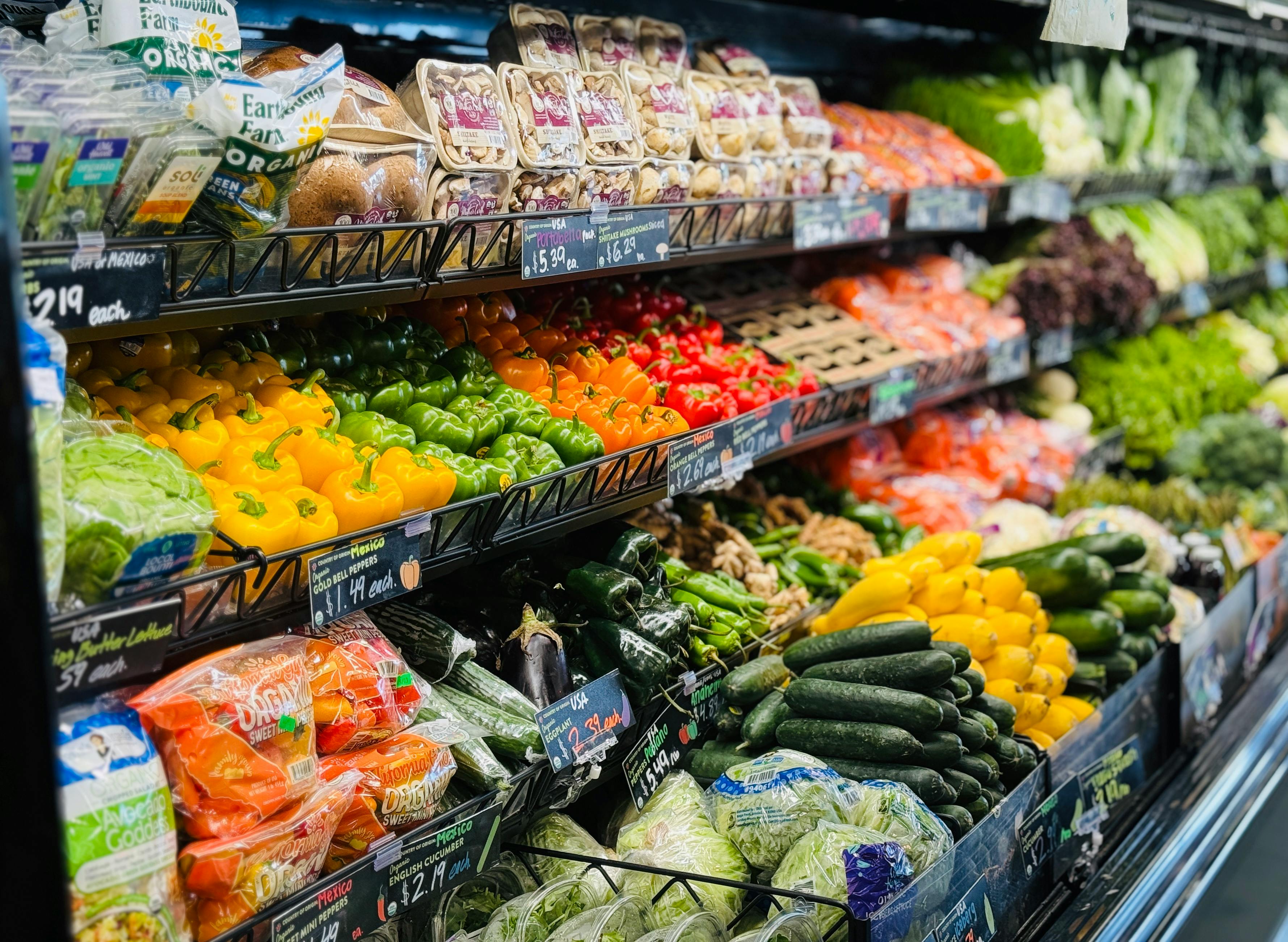
The strongest test of this strategy will not be the headline dollar amount. It will be whether Canadians notice more competition on shelves, better access in underserved communities and fewer sharp swings in produce prices. Real success means the food system becomes more resilient and more fair at the same time.
There are reasons to think some pieces could work. Expanding food terminals can strengthen independent retailers. Greenhouse investment can reduce import dependence. Better competition enforcement can discourage anti-competitive behaviour. Each piece addresses a known weakness rather than treating food inflation as a mystery.
But execution will decide everything. Building infrastructure, modernizing processors and policing retail power all take years, political discipline and coordination with provinces, producers and municipalities. Ottawa has finally laid out a serious plan to fix parts of Canada's food system. Now it has to prove that the promised money can change what happens at the cash register.




Leave a Reply