
Canada already grows enormous volumes of high-quality crops. The bigger opportunity now may be keeping more of that value inside the country.
Why the report matters now

The new analysis from EY, released by Protein Industries Canada, argues that a relatively modest shift in strategy could have an outsized economic effect. If Canada redirected just 10 per cent of its raw crop exports into domestic value-added processing, the country could add $5.4 billion to GDP.
That same shift could also generate $7.9 billion in additional food manufacturing output. For a country that already has a strong agricultural base, the finding suggests the next stage of growth may not come from producing more crops, but from doing more with the crops already being grown.
The timing is important because Ottawa has been putting greater emphasis on domestic food-processing capacity through its National Food Security Strategy. That policy direction reflects a broader concern about supply chain resilience, food sovereignty, and the risks of depending too heavily on foreign processing systems.
What Canada is leaving on the table

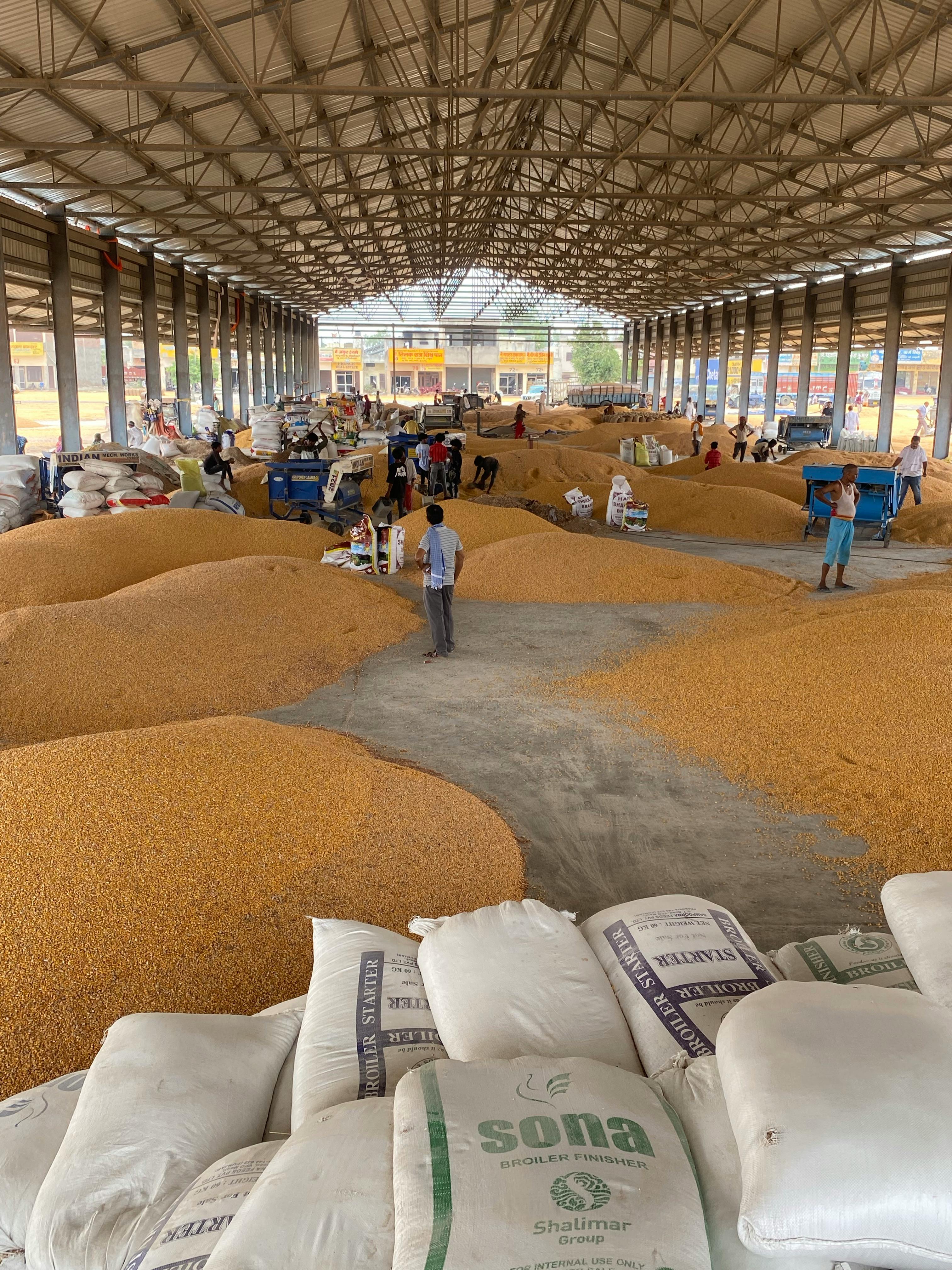
Canada is a major producer of wheat, canola, and corn, yet a large share of those crops leaves the country before any significant processing takes place. When that happens, much of the higher-margin activity tied to refining, ingredient manufacturing, packaging, and branded food production happens somewhere else.
That gap matters because processing is where much of agriculture's economic value is created. A bushel of grain sold as a raw commodity brings one level of return, but that same crop turned into protein ingredients, food oils, starches, or packaged foods can support far more revenue across the supply chain.
According to the report, moving even a fraction of exports into domestic plants could unlock new growth without requiring a complete overhaul of Canada's farm economy. It is a case for capturing more value from existing strengths rather than starting from scratch.
The jobs and revenue potential
One of the report's most striking findings is employment. EY estimates that this 10 per cent shift could support about 34,000 full-time-equivalent jobs, spread across processing facilities, transportation networks, equipment supply, warehousing, and other related industries.
Those jobs would not be limited to one province or one type of worker. Large-scale crop processing pulls in engineers, food scientists, plant operators, maintenance teams, logistics specialists, and export managers, creating a broad employment footprint that reaches both rural and urban economies.
There is also a public finance angle. The analysis says the expansion could generate up to $1.1 billion in government revenue, giving policymakers a concrete fiscal reason to support investment in domestic manufacturing capacity alongside the broader economic development case.
Why this fits Canada's broader economy

Canada is not trying to build this opportunity on a weak foundation. In 2024, the country's agriculture and food sector contributed $149.2 billion to GDP and supported about 2.3 million jobs, showing that farming and food are already central pillars of the national economy.
What the new report suggests is that Canada can deepen that contribution by advancing from commodity strength to manufacturing strength. Tyler Groeneveld, chief executive officer of Protein Industries Canada, framed it as the natural next step for an agricultural powerhouse that already supplies global markets with top-tier crops.
There is also a nation-building argument behind the idea. The Prairies produce much of the raw crop supply, while capital, research, processing technology, and advanced manufacturing expertise are distributed across the country, making this the kind of industrial expansion that can connect regions rather than concentrate gains in one place.
The global market is getting bigger

The opportunity is not only domestic. EY projects the global ingredient-processing market could grow from US$436 billion in 2025 to US$801.9 billion by 2040, a massive expansion driven by demand for plant-based ingredients, food innovation, and more specialized crop-derived products.
Within that market, Canada could potentially account for about US$42.1 billion. That figure matters because it suggests the country is not simply trying to replace imports or process crops for local shelves, but compete in a global market where value-added food and ingredient manufacturing is becoming increasingly important.
This is especially relevant for crops like canola and pulses, where processing can open access to fast-growing segments such as protein concentrates, functional ingredients, and specialized oils. Countries that build processing capacity early are often better positioned to secure long-term export relationships.
What has to happen next

The report's upside will not materialize automatically. Protein Industries Canada says achieving it will require coordinated investment in plants, equipment, transportation links, and storage infrastructure, along with regulatory modernization that makes it easier for projects to move from concept to construction.
Program coordination also matters. When federal and provincial initiatives overlap poorly or move too slowly, investment can stall, especially in sectors where companies must make long-term decisions about capital-intensive facilities and global market positioning.
Market access will be another deciding factor. If Canada wants to process more at home, it must ensure those higher-value products can move efficiently into domestic and international markets. The central message of the report is clear: Canada already has the crops, and now it has a compelling economic case to keep more of their value at home.




Leave a Reply