
Canada grows an enormous amount of food. But too often, the biggest value is added somewhere else.
A farm powerhouse with a processing gap

Canada ranks among the world's top exporters of canola, wheat, pulses, pork, and seafood. Prairie provinces ship vast volumes of grain and oilseeds, while Atlantic fisheries and central Canadian livestock operations supply both domestic and global markets.
Yet producing food and processing food are not the same business. A country can be excellent at growing crops and raising animals, then still rely on foreign plants to turn those raw ingredients into refined oils, packaged meals, ingredients, or specialty products.
That is the core tension in Canada's food economy. Farmers, fishers, and ranchers generate large volumes, but a meaningful share of those outputs crosses the border or goes overseas before the most profitable transformation happens.
Why raw exports make economic sense

At first glance, it seems obvious that Canada should process much more at home. In practice, companies follow margins, scale, and logistics, and those factors often favor shipping raw or semi-processed products to larger foreign facilities.
The United States is a major reason. Its massive consumer market, dense transport networks, and huge processing clusters make it efficient to bring in Canadian cattle, hogs, grains, and oilseeds, then convert them into food ingredients and branded products closer to end buyers.
There is also the issue of scale. Some specialized facilities, whether for crushing, refining, freezing, or ingredient manufacturing, need extremely high throughput to stay competitive. In many categories, Canada's population is simply too small to support the same concentration of plants found in larger markets.
Canola is a clear example of the tradeoff

Canola tells the story better than almost any other crop. Canada developed it, grows it at world-leading scale, and exports it in several forms, including seed, oil, and meal.
When canola seed leaves the country uncrushed, Canada captures less of the value chain than it would if the seed were processed domestically into cooking oil, animal feed, renewable fuel inputs, or food ingredients. That lost step matters because processing creates industrial jobs and secondary business activity.
Recent investment has started to shift this picture. New crushing projects in the Prairies have been backed by demand for edible oils and biofuel feedstocks, suggesting that when policy, market demand, and infrastructure align, more value-added activity can stay in Canada.
Meat, seafood, and produce face similar pressures
The same pattern appears in livestock. Canada has a strong cattle and hog sector, but live animals and primary cuts often move into American systems with deeper packing, portioning, branding, and prepared-food capacity.
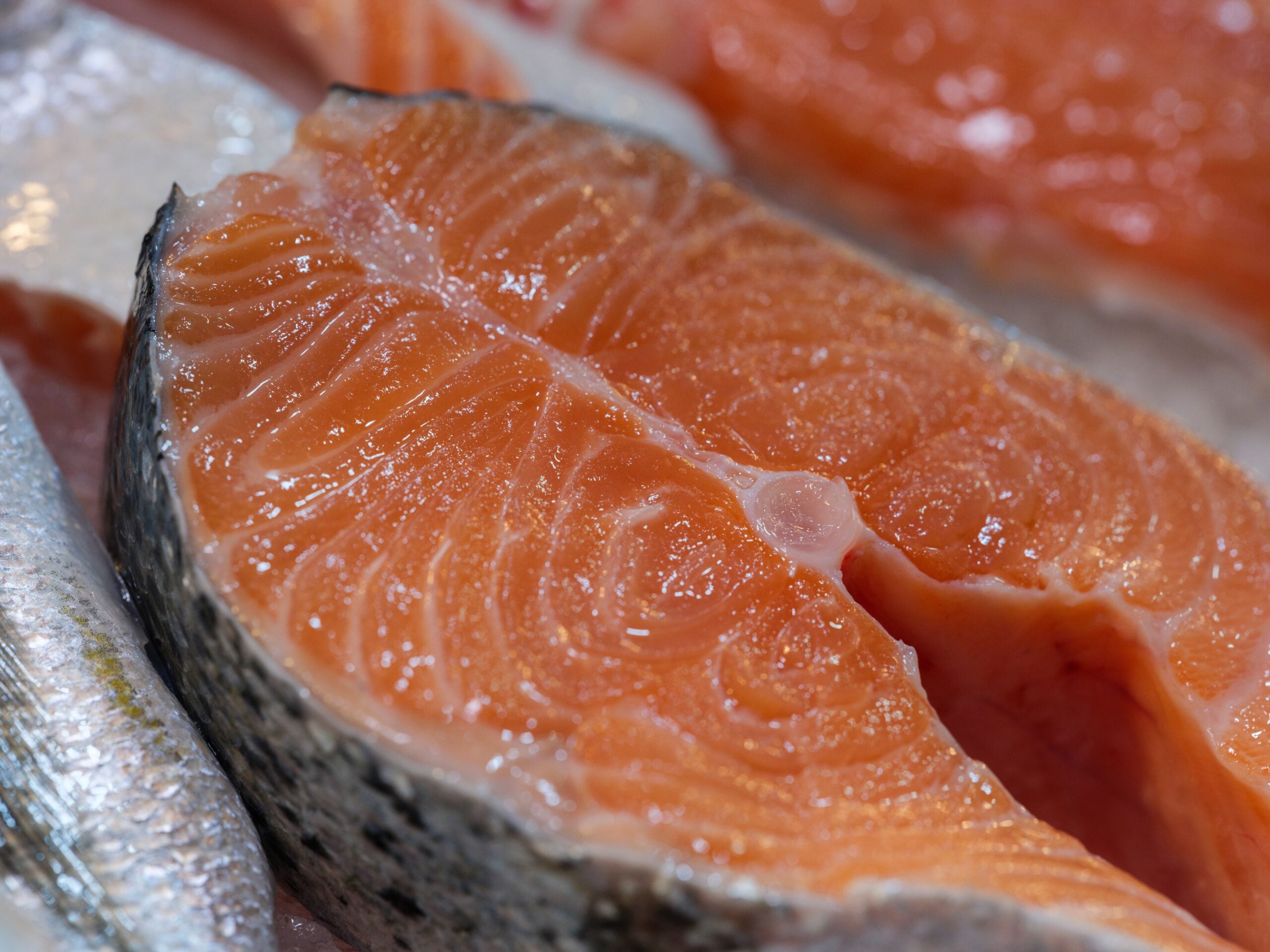
Seafood offers another example. Atlantic Canada lands premium lobster, crab, scallops, and other species, yet processing capacity can be seasonal, fragmented, and expensive. As a result, some products are exported quickly for further handling, packaging, or distribution elsewhere.
Fruit and vegetables face a different obstacle: perishability. Without enough nearby freezing, canning, storage, and packaging facilities, fresh produce must move fast. That urgency can push growers toward export channels even when domestic processing would, in theory, deliver more value.
What Canada loses when processing happens abroad

The most obvious loss is economic value. Processing raises the worth of raw commodities by converting them into products consumers actually buy, from pasta sauce and frozen dinners to protein ingredients and bottled oils.
There is also a jobs effect. Food manufacturing supports technicians, machine operators, quality-control teams, logistics workers, marketers, and engineers. When processing happens abroad, those payrolls, tax revenues, and supplier networks grow somewhere else.
Food security is another concern. The pandemic exposed how concentrated processing systems can disrupt supply when plants close or borders tighten. A stronger domestic processing base does not eliminate risk, but it can make the food system more resilient and less dependent on foreign bottlenecks.
What it would take to keep more value at home

The solution is not to stop exporting raw food. Canada will always be a trading nation, and global demand for its crops, meat, and seafood is a major strength. The real question is where targeted expansion makes strategic sense.
That means investing in regional processing plants, cold storage, rail access, port efficiency, and reliable energy. It also means addressing labor shortages, speeding approvals, and encouraging capital investment in sectors where Canada already has raw-material advantages.
Just as important, processors need stable demand. Public policy, private investment, and long-term procurement can help create that confidence. If Canada wants to keep more of the value from the food it already produces so well, building domestic processing capacity is one of the clearest places to start.




Leave a Reply