
Some meals feed a family. Others hold together an era.
For many Canadians now over 60, the classic Friday night meal was fish and chips made at home or brought in hot from a neighbourhood shop, wrapped in paper, salty, filling, and deeply routine.
Why Friday night belonged to fish
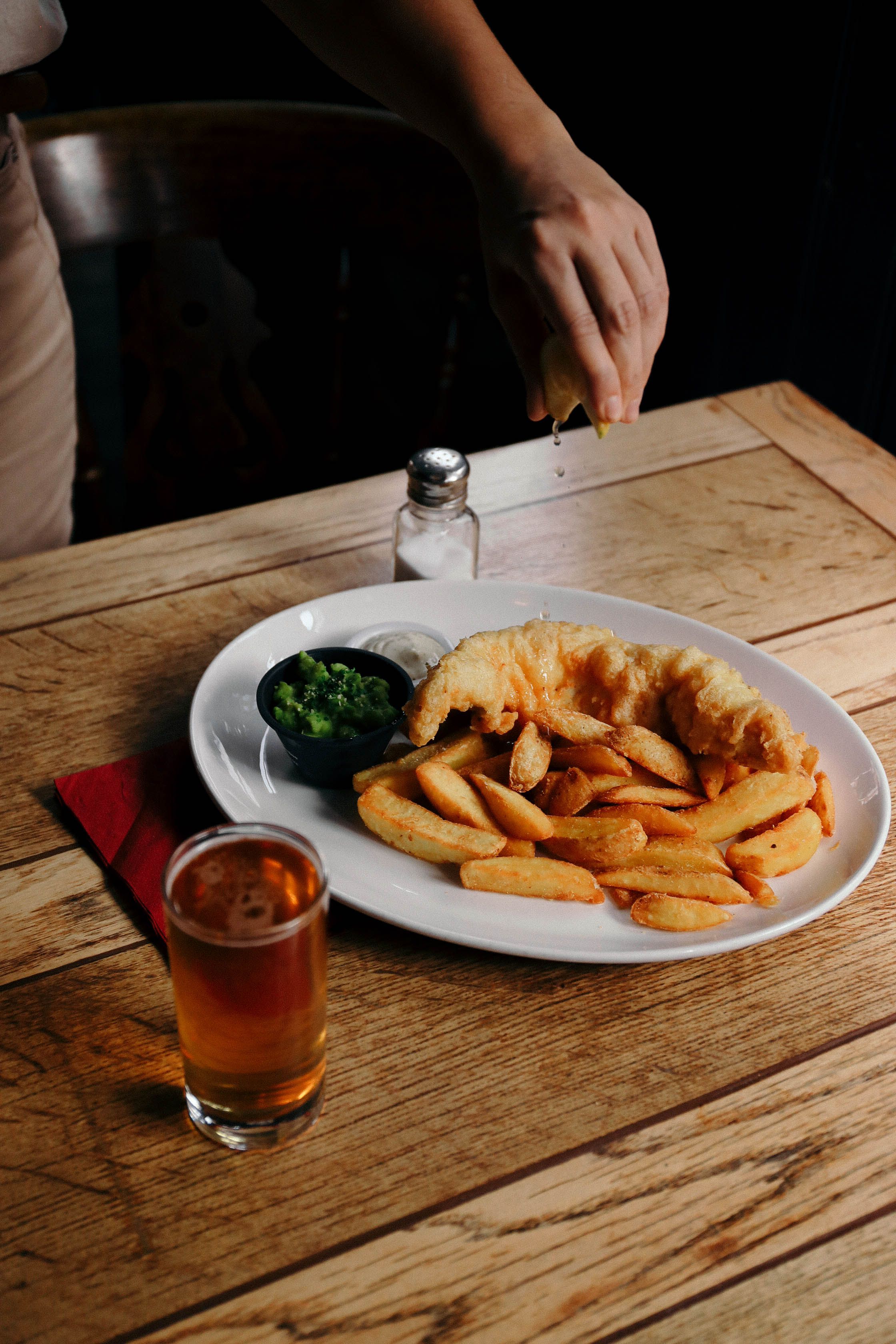
Friday fish was not just a preference. It was part habit, part religion, and part practicality, especially in households shaped by Catholic teaching that discouraged meat on Fridays. Across English and French Canada alike, this custom influenced supper menus for decades and gave fish a weekly place that few other meals enjoyed.
The timing also mattered. By Friday, many working families wanted something simple after a full week of labour, school, and errands. Fish cooked quickly, potatoes stretched the meal, and the ingredients were familiar. In industrial towns, fishing communities, and prairie cities far from the coast, the meal still felt attainable.
Statistics from the mid-20th century show seafood consumption rising during periods when frozen food distribution improved. That mattered in Canada, where geography often determined what families could buy. Once frozen cod, haddock, and halibut became easier to transport, Friday fish suppers became more standardized from St. John's to Windsor.
The version people actually remember
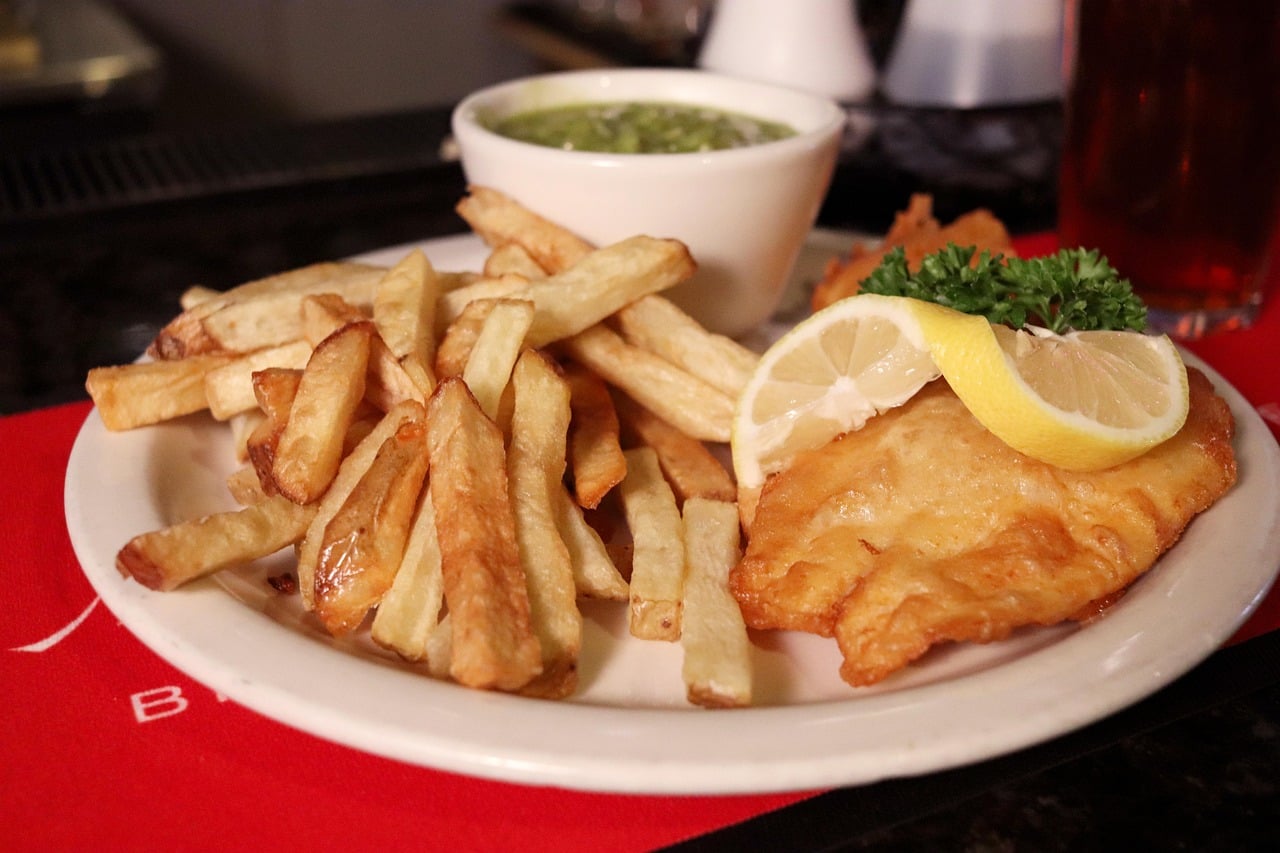
What older Canadians recall is usually not a restaurant-style platter with artisan batter. It was a straightforward meal: white fish, a flour or crumb coating, pan-fried or deep-fried, and served with thick-cut potatoes. Many families added canned peas, coleslaw, or sliced bread with butter to make the table feel complete.
In some homes, the fish came from a box in the freezer. In others, it came from the local fishmonger, church hall, Legion, or corner takeaway. Newspaper wrapping, vinegar sprinkled over chips, and the smell of hot oil are recurring details in oral histories and community memory projects focused on postwar Canadian life.
Regional differences gave the meal texture. In Atlantic Canada, cod was common and emotionally loaded because it was tied to livelihoods as well as diet. In Ontario and the Prairies, haddock and pickerel appeared often, while in parts of Quebec, Friday fish could overlap with older parish traditions and casse-croûte culture.
Why it felt bigger than supper
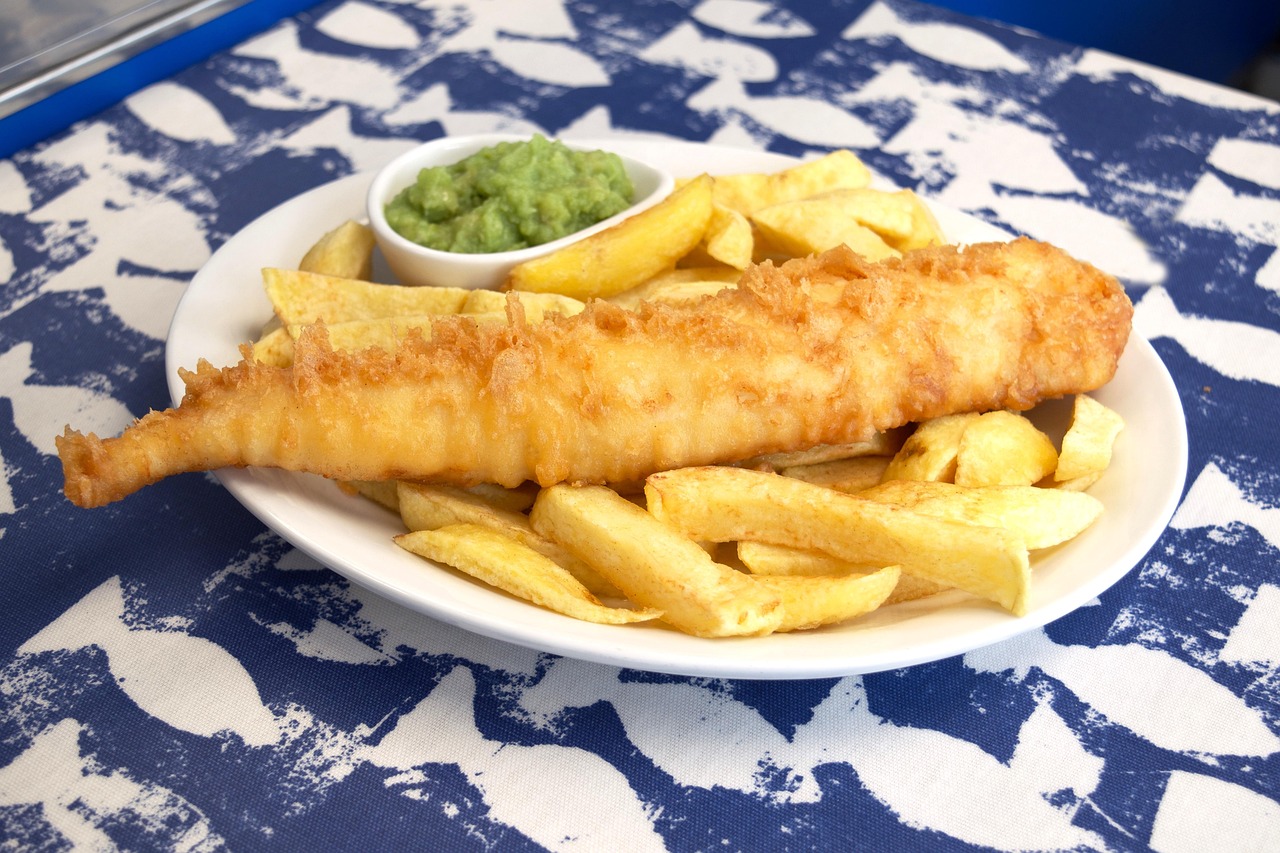
A Friday fish meal carried a social meaning that is easy to overlook today. It marked the end of the workweek, the beginning of a quieter evening, and in many homes, a sense of order. Families knew what to expect, and that predictability gave the meal an emotional weight far beyond its ingredients.
Churches, service clubs, and school communities reinforced the ritual. Parish fish fries, especially during Lent, made the meal public as well as private. Even families who were not deeply observant often followed the pattern because it was what neighbours did, what stores stocked, and what mothers and grandmothers knew how to prepare quickly.
Food historians often point out that repetition builds cultural memory. The reason this meal remains vivid is not that it was luxurious, but that it was weekly. A roast might be more celebratory, and a holiday pie more elaborate, yet Friday fish became unforgettable because it kept returning, year after year, in nearly the same form.
Why almost nobody makes it now

The biggest change is not that Canadians stopped liking fish. It is that the old structure supporting the meal weakened. Religious observance declined, work schedules became less synchronized, and family suppers stopped being as fixed as they once were. A ritual meal needs routine, and routine has become harder to protect.
There is also the matter of cost and labour. Good frying fish is expensive, home deep-frying is messy, and many people now avoid the smell, cleanup, and oil use that earlier generations simply accepted. Prepared foods, takeout variety, and health messaging around fried meals also reduced the place of traditional fish and chips in the weekly home rotation.
The fish itself changed too. Atlantic cod stocks suffered severe declines, culminating in the 1992 moratorium that reshaped public understanding of abundance and access. According to Fisheries and Oceans Canada, that collapse altered both industry and household expectation. What once felt ordinary started to feel occasional, nostalgic, or restaurant-bound.
What replaced it in Canadian homes

In many households, pizza took over Friday night because it delivered the same relief with less effort. Others shifted to pasta, rotisserie chicken, frozen convenience meals, or restaurant takeout from cuisines that became more widely available after the 1970s and 1980s. The modern Friday meal is usually about convenience first, tradition second.
Health consciousness also changed the picture. Oven-baked salmon, salad kits, grain bowls, and air-fryer meals fit current ideas about time, nutrition, and cleanup. Even when fish remains on the menu, it rarely arrives in the old format of battered fillets and hand-cut chips eaten at the family table with vinegar and white bread.
There is a deeper shift beneath the menu. The old Friday fish supper belonged to a Canada with more uniform habits, stronger parish influence, and more shared weekly rhythms. Today's households are more diverse in culture and taste, which enriches the table, but also means fewer meals are remembered almost nationally.
Why the memory still matters
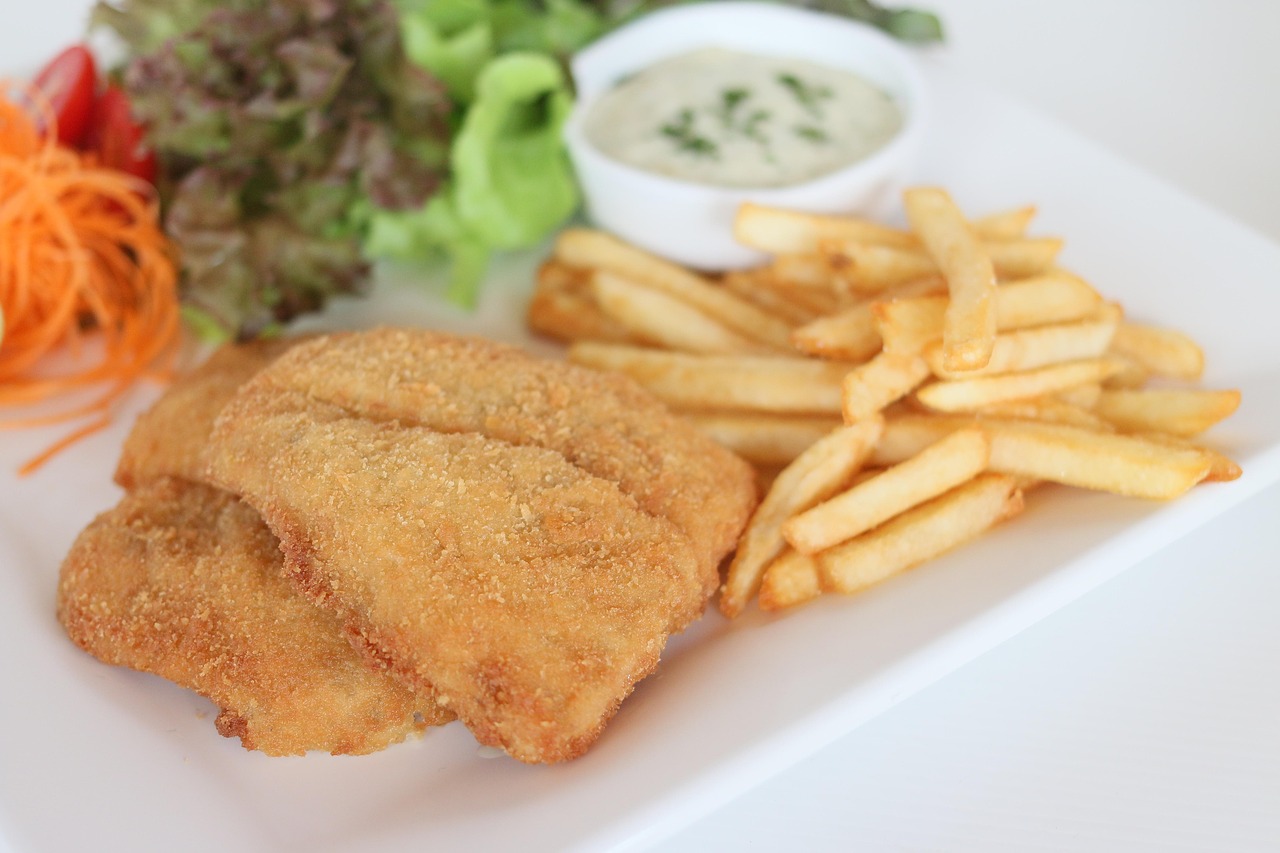
Nostalgia alone does not explain the staying power of this meal. People remember it because it represented reliability, modest pleasure, and a version of Canadian domestic life built around common rhythms. In interviews collected by local museums and seniors' groups, food memories often return to ordinary meals because ordinary meals reveal how people actually lived.
Fish and chips on a Friday night also tells a larger story about Canada itself. It connects faith, immigration, fisheries, frozen-food technology, wage labour, and neighbourhood commerce in one plate. Few dishes show as clearly how a country's economic and cultural systems can shape something as intimate as supper.
That is why nobody has to make it anymore for it to remain important. The meal survives in memory because it stood at the crossroads of home, habit, and history. For Canadians over 60, Friday night fish was never just dinner. It was the week ending in a way that felt complete.




Leave a Reply