
A quiet trade decision could soon show up in a very visible place: your grocery bill.
Canada has moved ahead with a new import measure on canned vegetables, and the effects may be felt in pantry staples many households buy every week.
Canada's latest move is more than a routine tariff change

On June 19, 2026, the federal government imposed a 10 percent provisional safeguard surtax on a range of imported canned vegetables. According to the Department of Finance, the measure took effect immediately and applies to the landed value of covered goods entering Canada.
This is not a blanket tax on every can from every country. The surtax is aimed at imports the government believes have surged in a way that threatens domestic growers and processors. Officials have framed it as a temporary protective step while a broader investigation continues.
Finance Minister Francois-Philippe Champagne said the action was intended to shield Canadian producers from trade-diverted imports. In plain terms, Canada believes low-priced foreign supply has been arriving fast enough to put meaningful pressure on local processors.
The products affected are everyday items many shoppers rely on

The covered list includes canned corn, peas, green beans, wax beans, mixed vegetables, white beans, black beans, red beans, pinto beans, and chickpeas. These are not niche products. They are standard pantry items used in soups, salads, casseroles, side dishes, and budget meals.
That matters because canned vegetables are often chosen for convenience, shelf life, and affordability. For students, seniors, and families trying to manage food costs, these products are often dependable staples rather than occasional purchases.
The surtax applies at the border, but importers and retailers may pass at least some of that added cost through the supply chain. That does not mean every shelf price will jump immediately, but private-label and imported store brands could face the most noticeable pressure.
The exemptions are crucial, and they make the story more complicated
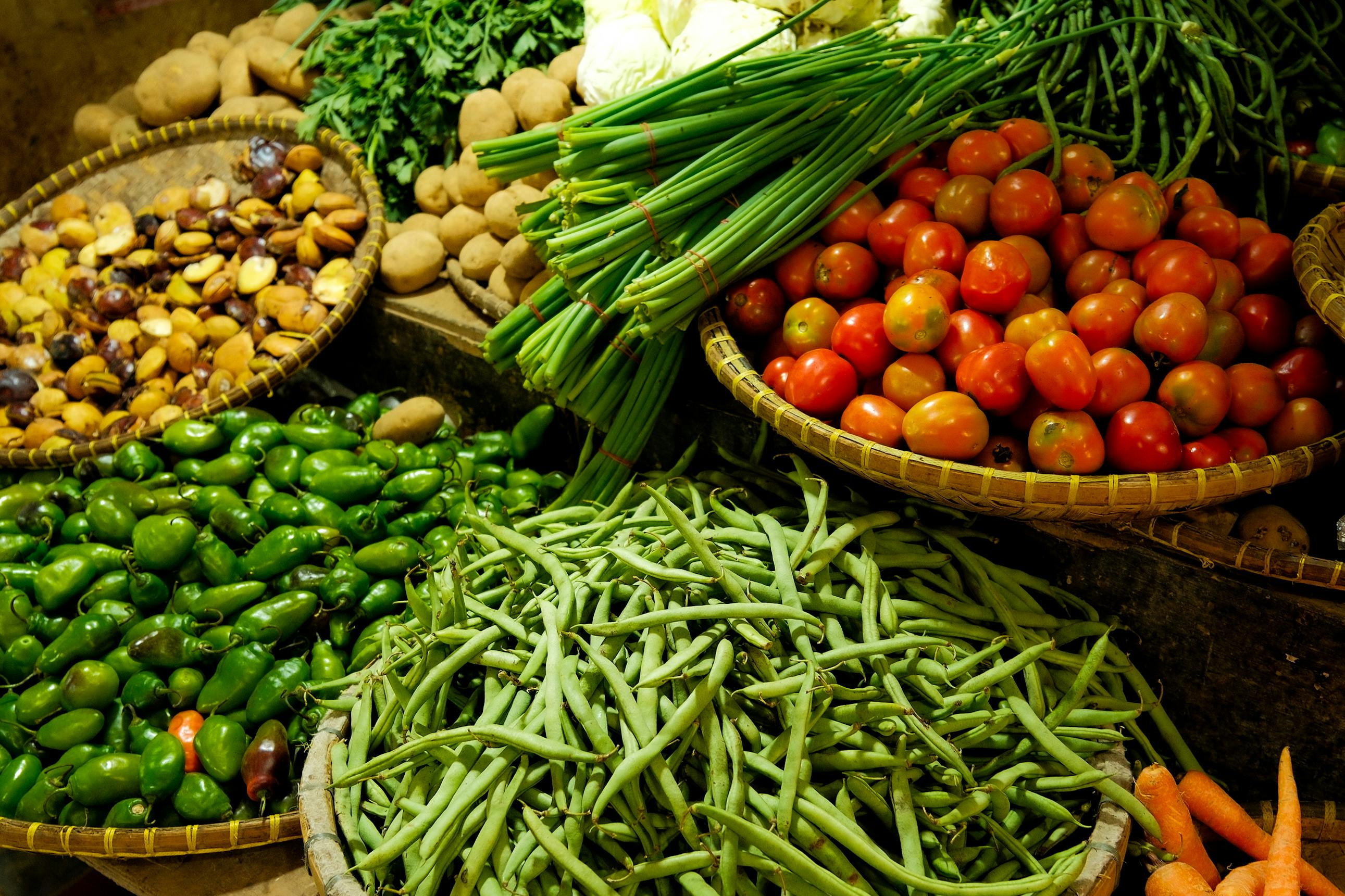
Headlines describing a global canned vegetable tariff can be misleading. Canada has exempted imports from the United States, Mexico, Israel, Chile, and developing countries under its trade rules, meaning many foreign suppliers are untouched by the surtax.
As a result, the burden falls more heavily on exporters outside those categories, including some suppliers in the European Union and parts of Asia. That narrower design could limit the overall impact, but it also reshapes where retailers may choose to source their products.
For shoppers, country of origin may become more important than usual. Two nearly identical cans on the same shelf could face very different cost structures depending on where they were packed and whether that country falls under an exemption.
Why Ottawa says it acted now

This decision did not come out of nowhere. Earlier in 2026, the Canadian Association of Vegetable Growers and Processors pushed for government action, arguing that a wave of low-priced imports was destabilizing the domestic market.
The government then asked the Canadian International Trade Tribunal to launch a safeguard inquiry in March. That process examines whether a sudden rise in imports is causing, or threatening to cause, serious injury to Canadian industry under trade rules.
Import data helps explain the concern. Statistics Canada figures cited in reporting showed canned vegetable imports rising from about $21 million in May 2024 to roughly $25 million in April 2026, with especially sharp increases from Thailand, Turkey, and Peru.
What this could mean at the checkout line

The most immediate consumer question is simple: will prices rise? Testimony presented during the Tribunal's June hearing suggested that safeguard measures on canned vegetables would likely increase costs for affected imported goods.
Still, the impact may be uneven. Retailers that already source heavily from the United States or Mexico may be less exposed, while stores relying more on non-exempt suppliers could face higher costs or shift suppliers to avoid them.
There is also timing to consider. Existing inventory may soften the initial effect, and competitive pressure among grocers could limit how much is passed along. But if the surtax remains in place long enough, shoppers may start noticing higher prices on selected cans and store brands.
The September ruling is what really matters next
The provisional surtax can remain in place for up to 200 days, but the pivotal date is September 9, 2026. That is when the Canadian International Trade Tribunal is expected to deliver its findings and recommend whether a longer-term safeguard should follow.
If the Tribunal concludes Canadian producers have suffered serious injury, it could recommend extending protection through a continued surtax, a tariff-rate quota, or another remedy. The final policy decision would then rest with the federal government.
If the Tribunal reaches a negative finding, the provisional surtax would end. Until then, Canadians should view this as a temporary trade measure with potentially lasting consequences, especially if Ottawa decides protecting domestic processors outweighs the risk of pricier pantry staples.




Leave a Reply