
The numbers are stark, but the human reality is even harder to ignore. Saskatoon's food bank is now serving more people than at any point in its history, a sign of deepening pressure on households across the city.
A record that reflects rising hardship

This is not the kind of record any community wants to set. Saskatoon's food bank has reported demand at an all-time high, with local agencies describing a steady stream of households arriving for help earlier in the month and returning sooner than expected. What was once a short-term emergency support for many families is increasingly becoming a recurring necessity.
The surge is not limited to one group. Staff and partner organizations have pointed to a broad cross-section of clients, including seniors on fixed incomes, newcomers, students, single adults, and families with children. Working people are also showing up in greater numbers, underscoring a trend seen in many Canadian cities where employment no longer guarantees food security.
Behind those visits is a simple math problem. Wages and benefits have not kept pace with rent, groceries, utilities, transportation, and debt payments. When budgets are stretched past their limit, food often becomes the most flexible expense, and that pushes more people toward the food bank.
Why demand is climbing so quickly

At the heart of the increase is the cost of living. Food prices remain far above where they were a few years ago, and even when inflation cools on paper, households still feel the cumulative impact at the checkout line. Staples such as produce, dairy, meat, and pantry basics take a larger share of income, especially for larger families.
Housing costs are an equally powerful driver. In Saskatoon, as in many urban centres, rising rents leave less room for essentials once the monthly lease is paid. For tenants facing renewals, damage deposits, or utility arrears, a single unexpected bill can trigger immediate food insecurity.
Population growth is also part of the story. New arrivals, including immigrants and people relocating within Saskatchewan, can face delays in stable employment, affordable housing, or benefit access. Community agencies often see these pressures converge, creating a situation where demand for food support rises faster than charitable systems can adapt.
Who is being hit the hardest

One of the clearest shifts is the number of children affected. Food banks across Canada have repeatedly reported elevated child usage, and Saskatoon is no exception. When household budgets collapse, parents often cut their own meals first, but those sacrifices can only go so far before families seek outside help.
Another vulnerable group is workers earning modest incomes. A person may be employed full time and still fall short after rent, transit, childcare, and groceries are paid. This "working poor" reality has become one of the most important indicators of how living costs are outpacing earnings.
Indigenous households, people living with disabilities, and those navigating health challenges also face disproportionate risk. These residents are more likely to deal with unstable income, higher daily costs, and barriers to accessing services. In practical terms, that means they are often hit first and recover last when affordability worsens.
The strain on the food bank itself

A food bank can absorb spikes in demand for a while, but record volume changes the equation. More visits mean faster turnover of core items such as pasta, cereal, canned vegetables, infant supplies, and culturally appropriate foods. Keeping shelves stocked becomes harder when donations fail to rise at the same pace as need.
Cash donations matter even more in this environment. They allow organizations to buy in bulk, respond to shortages, and fill nutritional gaps that random donations cannot always cover. According to food bank operators across Canada, financial gifts often stretch further than individual grocery purchases because of wholesale buying power.
There is also a staffing and logistics burden. Higher client numbers create pressure on intake systems, warehouse operations, delivery routes, and volunteer scheduling. Even well-run organizations can feel squeezed when demand remains elevated month after month instead of easing after a seasonal or economic shock.
What this says about the broader economy

A record at the food bank is not just a charity story. It is an economic warning sign that many households are functioning without margin, meaning one rent increase, job interruption, or medical expense can destabilize an entire month. That fragility tends to persist even when headline economic indicators appear relatively healthy.
It also reveals the limits of emergency food relief. Food banks can prevent immediate hunger, but they cannot solve low wages, scarce affordable housing, inadequate disability supports, or gaps in income assistance. Experts in poverty policy have long argued that charity is essential in crisis but insufficient as a long-term substitute for structural solutions.
Seen this way, Saskatoon's record demand reflects a wider Canadian pattern. Communities are dealing with overlapping pressures from inflation, housing shortages, and social support systems that have not fully adjusted to modern costs. The food bank becomes the place where all of those pressures show up at once.
What comes next for Saskatoon
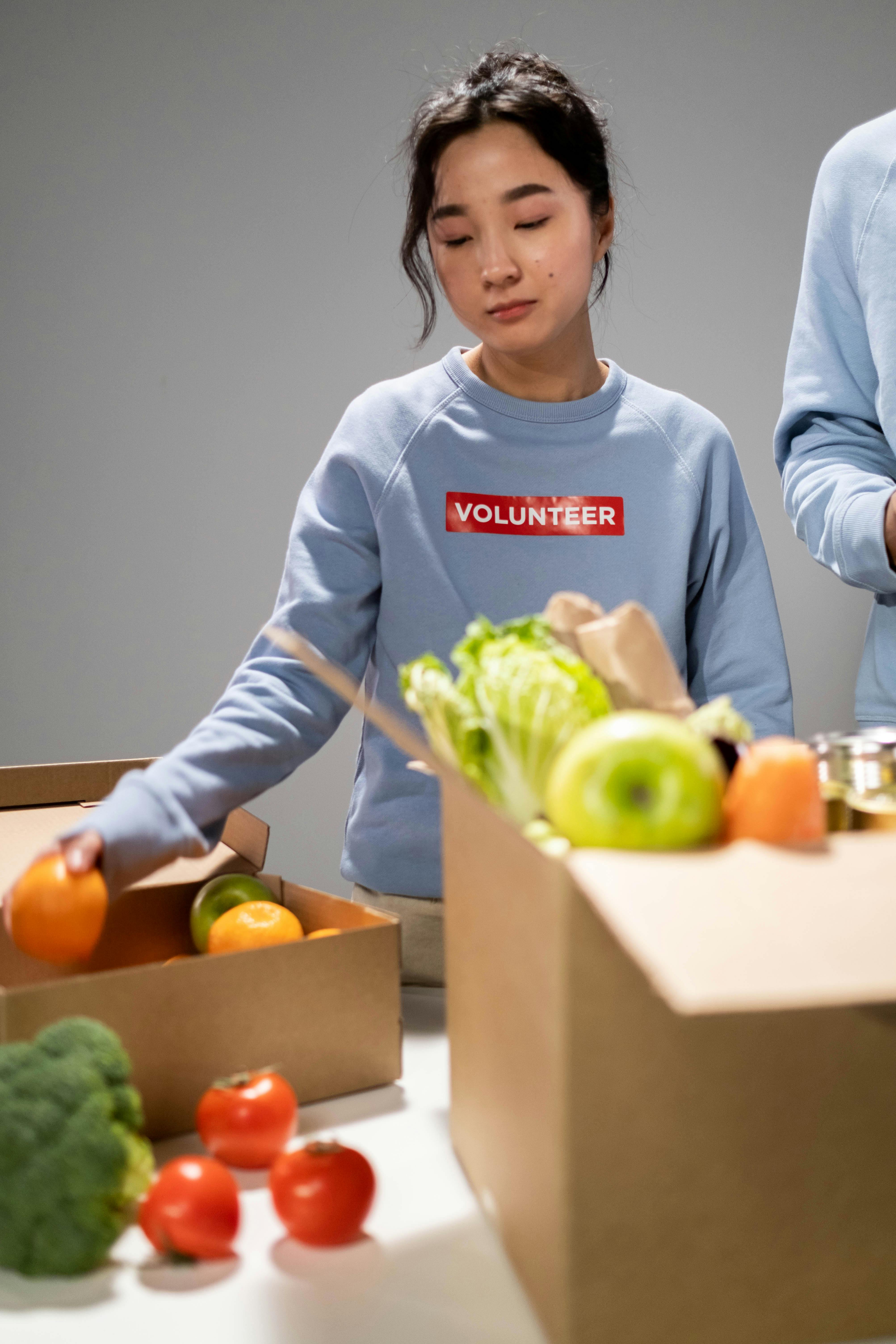
The immediate need is practical. Food banks require more donations, more volunteers, and stronger coordination with schools, shelters, health providers, and neighborhood agencies. Rapid support can reduce the chance that a temporary setback turns into chronic hunger or housing loss.
But the long-term answer lies beyond the warehouse. Policy responses that improve affordable housing supply, strengthen income supports, expand school food programs, and raise earnings at the lower end of the labour market are the measures most likely to reduce sustained demand. Without those changes, record usage may become the new normal.
For Saskatoon, this moment is both a test and a message. The test is whether the city can meet urgent need with dignity and consistency. The message is unmistakable: food insecurity is no longer a problem at the margins, but a central measure of economic stress in everyday life.




Leave a Reply