
Canadians are throwing away far too much food. It is still the single biggest category of waste leaving many homes, and much of it never needed to be wasted in the first place.
Why food waste remains so dominant

Food waste stands out because it happens in small, repeated decisions. A bag of salad left too long, yogurt tossed after a date label, and leftovers forgotten at the back of the fridge all add up quickly across millions of households.
In Canada, avoidable food waste costs families and the broader economy billions of dollars each year. Reports frequently point to homes as a major source, which means the problem is not limited to farms, grocery stores, or restaurants. It is embedded in daily routines.
What makes food waste especially damaging is that it wastes more than food itself. It also wastes the water, energy, labour, packaging, and transportation used to produce and deliver that food in the first place.
The costly confusion around best before dates

One of the clearest drivers is misunderstanding date labels. According to reporting by CTV News, confusion over best before dates is costing Canadians billions in avoidable food waste, largely because many people treat those labels as strict safety deadlines.
In reality, a best before date usually speaks to peak freshness and quality, not whether a product becomes unsafe the next day. That distinction is widely misunderstood. Foods are often discarded while they are still perfectly usable, simply because the printed date has passed.
This confusion is easy to see with items like bread, cereal, yogurt, and packaged foods. Many can still be eaten safely if they have been stored properly and show no signs of spoilage. Smell, texture, appearance, and storage history matter more than many shoppers realize.
Household habits are a bigger issue than many think

The average kitchen creates waste through good intentions gone wrong. People buy produce hoping to cook healthier meals, stock up during sales, or purchase bulk sizes to save money, only to find that time, appetite, or plans change.
Portioning is another overlooked factor. Large home-cooked meals can be economical, but only if leftovers are eaten. When containers go unlabeled or are buried in crowded fridges, they become easy to forget and eventually end up in the garbage.
Busy schedules also play a role. A household may order takeout unexpectedly, eat out with friends, or leave town for a weekend. The groceries already purchased then sit unused, showing how quickly modern life can turn a full fridge into wasted money.
Why this matters beyond the kitchen bin
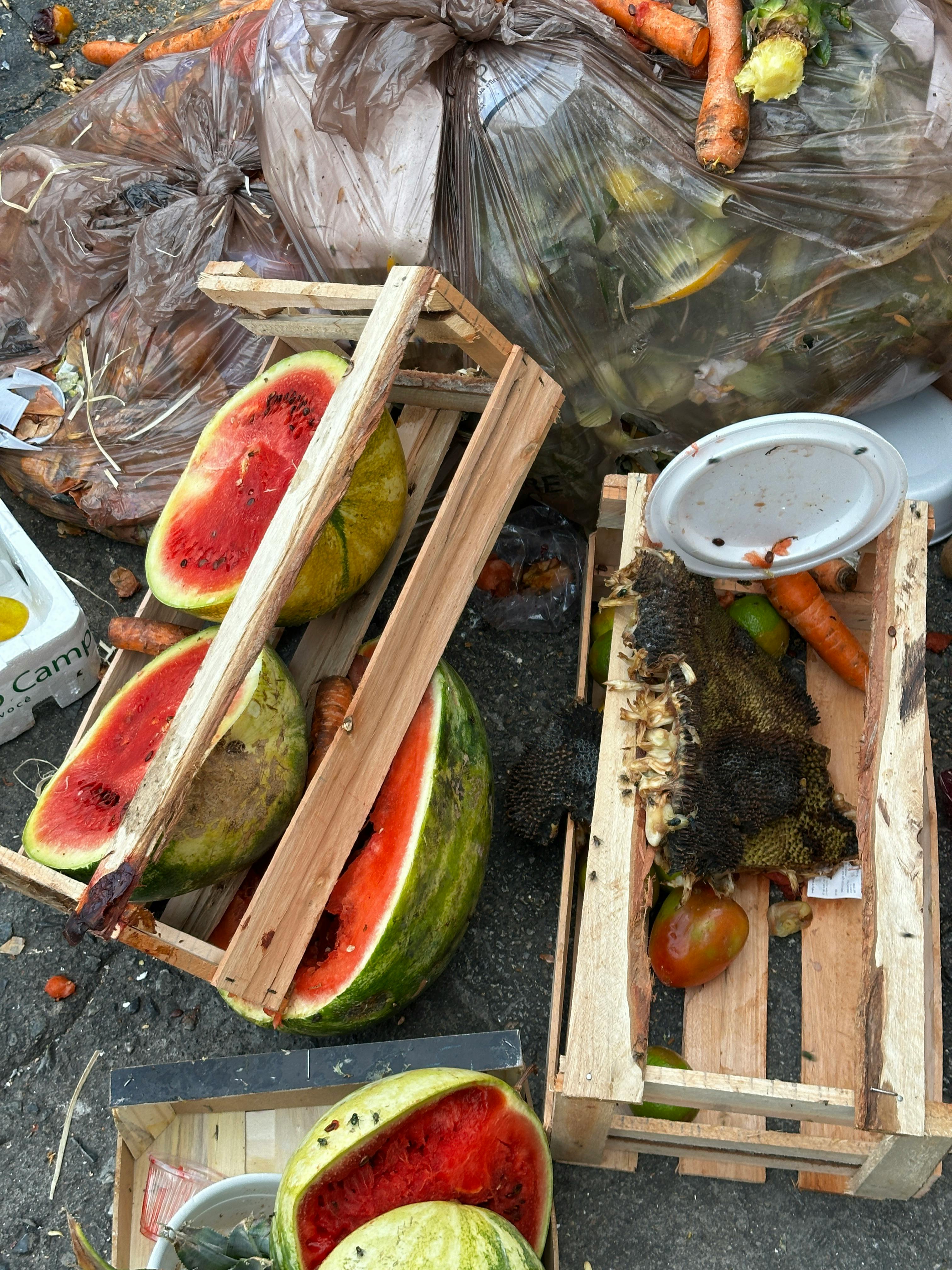
Food waste is not just a budgeting issue. Once discarded, food often ends up in landfills where it breaks down and produces methane, a greenhouse gas far more potent than carbon dioxide over the short term.
That means wasted food has a climate footprint at two stages. First, emissions are created to grow, process, refrigerate, and transport it. Then more emissions can result when the food is thrown away instead of eaten or composted properly.
Municipalities also bear the burden. Collecting, transporting, and processing waste costs money, and those costs are ultimately shared by residents. Reducing household food waste can therefore support both environmental goals and more efficient local waste systems.
Simple changes can prevent a surprising amount of waste

The most effective fix is often better planning. Writing a realistic shopping list, checking the fridge before buying more, and choosing smaller quantities of highly perishable items can dramatically reduce spoilage at home.
Storage knowledge matters too. Herbs can last longer when kept properly, leftovers should be visible and dated, and certain fruits and vegetables keep better when separated. Freezers are also underused tools for extending the life of bread, meat, soups, and cooked meals.
A helpful mindset shift is to treat food like money, because that is exactly what it is. A chicken breast, a carton of milk, or a container of berries tossed in the bin is not just waste. It is lost household spending.
A national problem that can still be reduced

Canada's food waste problem is large, but it is not fixed in place. Public education around date labels, clearer packaging language, and stronger awareness about food storage could make a measurable difference in how much households discard.
Retailers and governments also have roles to play. Smaller package options, smarter promotions, and consistent messaging about best before dates would help consumers make better choices without feeling they are taking risks with food safety.
For households, the path forward is practical rather than complicated. Buy with intention, store food properly, trust evidence of spoilage over label confusion, and use what you have. If more Canadians did that consistently, the country's biggest waste stream would shrink.




Leave a Reply