
A small printed date is shaping what Canadians keep, eat, and throw away. In many kitchens, that label is costing far more than most people realize.
Why a simple date creates so much waste
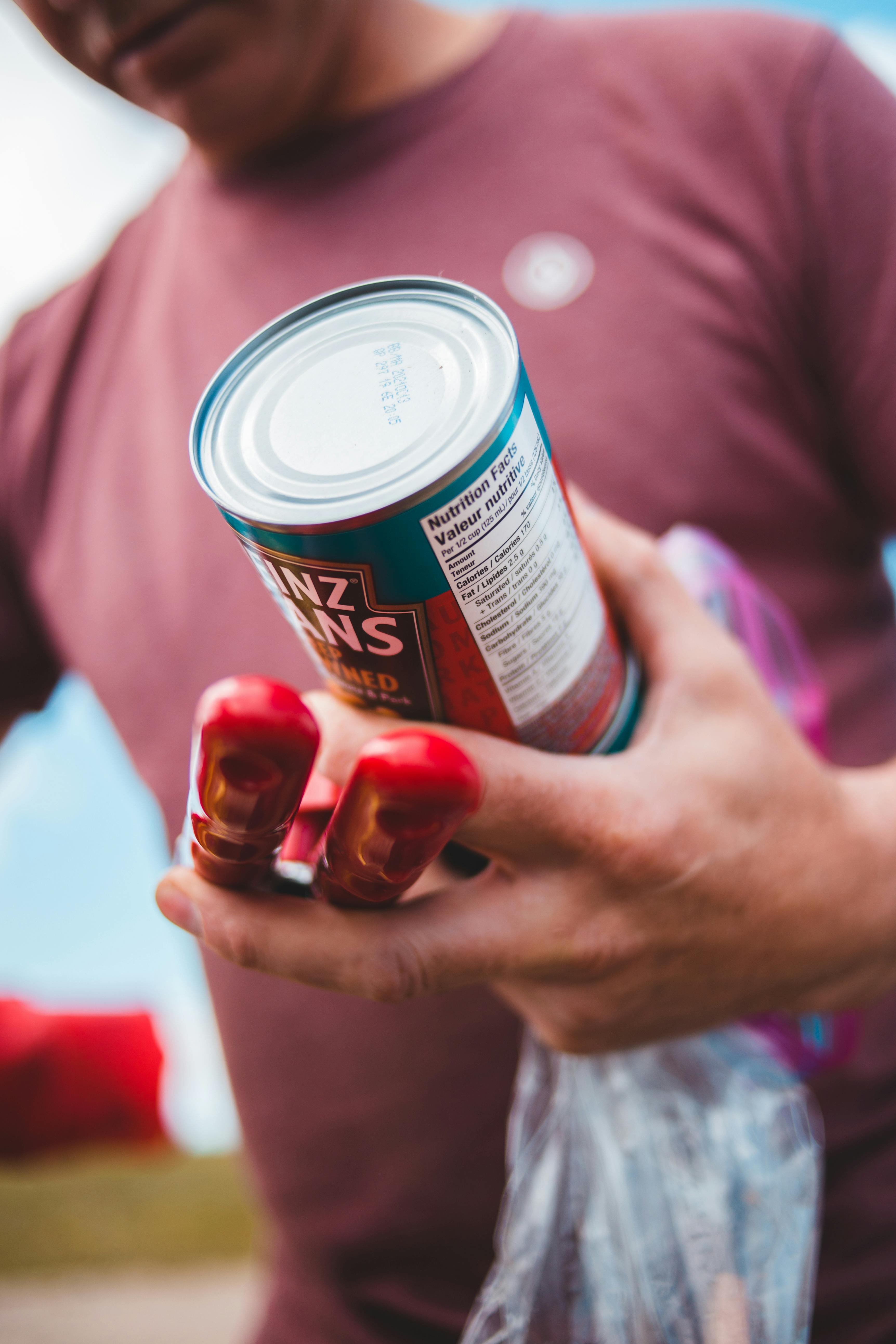
At first glance, "best before" looks like a safety warning. In practice, it usually signals quality, not danger.
In Canada, a best before date generally tells shoppers when an unopened product is expected to retain its best freshness, taste, texture, and nutritional quality. It is not the same as an expiry date, which applies to a limited group of products with strict health rules. Health authorities and food policy experts have repeated this distinction for years, yet confusion remains widespread.
That misunderstanding drives routine food disposal. Milk, yogurt, bread, cereal, canned goods, and packaged snacks are often thrown out the moment the printed date passes, even when they are still safe to eat. Studies in Canada and abroad consistently show that date labels are among the most misunderstood pieces of information on food packaging.
The cost to households is far bigger than it looks

The waste starts one item at a time, but the financial hit adds up quickly. A bagged salad, a tub of yogurt, half a loaf of bread, and leftovers pushed aside for newer groceries can quietly become a major annual loss.
Canadian households are responsible for a large share of the country's avoidable food waste. Research from Canadian organizations including Second Harvest has estimated that billions of dollars' worth of edible food is lost across the food system each year, with homes accounting for a significant portion. When families discard food based on label confusion rather than actual spoilage, they are effectively throwing grocery money straight into the bin.
This matters even more during a period of stubbornly high food prices. Consumers who are carefully watching every receipt can still lose hundreds of dollars a year by relying too heavily on printed dates instead of using sight, smell, storage knowledge, and common sense.
Retail habits and packaging also make the problem worse

The issue does not begin and end at home. Stores, suppliers, and package design all influence how consumers interpret dates.
Many shoppers have been trained to reach for the item with the farthest date, leaving perfectly good products behind. Retailers often respond by discounting near-date items or pulling them from shelves to protect sales and customer confidence. That can be commercially rational, but it reinforces the idea that food close to its best before date is somehow risky.
Packaging language does not help enough. "Best before" is clearer than many terms used internationally, yet it still fails when consumers read it as "unsafe after." Food rescue groups and waste researchers have long argued that plain-language labels, better storage guidance, and more visible education could reduce unnecessary disposal without compromising public health.
The environmental damage is easy to overlook

Food waste is not just a budgeting problem. It is also a climate and resource problem hiding in plain sight.
When edible food is discarded, the waste includes everything used to produce it: farmland, water, fertilizer, energy, labour, transportation, and refrigeration. If that food ends up in landfill, it can generate methane, a potent greenhouse gas. The environmental cost of tossing one unopened container may seem small, but multiplied across millions of households, the impact is enormous.
In Canada, this issue is especially striking because food often travels long distances and requires cold storage in a vast country. Wasting food after all those inputs have already been spent makes date-label confusion more than a consumer habit. It becomes a national efficiency problem with environmental consequences.
What Canadians can do differently right now

The good news is that reducing this waste does not require complicated changes. It starts with understanding what the label actually means.
Consumers can treat best before dates as quality guidance for unopened products, not an automatic discard deadline. Checking for signs of spoilage, storing food at proper temperatures, rotating older items to the front of the fridge, and freezing food before quality declines can all extend usefulness. For many staples, a passed date simply means the product may be less crisp or flavorful, not unsafe.
Meal planning also matters. Buying realistic quantities, cooking perishables earlier in the week, and using leftovers intentionally can cut avoidable waste. These are small habits, but they directly protect household budgets while reducing pressure on the wider food system.
What better policy and labeling could change
Clearer rules and stronger public education could make a measurable difference. Canada has an opportunity to turn a confusing label into a smarter consumer tool.
Experts have proposed simplified date language, national awareness campaigns, and more consistent separation between quality dates and true safety-based expiry labels. Some advocates also support expanding food literacy in schools and public messaging so people understand how to store, assess, and use food confidently. Even modest improvements in comprehension could prevent large volumes of edible food from being discarded.
The core problem is not that Canadians are careless. It is that many are trying to be safe and responsible with information that is too easy to misread. Fixing that confusion could save consumers money, cut emissions, and keep good food on the table.



Leave a Reply