
Canadians rarely see the full scale of food enforcement until a major sweep comes into view. June 2026 was one of those moments.
Why this CFIA action matters

What made this removal stand out was not only the volume, more than 150,000 kilograms, but the reason behind it. Mislabeled food can sound like a paperwork problem, yet in practice it can expose families to undeclared allergens, misstate ingredients, and undermine confidence in the food supply.
The Canadian Food Inspection Agency treats label accuracy as a core food safety issue. A product that lists the wrong contents, misses mandatory declarations, or uses misleading claims can trigger rapid market action even when the food itself is not visibly spoiled or contaminated.
For ordinary shoppers, the practical takeaway is simple. The label is part of the product. If it is wrong, regulators may decide the food does not belong on store shelves, because consumers rely on that information to make safe and informed decisions every day.
What "mislabeled" can actually mean
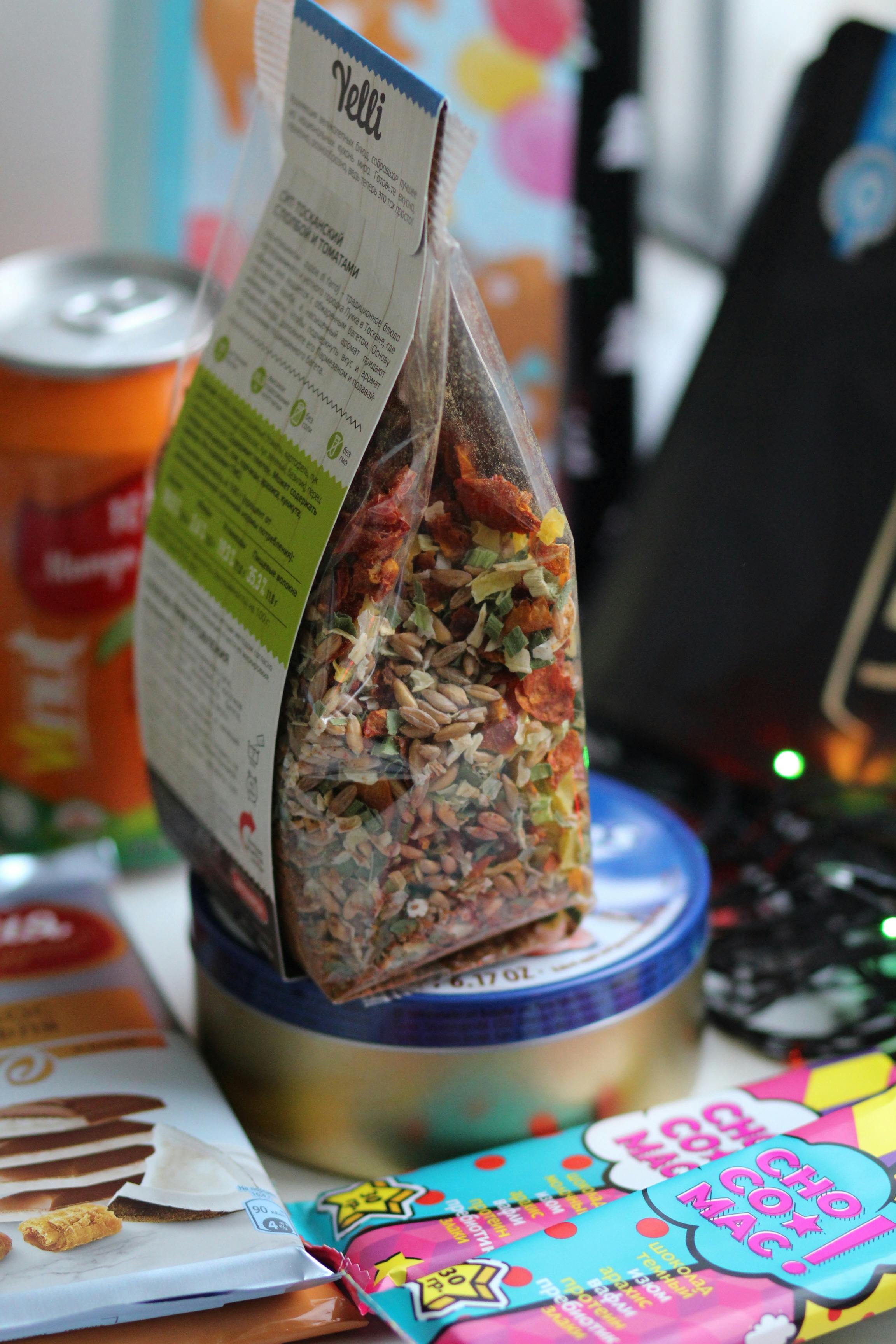
At first glance, the term sounds broad, and that is because it is. A mislabeled food may carry an undeclared allergen such as milk, soy, egg, wheat, peanuts, or tree nuts, any of which can create immediate health risks for sensitive consumers.
It can also involve inaccurate ingredient lists, missing bilingual information, incorrect net quantity statements, or false identity claims. A package sold as one species of fish, one cut of meat, or one style of imported product may in fact contain something materially different.
In more complex cases, labeling failures overlap with traceability and import compliance. If a business cannot prove exactly what a product is, where it came from, or how it should be represented to the public, CFIA can escalate from inspection findings to detention, recall, or disposal measures.
How a sweep like this likely unfolded

Large enforcement actions usually do not appear out of nowhere. They often grow from inspections, consumer complaints, importer record checks, routine sampling, and follow-up reviews where one non-compliant lot leads inspectors to examine related shipments and multiple retailers.
Once inspectors identify a pattern, the response can widen quickly. Products may be held in warehouses, removed from supermarket displays, and traced through distribution records to regional chains, independent grocers, and foodservice channels across several provinces.
The scale, more than 150,000 kilograms, suggests a supply-chain level issue rather than a single mislabeled case on one shelf. That kind of weight points to broad distribution, repeated labeling errors, or multiple affected product lines handled under one coordinated compliance action.
The biggest risks for consumers
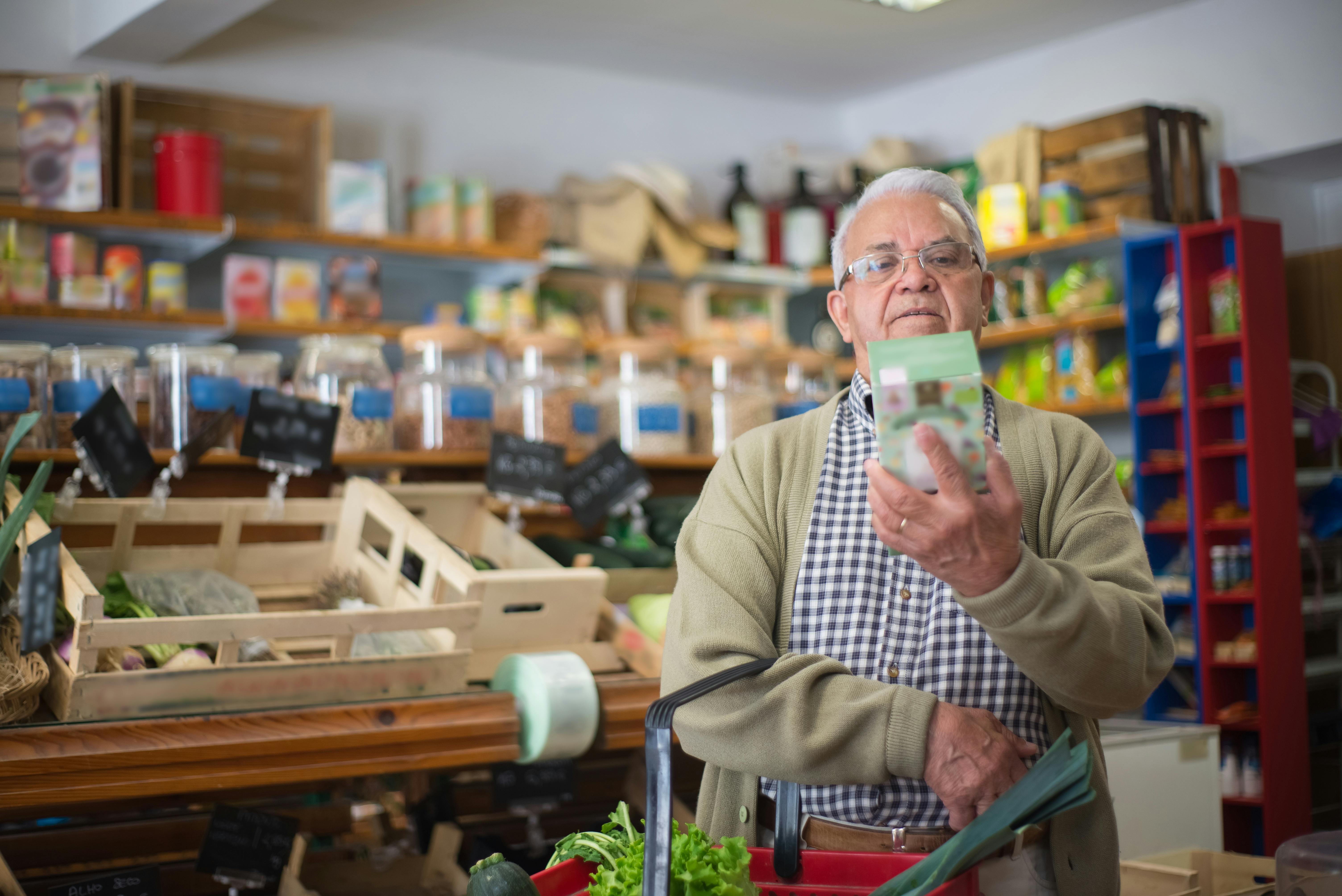
The most urgent risk in mislabeled food is allergic reaction. If a shopper buys a product that fails to disclose a major allergen, the consequences can range from hives and gastrointestinal distress to anaphylaxis, which can become life-threatening within minutes.
There is also a cultural and ethical dimension. Consumers may avoid certain foods for religious, medical, or dietary reasons, and inaccurate labels can cause real harm even when the issue is not acute toxicity. Trust is damaged when people cannot rely on basic package information.
Then there is the economic impact on households. People pay premium prices for products described as specialty, imported, species-specific, or composition-specific. When those claims are wrong, consumers are not only misled, they may be paying more for something they never intended to buy.
What this means for retailers and suppliers

For retailers, a removal on this scale is expensive and disruptive. Staff must locate affected lots, pull stock quickly, isolate inventory in back rooms, update point-of-sale systems, and manage customer questions, all while preserving records for inspectors and suppliers.
Suppliers face even tougher consequences. Beyond lost product and transport costs, they may confront investigations into preventive control plans, bilingual packaging review, supplier verification, and import documentation. If repeated errors are found, enforcement can intensify into broader compliance orders or licence-related consequences.
The wider lesson is that food labeling is no longer a last-minute packaging task. It is a compliance function tied to formulation, sourcing, translation, legal review, warehouse controls, and lot traceability. Weakness in any one of those areas can become a national shelf-removal event.
What shoppers should do next
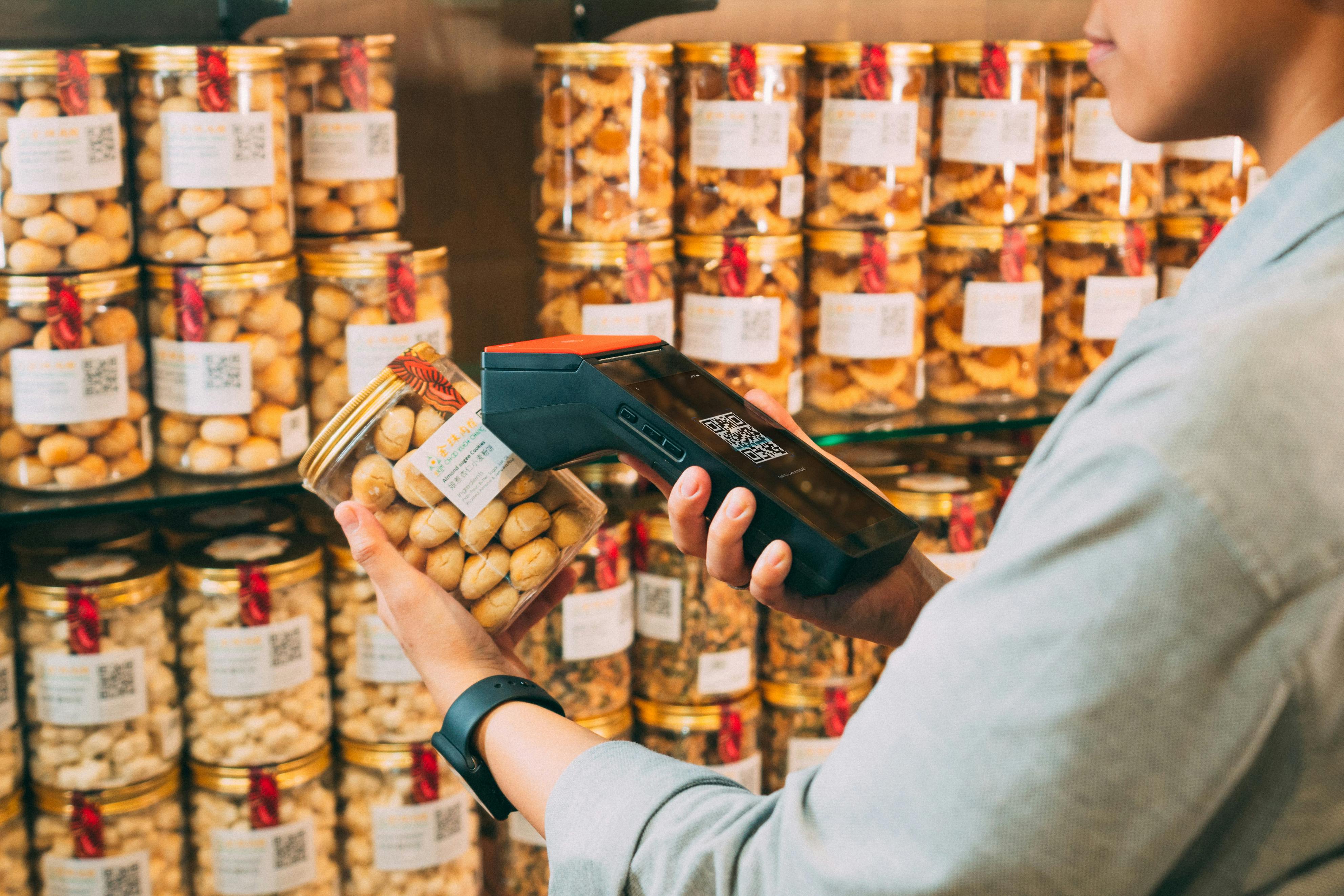
For consumers, the smartest response is calm attention, not panic. Check recent recall notices, compare lot codes if you still have packaging at home, and avoid consuming products that seem inconsistent with what the label promises, especially if allergens or specialty claims are involved.
If you become ill or suspect a serious labeling error, save the packaging and receipt if possible. That information helps investigators trace where the item was sold, whether a broader lot is affected, and how the product moved through the market.
June 2026's large CFIA action is a reminder that food safety includes honesty on the package. When regulators remove mislabeled products at this scale, they are not simply correcting a technical mistake. They are protecting the public from risks hidden in plain sight.




Leave a Reply