
Something fundamental has changed in Canadian dining rooms. The biggest story is no longer what lands on the plate, but how the entire restaurant runs behind the scenes.
Restaurants Are Becoming Operations Businesses First
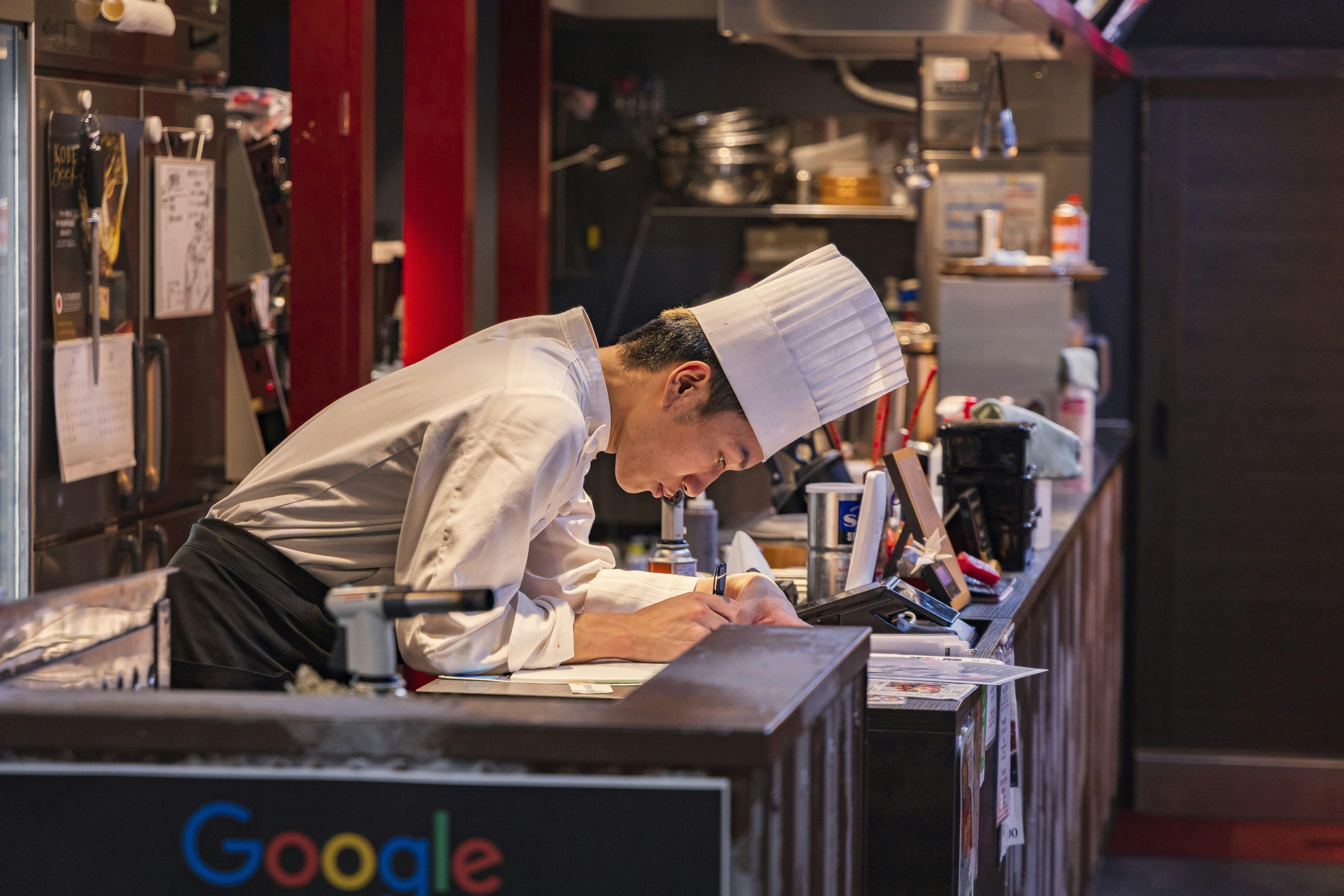
What used to define a restaurant was its cuisine, chef, or atmosphere. Today, many Canadian operators are acting more like logistics managers, data watchers, and labor planners than traditional hosts. That change has accelerated because margins were already thin before inflation, and now every hour of labor, every delivery, and every empty table carries more financial risk.
According to Restaurants Canada, foodservice businesses have faced years of intense pressure from rising food costs, rent, insurance, and wages. In that environment, owners are forced to think structurally. They are redesigning prep schedules, trimming menu complexity, and watching table turn times with the same attention once reserved for recipes.
This is why the most meaningful transformation is operational discipline. Customers may notice a QR code, a tablet, or a shorter menu, but those are only visible signs of a deeper shift toward tighter systems and more controlled execution.
Labor Shortages Have Changed the Entire Dining Experience

The most immediate force inside restaurants is the shortage of workers. Across Canada, restaurants have struggled to recruit and retain cooks, servers, dishwashers, and managers, especially after the pandemic pushed many hospitality workers into other industries with steadier schedules and benefits.
This has changed service in practical ways. Dining rooms may close earlier, sections stay unfilled, and menus shrink not because demand is weak, but because staffing is. A restaurant that cannot reliably cover a grill station or late-night shift must design its whole service model around that reality.
Operators are also rethinking who does what. Cross-training is more common, supervisors are spending more time on the floor, and technology is filling gaps once handled by people. Self-serve ordering, handheld payment devices, and simplified workflows are not just conveniences. They are responses to a labor market that has fundamentally changed.
Technology Is Moving From Add-On to Core Infrastructure
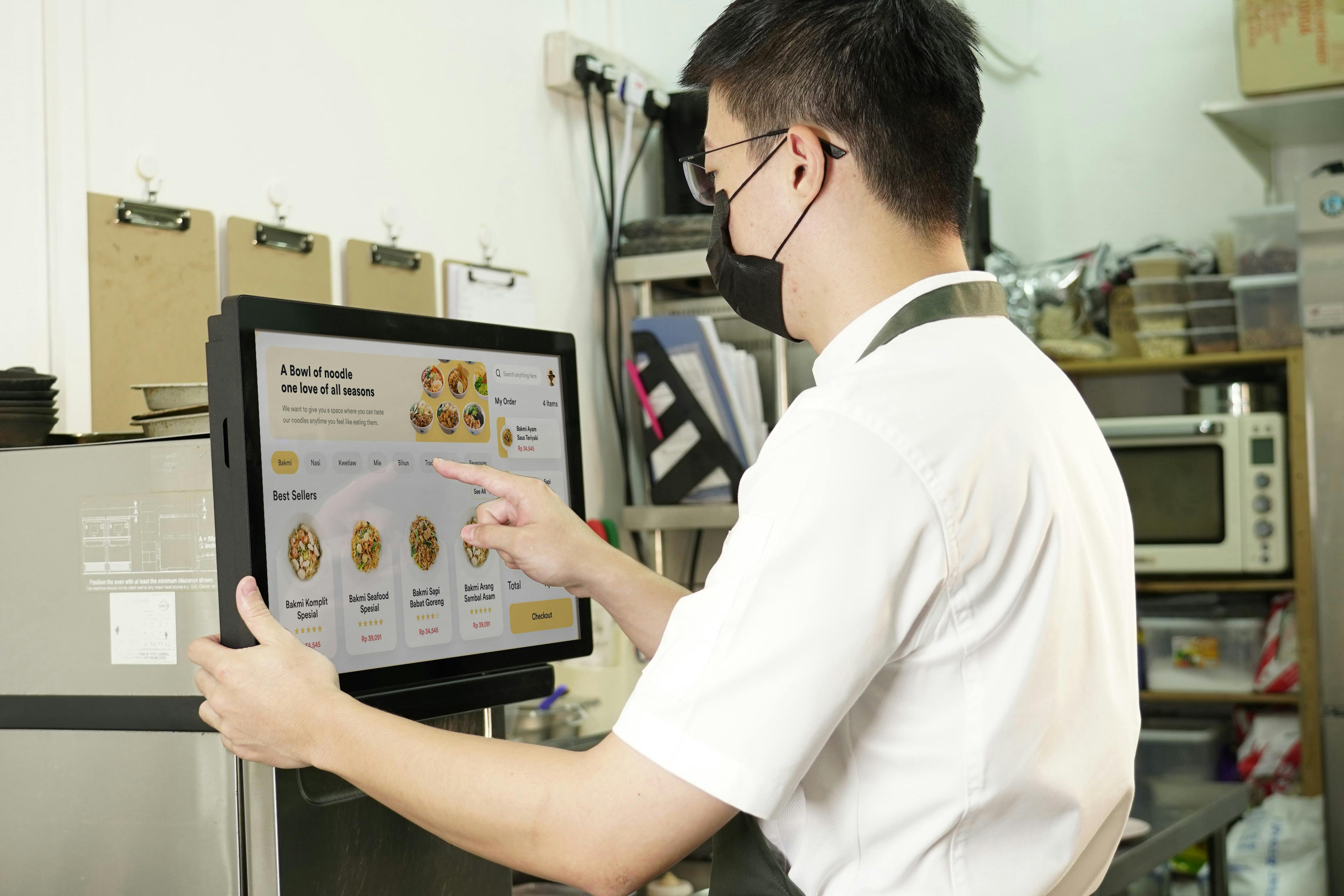
What once felt optional is now essential. Reservation platforms, digital waitlists, inventory software, payroll tools, online ordering systems, and kitchen display screens are increasingly becoming the backbone of restaurant management across Canada.
The pressure comes from both sides. Guests expect convenience, speed, and clear communication, while operators need tighter control over costs and fewer manual errors. A missed online order, poor forecasting, or slow payment process now matters more because there is less room to absorb waste.
Large chains moved first, but independents are catching up. In cities like Toronto, Vancouver, and Calgary, even neighborhood spots are investing in systems that track popular dishes, forecast staffing needs, and reduce spoilage. The restaurant floor still feels human, but the business underneath is becoming more digital and measured.
The Real Battle Is Being Fought on Costs

The menu price is only the visible part of the equation. Behind it sits a constant struggle with food inflation, higher borrowing costs, utilities, packaging, commercial rent, and wage increases that have squeezed restaurant profitability across the country.
Statistics Canada has repeatedly shown food prices rising over recent years, but operators face a more complicated version of that story. If cooking oil, dairy, meat, and imported produce all move at once, restaurants must decide whether to raise prices, shrink portions, substitute ingredients, or accept lower margins.
None of those choices is easy. Raise prices too quickly and guests pull back. Hold prices too long and the business weakens. That is why many restaurants are changing service models, reducing low-margin offerings, and engineering menus more carefully than ever before. The goal is survival through precision, not spectacle.
Customers Now Expect Flexibility, Not Just Hospitality

The modern restaurant guest wants more than good service. They want control. That means easy reservations, transparent wait times, quick bill payment, delivery access, takeout that travels well, and spaces that can serve a business lunch, family dinner, or solo weekday meal equally well.
This expectation has forced restaurants to become multi-channel businesses. A single kitchen may now support dine-in, pickup, third-party delivery, catering, and direct digital orders at the same time. Each channel has different margins, packaging needs, and staffing demands, making the operation far more complex than a traditional dining room once was.
Canadian restaurants are adapting because consumer habits are less predictable than before. Office traffic remains uneven in some downtown cores, suburban patterns are stronger, and younger diners often prioritize convenience as much as ambience. The winning restaurants are the ones built to flex with those shifts.
The Future of Restaurants in Canada Will Be Built Behind the Scenes

The next era of restaurant success will depend less on trend-chasing dishes and more on resilient systems. That includes better staff retention, smarter purchasing, stronger digital tools, and clearer operating models that can withstand swings in costs and customer traffic.
There are still great chefs, memorable meals, and ambitious openings across Canada. But the restaurants most likely to thrive are those that understand hospitality now rests on invisible infrastructure. Smooth service today often comes from scheduling software, disciplined inventory control, and teams trained to do more with less.
So the biggest change inside Canadian restaurants has nothing to do with food because food is no longer the whole business story. The defining shift is operational transformation, and it is quietly reshaping what dining out in Canada looks and feels like.




Leave a Reply