
For many Canadians, these brands still feel local, homegrown, and tied to family kitchens, road trips, and grocery store routines. But behind the labels, several beloved names quietly passed into American hands through mergers, buyouts, and corporate restructurings that barely registered with the public. This gallery revisits seven well-known brands, explains who bought them, and shows why the changes mattered more than most shoppers realized.
Tim Hortons
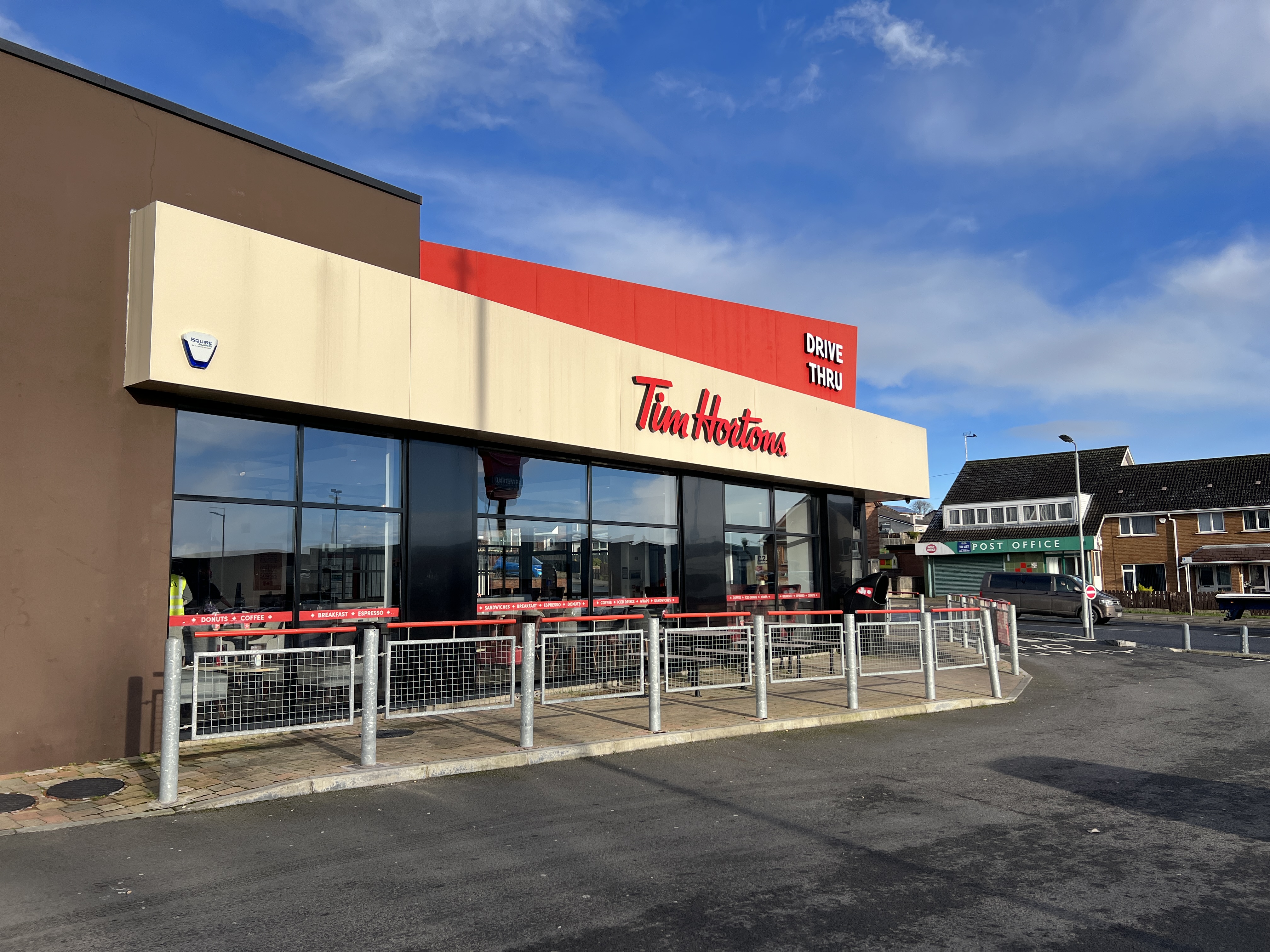
Few brands are woven into Canadian daily life like Tim Hortons. That is why its corporate path surprises people. In 2014, Tim Hortons merged with Burger King in a deal backed by 3G Capital, the U.S.-Brazilian investment firm, and the combined company became Restaurant Brands International, based in Canada but shaped by a much larger international structure.
To many customers, the coffee cups and doughnuts stayed familiar, so the ownership change did not feel dramatic at first. But the deal shifted Tim Hortons from a proudly standalone Canadian icon into a global fast-food portfolio run with investor logic, scale, and efficiency in mind.
That change helps explain why debates around menu quality, franchisee tensions, and brand identity grew louder afterward. The logo still reads Canadian to millions, but the control story is much more cross-border than the image suggests.
St-Hubert
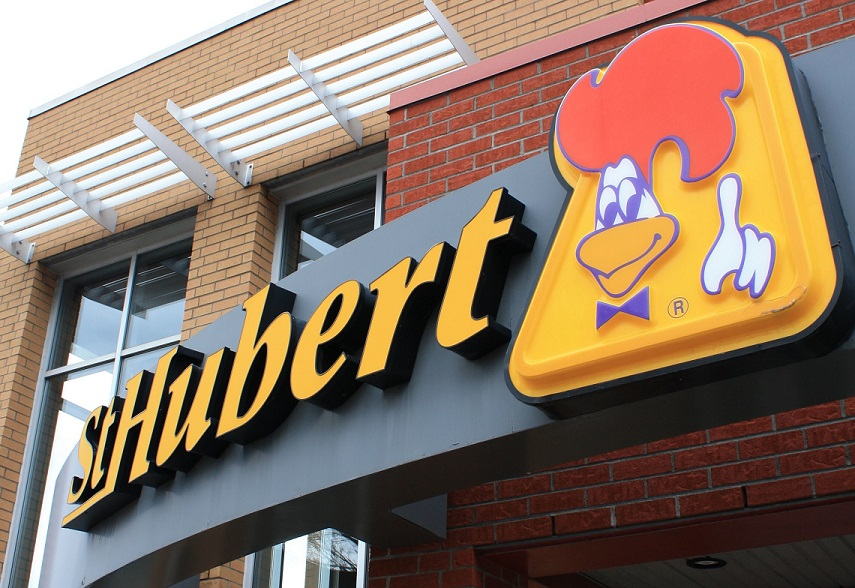
In Quebec, St-Hubert was never just another restaurant chain. It was a cultural institution, famous for rotisserie chicken, ribs, and the brown gravy-style sauce that became a pantry staple. In 2016, Ontario-based Cara Operations, now Recipe Unlimited, bought St-Hubert, and Cara itself had already been controlled by Fairfax Financial and U.S. investment interests through a broader North American corporate network.
What made the sale feel quiet was how little changed for the average customer walking into a dining room or buying sauce at the store. The branding remained familiar, and the food still leaned heavily on its Quebec roots.
Even so, the acquisition folded a regional powerhouse into a much bigger chain-restaurant system. It became part of a portfolio strategy, where beloved local brands are managed alongside many others with scale, distribution, and shareholder returns front and center.
Swiss Chalet

Swiss Chalet feels deeply Canadian because it has been part of the country's casual dining scene for decades. Its chalet sauce, rotisserie chicken, and family takeout dinners became routine in many households. But the brand's ownership story moved through larger corporate hands, and over time it became part of Cara Operations, whose financing and investment ties extended well beyond Canada, including significant American market influence.
This is one of those cases where the sale was less a dramatic handoff and more a slow corporate absorption. Consumers kept ordering quarter chicken dinners, and the brand identity stayed comfortably familiar.
Still, ownership matters because it shapes expansion plans, pricing strategy, supply chains, and store decisions. Swiss Chalet remained outwardly Canadian, but like many legacy chains, it increasingly answered to a larger corporate framework shaped by North American capital rather than simple national identity.
Second Cup

Second Cup once looked like Canada's answer to Starbucks, with a homegrown image and a strong footprint in malls, downtown cores, and suburban plazas. Over time, though, the company changed hands repeatedly, including ownership links to U.S.-based private equity and investment groups that treated the chain as a retail asset rather than a national symbol.
That kind of ownership shift rarely makes noise with everyday coffee drinkers. A latte is still a latte, and a familiar storefront can mask a lot of financial restructuring in the background.
But repeated buyouts and investor-led strategies affected how the brand competed, where it opened, and how aggressively it reinvented itself. Second Cup kept its Canadian face, yet its direction was increasingly shaped by the sort of cross-border finance that has quietly transformed many consumer brands.
Van Houtte
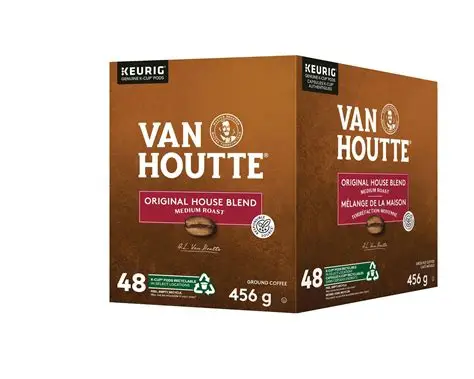
Van Houtte built its reputation as a premium coffee name in Quebec before becoming a familiar brand across Canada. The major turning point came when Green Mountain Coffee Roasters, an American company later known as Keurig Green Mountain, acquired Van Houtte in 2006. That deal firmly placed a respected Canadian coffee brand inside a fast-growing U.S. beverage machine empire.
For shoppers, the brand still looked polished and local enough to feel untouched. Bags of coffee stayed on shelves, and many consumers likely never noticed the ownership shift at all.
Yet the acquisition was strategically important. Van Houtte gave Green Mountain stronger reach in Canada and commercial coffee service, while the American parent gained a trusted regional name. It was a textbook example of how a brand can keep its original personality while its real corporate home moves elsewhere.
Aylmer
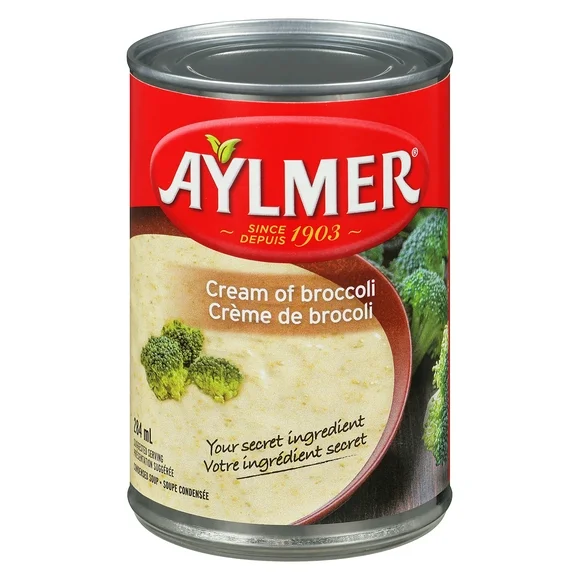
Aylmer is one of those pantry brands that feels tied to Canadian kitchens through tomato soup, canned vegetables, and simple weeknight cooking. For years, it carried a strong domestic identity, especially in Quebec and Ontario. But as the food processing sector consolidated, Aylmer's operations and brand rights passed through a series of owners, including U.S.-linked food companies and cross-border manufacturing arrangements.
This is the kind of story consumers almost never see in real time. Canned goods are not glamorous, and ownership changes in packaged food often happen through asset deals rather than headline-making acquisitions.
Still, those changes matter. They affect where products are made, what factories stay open, and how national brands survive in a low-margin grocery business. Aylmer stayed familiar on shelves, but the business behind the label became much less distinctly Canadian.
Chef Boyardee Canada
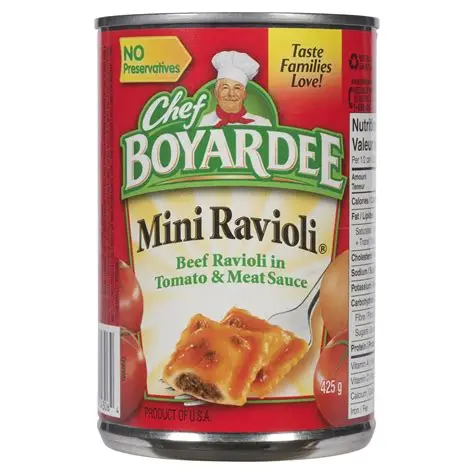
Chef Boyardee may be Italian-American by origin, but in Canada it became such a lunchbox and pantry staple that many shoppers treated it like a local grocery constant. Its Canadian production history and shelf presence gave it a kind of adopted domestic status. Over time, though, the brand sat firmly within major American food ownership, most notably under ConAgra and later other U.S. corporate structures through portfolio changes.
What makes this worth noting is how brands can become culturally Canadian without being Canadian-owned at all. Familiarity often overrides corporate reality in the minds of shoppers.
That gap between identity and ownership is central to the whole story here. Products that feel native to everyday life can actually be controlled from elsewhere, with decisions made according to U.S. market priorities, manufacturing logic, and shareholder expectations rather than local sentiment.



Leave a Reply