
Every June, plenty of brands roll out rainbow packaging and Pride-themed posts. Far fewer put real money, partnerships, and long-term support behind LGBTQ communities. This gallery highlights 10 food and beverage brands that have publicly backed Pride with donations, nonprofit collaborations, inclusive programs, or sustained advocacy, showing the difference between a logo change and meaningful action.
Absolut Vodka

Absolut has one of the longest public histories of supporting LGBTQ communities in the food and drink space, and that matters. The brand was advertising in queer magazines and backing LGBTQ visibility decades before many major companies considered it safe or profitable to do so.
In recent years, Absolut has continued that identity through partnerships, campaign work, and donations tied to LGBTQ organizations and Pride programming. Its parent company, Pernod Ricard, has also highlighted internal inclusion efforts and community collaborations.
What sets Absolut apart is consistency. This is not a brand that appears for one month and disappears in July. Its Pride presence is rooted in a long record of cultural support, not just seasonal packaging.
Ben & Jerry's

Ben & Jerry's rarely treats social issues like a side project, and its LGBTQ advocacy reflects that bigger pattern. The company has publicly supported marriage equality, trans rights, and broader queer inclusion, often using its large platform to speak plainly when many brands stay vague.
During Pride, Ben & Jerry's has paired messaging with action through nonprofit support, educational campaigns, and issue-focused partnerships. The company has also tied advocacy to policy conversations, which is a meaningful step beyond selling themed products.
For consumers, the difference is easy to spot. Ben & Jerry's tends to frame Pride as part of an ongoing civil rights conversation, not a limited-time marketing opportunity with a rainbow carton attached.
Chobani

Chobani's Pride-related work fits into the brand's broader identity around community investment and inclusion. The company has supported LGBTQ initiatives through public campaigns, employee-focused inclusion efforts, and corporate giving that connects its values messaging to real-world backing.
That internal piece is worth paying attention to. Brands that invest in LGBTQ employees, workplace protections, and inclusive benefits are usually showing something more durable than a seasonal ad campaign. Chobani has regularly emphasized that side of the equation.
Its Pride presence may feel quieter than flashier brands, but quieter does not mean weaker. In Chobani's case, the story is about connecting external support with internal culture, which often says more than a limited-edition label ever could.
Starbucks

Starbucks has long linked its brand to inclusion, and during Pride it has backed that image with direct support for LGBTQ organizations, employee resource groups, and community-centered events. The company has also repeatedly highlighted benefits and policies aimed at LGBTQ workers and their families.
Its Pride strategy is not perfect, and like any giant brand, it has faced scrutiny over whether local execution always matches corporate messaging. Still, Starbucks stands out for having a visible infrastructure around LGBTQ inclusion rather than relying only on June advertising.
That matters because meaningful support usually shows up in systems, not slogans. Donations, employee protections, and sustained partnerships are harder to fake than a rainbow cup, and consumers increasingly know the difference.
Shake Shack

Shake Shack has used Pride to support LGBTQ communities through fundraising campaigns and nonprofit tie-ins, often centering local impact. Instead of treating Pride as a branding exercise alone, the company has connected seasonal promotions to organizations doing direct work on the ground.
That local approach gives the effort some weight. When a brand names beneficiary groups, supports nearby events, and links purchases to donations, consumers can see a clearer path from marketing to material support.
Shake Shack also benefits from not overcomplicating the message. The formula is straightforward: celebrate Pride, partner with relevant organizations, and send money where it can actually help. In a month crowded with empty gestures, that kind of clarity stands out.
BrewDog
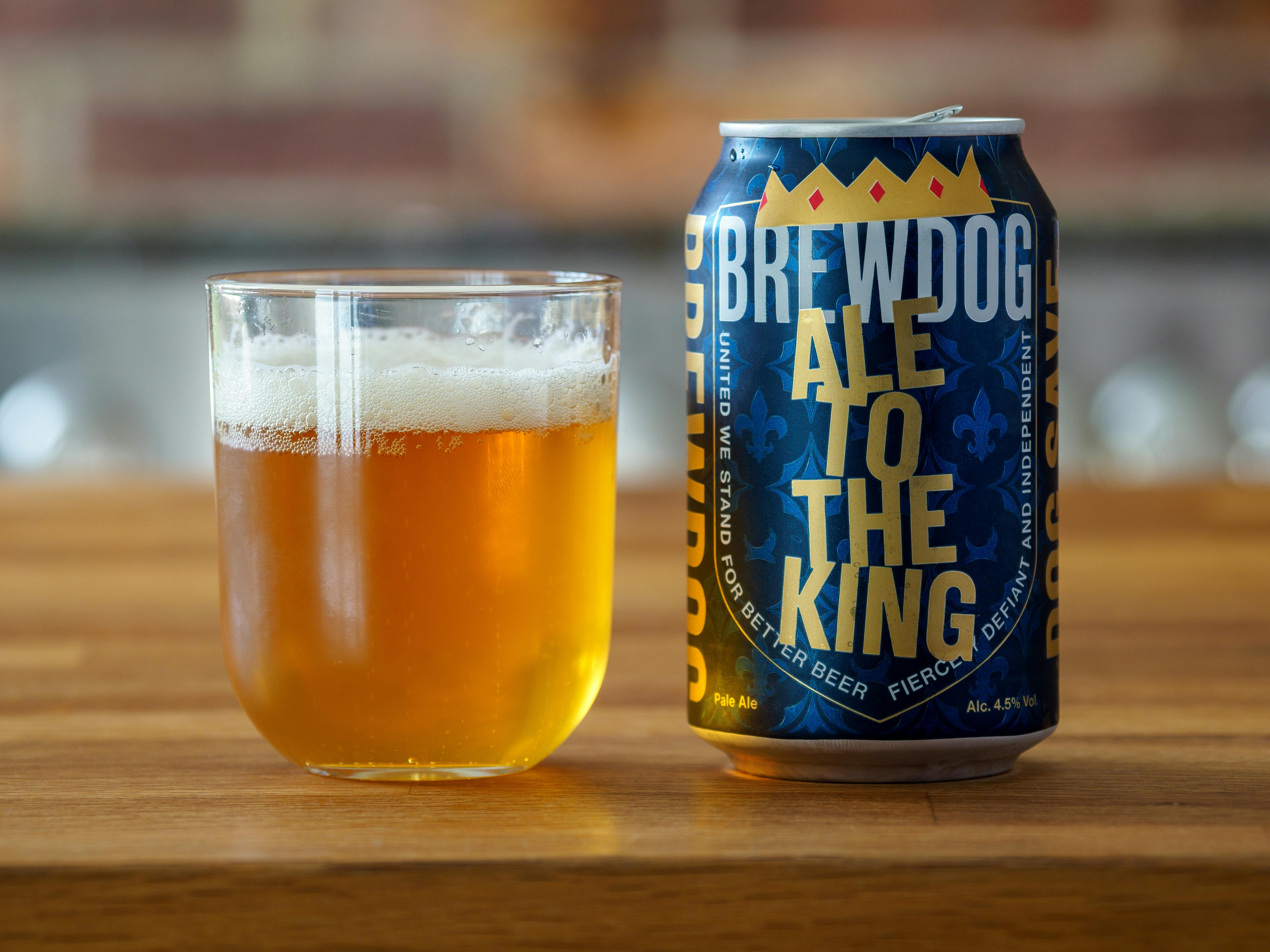
BrewDog has made high-visibility moves around LGBTQ inclusion, including beer releases and campaigns connected to queer communities and charitable support. The brand's tone can be louder than others, but the more important question is whether that attention translates into action.
In several Pride-related efforts, BrewDog has tied products or promotions to fundraising and public collaboration. That gives its campaigns a practical outcome, which is exactly what separates support from branding theater.
The brand has also leaned into visibility, and visibility still matters for marginalized communities, especially when paired with money and platform-sharing. A colorful can alone is forgettable. A campaign that directs funds and attention to LGBTQ groups has more lasting value.
Kellogg's
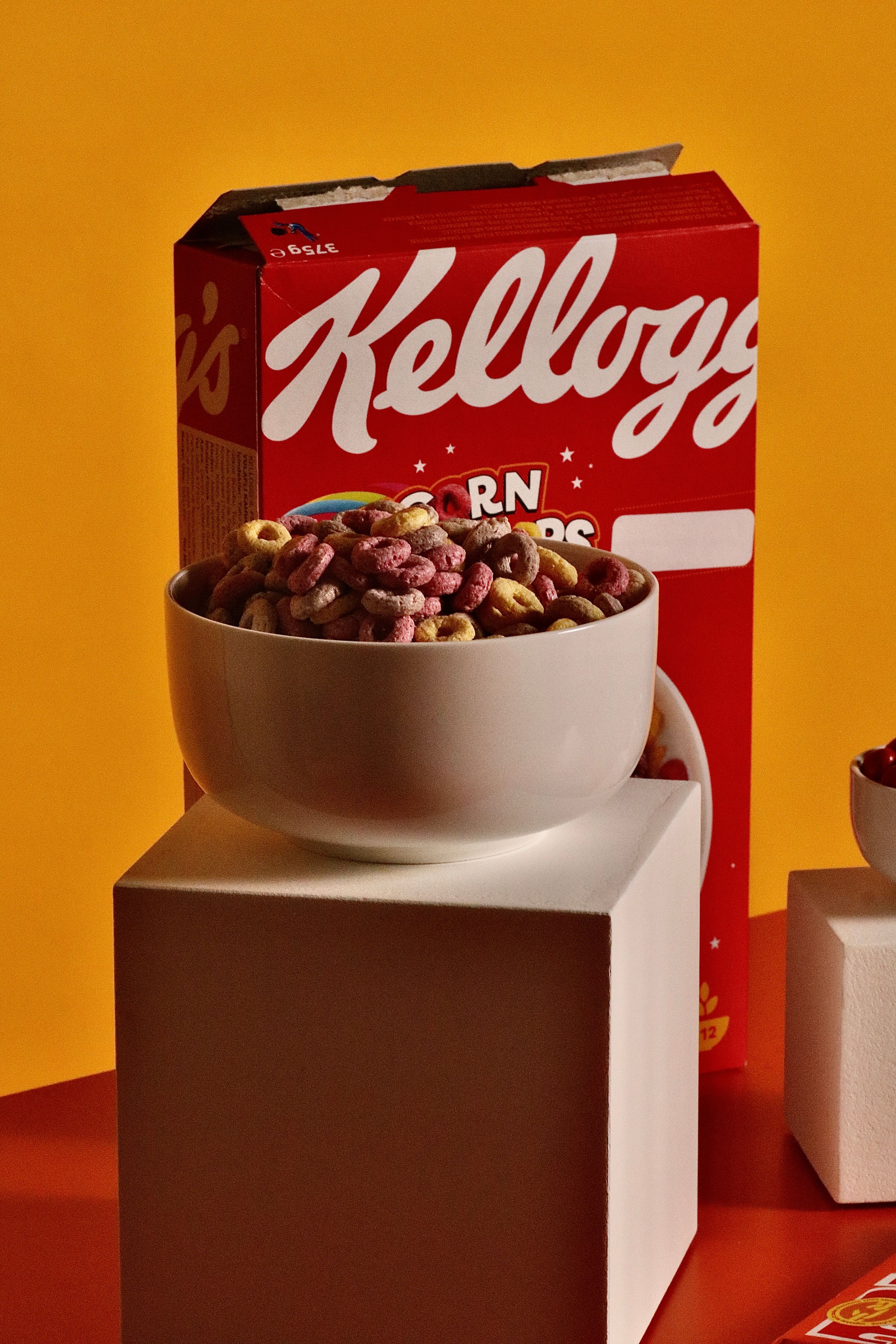
Kellogg's has used both products and partnerships to show public support for LGBTQ communities. One of its most recognizable efforts involved a Pride-themed cereal campaign tied to GLAAD, turning a mainstream grocery item into a fundraiser with a clearly stated nonprofit connection.
That kind of effort can reach households that might never attend a Pride event or follow advocacy groups directly. A cereal box on a supermarket shelf is not activism by itself, but when it includes proceeds, awareness, and a partner organization, it becomes more than decoration.
Kellogg's example also shows how legacy food brands can participate responsibly. The key is not simply going colorful. It is being specific about who benefits and how the support works in practice.
Nespresso
Nespresso has approached Pride through a mix of corporate inclusion messaging and public support for LGBTQ communities, often working within a larger framework of diversity and belonging. While the brand is polished in presentation, it has also tied that image to partnerships and internal commitments.
That balance matters in luxury-leaning food and beverage spaces, where branding can easily overpower substance. Nespresso's more credible moments have come when it connects Pride visibility to employee inclusion and community engagement rather than relying only on sleek campaign imagery.
Consumers are increasingly asking whether premium brands do more than signal taste and values. In Nespresso's case, the stronger answer comes when Pride is linked to real organizational commitments, not just an attractive seasonal rollout.
Skittles
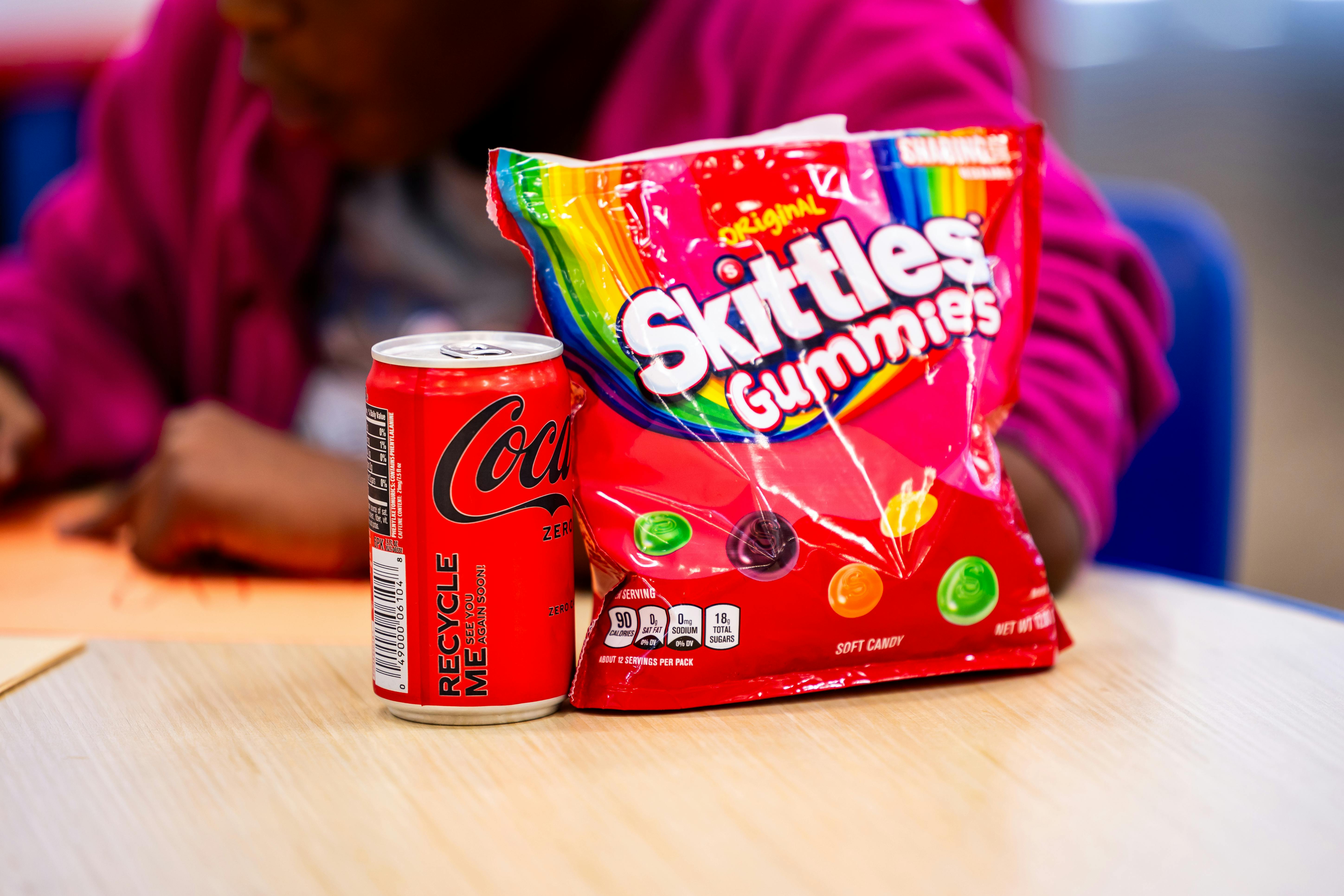
Skittles has taken one of the more recognizable approaches to Pride by temporarily giving up its own rainbow and redirecting attention to LGBTQ symbolism and support. On the surface, it is clever branding. The more important part is that the campaign has also involved nonprofit partnerships and fundraising elements.
The brand has worked with organizations including GLAAD, helping tie a highly visible candy campaign to community benefit. Because Skittles is so instantly recognizable, even a simple shift in packaging can spark wider conversation when it is paired with a clear charitable connection.
That combination of visibility and giving is why the campaign has endured. It is playful enough to grab attention, but grounded enough to avoid feeling like a hollow stunt with no one actually benefiting from the moment.
Baskin-Robbins

Baskin-Robbins has used Pride season to roll out celebratory products while also supporting LGBTQ causes through partnerships and community-centered campaigns. In the crowded dessert space, that extra step helps the brand move beyond a cheerful rainbow flavor and into something more concrete.
What makes these efforts resonate is accessibility. Ice cream is familiar, low-pressure, and family-friendly, which means a Pride-related campaign from Baskin-Robbins can meet people in everyday life rather than only in activist or corporate spaces.
When a widely recognized chain pairs that reach with actual giving, the effect can be meaningful. Pride support does not have to be dramatic to count. Sometimes the strongest signal is a simple product tied to a transparent cause and a real beneficiary.


Leave a Reply