
Grocery shopping in Canada is rarely just another errand. For many households, it is a weekly decision shaped by budgets, habits, trust, and strong personal preferences.
Why grocery rankings spark such strong reactions

Ask Canadians to name their favourite grocery chain and the answers quickly become personal. Some shoppers swear by Costco for bulk savings, while others prefer Metro, Sobeys, or Save-On-Foods for convenience and a calmer in-store experience. Discount banners like No Frills, FreshCo, and Food Basics also attract fierce loyalty from people focused on stretching every dollar.
The disagreement makes sense because the country's grocery landscape is unusually concentrated. Loblaw, Sobeys parent Empire, Metro, Walmart, and Costco dominate much of the national market, but their strength varies sharply by province. A shopper in Ontario often compares different choices than someone in British Columbia, Quebec, or Atlantic Canada, which means national rankings never feel universally fair.
Consumer priorities have also shifted dramatically in recent years. Food inflation, supply disruptions, and rising housing costs pushed many shoppers to reevaluate where they spend money each week. According to several recent consumer surveys and market reports, value now competes directly with older measures like brand reputation, product variety, and customer service.
That is why rankings become emotional. They are not simply about which chain has the nicest produce section. They reflect how Canadians balance affordability with quality, convenience with ethics, and routine with changing financial realities.
Price still leads the conversation for most households
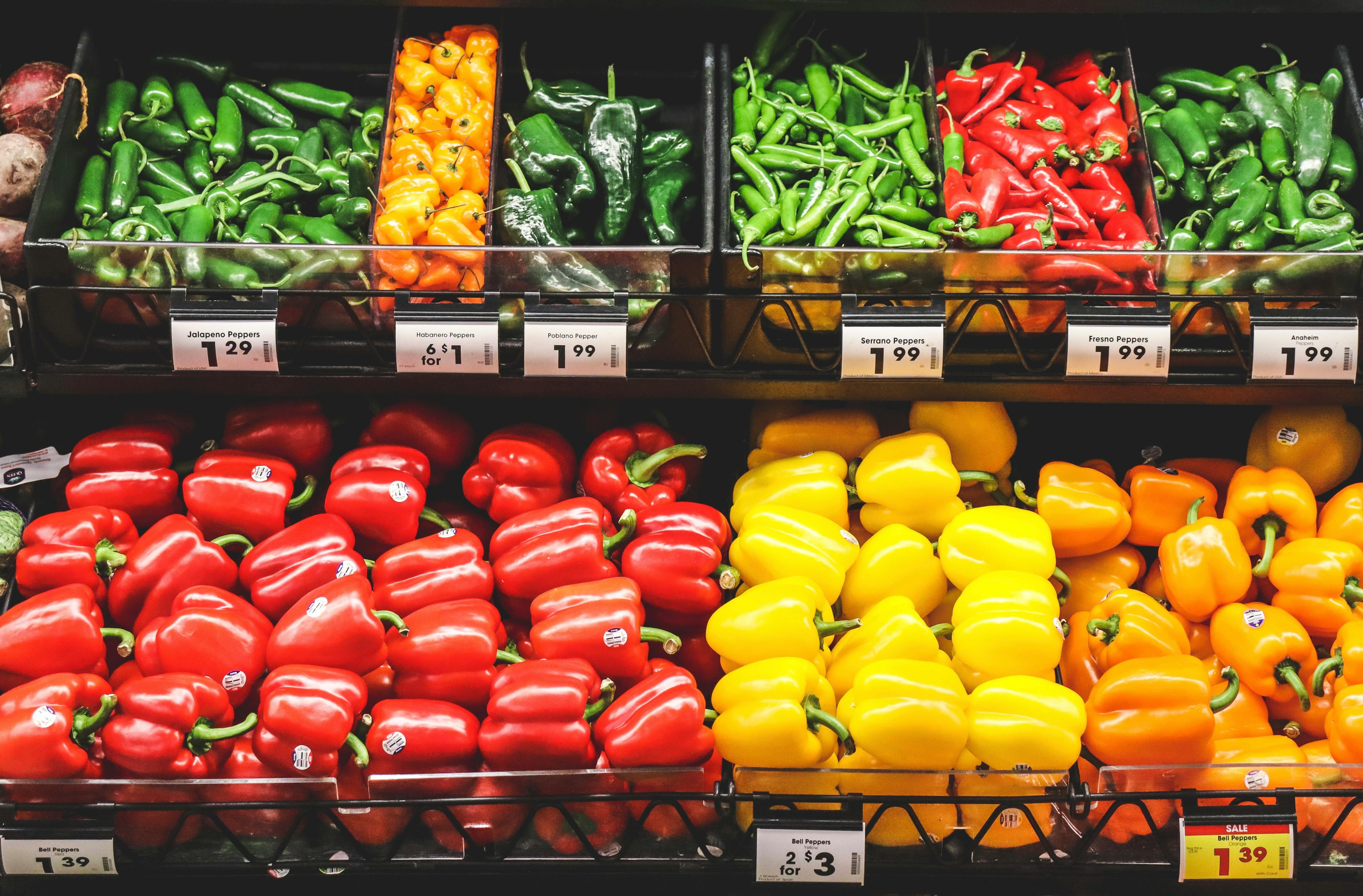
Nothing influences grocery loyalty more consistently than price. In a period marked by inflation and persistent concern over food affordability, discount-focused chains have gained ground because they match the needs of budget-conscious shoppers. Stores like No Frills, FreshCo, Food Basics, Giant Tiger, and Walmart often earn praise not because they feel luxurious, but because they help families manage weekly spending.
Price, however, is rarely judged on shelf tags alone. Shoppers now weigh flyer deals, price matching, digital coupons, and loyalty rewards as part of the total equation. PC Optimum has remained a major draw for Loblaw-owned banners, while Scene+ adds appeal for Sobeys-affiliated stores, showing how rewards systems can soften perceptions of higher base prices.
Bulk shopping changes the math as well. Costco remains one of the most polarizing favourites because many Canadians see it as unbeatable for unit pricing on pantry items, meat, and household staples, yet others feel the membership fee, oversized packaging, and crowded warehouses make it a poor fit for smaller households.
This is where rankings split. A family of five in suburban Alberta may rank a chain very differently than a downtown Toronto renter shopping for one or two people. The best-priced store depends heavily on household size, transportation, storage space, and shopping habits.
Freshness, selection, and store experience matter more than many admit
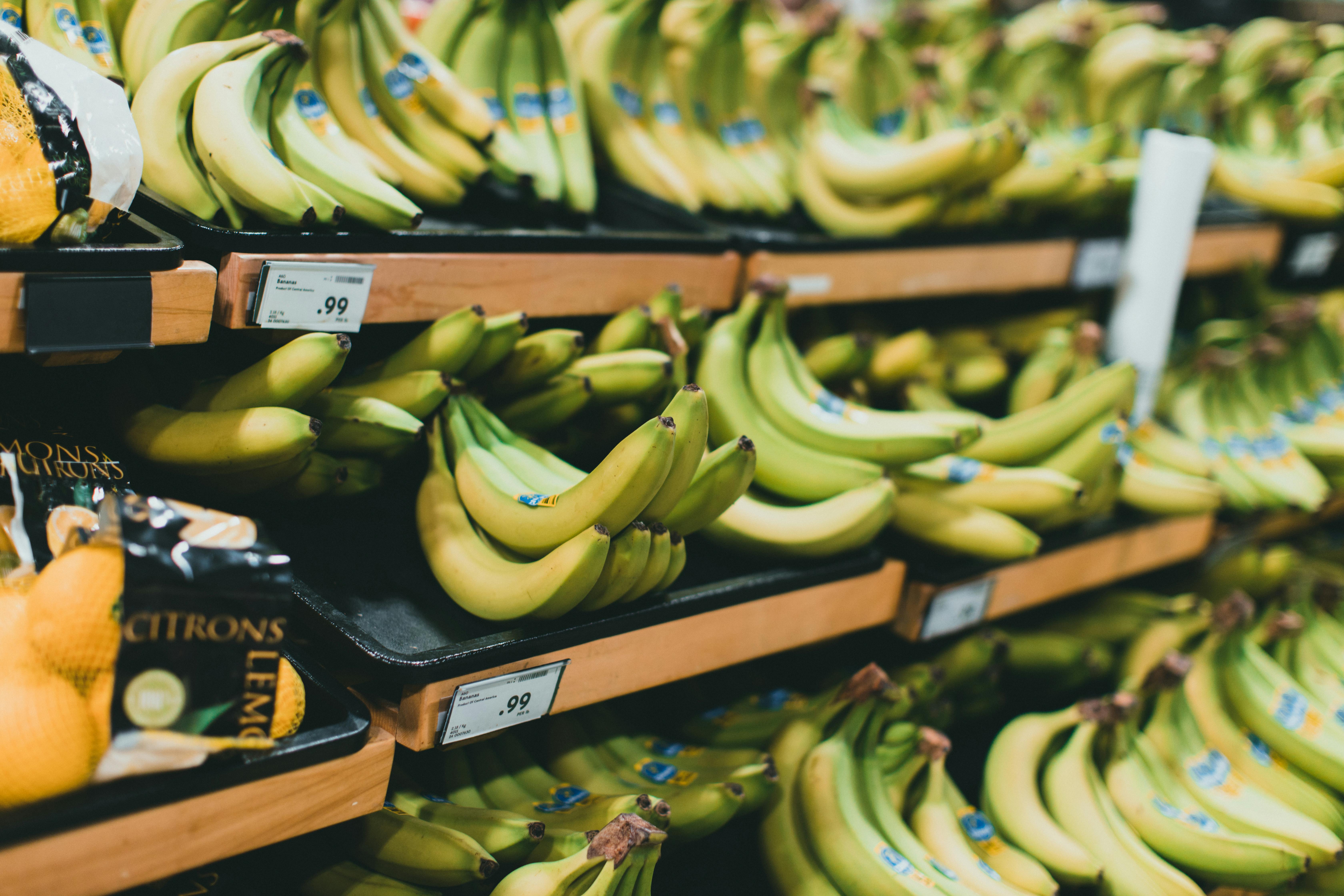
Low prices get people through the door, but freshness often determines whether they return. Many Canadians say produce quality, meat standards, and bakery consistency matter just as much as discounts, especially when they are shopping for fresh food several times a week. A store can win on value and still lose favour if customers regularly encounter wilted greens or poor fruit selection.
This helps explain why chains such as Longo's, Farm Boy, and certain Sobeys or Metro locations score strongly with shoppers who prioritize prepared foods, specialty items, and a more pleasant atmosphere. These stores often cultivate a reputation for cleaner layouts, stronger service counters, and a better-curated assortment, even if the final bill runs higher.
Regional chains also benefit from this perception. In Western Canada, Save-On-Foods has built loyalty through a mix of broad selection, private-label products, and community presence. In Quebec, IGA, Super C, and Metro resonate differently depending on whether shoppers value premium products, discounts, or local familiarity.
Store experience is often underestimated in rankings. Wide aisles, shorter lines, clear signage, and reliable stock levels can shape loyalty as strongly as price. People remember frustrating visits, but they also remember the stores that consistently make a necessary weekly task feel easier.
Regional identity shapes the results more than national polls suggest

Canada does not shop as one market. Provincial differences in language, urban density, competition, income levels, and local food culture all affect which chains feel most trusted. A national poll may produce a headline-grabbing winner, but it often masks the reality that grocery habits are intensely regional and shaped by what is available nearby.
Quebec is a clear example. Metro, IGA, Super C, Maxi, and Costco all play distinct roles there, and shopper loyalty can be tied to language, neighbourhood familiarity, and the strength of local promotions. In British Columbia and Alberta, Save-On-Foods and Real Canadian Superstore often feature more prominently in consumer routines than they do in parts of Eastern Canada.
Atlantic Canada has its own patterns, where Sobeys and Atlantic Superstore hold strong positions, partly because of longstanding local presence. In Northern and remote communities, rankings can feel almost irrelevant because options are limited, prices are much higher, and access matters more than branding. In these areas, grocery choice is less about preference and more about necessity.
That regional variation explains why not everyone agrees with broad rankings. People judge chains against their own local standard, not against a national average. A beloved chain in one province may barely register in another, making any all-Canada ranking feel incomplete from the start.
Trust, corporate reputation, and ethics now influence shopping choices

A grocery chain's reputation increasingly affects how Canadians rank it. Public frustration over food prices, competition concerns, and highly publicized debates about supplier relations have made some shoppers more skeptical of large grocery companies. When households feel squeezed, they pay closer attention to profit headlines, pricing practices, and whether a chain appears responsive to public concerns.
Brand trust is built in small ways as well. Consistent stock, transparent promotions, fair return policies, and respectful service can all strengthen a shopper's relationship with a chain. Private-label products also matter here because they can signal both value and quality. President's Choice, Compliments, and Kirkland Signature have each become powerful tools for shaping perception beyond the store banner itself.
Ethics now enter the picture more often than they once did. Some consumers care about local sourcing, food waste reduction, labour conditions, environmental packaging, and support for Canadian suppliers. While these factors may not outweigh price for everyone, they often become tie-breakers between chains offering similar weekly value.
This shift helps explain why rankings are more complicated than simple popularity contests. Canadians are not just rating stores on convenience. They are expressing confidence, frustration, and expectations about how grocery companies should behave in a period of economic pressure.
So what would the favourite be for most Canadians
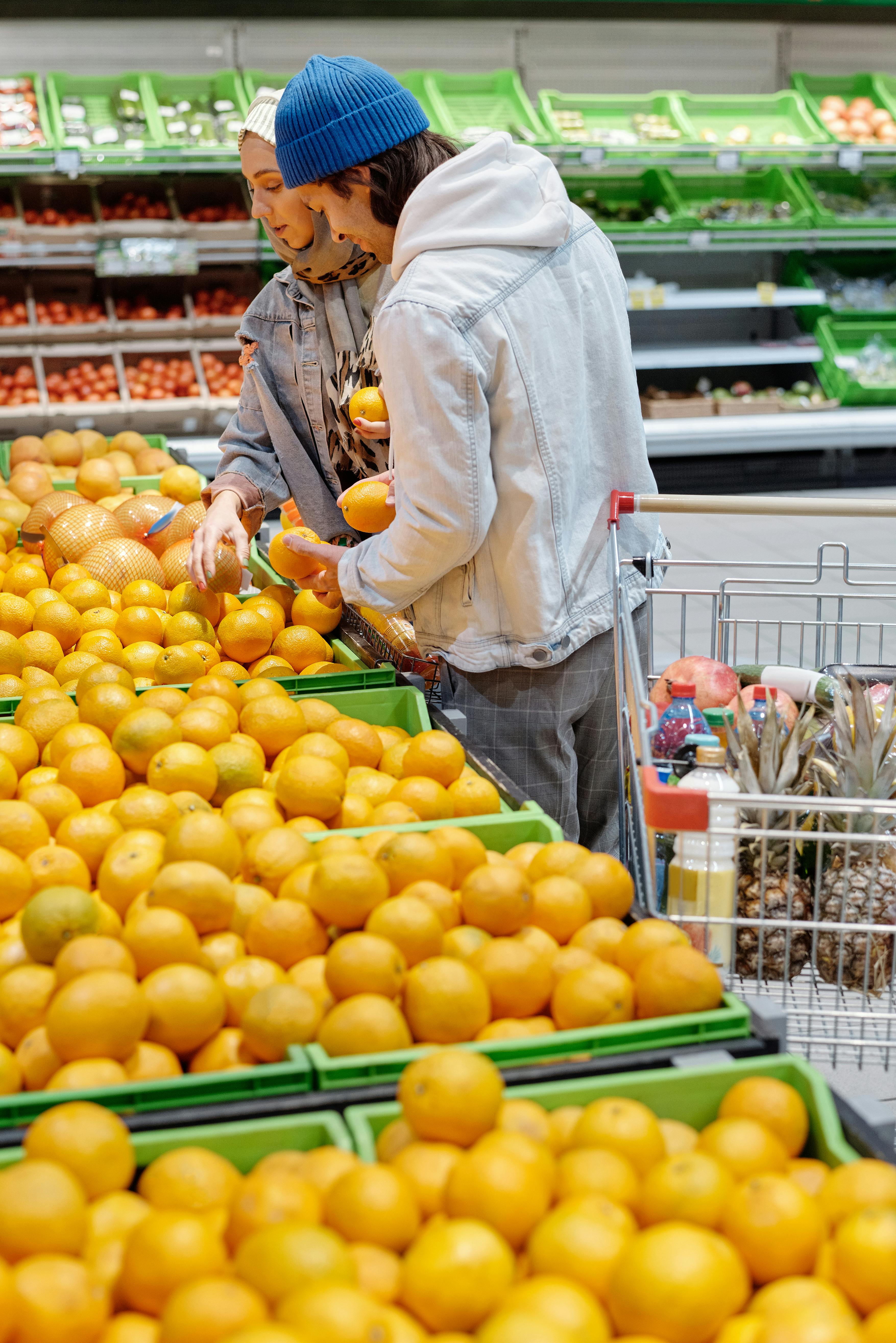
If one chain had to be named as a broad favourite, Costco and the major discount banners would likely dominate the conversation because value remains the strongest force in Canadian grocery shopping. Yet that answer comes with an important caveat. There is no single favourite that satisfies every type of shopper, and that is exactly why these rankings trigger disagreement.
For some, the ideal grocery chain is the one with the lowest bill at checkout. For others, it is the store with the best produce, the most reliable meat counter, the easiest parking, or the strongest mix of local and specialty foods. Many Canadians do not even stay loyal to one chain. They split trips across two or three stores to maximize savings and quality.
That blended approach may be the most honest picture of Canadian grocery habits today. One store for bulk staples, another for produce, and a third for sale items has become common practice. In that sense, the real favourite may not be a single banner at all, but the strategy that helps households shop smarter.
So what would my favourite be? It would depend on what I needed that week. And judging by how Canadians rank their grocery chains, that practical answer may be the one most people quietly agree with.



Leave a Reply