
Canadian grocery bills have become a kitchen-table issue. For many households, the real question is not where to shop, but which store gives the best balance of price, quality, and convenience week after week.
Price is where most families start, and No Frills has the clearest edge
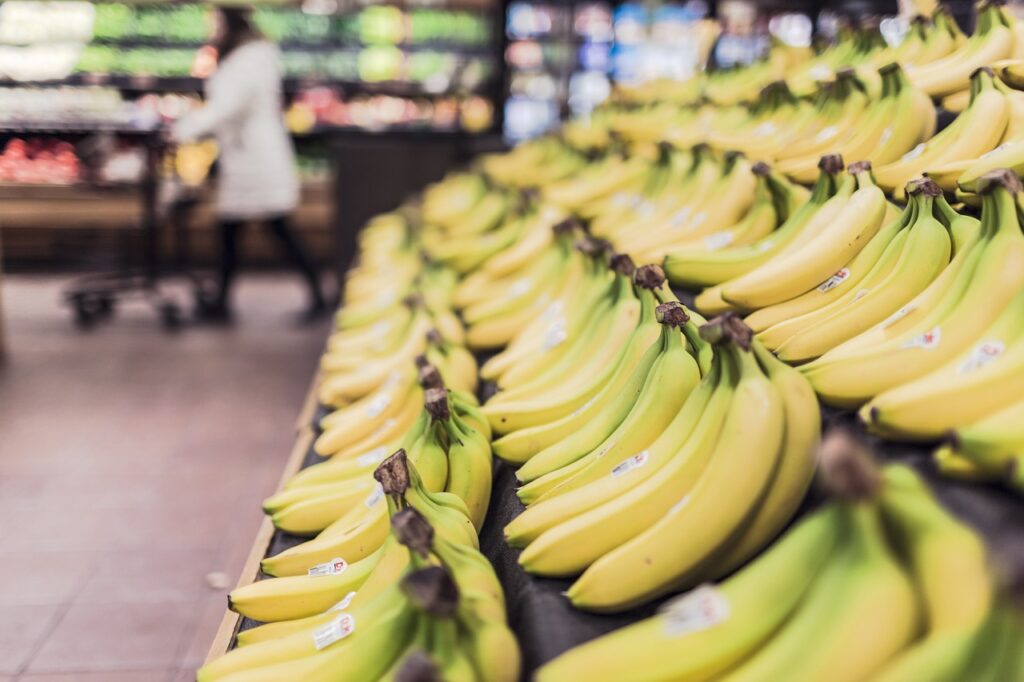
For families watching every dollar, No Frills usually enters the conversation first for a reason. It is built as a discount grocer, and its model is intentionally lean: simpler store layouts, fewer extras, more private label products, and aggressive flyer pricing. Across Canada, shoppers often find lower shelf prices on pantry staples, canned goods, pasta, frozen vegetables, bread, and household basics than they would at a full-service Sobeys or Loblaws location. That does not mean every item is cheapest all the time, but it does mean the store is structured to compete on price every day.
The biggest financial advantage at No Frills is not just the sticker price. It is the ability to build a lower total basket cost on routine weekly shops. A family buying milk, eggs, cereal, rice, chicken, yogurt, school snacks, and cleaning supplies can often leave with a noticeably lower bill than at premium-leaning chains. The store also benefits from President's Choice and No Name products, which have broad coverage across categories and often compare well to national brands in taste and quality. For budget-driven families, that combination matters more than polished merchandising or an expanded prepared-food section.
Loblaws, by contrast, tends to sit in a middle-to-higher range depending on the neighborhood and format. It often carries stronger assortment, more premium brands, and more convenience-focused options, but that usually comes with higher average pricing. Sobeys is similar in that respect. In many markets, it performs better on freshness, service, and store environment than on raw basket cost. If the single objective is paying less at the checkout on ordinary family groceries, No Frills is the chain most likely to win.
That said, the lowest bill is not always as simple as walking into the cheapest store. Promotion cycles, region-specific competition, and loyalty offers can narrow the gap. A sharp flyer shopper can occasionally beat No Frills at Sobeys or Loblaws on select items, especially on meat, produce, or multi-buy promotions. But if a family wants a reliable default answer to the question of who is usually cheapest, No Frills remains the strongest value play of the three.
Product quality and freshness are where Sobeys often makes its case
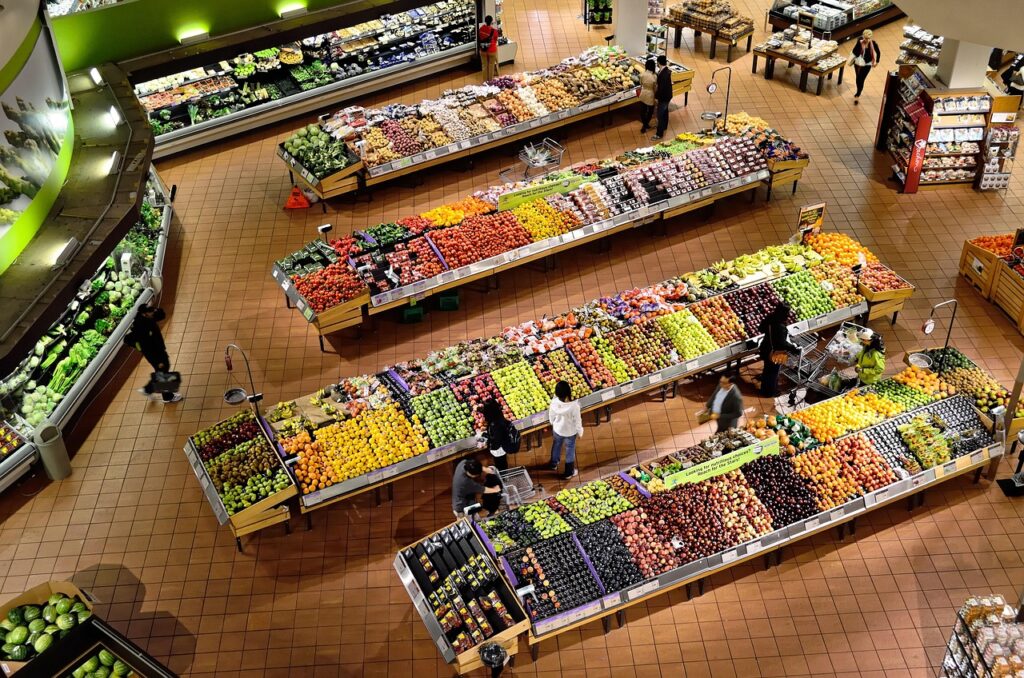
If price is No Frills' strongest argument, freshness is often Sobeys' most persuasive one. Many Canadian shoppers see Sobeys as the chain that tries hardest to present itself as dependable for produce, meat, seafood, bakery, and deli quality. Store execution can vary by location, as it does with any banner, but Sobeys has long leaned into a more service-oriented identity. For families that cook regularly and care about ingredient quality, that difference can feel meaningful long before the cashier totals the bill.
Sobeys also tends to do well with shoppers who want a more comfortable in-store experience. Wider aisles, stronger fresh displays, and a greater emphasis on ready-to-cook and ready-to-eat options can make weekly shopping less stressful, especially for parents already juggling school schedules and work. In practice, that can mean better-looking berries, more appealing salad greens, a fuller butcher counter, or bakery products that feel less like an afterthought. Families who make several fresh meals a week often notice those details more than occasional bargain hunters do.
Loblaws is no slouch on quality either. In fact, in many urban and suburban markets, it offers one of the broadest selections in the country, including organic products, specialty imports, international ingredients, health-focused brands, and upscale prepared foods. For households with mixed dietary needs, such as gluten-free, high-protein, vegetarian, or kid-friendly convenience foods, Loblaws can be especially strong. It often blends mainstream groceries with premium options better than either Sobeys or No Frills, which is why some shoppers accept its higher prices.
No Frills can absolutely deliver acceptable freshness, especially on fast-turning staples and well-managed produce categories, but quality consistency is not usually its signature advantage. Some families will happily trade a little ambiance and selection for lower prices. Others will spend more to avoid making an extra stop at a butcher, bakery, or specialty store. In that tradeoff, Sobeys frequently wins households that value fresh departments enough to pay a little more for them.
Loyalty programs and weekly deals can change the winner more than many shoppers realize

On paper, comparing shelf prices seems straightforward. In reality, rewards programs, digital offers, and flyer strategies can shift the true cost of groceries over time, especially for families that spend hundreds of dollars a month. Loblaws and No Frills both benefit from the PC Optimum ecosystem, one of the strongest retail loyalty programs in Canada. Because points can be earned and redeemed across multiple banners and categories, the savings can become substantial for households that shop strategically.
That system gives Loblaws and No Frills a major structural advantage. Families can collect points not only on selected grocery items but often through linked pharmacy, beauty, and partner spending habits. A shopper who actively loads offers, watches promotions, and plans purchases around bonus-point events can reduce annual food costs by a meaningful amount. For disciplined households, the value is real enough to offset part of Loblaws' higher regular pricing and make No Frills even more compelling.
Sobeys counters through Scene+, which has improved its relevance by tying together groceries, pharmacy, travel, and entertainment-related rewards. It is useful, and for some shoppers it is pleasantly simple, but it does not consistently feel as grocery-dominant or as psychologically powerful as PC Optimum. In consumer behavior terms, that matters. A rewards system works best when shoppers clearly understand how points accumulate and when they can redeem them for something tangible. PC Optimum has generally excelled on that front, and families often mention it as a reason they stay within the Loblaw network.
Still, not every household wants to game loyalty systems. Many parents are too busy to load personalized offers or chase redemption windows. For them, straightforward value matters more than theoretical points. In that case, No Frills still shines because its everyday pricing often works even without digital effort. But for families willing to combine flyers, app-based offers, and stock-up timing, Loblaws and No Frills together present the most sophisticated savings ecosystem of the three.
Store experience, convenience, and time savings matter more to parents than price comparisons suggest
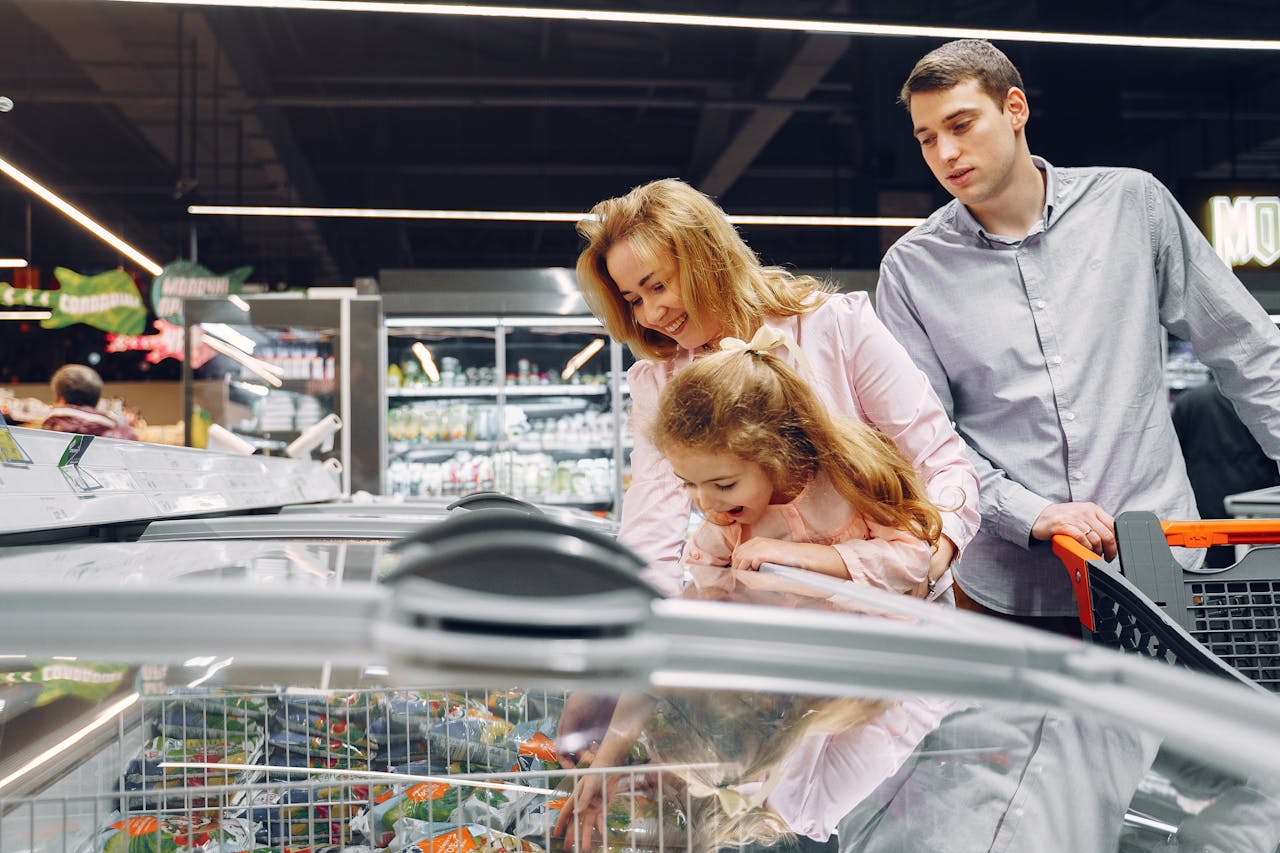
A grocery trip is not only a financial exercise. For families with young children, aging parents, long commutes, or tight evening schedules, the easiest store to shop can be worth paying more for. This is where Loblaws and Sobeys often separate themselves from No Frills. Full-service stores generally offer better signage, broader one-stop shopping, stronger prepared meal sections, pharmacies, floral counters, bakeries, and more reliable self-checkout or staffed-lane availability. Those features are not luxuries when time is scarce. They are operational advantages.
Loblaws, in particular, often performs well as the all-in-one option. A parent can pick up groceries, school lunch items, baby products, a prescription, and tonight's hot dinner in one trip. That saves gasoline, planning effort, and another stop on an already crowded day. In higher-density communities, the chain also tends to carry a wider range of multicultural products, natural foods, and meal shortcuts. Families that cook some nights and rely on convenience foods on others often find Loblaws better adapted to real life, even if it is not the cheapest.
Sobeys competes strongly here too, especially in communities where the local store is clean, well-run, and easy to navigate. Its fresh departments and service counters can be a meaningful draw for shoppers who still value the traditional grocery experience. In some regions, Sobeys-owned formats also benefit from strong local brand trust. For many households, feeling confident that produce will last, meat will be good, and the store will not feel chaotic is worth a moderate price premium.
No Frills is efficient, but it is not usually designed to feel effortless. Selection may be narrower, displays less curated, and convenience options more limited. For families who meal plan carefully and batch shop, that may not matter. For families who need dinner ideas at 5:30 p.m. and want to get in and out quickly with minimal friction, it can. When convenience is treated as part of value, not separate from it, the gap between these chains narrows considerably.
The best choice depends heavily on what kind of family is filling the cart
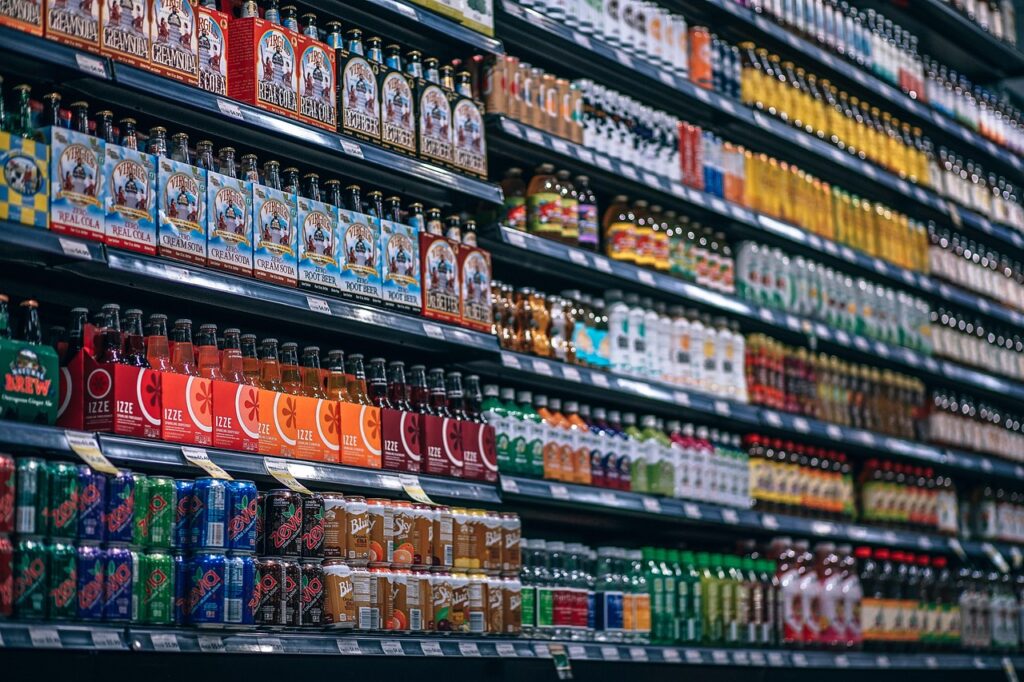
There is no single Canadian family grocery profile, and that is why the answer changes depending on the household. A family of five in a suburb, feeding teenagers and packing daily lunches, will evaluate these chains very differently from a downtown couple with one toddler. Large households that buy staples in volume usually benefit most from No Frills because lower everyday prices compound quickly over a month. When baskets are big and repetitive, small per-item savings add up fast.
Middle-income families with varied shopping needs often land somewhere between chains rather than staying loyal to only one. They might buy pantry basics and school snacks at No Frills, then visit Sobeys for produce, meat, or bakery items they trust more. Others use Loblaws as their default because it balances mainstream groceries with stronger specialty selection. This split strategy is increasingly common as food inflation pushes shoppers to become more tactical. The era of one-store loyalty is weaker than it once was.
Dietary needs also shape the outcome. Families managing food allergies, specialized diets, or strong preferences for organic or international products may find Loblaws the most practical despite higher prices. Households that prioritize fresh home cooking and want a more reassuring shopping environment may lean toward Sobeys. Retirees or smaller households may be less price-sensitive than larger families with children, making service, parking, layout, and freshness more important than rock-bottom pricing.
Geography matters too. A great No Frills can outperform a mediocre Loblaws, and an excellent Sobeys can beat both on freshness and service. Regional supply chains, store management, and neighborhood competition create real variation. That is why families should judge not just the banner, but the specific location they use most often. The best theoretical chain is not always the best actual store on your route home.
So which one wins overall for Canadian families?
If the question is asked in the simplest possible way, which chain gives the best raw value on a standard grocery bill, No Frills is the winner. Its discount structure, strong private label lineup, and access to PC Optimum make it the clearest choice for budget-focused families. In a period when food prices remain a constant concern, that is a serious advantage. For households trying to stretch every paycheque, No Frills is often the smartest primary store.
If the question shifts to quality, service, and fresh-food confidence, Sobeys makes a strong claim. It usually offers a calmer, more polished shopping experience and often performs well in departments that matter to home cooks. For families willing to pay somewhat more for produce, meat, seafood, deli, and bakery quality, Sobeys can feel like the better long-term fit. It is not the cheapest, but it can be the most satisfying for shoppers who care about what dinner looks like, not just what it costs.
Loblaws wins when versatility is the priority. It is rarely the low-price champion, but it often provides the broadest selection, the strongest one-stop convenience, and a loyalty ecosystem that can materially reward regular shoppers. For busy households with mixed needs, from pharmacy pickups to organic snacks to easy weeknight meals, it remains one of the most practical options in Canadian grocery retail. It is the chain that most often succeeds by being useful in many different ways.
So the honest verdict is this: No Frills wins on price, Sobeys wins on fresh experience, and Loblaws wins on convenience and range. For most Canadian families, the actual best strategy is not blind loyalty to one banner. It is using No Frills as the budget base, then turning to Sobeys or Loblaws when quality, specialty items, or time savings matter more than the last few dollars at checkout.




Leave a Reply