
Dining out may get noticeably more expensive before the year is over. A fresh warning on restaurant pricing shows how stubborn cost pressures are still moving through the industry.
Why another round of menu increases is likely

The latest forecast that restaurant prices could rise another 4-6% reflects a business model still under strain. Even as headline inflation has cooled from its peak, restaurant operators continue to face elevated costs in categories that matter most, especially labor, ingredients, rent, utilities, and insurance.
Unlike some retailers, restaurants cannot absorb sustained cost increases for long. Profit margins are often thin, especially for independent operators, and a small jump in wages or food costs can quickly erode earnings. According to industry reporting and company earnings commentary, many chains are now using selective price hikes to protect margins without driving away traffic.
That makes the expected increase less of a sudden shock and more of a delayed pass-through. Costs that built up over the last several quarters are still being worked into menu pricing, particularly at casual dining spots, neighborhood cafes, and quick-service chains with heavy labor needs.
The biggest costs pressuring restaurant owners

Labor remains one of the clearest reasons prices may keep rising. Higher minimum wages in some states and cities, along with persistent competition for cooks, servers, and delivery staff, have made payroll more expensive. Restaurants also face higher overtime exposure, benefits costs, and training expenses when turnover stays elevated.
Food inputs are not moving evenly, which creates another problem. Beef, eggs, dairy, cooking oils, and fresh produce can all swing for different reasons, from disease outbreaks to weather disruptions and transportation bottlenecks. A restaurant may see one major ingredient stabilize while three others move sharply higher in the same month.
Occupancy costs are adding pressure too. Many operators are renewing leases at higher rates, while utility bills and insurance premiums have become harder to predict. Financing is also more expensive in a higher-rate environment, making equipment upgrades, renovations, and working capital more costly than they were just a few years ago.
What diners are most likely to notice

For customers, the most obvious change will be a bigger final bill. A 4-6% increase may not look dramatic on paper, but it becomes more noticeable once taxes, tips, delivery charges, and service fees are added. A meal that felt manageable last year can suddenly feel like a splurge.
Some restaurants may avoid headline price jumps on popular items and instead raise prices quietly elsewhere. That can mean smaller portions, fewer bundled deals, add-on charges for sides, or premium pricing on ingredients such as avocado, bacon, or extra cheese. In the industry, this is often a softer way to preserve value perception.
Discounts may also become less generous. Operators trying to protect traffic will still use promotions, but many are becoming more targeted through loyalty apps and limited-time offers rather than broad, storewide markdowns available to everyone.
Which types of restaurants face the most strain
Independent restaurants are typically the most exposed because they have less purchasing power and less room to spread costs. Large chains can negotiate better supplier contracts, invest in technology, and test prices across regions. A single-location business often lacks those buffers.
Full-service restaurants are also vulnerable because they rely on more labor per customer served. Table service, dishwashing, bartending, and back-of-house prep all add staffing complexity. If wages rise or staffing runs short, the cost base can shift quickly.
Fast-food and fast-casual operators are not immune, though their response may look different. Many are leaning harder on digital ordering, kitchen automation, and limited-time menu engineering to offset higher expenses. Even so, major chains have already signaled that value-conscious consumers are becoming more resistant to repeated price increases.
How restaurants are trying to avoid losing customers

Menu strategy has become more surgical. Instead of raising every price equally, operators are studying which items are most sensitive to customer pushback and which can carry a higher margin. Drinks, desserts, specialty add-ons, and premium entrees often become important tools in protecting profitability.
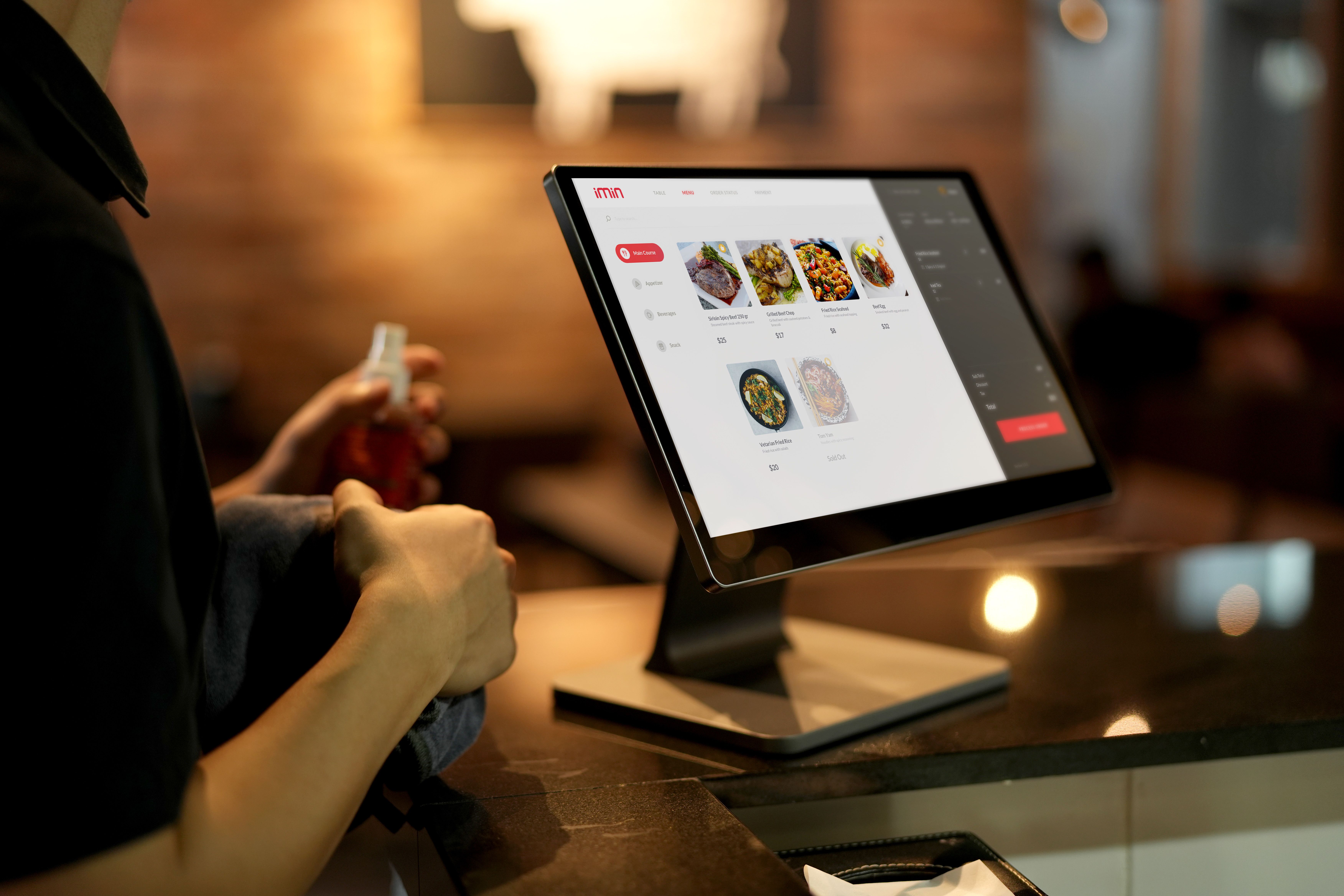
Technology is another part of the response. Self-order kiosks, QR code menus, inventory software, and smarter scheduling systems can reduce waste and labor inefficiencies. These changes do not eliminate cost pressure, but they can slow how much of it reaches the customer.
Many owners are also renegotiating supply deals, simplifying menus, and reducing low-selling items that create waste. A smaller, tighter menu can improve consistency and purchasing efficiency, especially when ingredient prices remain volatile or staffing is limited.
What it means for the months ahead

If the forecast holds, restaurant inflation will likely outpace what many households want to tolerate. That could create a difficult balancing act: operators need higher prices to stay viable, but consumers are increasingly choosy about where and how often they dine out.
The outcome may depend on income levels and restaurant format. Higher-end restaurants may retain guests willing to pay for experience, while middle-market casual dining could face the toughest trade-offs. Quick-service brands with strong value menus may be better positioned, though even they are testing the limits of customer patience.
For diners, the practical takeaway is simple. Expect modest but meaningful menu increases, watch for less visible fees, and compare value more closely than before. For restaurants, the challenge is even clearer: raise prices enough to survive, but not so much that customers decide to stay home.



Leave a Reply