
Poutine has traveled far from its Quebec beginnings, showing up on diner menus, pub specials and fast food boards across North America. But the closer you get to its roots, the more clearly you see why so many Quebecers argue the original still does it best.
Warwick and Drummondville claims

Poutine's origin story starts in rural Quebec, and two towns are most often named. Warwick and Drummondville both lay claim to the dish's beginnings in the Centre du Québec region during the 1950s.
One widely repeated account says restaurateur Fernand Lachance of Warwick served fries and cheese curds together after a customer asked for the combination, then remarked that it would make "une maudite poutine." Another credits Drummondville-area restaurants with helping shape the now-familiar version by adding hot gravy.
The exact inventor remains debated, but the broader point is not. Poutine was born in Quebec, and its earliest form was simple, local and tied to casse-croûtes, the province's roadside snack bars.
Fresh cheese curds matter most

If one ingredient defines Quebec poutine, it is the cheese curds. Traditional poutine uses fresh cheddar curds, not shredded cheese, and that distinction changes the whole dish.
Fresh curds hold their shape under hot gravy while softening at the edges. They also produce the famous squeak that many poutine fans treat as a sign of quality and freshness.
In Quebec, curds are especially easy to find because the province has a strong dairy culture and a well-established cheese-making tradition. That everyday access helps explain why poutine there often tastes more balanced and textured than versions made far from the source.
The gravy is part of the balance
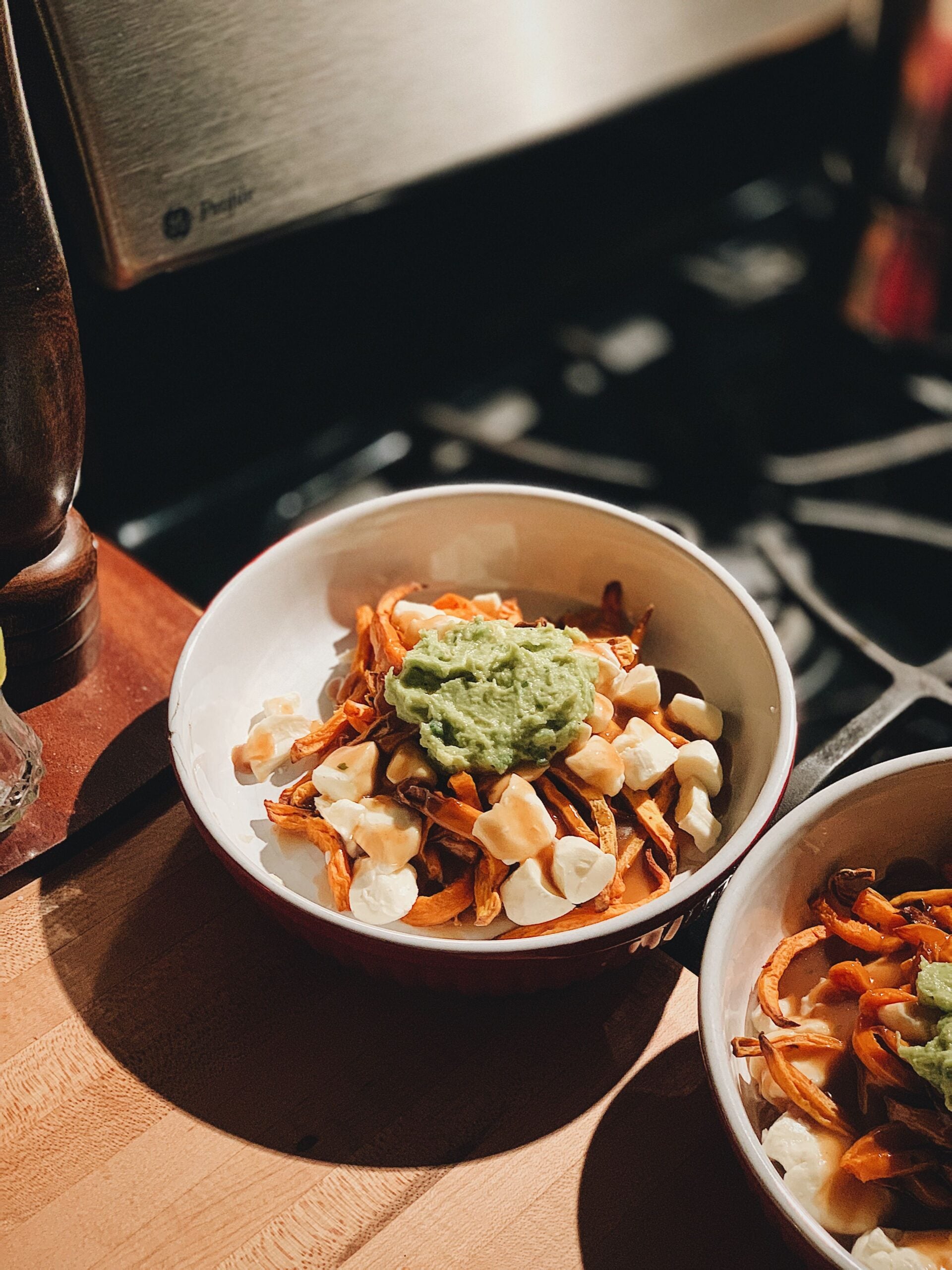
Good poutine is not just fries with sauce poured on top. The gravy has a specific job, bringing salt, moisture and heat without turning the fries into mush right away.
Classic Quebec-style gravy is typically brown and savory, often somewhere between a stock-based sauce and a light diner gravy. It should be hot enough to warm the curds, but not so heavy that it buries the potatoes.
That balance is one reason the best versions feel more precise than they may look. A strong poutine is messy, but it is not careless. Each part should remain recognizable for at least the first several bites.
Casse-croûtes keep the classic alive

To understand why Quebecers defend their poutine so strongly, it helps to look at where many people eat it. Across the province, small casse-croûtes and roadside counters have kept the classic style in daily circulation.
These spots tend to focus on a short menu of burgers, hot dogs, fries and poutine, which means the dish is not treated like a novelty. It is a standard order, judged by regulars who know exactly how fresh curds should taste and how crisp fries should feel.
That kind of repetition builds a high bar. When a food is part of everyday life instead of a one-off indulgence, local standards usually get sharper, and Quebec poutine benefits from that scrutiny.
Outside versions often change the formula
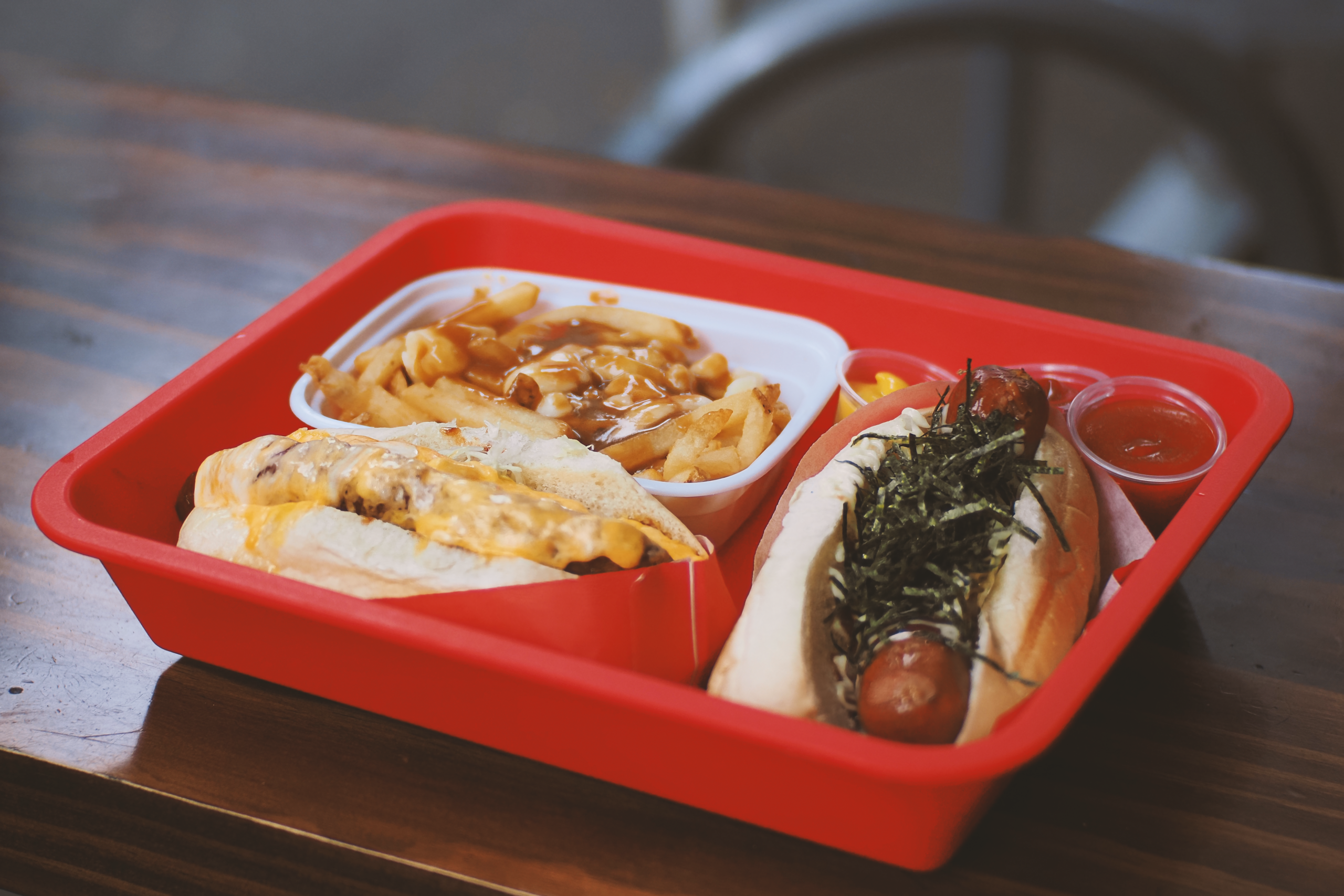
As poutine spread, so did reinterpretations. Some restaurants use mozzarella instead of curds, add pulled pork or swap in elaborate sauces that turn the original into something closer to loaded fries.
Those versions can still be enjoyable, but they are usually proving a different point. They show how flexible poutine can be, not necessarily what makes the Quebec model enduring.
That distinction matters in the debate over who does it best. If the question is about creativity, many places compete. If the question is about the classic form, Quebec has the strongest claim because it shaped the rules in the first place.
The best argument is on the plate
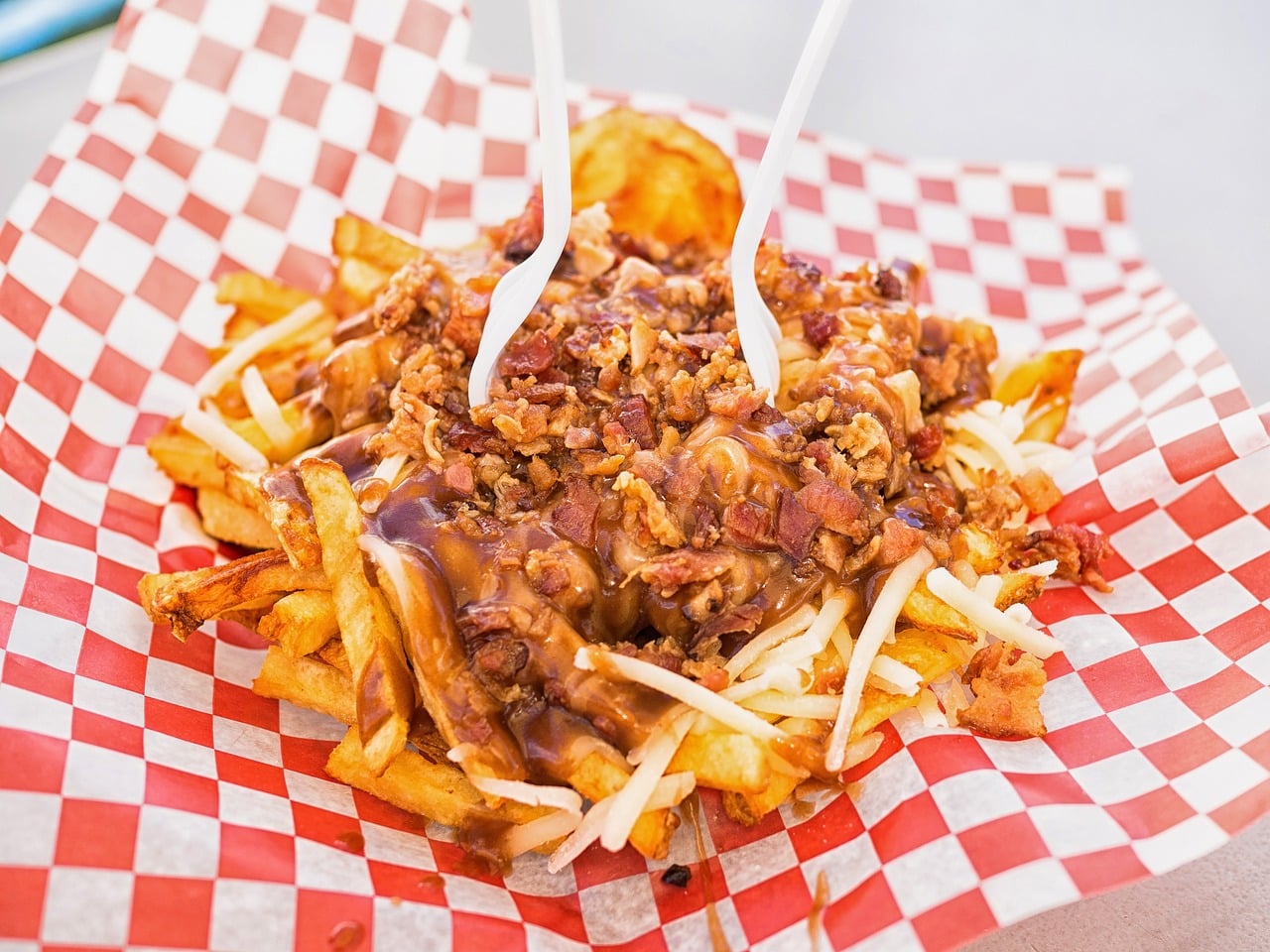
In the end, the case for Quebec poutine is less about pride than about proximity to the original ingredients and traditions. Fresh curds, proper gravy and fry-shop know-how are easier to preserve where the dish began.
That does not mean every poutine in Quebec is automatically superior, or that great versions cannot be found elsewhere. It means Quebec still provides the clearest reference point for what poutine is supposed to be.
So, do Quebecers have a point. On the evidence of history, ingredients and everyday practice, yes. Their version is not just famous, it is the one most others are trying to match.



Leave a Reply