
Diet Coke has long been a supermarket staple, but it has picked up a different kind of cultural weight with Gen Z. The can now shows up as an accessory, a meme, and a marker of a certain polished, in-the-know image.
The can became part of the look
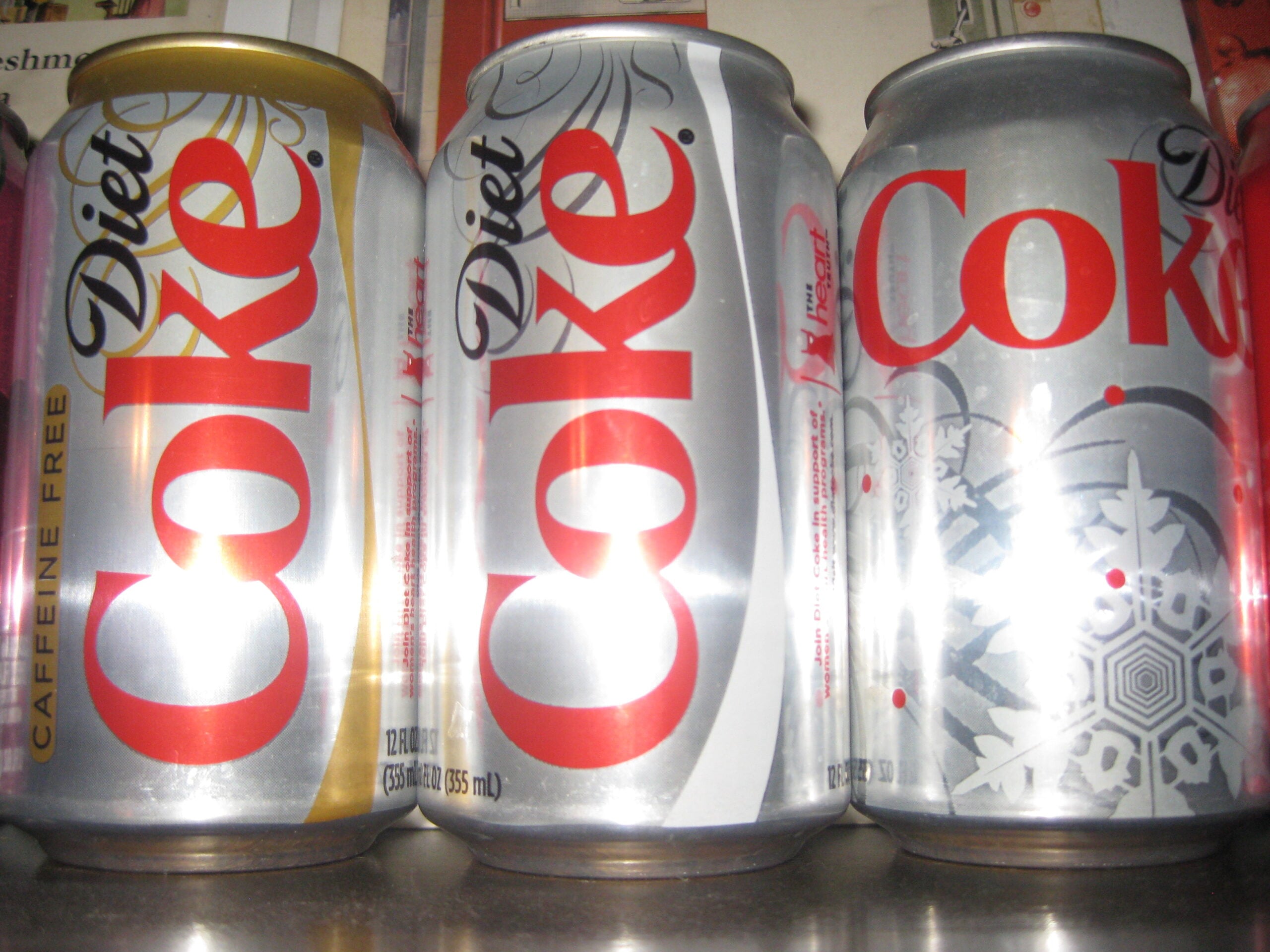
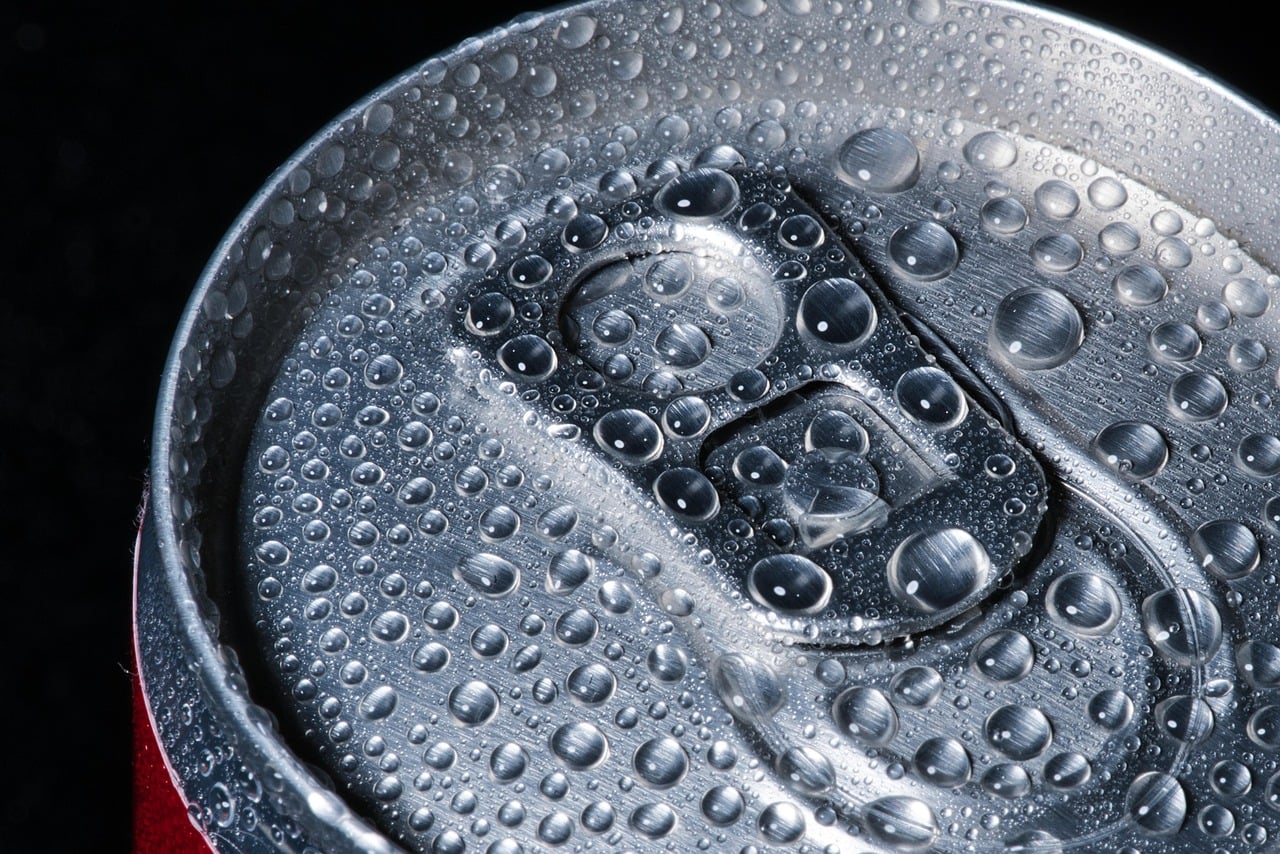
One reason Diet Coke reads differently now is simple: it photographs well. Its silver can, red lettering, and familiar shape fit neatly into the clean, minimal visual style that dominates many Gen Z social feeds.
That matters because status today often travels through images. A handbag, manicure, sneaker, or drink can all work as shorthand for taste.
Diet Coke benefits from being recognizable without feeling overly expensive or staged. In photos, it can suggest effortlessness, which is often more valuable online than obvious luxury.
Fashion and celebrity culture gave it new cachet
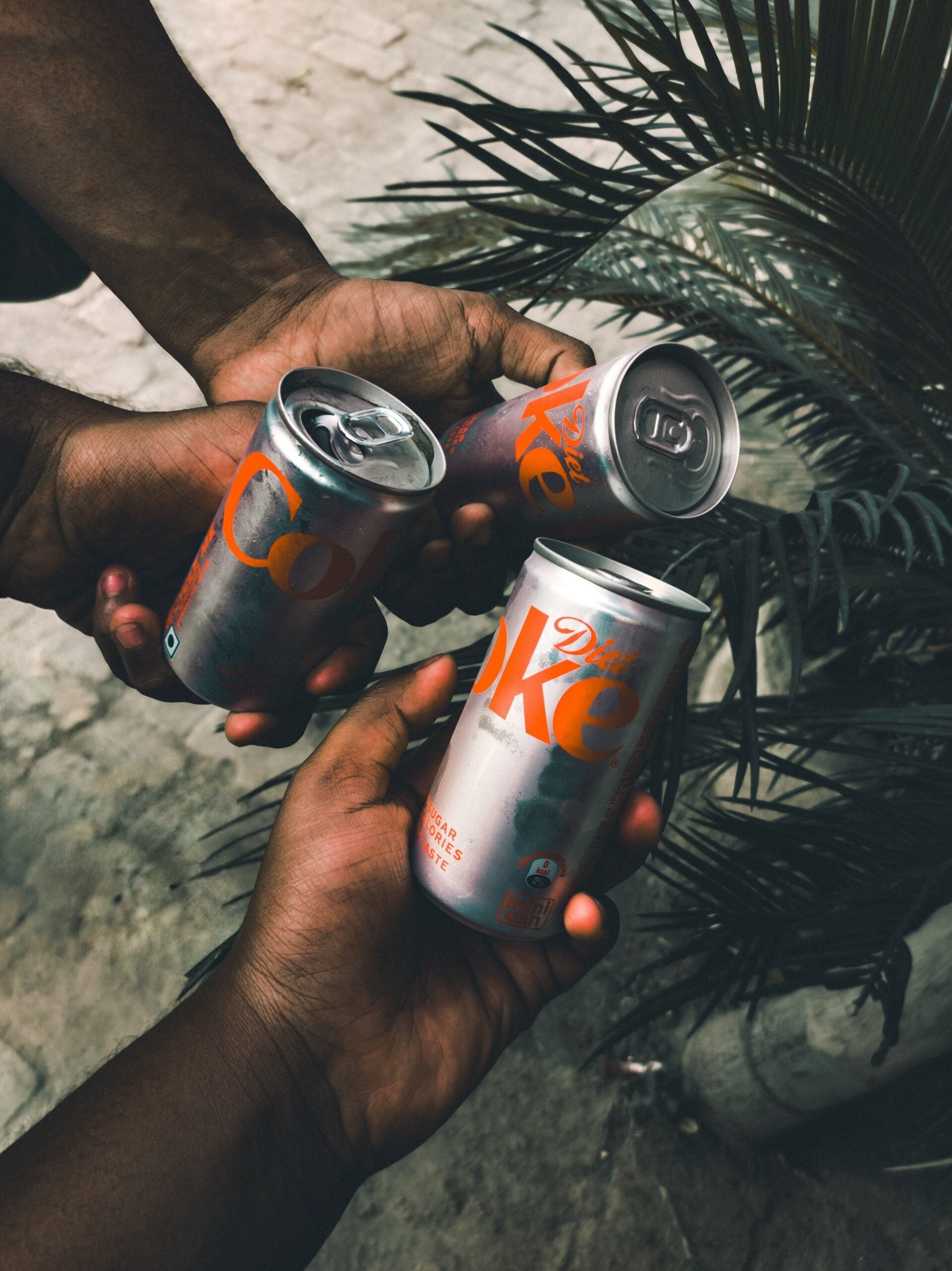
Diet Coke has also gained status from the company it keeps. It has been linked in public imagination to fashion offices, models, editors, and celebrities whose daily habits are closely watched and copied online.
For younger audiences, that association turns an ordinary soda into a cultural prop. It is less about thirst than about signaling a certain cool, busy, city-centered lifestyle.
That kind of borrowed prestige is common in consumer culture. A product does not need to be new to feel current, it just needs to appear in the right hands and the right settings often enough.
Social media turned a private preference into a public identity
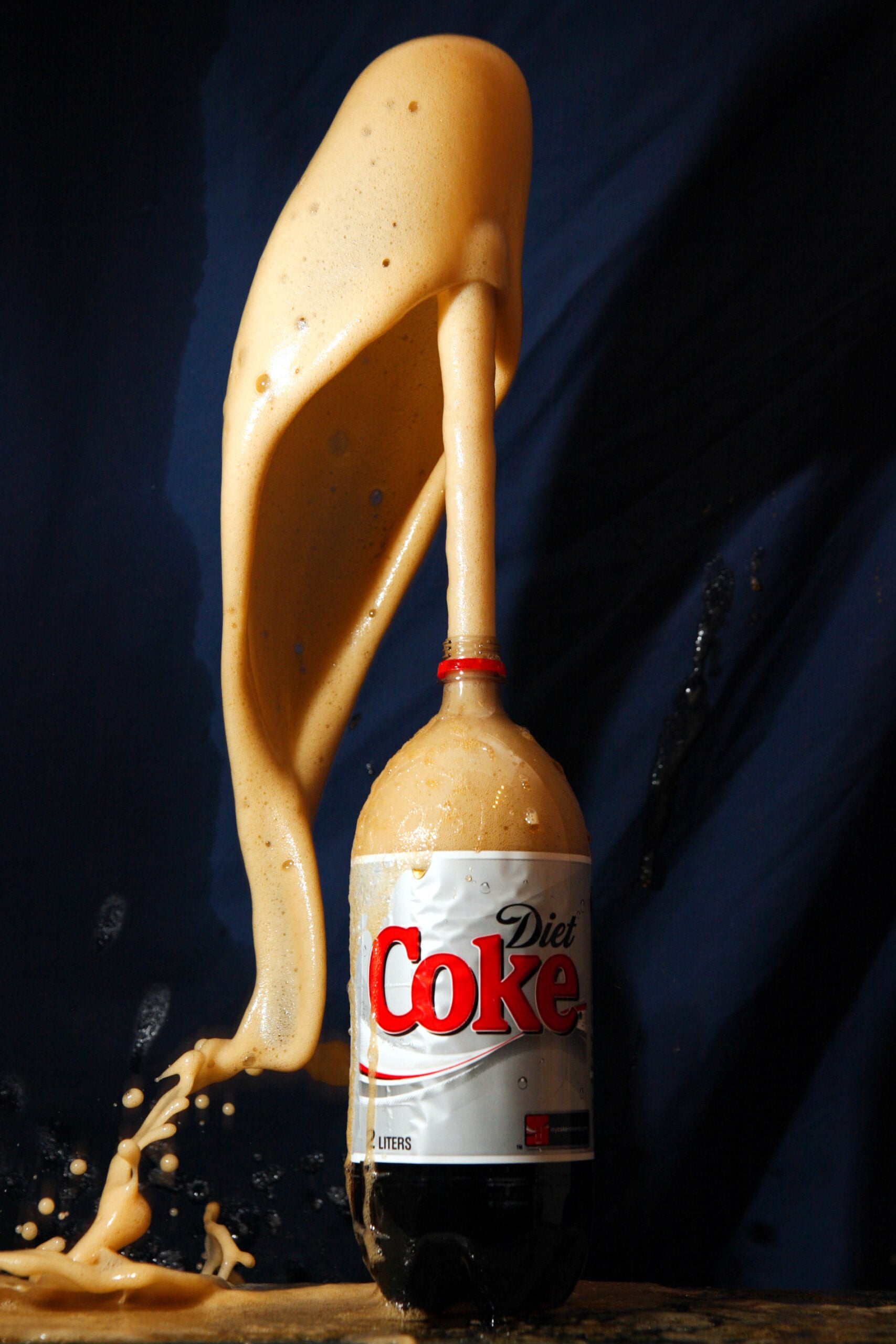
A drink used to be a small personal choice. On TikTok and Instagram, it can become part of a whole persona, especially when creators build recurring routines around what they carry, sip, and display.
Diet Coke fits perfectly into that loop because it is inexpensive, easy to find, and instantly legible on camera. Viewers do not need an explanation to understand the reference.
That visibility helps transform preference into identity. The more often people see Diet Coke framed as witty, stylish, or slightly self-aware, the more those meanings stick to the product itself.
It offers status without the luxury price
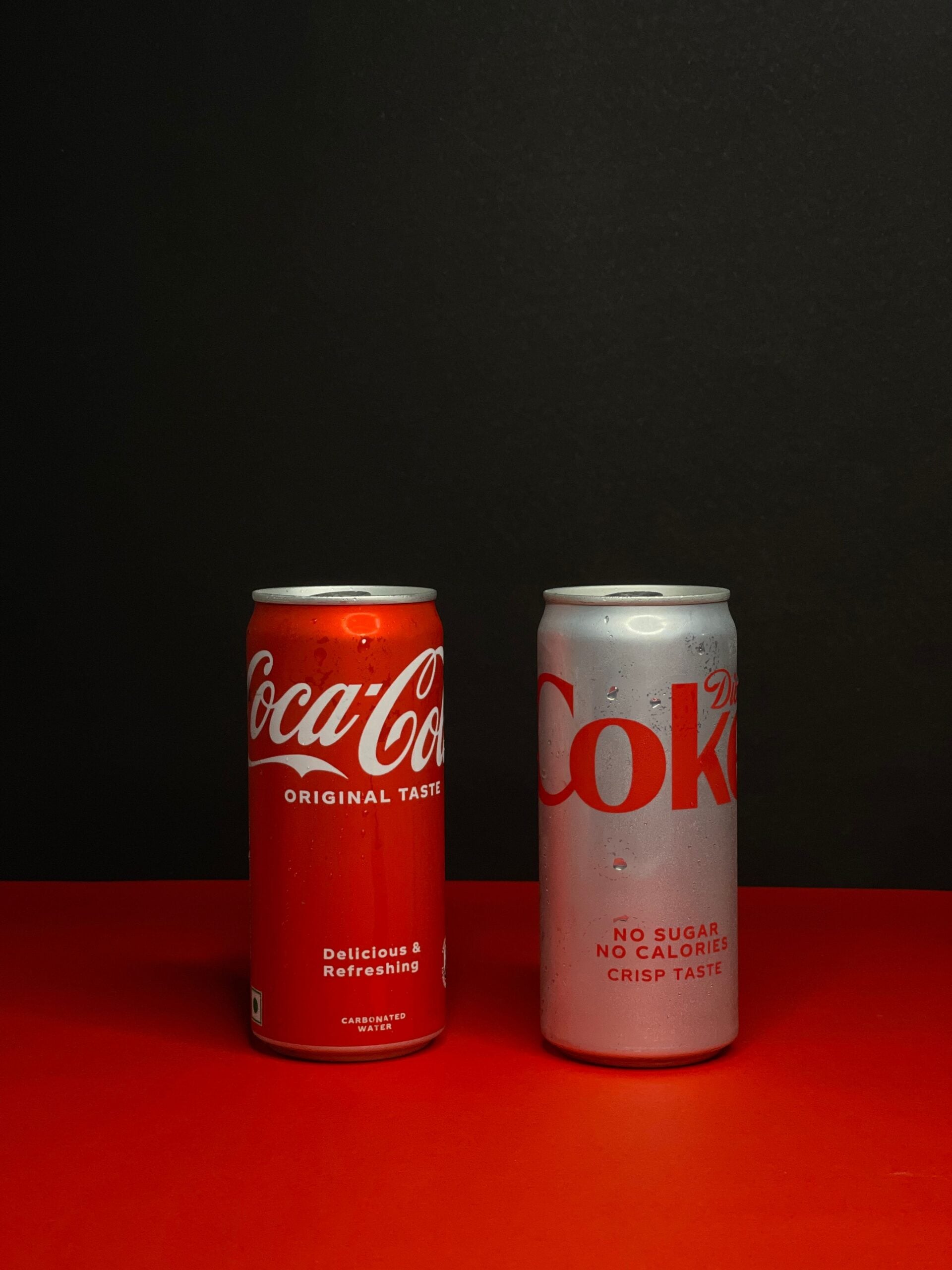
Part of Diet Coke's appeal is that it functions like an accessible luxury. It is widely sold and relatively affordable, yet it can still carry social meaning beyond its price.
That combination matters to Gen Z, a generation coming of age amid high rents, student debt, and persistent economic pressure. Obvious wealth signals can feel out of reach or even out of touch.
A small, familiar indulgence lands differently. Holding a Diet Coke can suggest discernment and belonging without demanding a major purchase, which makes it a useful status object in a cost-conscious era.
Drinking habits changed, and Diet Coke filled a gap
Gen Z has also been associated with lower alcohol consumption than some older groups, which has made nonalcoholic drinks more socially visible. As drinking occasions change, what people hold in their hand can take on extra importance.
That shift opens more room for soda, sparkling water, and other packaged drinks to carry personality. In some settings, the can itself becomes part of the outfit and the mood.
Diet Coke benefits from this transition because it already had cultural history. It feels more specific than plain water and more knowing than many newer wellness-branded beverages.
Nostalgia and irony helped seal the appeal
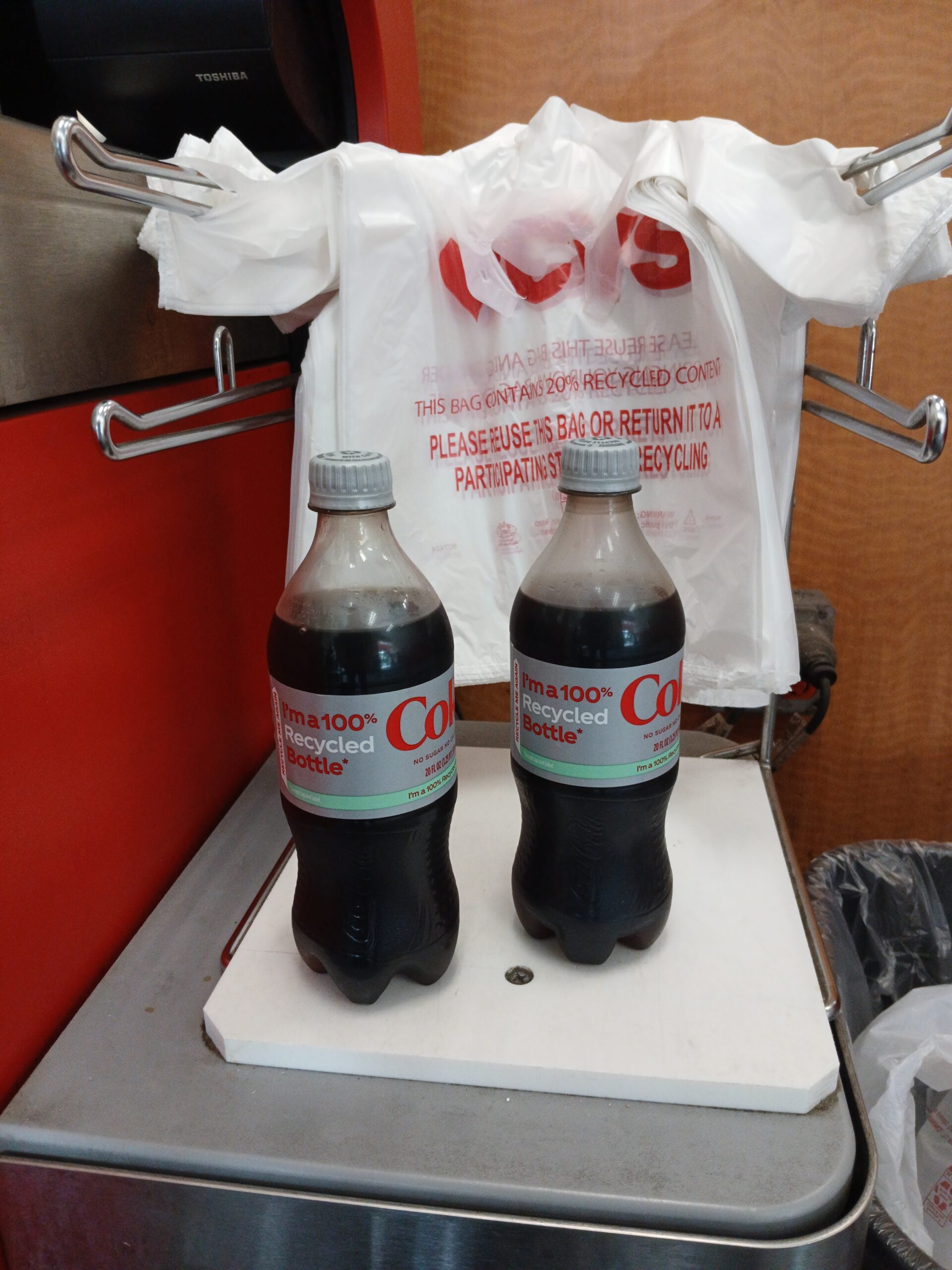
Part of the drink's power comes from its age. Diet Coke is not a startup brand trying to manufacture coolness, and that gives it an advantage with younger consumers who are often wary of anything that feels overmarketed.
Older products can gain new life when they are adopted with a mix of sincerity and irony. Diet Coke works on both levels at once, which is a rare cultural position.
That is why its current status feels durable rather than random. For Gen Z, the can can signal taste, humor, nostalgia, and social fluency all in one glance.



Leave a Reply