
A lot of pantry hacks go viral because they look neat on camera. The useful ones do something better: they protect flavor, reduce waste, or make everyday ingredients easier to store and use. These 10 TikTok favorites hold up under real kitchen standards, including advice chefs regularly rely on.
Store brown sugar with a moisture keeper
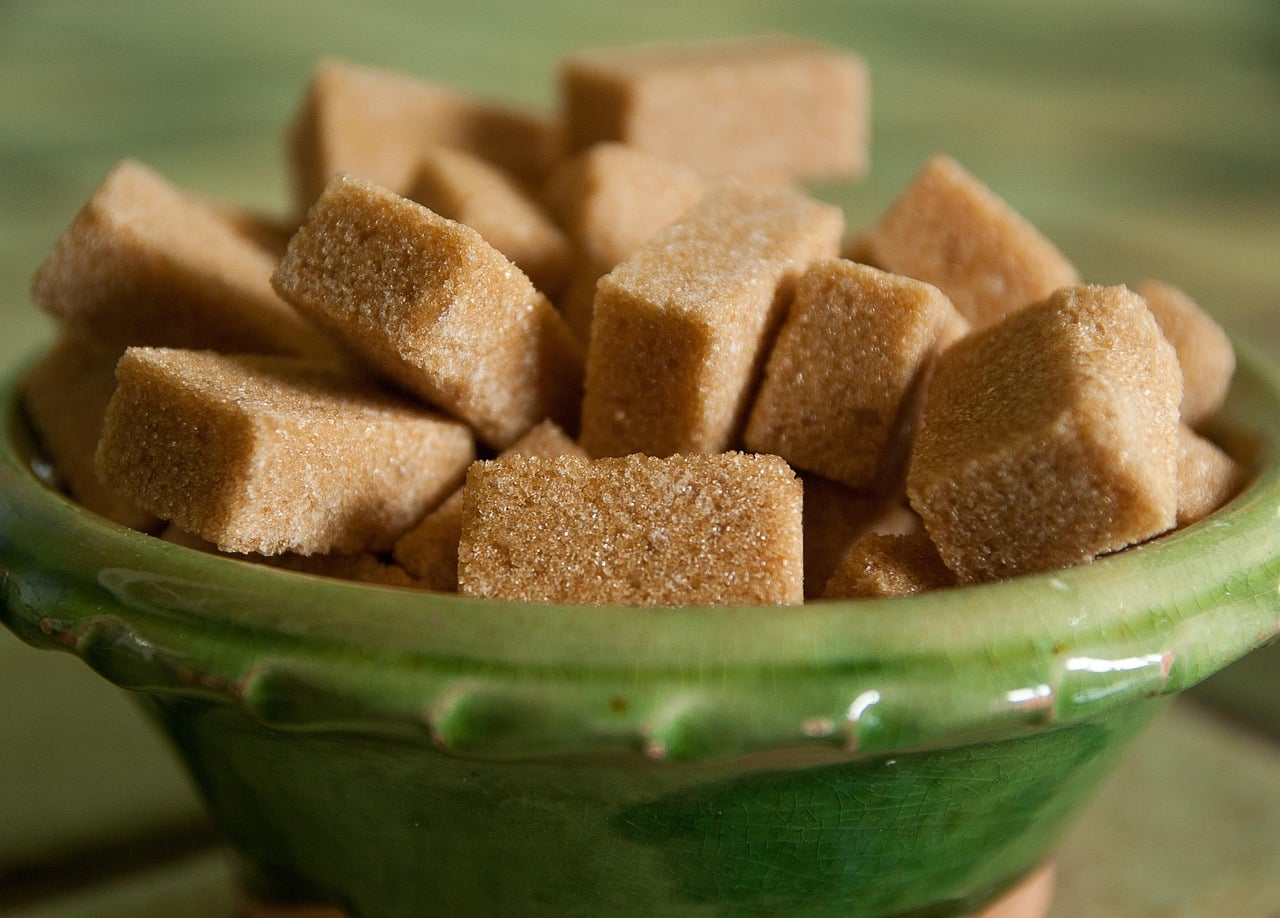
Brown sugar fails in a very specific way. It loses moisture and turns into a hard brick because its molasses coating dries out. That is why one of the most practical TikTok tricks is also one bakers have used for years: add a food safe moisture keeper, such as a terra-cotta brown sugar saver that has been soaked in water and wrung out before use.
Chefs like this method because it addresses the actual problem instead of masking it. A proper moisture disk helps keep brown sugar soft enough for measuring and creaming into butter. It works better than smashing hardened sugar with a spoon right before baking, and it can help extend the usable life of an opened bag when the container is sealed tightly.
Freeze nuts and whole grain flours
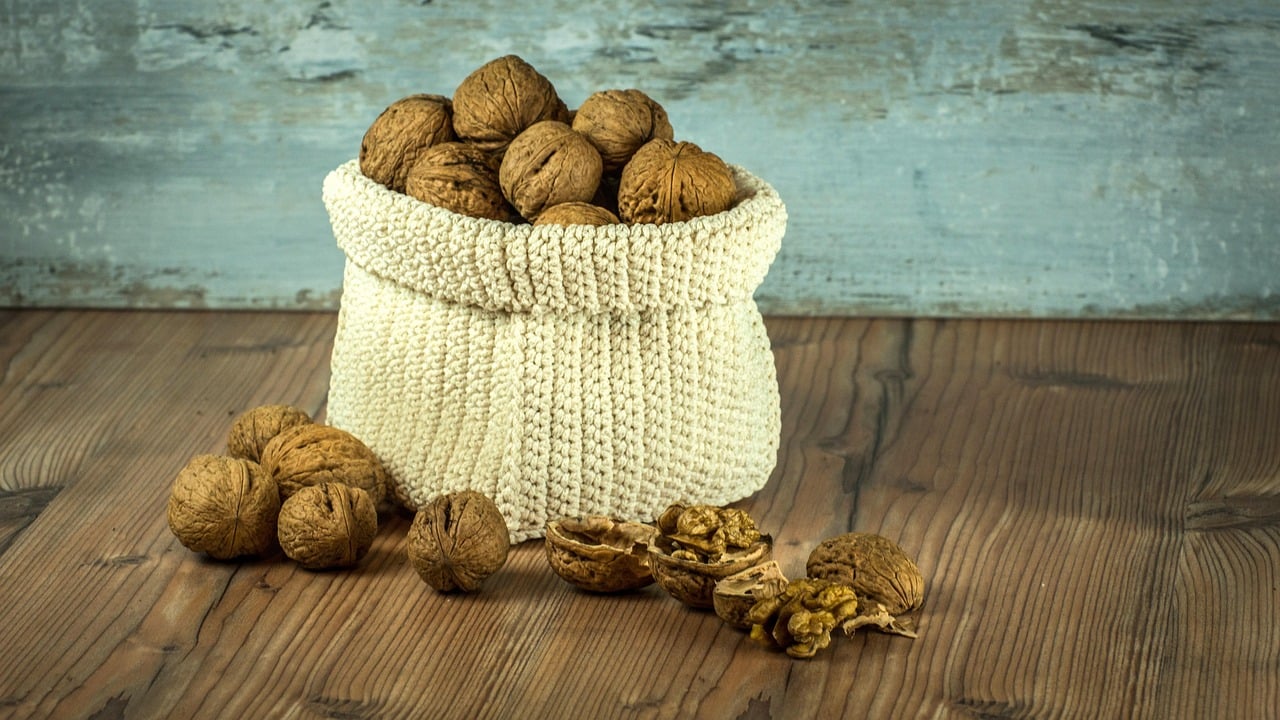
Pantry staples that seem shelf stable are not always stable for long. Nuts, seeds, and whole grain flours contain natural oils, and those oils can go rancid when they sit too long at room temperature. That is why chefs often back up a popular TikTok tip: move these items to the freezer if you are not using them quickly.
Cold storage slows oxidation, which is the process that causes off flavors and stale aromas. In practice, freezing walnuts, almonds, sesame seeds, or whole wheat flour can protect their flavor far better than leaving them in a warm cabinet. The texture stays usable, and many of these ingredients can be measured straight from frozen, which makes the trick easy to keep up.
Keep spices away from the stove
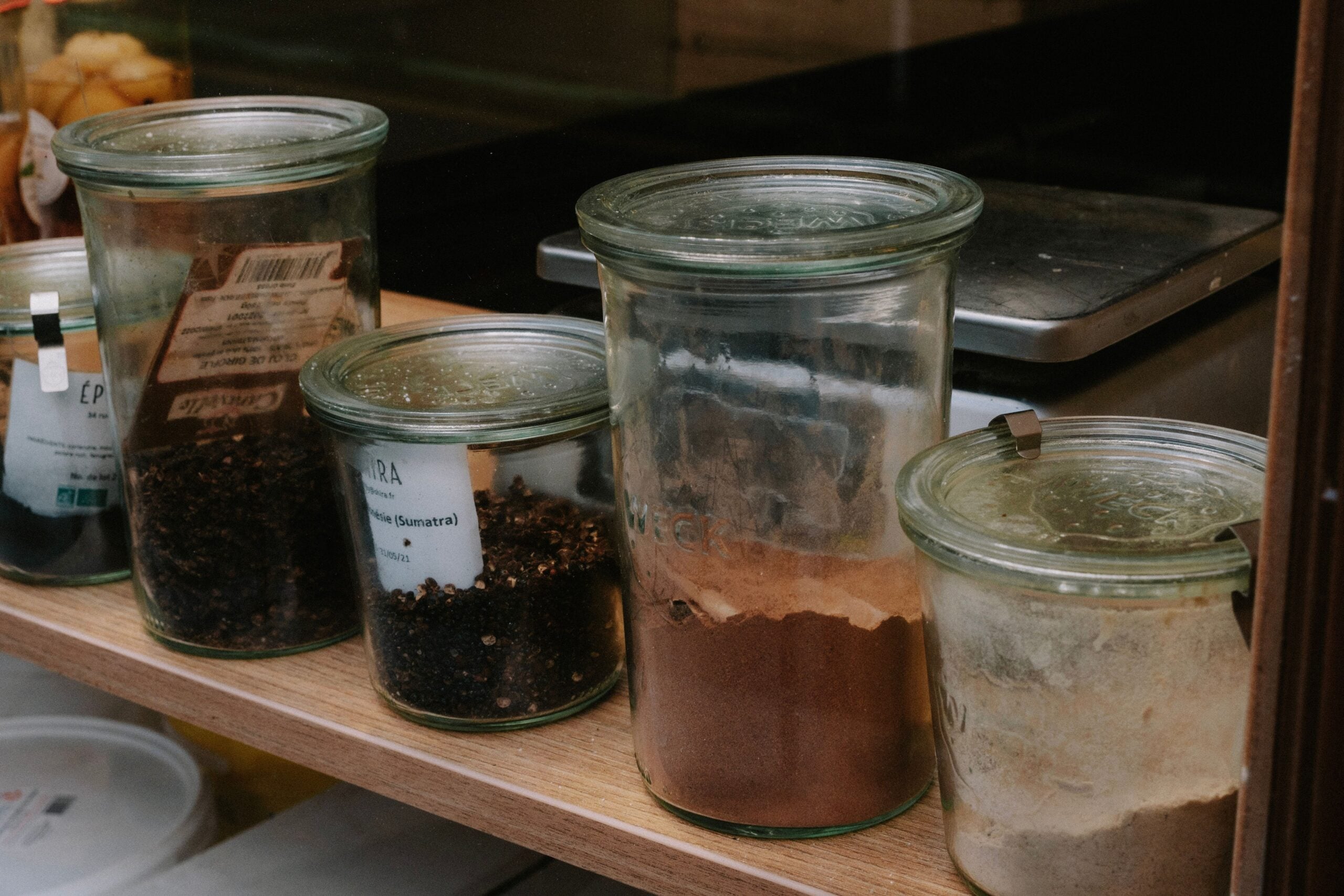
A spice rack beside the range looks convenient, but heat, light, and steam work against flavor. Many TikTok organizers now point this out, and chefs agree for a simple reason: spices keep their potency longer in a cool, dark, dry place. Paprika, cumin, cinnamon, and dried herbs all lose punch faster when they are exposed to temperature swings and moisture.
This is less about food safety and more about quality. Ground spices do not usually spoil dramatically, but they become flat and dusty tasting over time, especially near a hot cooktop. A cabinet away from the oven is usually a smarter home. The payoff is subtle until you taste the difference in a soup, rub, or tomato sauce that actually carries the spice you paid for.
Add a bay leaf to dry goods
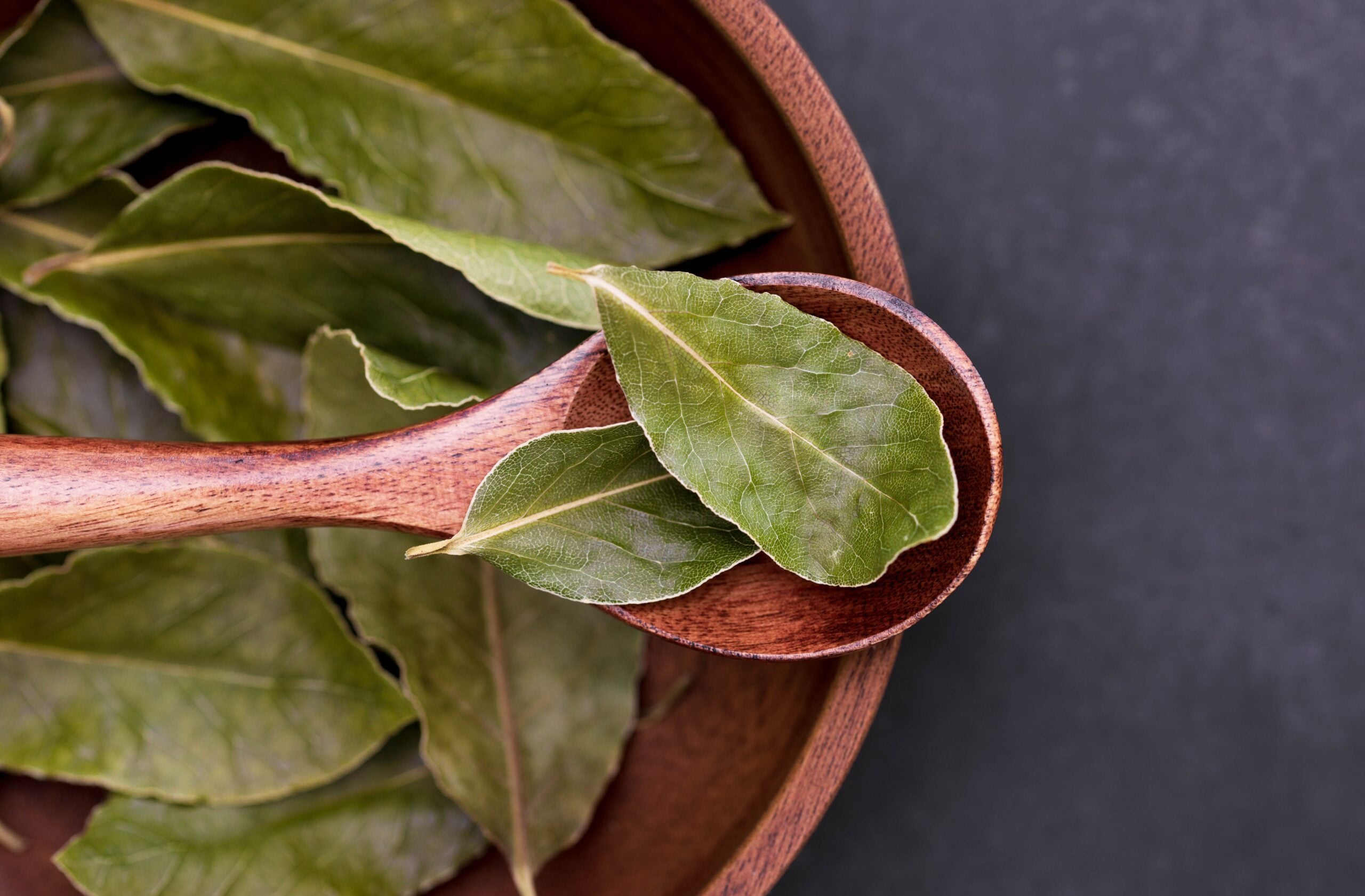
This hack has been circulating for years and TikTok gave it new life: tuck a bay leaf into containers of rice, flour, or dried beans. Chefs who support it are usually talking about pest prevention, not magic preservation. Bay leaves have a strong aroma, and many home cooks use them as a mild deterrent for pantry moths and weevils in stored dry goods.
The key is keeping expectations realistic. Bay leaves do not rescue infested food, and they are not a substitute for airtight storage and a clean pantry. But in a dry, sealed container, they are a simple extra step that some cooks find worthwhile, especially in warm climates or in homes that buy grains and flour in bulk.
Use airtight containers for crackers and cereal
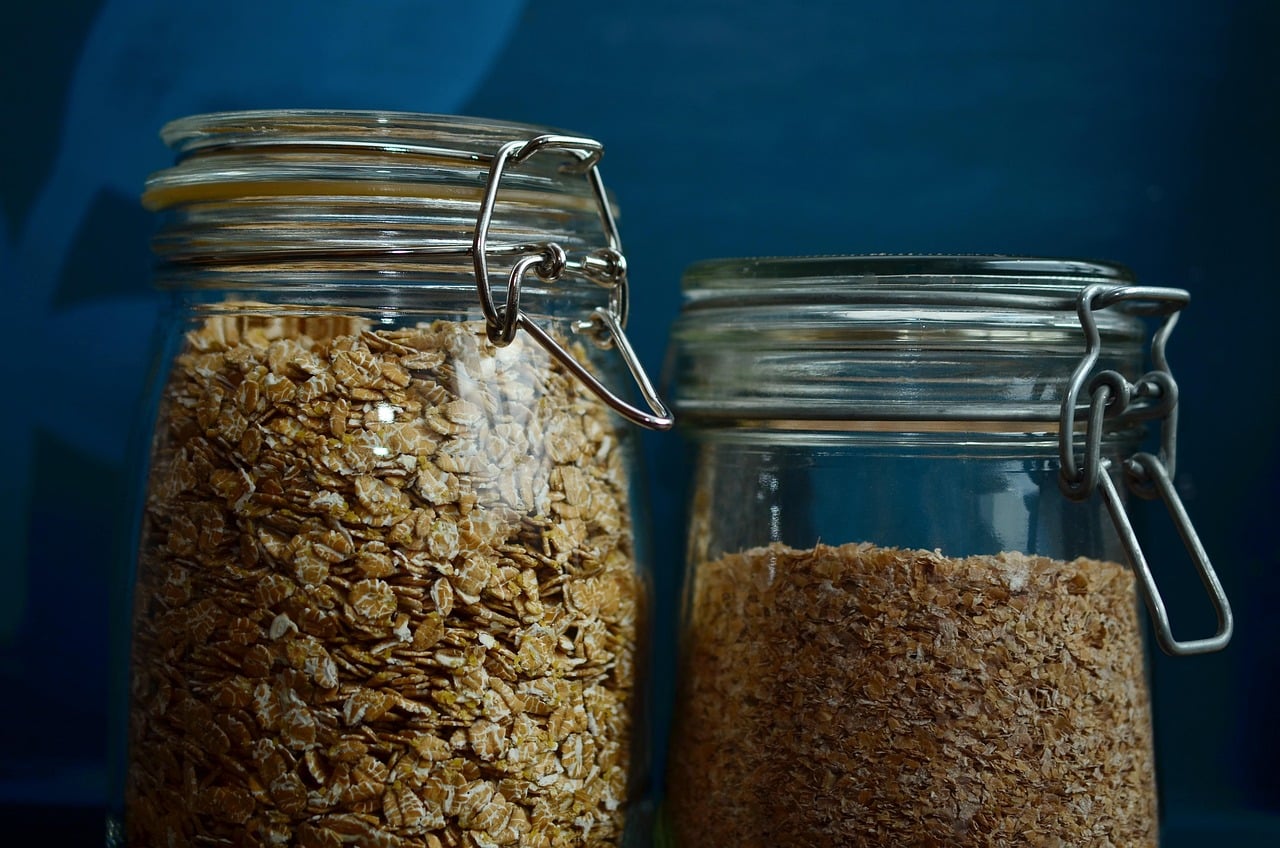
This TikTok habit earns chef approval because it solves a common annoyance with a clear cause. Crackers, cereal, pretzels, and chips go stale when they absorb moisture from the air. Transferring them to truly airtight containers can slow that process and keep texture crisp longer than a loosely folded inner bag held shut with a clip.
The useful part is not the matching labels or the visual order, even if those help some people stay organized. It is the seal. In a busy kitchen, being able to see how much is left also reduces duplicate buying and forgotten half boxes. For families, that can mean less food waste and a better chance that pantry snacks still taste fresh days later.
Date your pantry staples
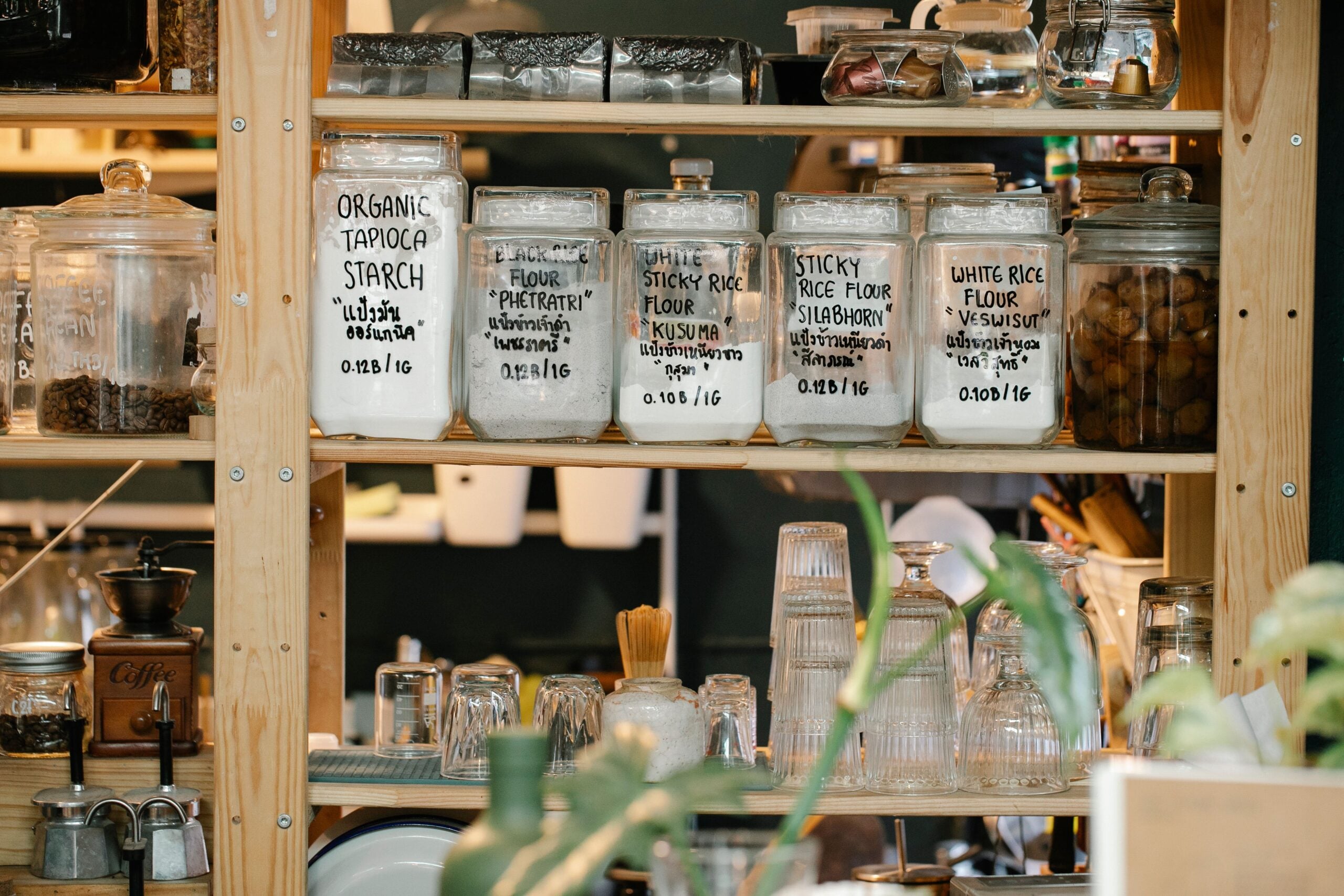
One of the smartest pantry hacks on TikTok is also one of the least flashy: write the purchase or opening date on containers. Chefs use versions of this system constantly because memory is unreliable, especially with ingredients that are used a spoonful at a time. Dried yeast, baking powder, cornstarch, cocoa, and specialty flours can linger far longer than people think.
Dating containers gives context that a best-by date alone often does not. It helps you rotate older items to the front and notice when something has been open long enough to lose strength or flavor. For baking ingredients, that can prevent frustrating results, like cookies that spread oddly or bread dough that never rises as expected.
Store onions and potatoes separately
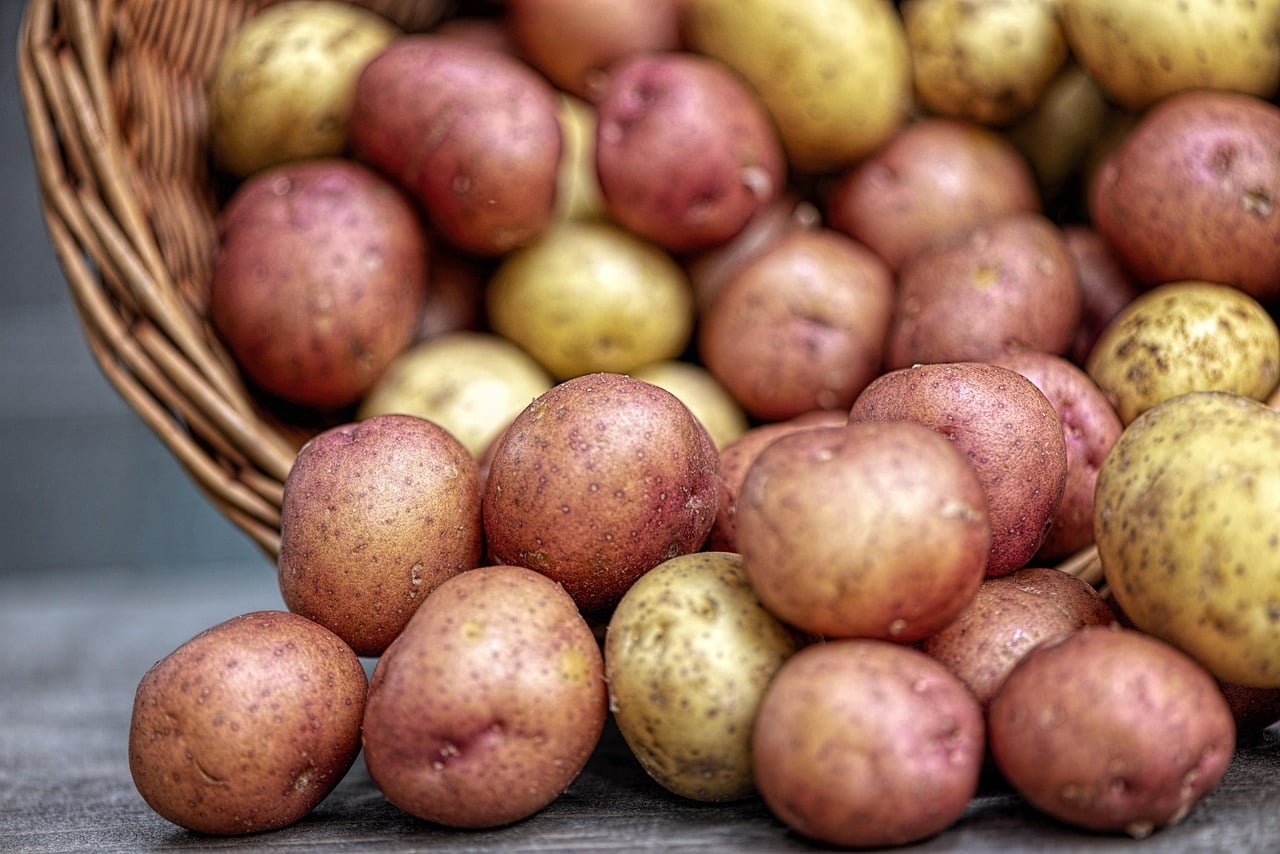
This trick matters because two sturdy vegetables can shorten each other's life when stored together. Potatoes and onions both release gases and moisture as they age, and chefs often recommend keeping them apart in cool, dark, well ventilated spots. TikTok creators who separate them into baskets or bins are following storage advice that is grounded in how produce actually ripens and breaks down.
The payoff is less sprouting and less rot. Potatoes also do better when protected from light, which can turn them green and bitter. Onions need airflow to stay dry. The setup does not need to be fancy, but it does need space and ventilation. A crowded cabinet with both vegetables piled together usually invites waste faster than people expect.
Freeze fresh ginger in the pantry workflow
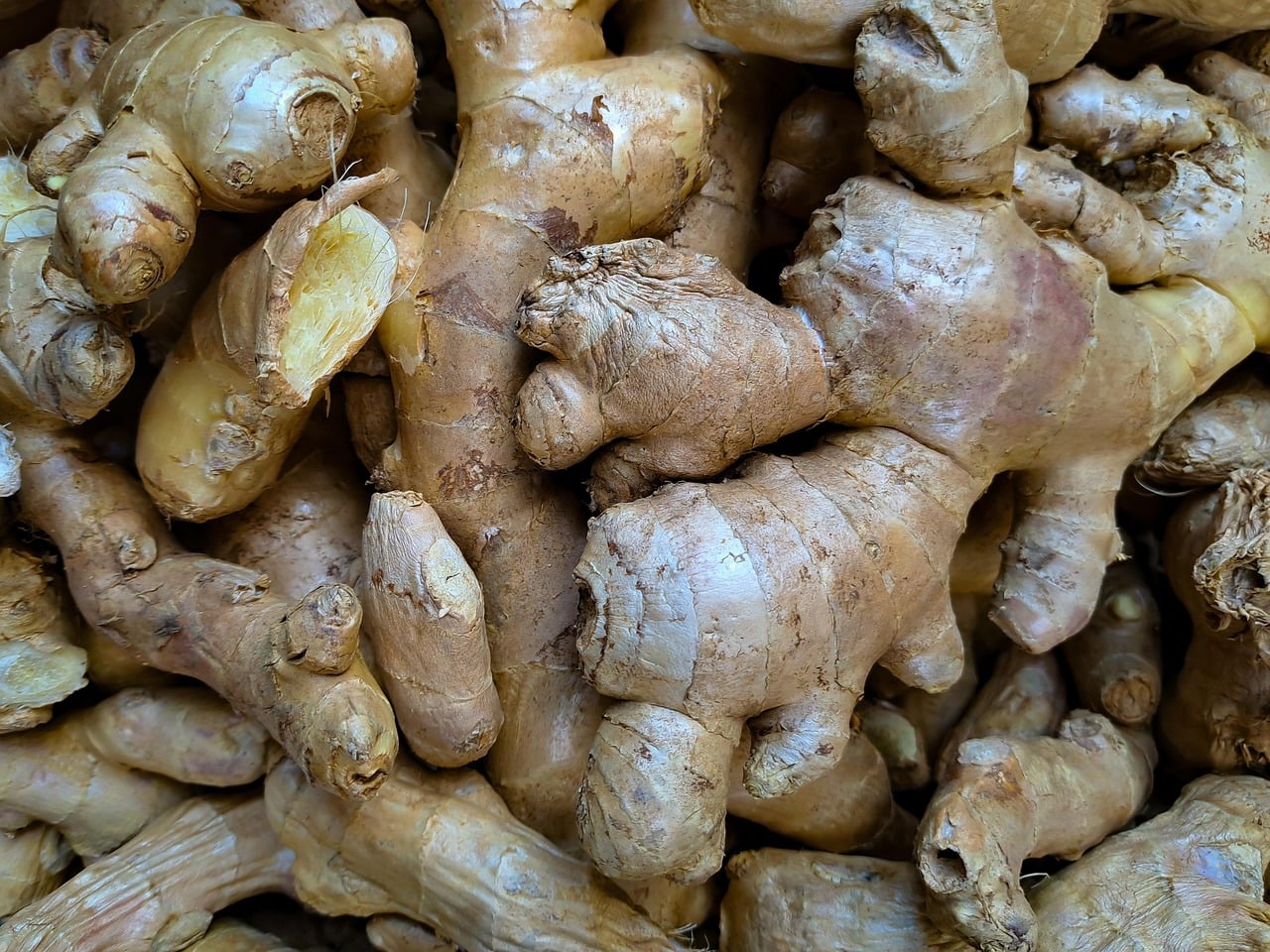
Not every pantry hack is strictly shelf storage. Some of the best ones improve how a staple ingredient moves between pantry, fridge, and freezer, and ginger is a strong example. Many chefs endorse the TikTok trick of freezing fresh ginger whole, then grating it directly from frozen when needed for stir fries, marinades, dressings, or tea.
This works because ginger's fibrous texture becomes easier to grate when frozen, and the root keeps far longer than it would in a fruit bowl or crisper drawer. It also cuts down on waste from shriveled knobs that never get finished. For home cooks who use ginger in small amounts, this is one of the rare hacks that saves time, money, and effort all at once.
Vacuum seal or jar bulk grains
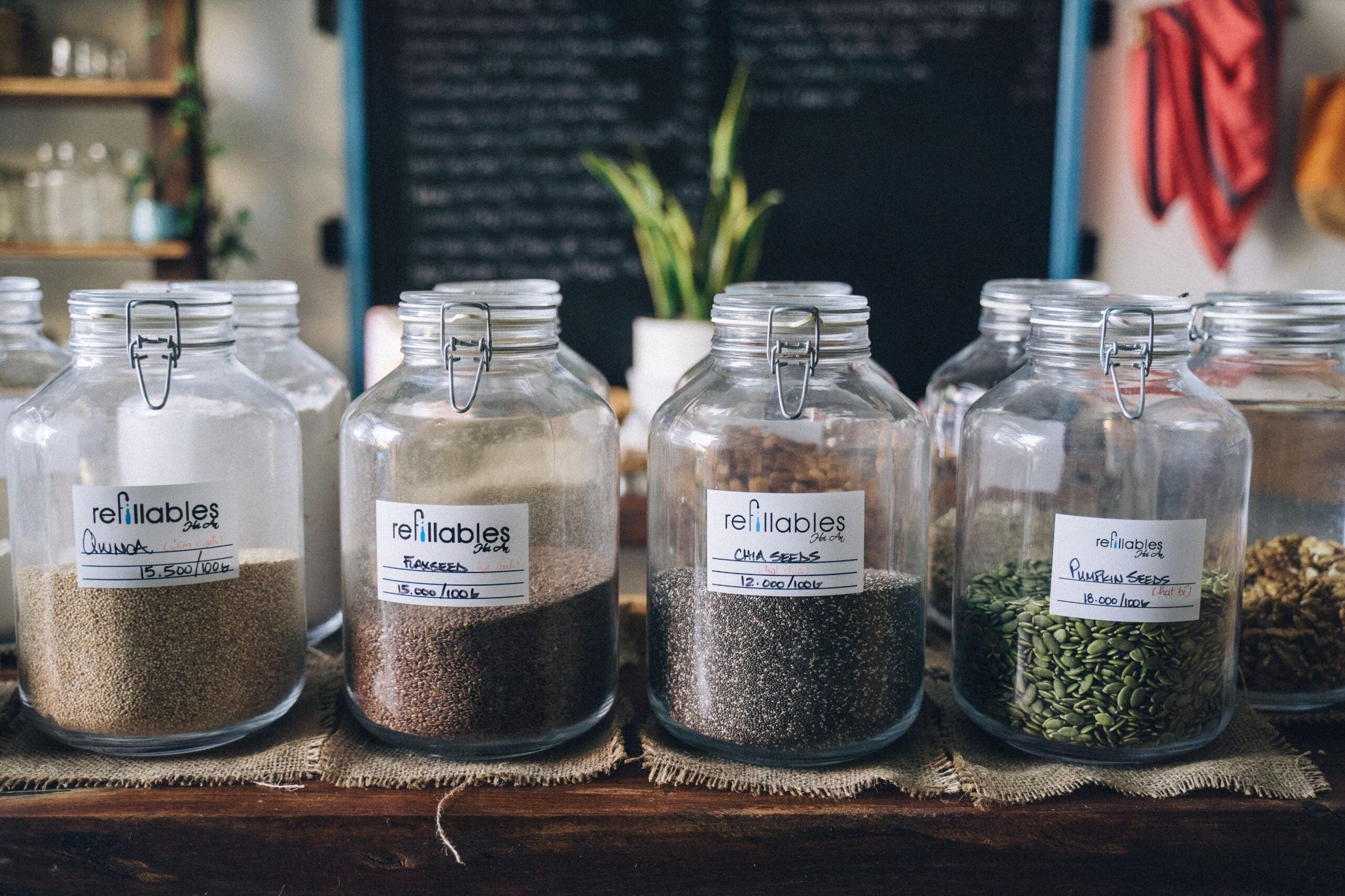
Buying rice, oats, lentils, and beans in bulk can save money, but only if the food stays in good condition long enough to use. That is why chefs often support the TikTok move toward vacuum sealing or transferring dry goods into large glass jars or heavy duty airtight bins. The point is to limit air, humidity, and accidental contamination from torn bags.
This is especially helpful in humid kitchens, apartments with limited storage, or homes where pantry pests are a recurring issue. Clear containers also let you inspect ingredients quickly for clumping, insect activity, or low stock. The result is not just a prettier shelf. It is a more reliable system for keeping staple foods clean, visible, and ready to cook.
Keep baking soda in the pantry, not just the fridge
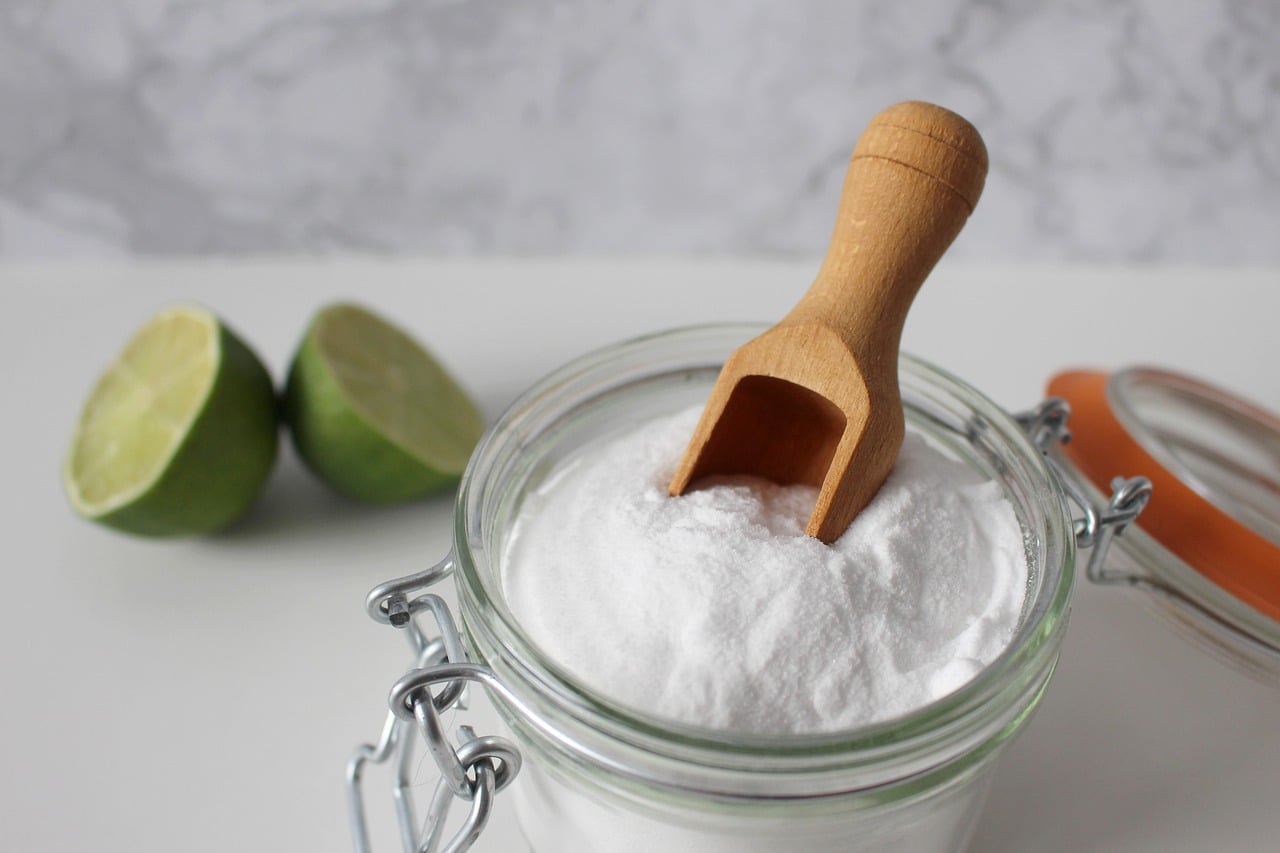
Baking soda is famous as a deodorizer, but chefs value it most as a working pantry tool. TikTok has helped reintroduce people to its practical uses beyond baking, including tenderizing beans in some recipes, helping certain vegetables retain color during boiling, and serving as part of a gentle produce wash when used carefully and rinsed well.
The real pantry lesson is accessibility. When baking soda is easy to reach and clearly labeled, it gets used for more than occasional cookies. Like other leaveners, though, it should be replaced periodically because old product can lose reliability in recipes. This hack lands because it is not really a trick at all. It is a reminder to treat a basic ingredient like the useful multitasker it is.

Leave a Reply