
Some grandmothers cooked from memory, touch, smell, and repetition more than from written recipes. That was not magic. It was a set of skills built over years in kitchens where ingredients, tools, and daily routines taught them exactly how food should look, feel, and taste.
A hand that knew the right amount
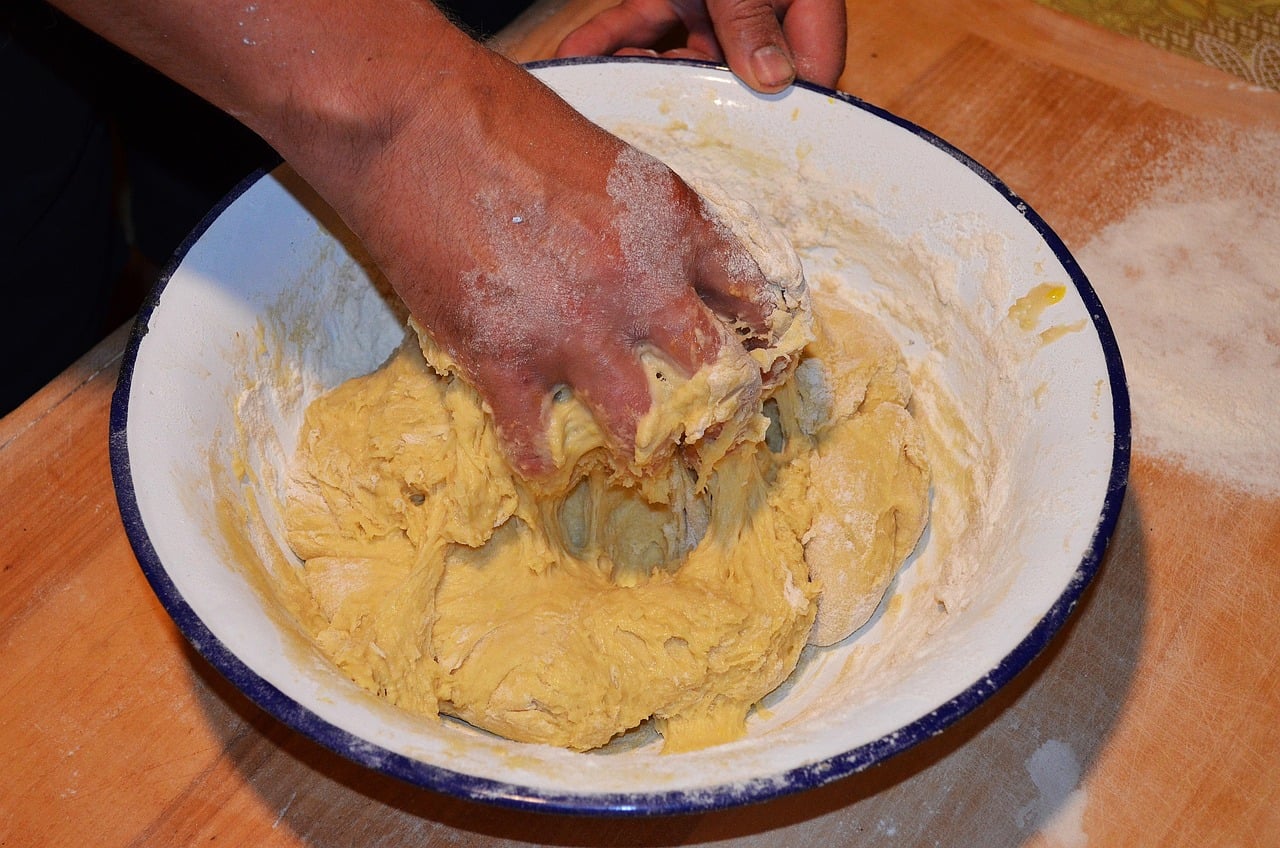
A grandmother who said "just enough flour" was often working from muscle memory, not guesswork. Repeating the same biscuit, dumpling, or pie dough recipe hundreds of times teaches the hand what a cup of flour feels like and how much salt fits between the fingers.
Professional bakers still rely on this principle, though they usually confirm it with scales. In home kitchens, repeated motions build consistency. A cook who reaches for the same spoon, bowl, and skillet every day is also measuring with familiar tools, even if no measuring cup ever appears in the photo.
The dough told her what it needed
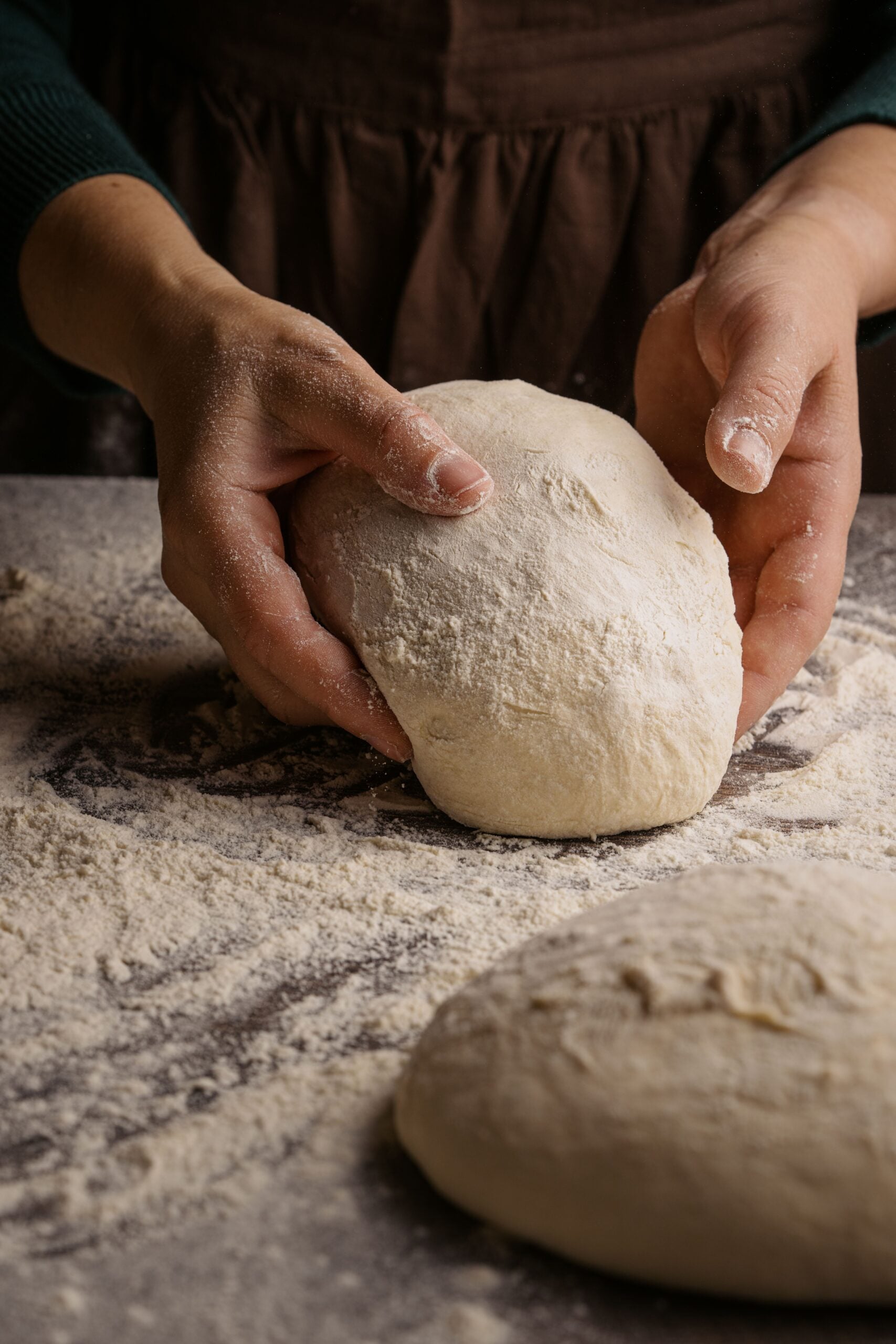
Many old family recipes were adjusted in real time because ingredients do not behave exactly the same every day. Humidity, flour type, butter temperature, and even the size of an egg can change a dough or batter before it ever reaches the oven.
Experienced cooks learned to watch for cues. Bread dough should feel elastic and slightly tacky. Pancake batter should pour in a thick ribbon. Pie crust should hold together when pressed. Instead of following a fixed number, they followed texture, which is often the more reliable guide when kitchen conditions shift.
Taste was part of the recipe
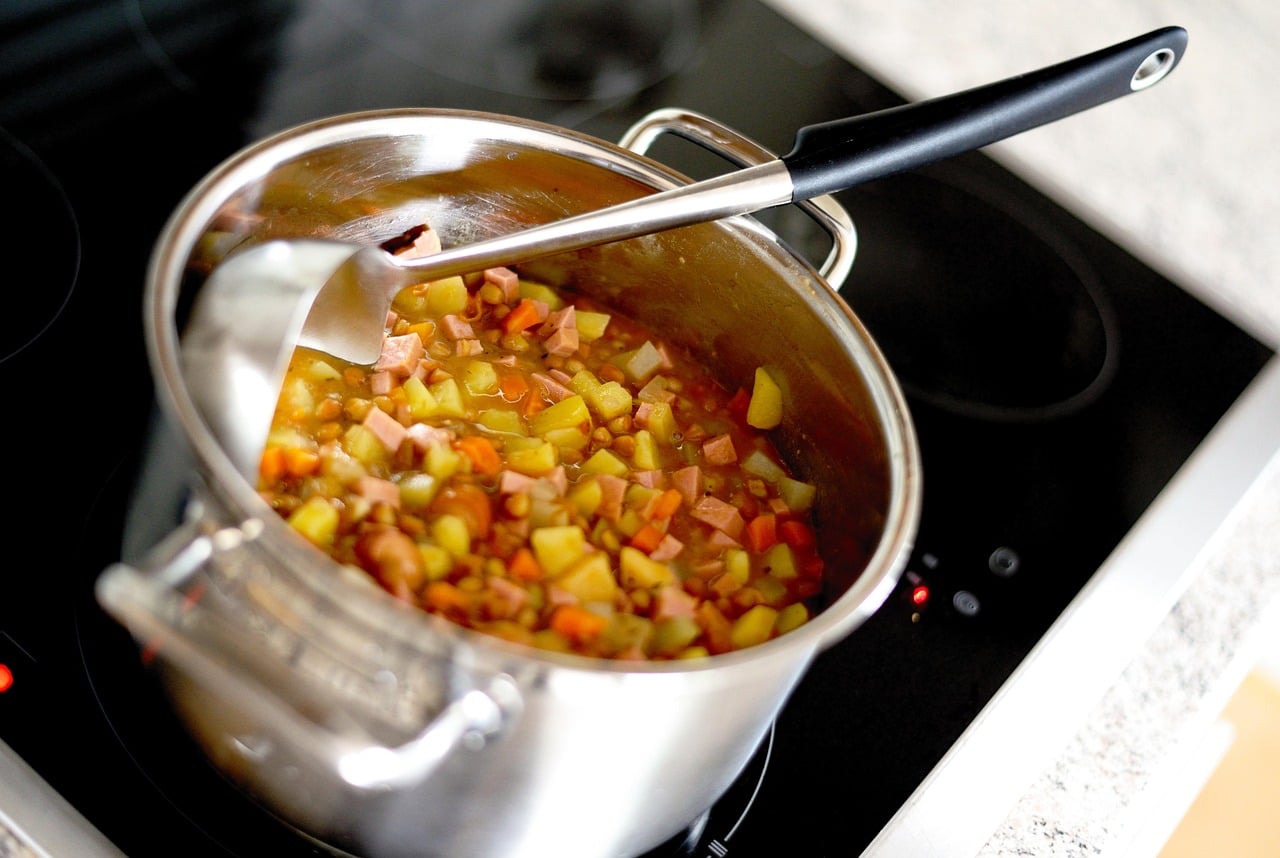
Grandma often seasoned in layers, tasting as she went. That habit matters because salt, acid, sweetness, and spice change as food cooks, reduces, and rests. A soup that seems flat at the start may balance out later, while a stew can become too salty if adjusted too aggressively too soon.
This is one reason many handwritten family recipes seem vague. "Season to taste" assumes the cook is actively paying attention. Modern recipe testing tries to standardize outcomes, but skilled home cooks still use tasting as a form of measurement, especially in sauces, gravies, braises, and fillings.
Her ingredients were familiar
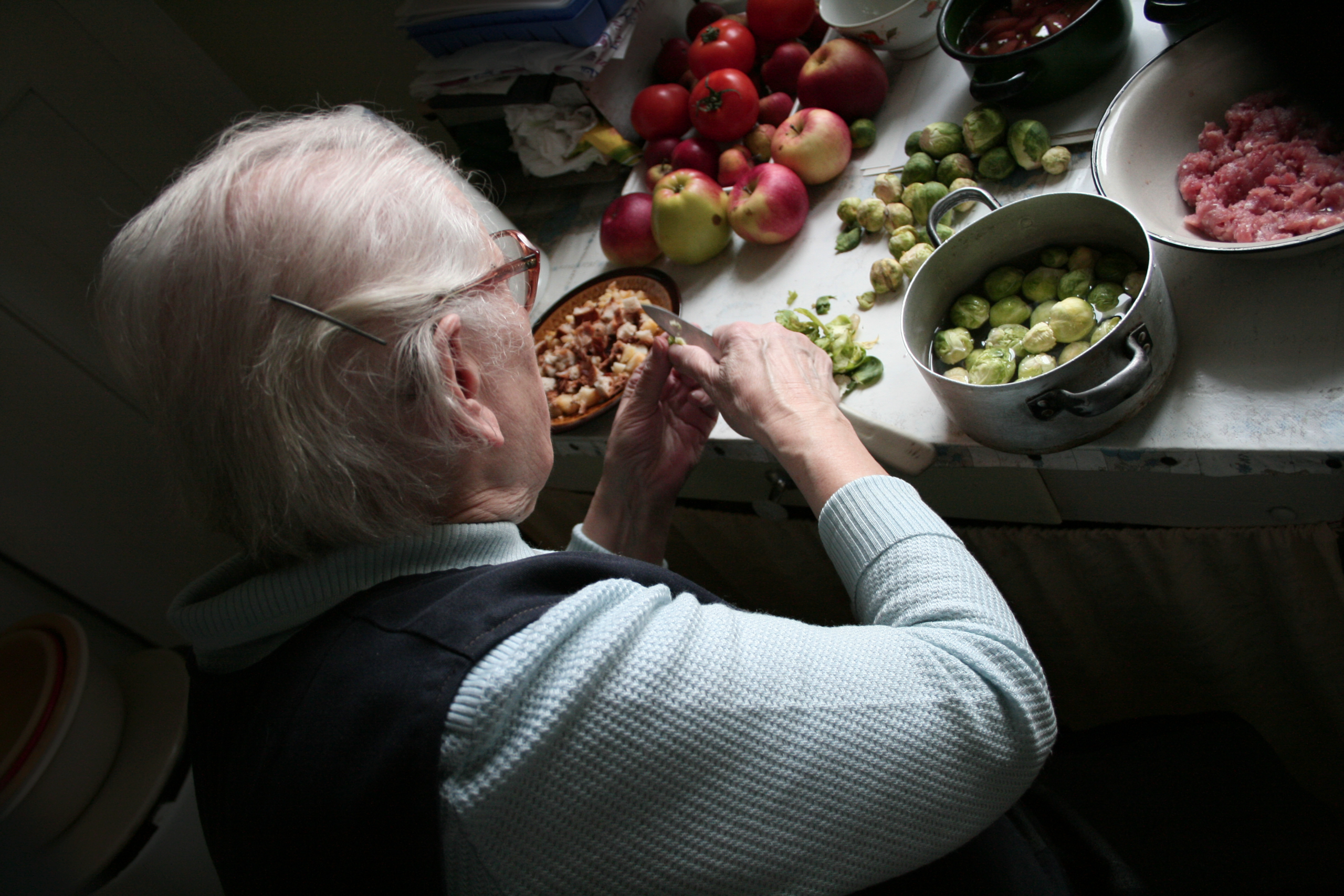
Older cooks often used the same brands, same local produce, and same pantry staples for years. That kind of consistency made intuitive cooking easier. If your flour always absorbs about the same amount of liquid and your cast iron pan heats in a predictable way, your instincts become more dependable.
Today, ingredients can vary more than people realize. Butterfat percentages, kosher salt crystal size, canned tomato acidity, and even chicken size can affect a recipe. Grandma's method worked partly because she knew her ingredients deeply. She was not cooking generally. She was cooking with ingredients she understood very specifically.
Time and heat were learned by sight
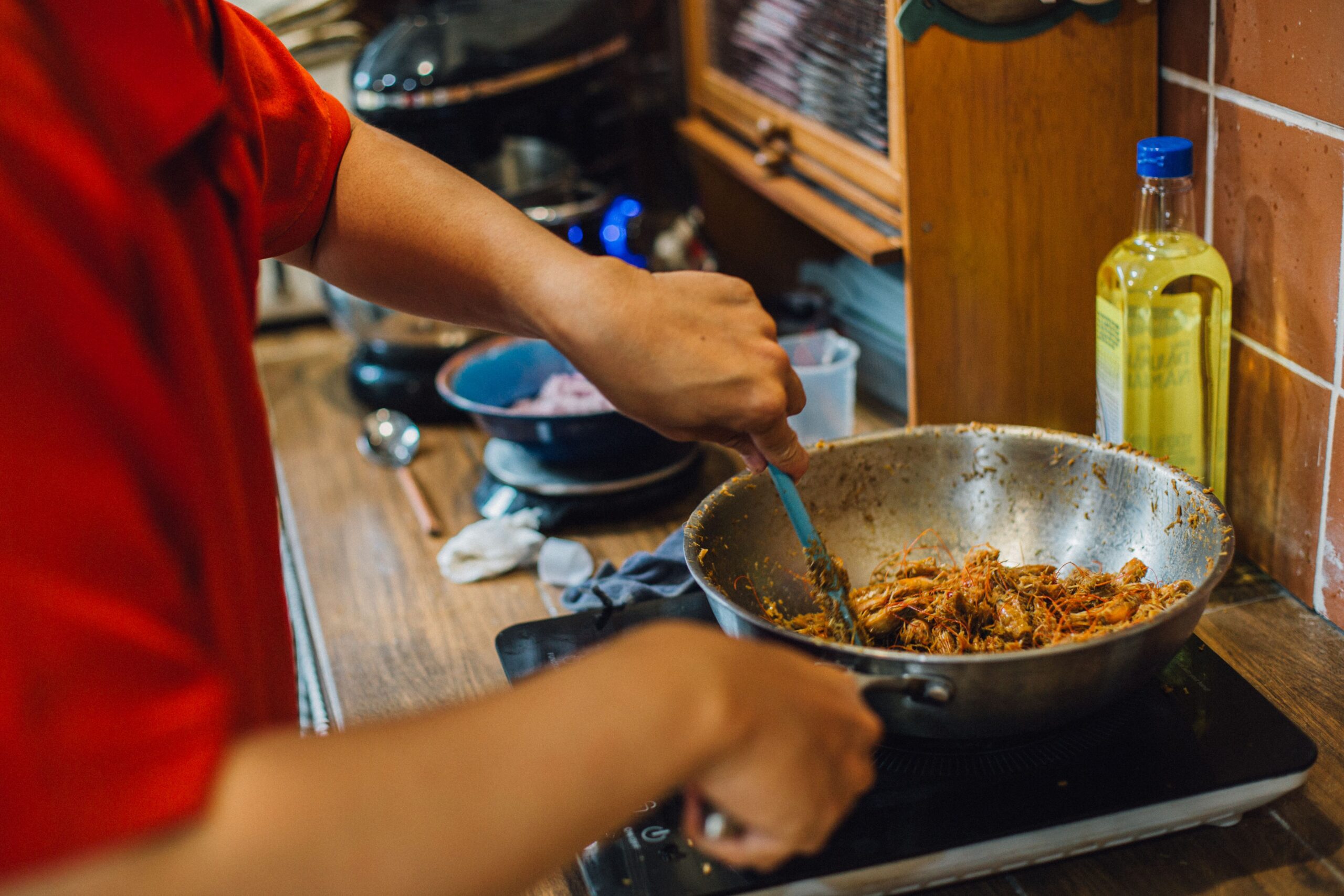
Many grandmothers did not rely on oven thermometers, instant-read probes, or timers the way modern cooks do. Instead, they watched for browning on top, listened for the sizzle in a frying pan, and noted how a pot smelled when onions had cooked long enough.
These sensory cues remain useful because appliances are not always exact. Home ovens can run hot or cold, and stovetop burners vary widely. A roast is done when it reaches a safe internal temperature, but color, aroma, bubbling, and pan activity still tell an attentive cook a great deal before any number does.
What she knew still works now
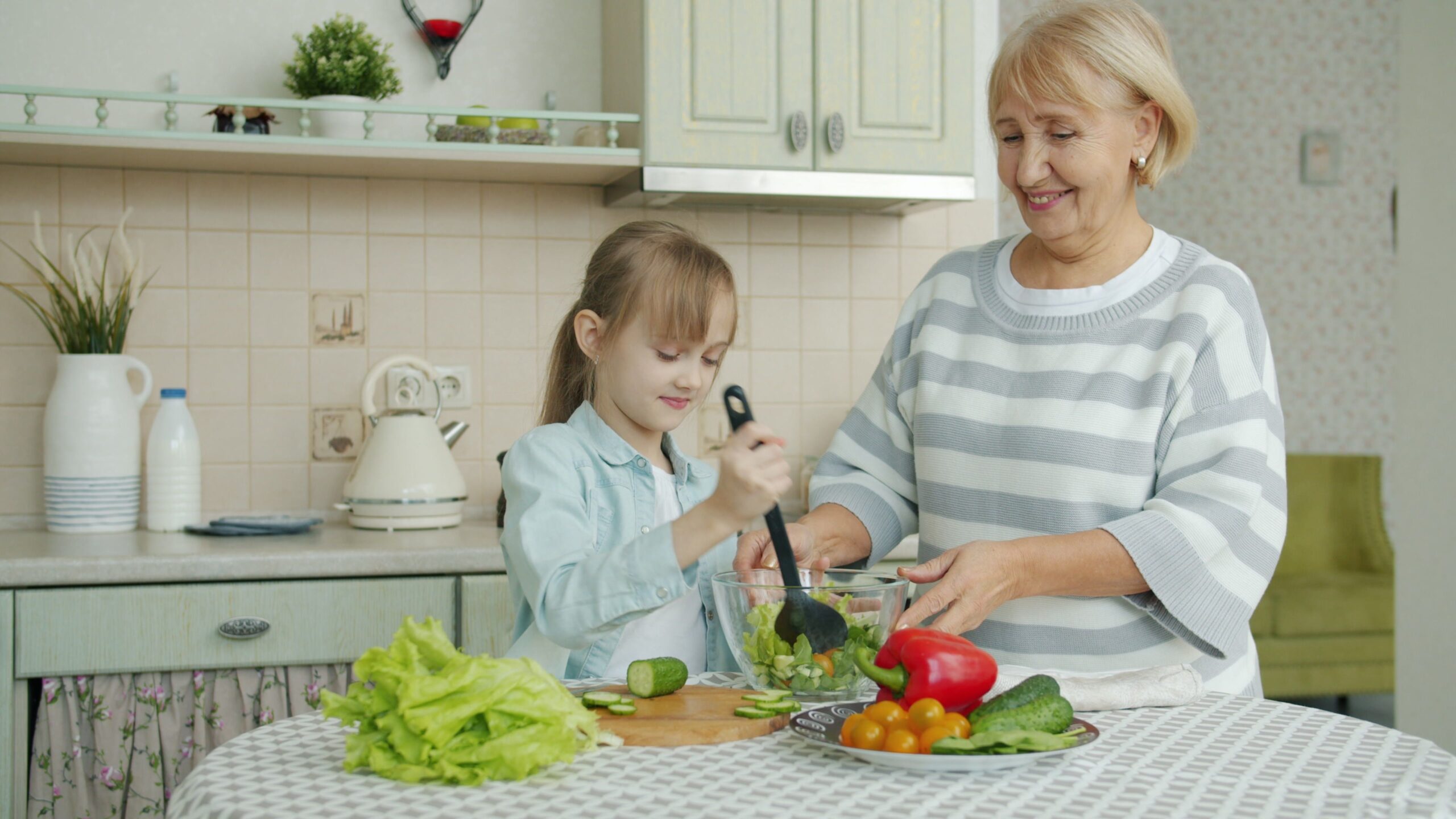
The real lesson is not that measurements are unnecessary. Baking especially benefits from precision, and food safety matters. The lesson is that good cooking also depends on observation, repetition, and judgment, three skills that do not come printed on a recipe card.
Modern cooks can borrow that wisdom without giving up accuracy. Measure when it matters, then learn the signs of a good dough, a balanced soup, or a properly seared cutlet. Grandma's food tasted so reliable because she was not merely following instructions. She was reading the food itself.


Leave a Reply