
Cilantro can make the same bowl of salsa taste fresh to one person and unpleasantly soapy to another. That split is real, and researchers have found that genes, smell, and even repeated exposure can shape how this herb lands on your tongue.
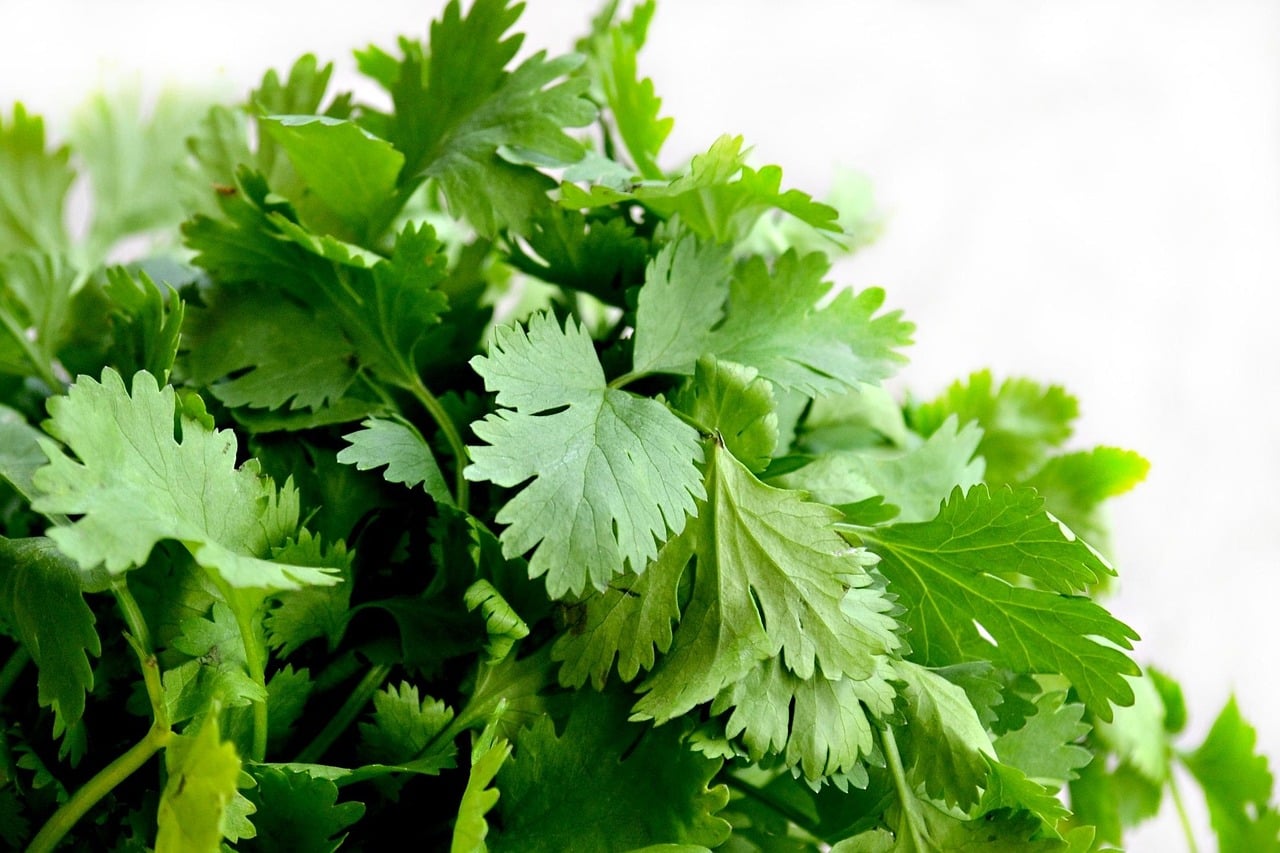
A bunch of cilantro on the cutting board
The soap-like reaction often starts with smell, not taste alone. Cilantro contains aldehydes, a group of compounds that also appear in soaps and detergents. When some people crush a leaf between their fingers or take a bite, those compounds can stand out sharply.
Researchers have linked this response to differences in odor receptor genes, especially a gene called OR6A2. Variants near that gene are associated with detecting aldehydes more intensely. In plain terms, some noses are simply better at picking up the exact notes that make cilantro seem harsh or soapy.
That helps explain why the experience can feel immediate and unmistakable. It is not pickiness or imagination. For some people, cilantro really does register as a flavor profile that overlaps with soap.
A DNA model and a plate of herbs
Genetics is one of the clearest reasons people experience cilantro differently. Research published by 23andMe found an association between cilantro soap-taste detection and a region near OR6A2, a cluster of olfactory receptor genes involved in smell.
Even so, genes are not the whole story. In that same line of research, the genetic effect explained only a small part of cilantro preference. That matters because it shows why two relatives can disagree strongly about the herb, or why someone can change their mind over time.
Scientists have also noted that cilantro dislike varies across populations. Cultural food habits, exposure from childhood, and the dishes people grow up eating may all influence whether the herb tastes familiar and pleasant or jarring.
Fresh salsa and a bowl of pho
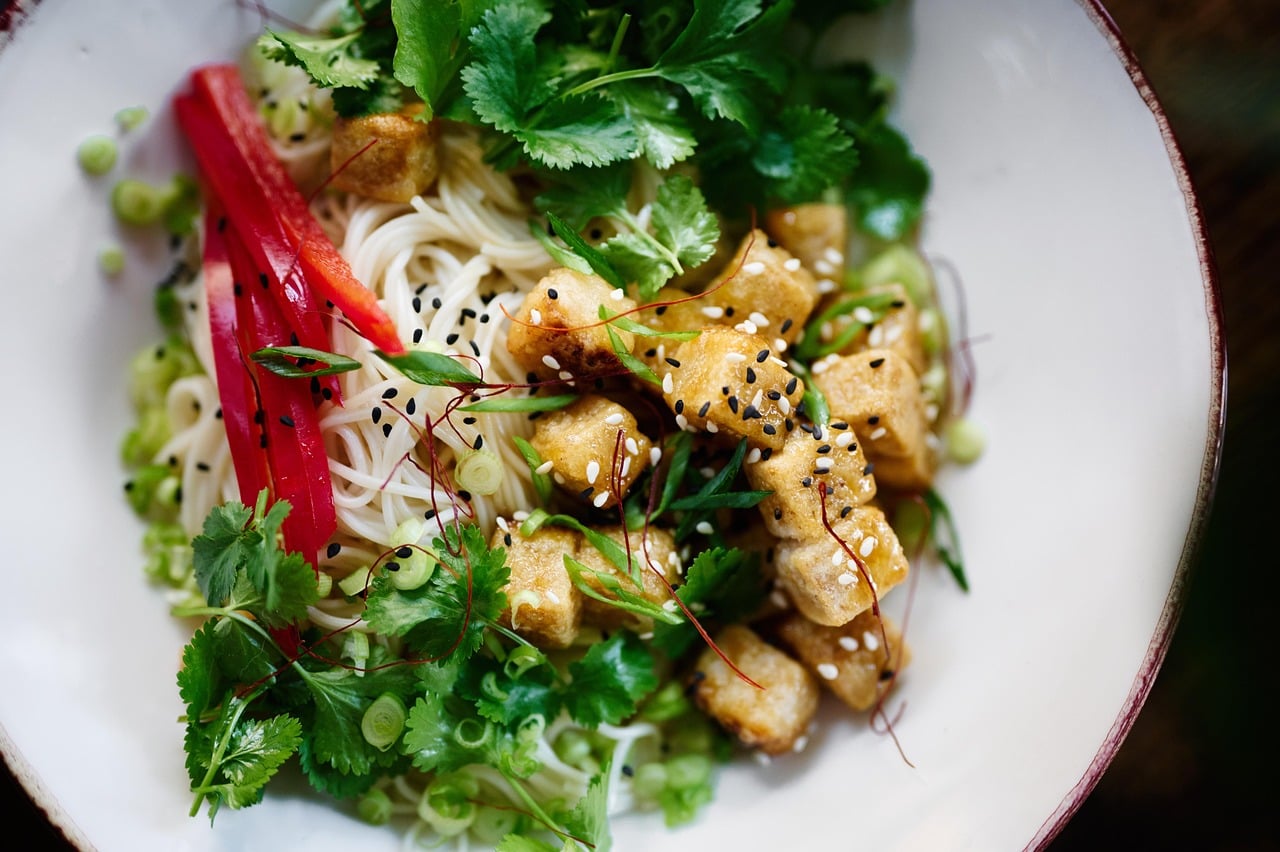
Context changes everything with cilantro. In many foods, the herb is not eaten alone but mixed into salsa, chutney, curry, salad, or soup. The citrus, heat, salt, fat, and aromatics around it can soften the sharp aldehydes that some people notice first.
That is one reason a person may hate raw cilantro leaves but tolerate them finely chopped in a complex dish. A bowl of pho with basil, lime, broth, and noodles creates a different sensory picture from a plain sprig on top of tacos.
Chefs often use cilantro for lift, adding a fresh top note at the end of cooking. For fans, that note reads as lively and green. For detractors, it can still cut through the whole dish, which is why small garnish choices matter so much.
A child learning new flavors
Taste is not fixed from birth. Repeated exposure can change how people perceive certain foods, especially when those foods appear in positive, familiar settings. Cilantro is a good example of an ingredient that some people gradually accept, even if they never grow to love it.
Part of that shift may come from learning to expect the flavor. The brain does not experience food as chemistry alone. Memory, habit, and cultural association help determine whether a smell signals freshness, comfort, and good cooking, or something that seems off.
This does not mean everyone can train themselves to enjoy cilantro. For some, the soap note remains dominant. Still, experience can move the needle, which helps explain why cilantro preferences are less absolute than the gene story alone suggests.
A market stall with culantro and parsley
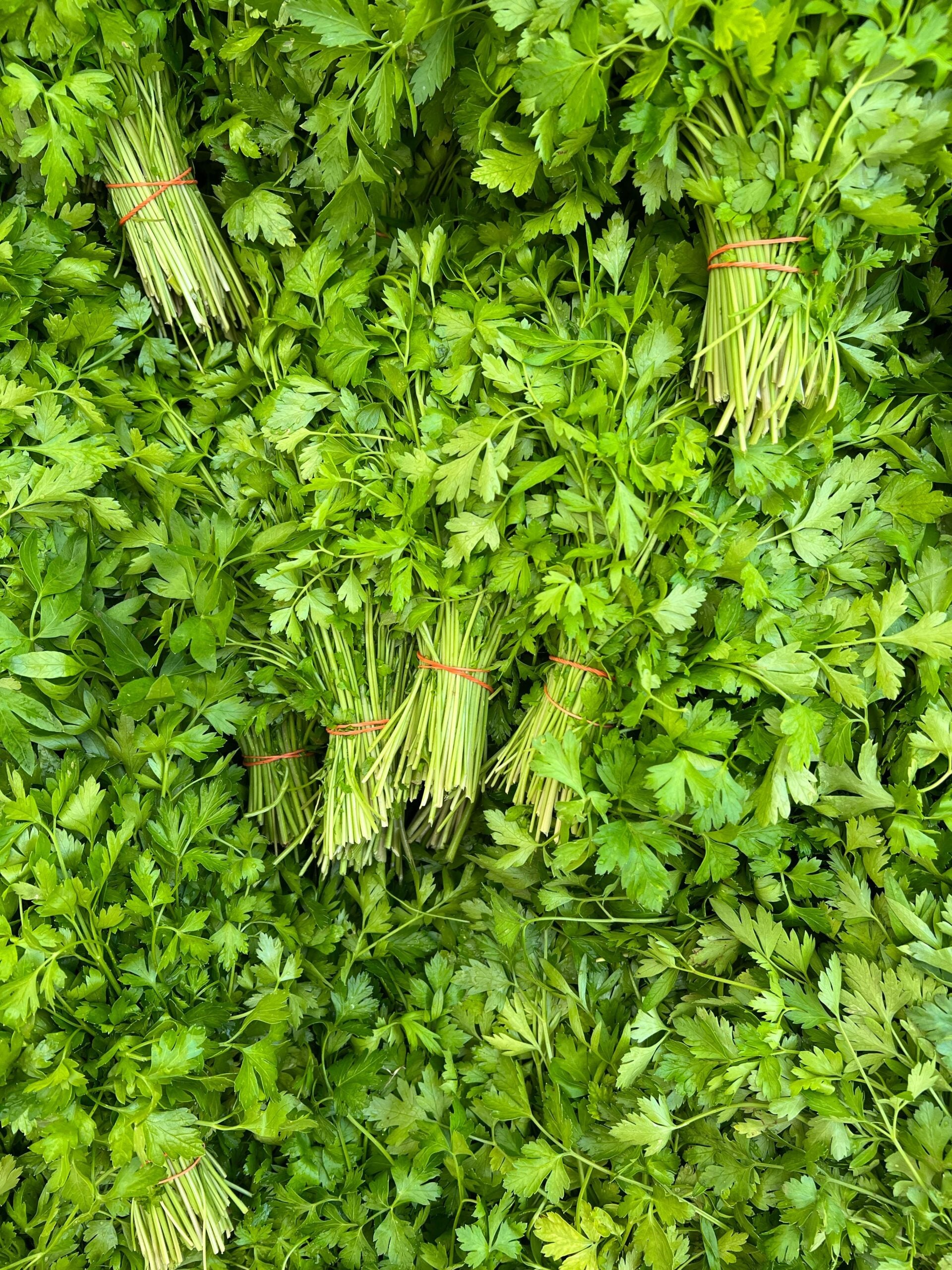
People who dislike cilantro are not out of options. Parsley can add freshness without the same aldehyde-heavy profile, and herbs like basil, dill, or mint can sometimes fill a similar role depending on the dish. In some cuisines, culantro is also used, though it is a different plant with a stronger flavor.
Cooks can also change how cilantro is used instead of removing it entirely. Tender stems are often flavorful, while finely mincing leaves can distribute them more evenly. Pairing cilantro with lime, chile, onion, or yogurt can make it less aggressive for sensitive eaters.
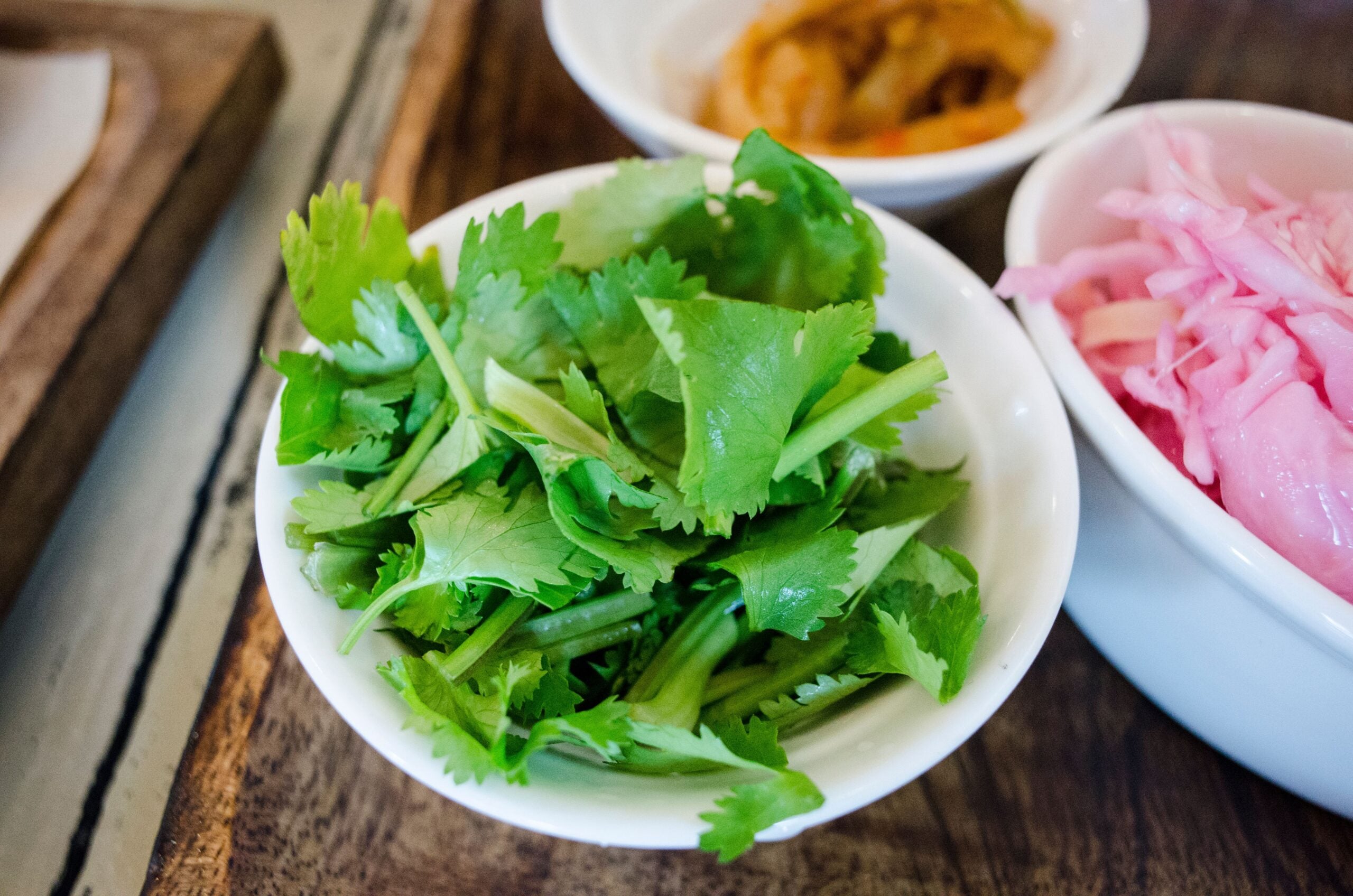
For restaurants and home cooks, the lesson is simple. Cilantro is unusually polarizing, so serving it on the side can make a dish easier for a crowd.
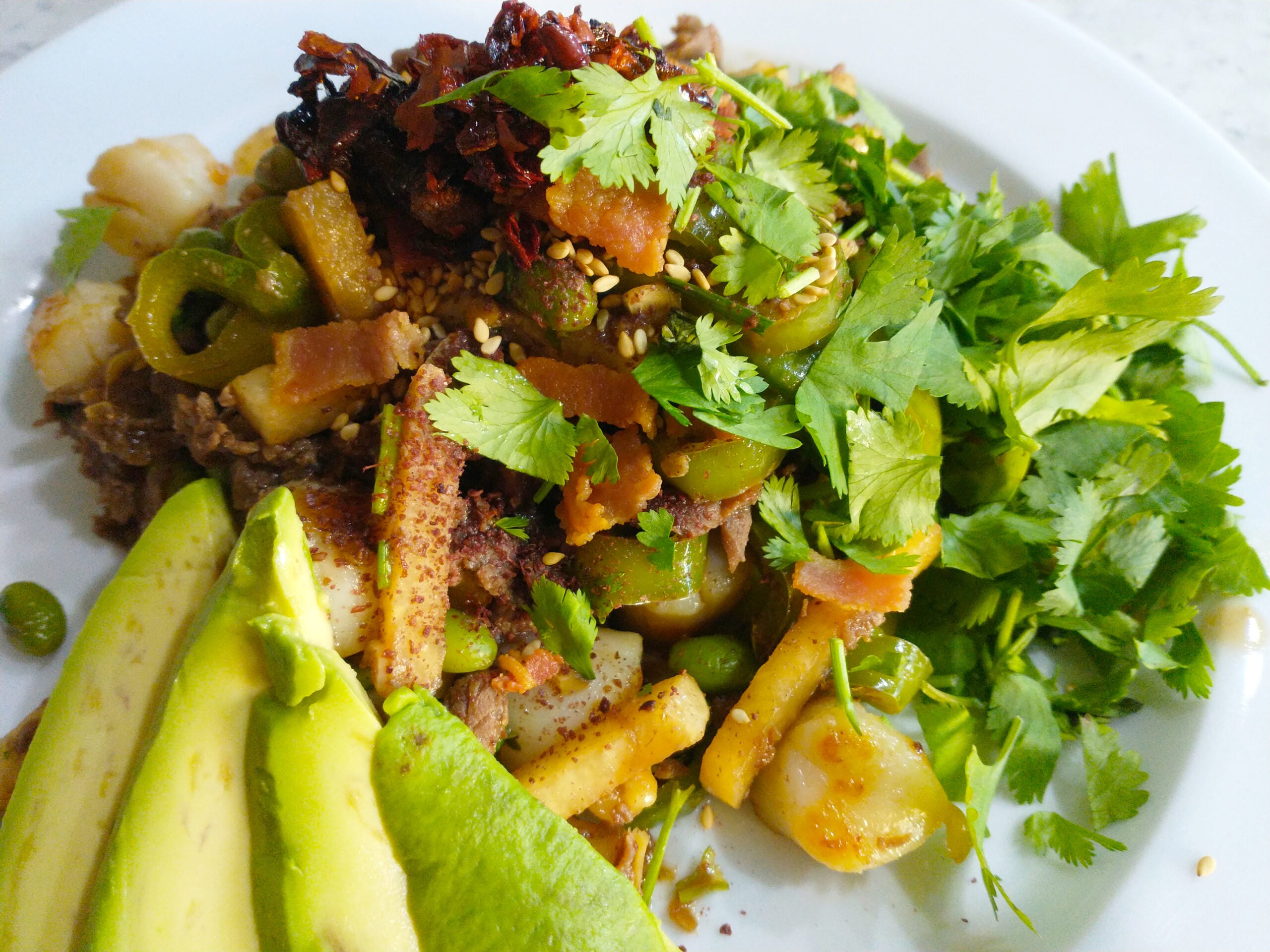
A finished dish with cilantro on the side
The cilantro divide says something larger about flavor. People do not all taste the same meal in the same way, and biology is part of that story. The idea of a universally delicious ingredient sounds nice, but cilantro is a reminder that perception is personal.
It is also a useful example of how smell and taste work together. What we casually call taste often depends heavily on aroma, and tiny genetic differences in odor detection can shape a whole eating experience.
So if cilantro tastes bright to you, or like dish soap, both reactions fit what researchers have found. The herb has become a small but vivid case study in how human senses differ at the dinner table.




Leave a Reply