
Some food laws are about safety. Others are really about economics, identity, and who gets to define what "real" food looks like.
Why Quebec once fought yellow margarine

Color became a political issue in Quebec for much of the 20th century. Margarine was legal in Canada only after a long federal ban ended in 1948, but Quebec kept one of the country's most famous restrictions by prohibiting margarine from being sold in a butter-like yellow shade.
The logic had little to do with nutrition. Dairy farmers argued that yellow margarine could confuse shoppers and undercut butter, an industry with deep economic and cultural importance in Quebec. By forcing margarine to appear white, the province made the substitute visibly different at the point of sale.
The rule lasted for decades and became a textbook example of agricultural protectionism. According to reporting from CBC and The Canadian Press over the years, the ban survived repeated criticism because it aligned with powerful farm interests and a broader desire to shield the provincial dairy sector from competition.
Quebec finally repealed the color restriction in 2008. By then, it looked increasingly out of step with consumer expectations and free-trade thinking, but its long life showed how a simple grocery item can become a battleground over rural livelihoods and market control.
The cheese rules that keep raw milk tightly controlled

Cheese often carries a romantic image of old-world craftsmanship, but Canadian law treats it as a tightly managed category. Raw milk cheeses can be sold only if they are aged for at least 60 days, a standard rooted in the belief that aging reduces dangerous bacteria such as Listeria, E. coli, and Salmonella.
Health experts have debated whether the 60-day rule is truly sufficient or scientifically precise. Some food safety specialists say pathogen risks depend on moisture, acidity, and production methods, not just time. Even so, the aging threshold remains a blunt but durable regulatory tool because it is easy to enforce.
This matters most to small producers and importers. A young French-style raw milk cheese that is perfectly legal in Europe may not qualify in Canada, while domestic artisans must design products around the rule. The result is a market shaped as much by microbiology and bureaucracy as by taste.
Consumers rarely notice the legal framework behind a cheese counter. Yet every wheel and wedge reflects a balancing act between preserving traditional methods and limiting outbreak risk, especially in a country where foodborne illness rules tend to favor caution over culinary experimentation.
Maple syrup is serious business in Quebec
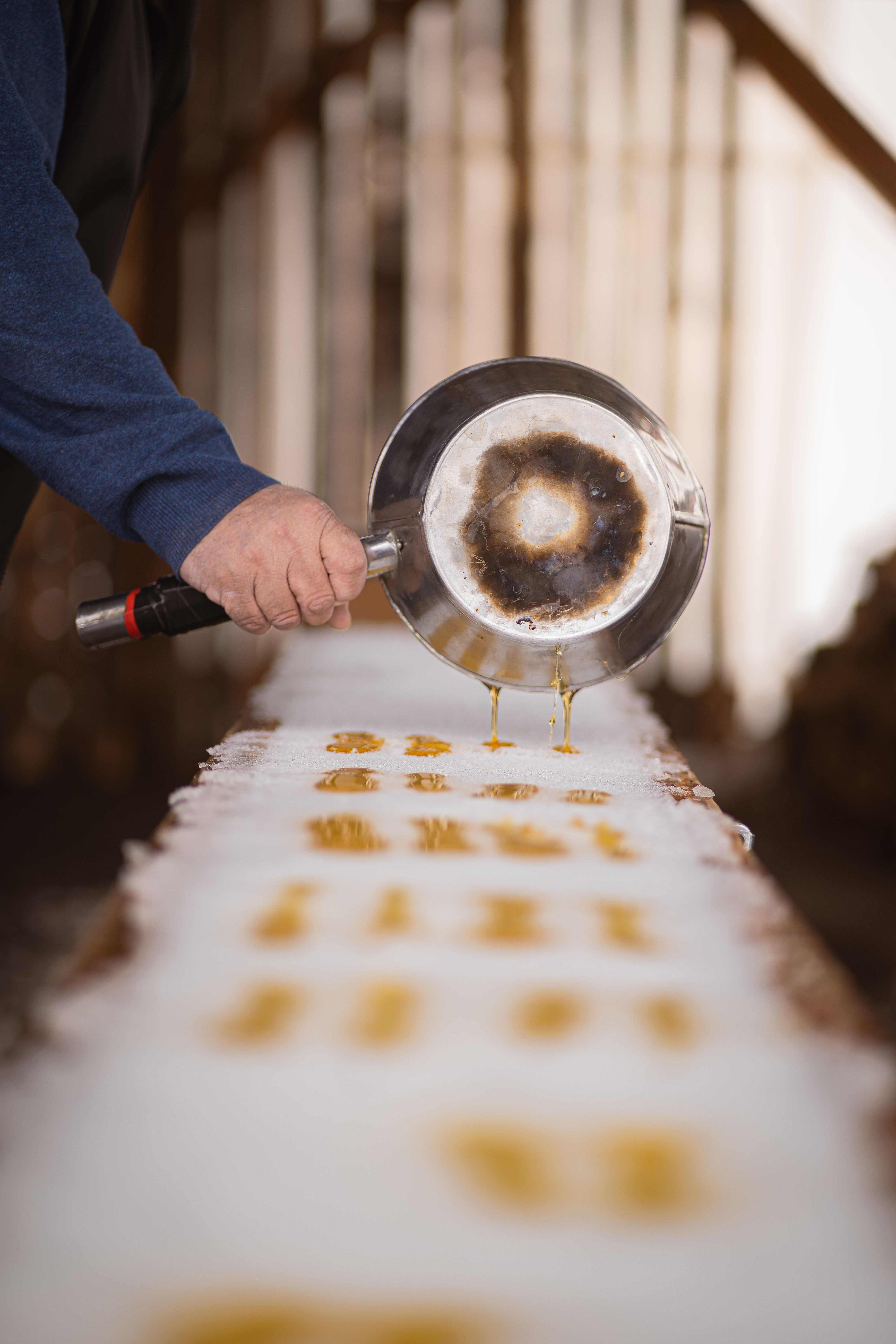
Few products are as symbolically Canadian as maple syrup, and few are regulated as intensely in Quebec. The province produces most of the world's maple syrup and oversees the industry through a powerful system that sets production quotas, quality rules, reserve stock management, and sales structures for many bulk producers.
To outsiders, regulating syrup like a strategic commodity can sound absurd. In practice, it reflects an effort to stabilize prices and protect producers from volatile harvests caused by weather swings. Good sap seasons can flood the market, while poor seasons can sharply reduce supply, so the system aims to smooth those shocks.
This framework drew international attention after the so-called Great Canadian Maple Syrup Heist, when thousands of barrels were stolen from a Quebec reserve warehouse. The theft highlighted just how valuable syrup had become under a tightly managed regime where inventory functions almost like a national agricultural asset.
Supporters say the rules preserve quality and bargaining power in a global market. Critics argue they can limit entrepreneurial freedom. Either way, maple syrup in Quebec is not merely breakfast topping. It is a regulated emblem of regional identity and economic strategy.
Federal milk classes shape what processors can make
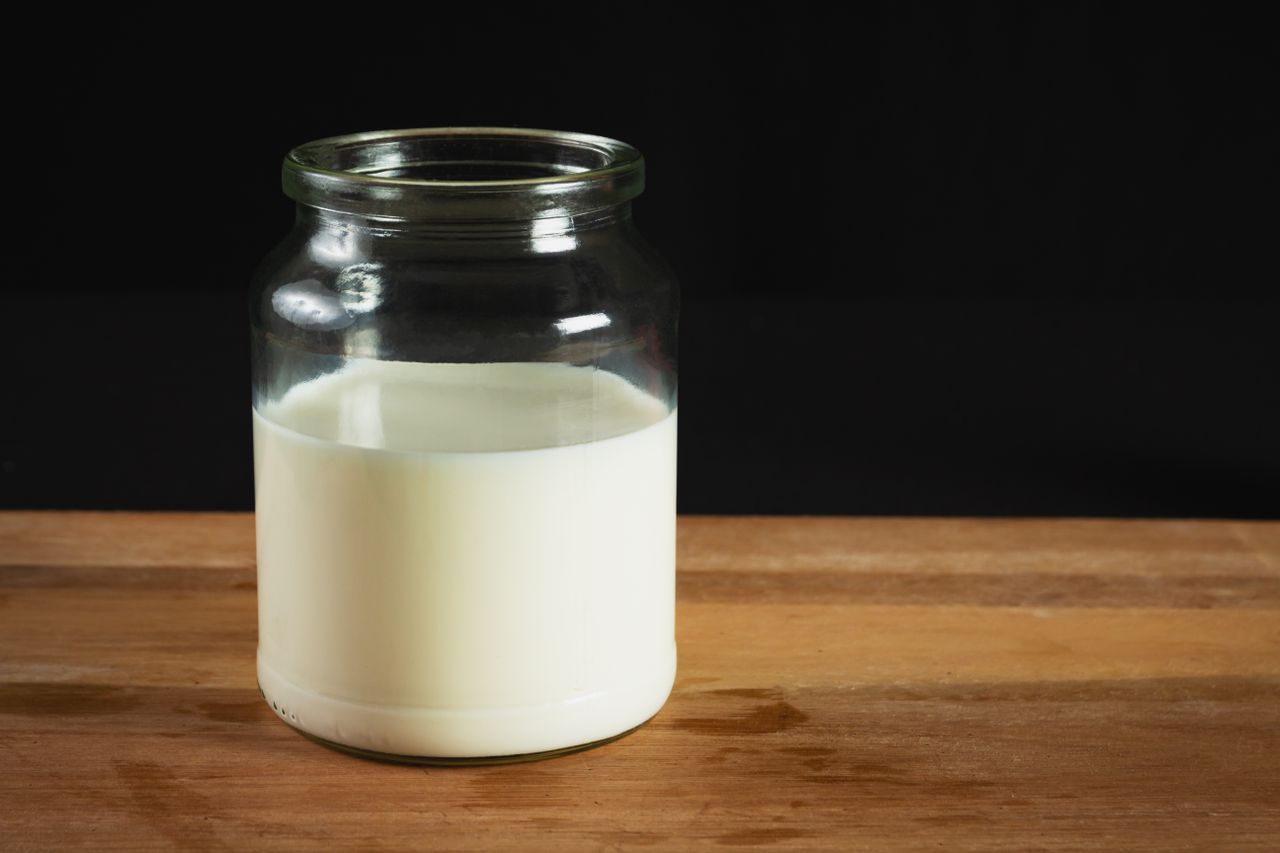
Some strange food laws are invisible because they operate inside supply systems rather than store shelves. Canada's dairy sector uses milk classification and supply management rules that determine how milk is priced depending on whether it becomes fluid milk, yogurt, cheese, butter, or industrial ingredients.
That structure has sparked repeated disputes with trading partners, especially when ingredient classes appeared to favor domestic processors. In practical terms, these rules can influence which dairy products are profitable to make in Canada and which imported ingredients face a tougher path into the market.
For shoppers, the effects show up indirectly in prices and product variety. For manufacturers, they can be decisive. A processor choosing between producing skim milk powder or a higher-fat cheese product is not responding only to consumer demand, but also to a detailed regulatory framework built through boards, quotas, and class pricing.
Critics see an overly engineered market. Defenders say it protects farm incomes, reduces boom-and-bust cycles, and maintains domestic production capacity. Either way, it is a reminder that some of Canada's oddest food rules govern not the label you read, but the economics hidden behind it.
Fish labeling rules can make seafood names surprisingly slippery

Seafood seems straightforward until labeling law enters the picture. In Canada, the Canadian Food Inspection Agency maintains accepted common names for fish, and that means a species cannot always be marketed under whatever name sounds most appealing to sellers or most familiar to consumers.
The intention is consumer protection. Standardized naming helps prevent substitution, misrepresentation, and confusion in a sector where species can look nearly identical once filleted. It also matters for allergy concerns, sustainability claims, and import enforcement, especially because Canada buys seafood from a wide range of global suppliers.
Still, the system can feel strange. A fish known by one market name in another country may need a different approved name in Canada, and some names that sound interchangeable are not legally treated that way. Restaurants and retailers therefore navigate a terminology map shaped by regulation as much as by culinary tradition.
This has real consequences. Mislabeling investigations in North America have repeatedly shown that seafood fraud is common, so naming rules are not trivial bureaucracy. They are part of a broader attempt to make an opaque supply chain more honest, even if the approved wording can seem oddly specific.
Egg grades, container sizes, and standards get incredibly precise
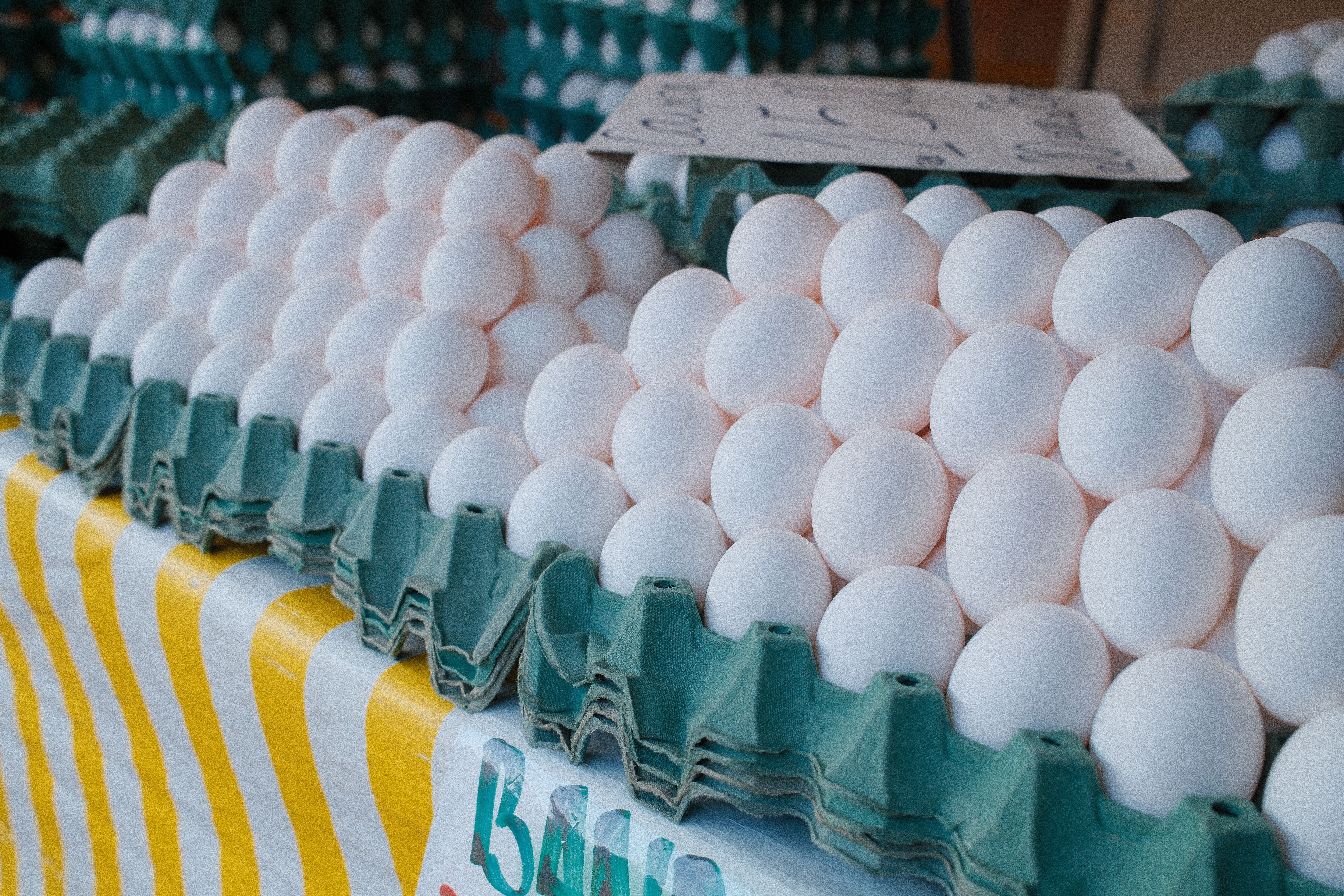
Eggs are among the most ordinary foods in a kitchen, yet they are governed by remarkably exact federal standards. Canadian grading rules classify eggs by size, shell quality, cleanliness, and interior condition, with labels such as Canada A carrying detailed legal meaning rather than serving as loose marketing language.
Precision matters because eggs are fragile, perishable, and widely traded. Regulations cover everything from minimum net quantity declarations on cartons to how graded eggs move through registered stations. The average shopper sees only a dozen eggs in a cooler, but behind that carton is a compliance system built for consistency.
These rules can look fussy until a problem hits supply chains. During shortages, disease outbreaks, or transport disruptions, standardized grading and packaging help regulators and retailers maintain order. They also support bakeries and food manufacturers that depend on predictable size and quality for large-scale production.
In that sense, the strangeness lies in how much law sits behind a breakfast staple. Canada's food regime often appears quirky at the edges, but its unusual rules usually trace back to the same core concerns: safety, fair dealing, and protecting politically powerful agricultural sectors.




Leave a Reply