
Grocery stores are built to make spending feel smart. The trouble is that many "deals" are designed to look generous while quietly pushing you to buy more, buy faster, or buy the wrong item.
Buy One, Get One Free Offers

At first glance, BOGO promotions seem unbeatable. If you were already planning to buy two identical items, they can be useful. But many shoppers end up purchasing extra products they never intended to buy simply because the sign creates urgency.
This matters most with perishables like salad kits, yogurt, bread, and berries. The second item is only a bargain if you actually use it before it spoils. Food waste has a real cost, and the money lost to throwing out half the deal often cancels the savings.
Retailers also use BOGO pricing to steer attention away from the unit price. A single item may be marked up before the promotion begins, making the "free" item less impressive than it appears. Consumer advocates have long warned that comparison shopping by ounces, pounds, or count gives a more honest picture.
There is also a behavioral factor at work. Studies on promotional framing have found that shoppers respond more strongly to "free" language than to a straightforward discount, even when the math is similar. That emotional pull is exactly why these offers remain so effective.
Club Card Prices That Require Sign-Ups
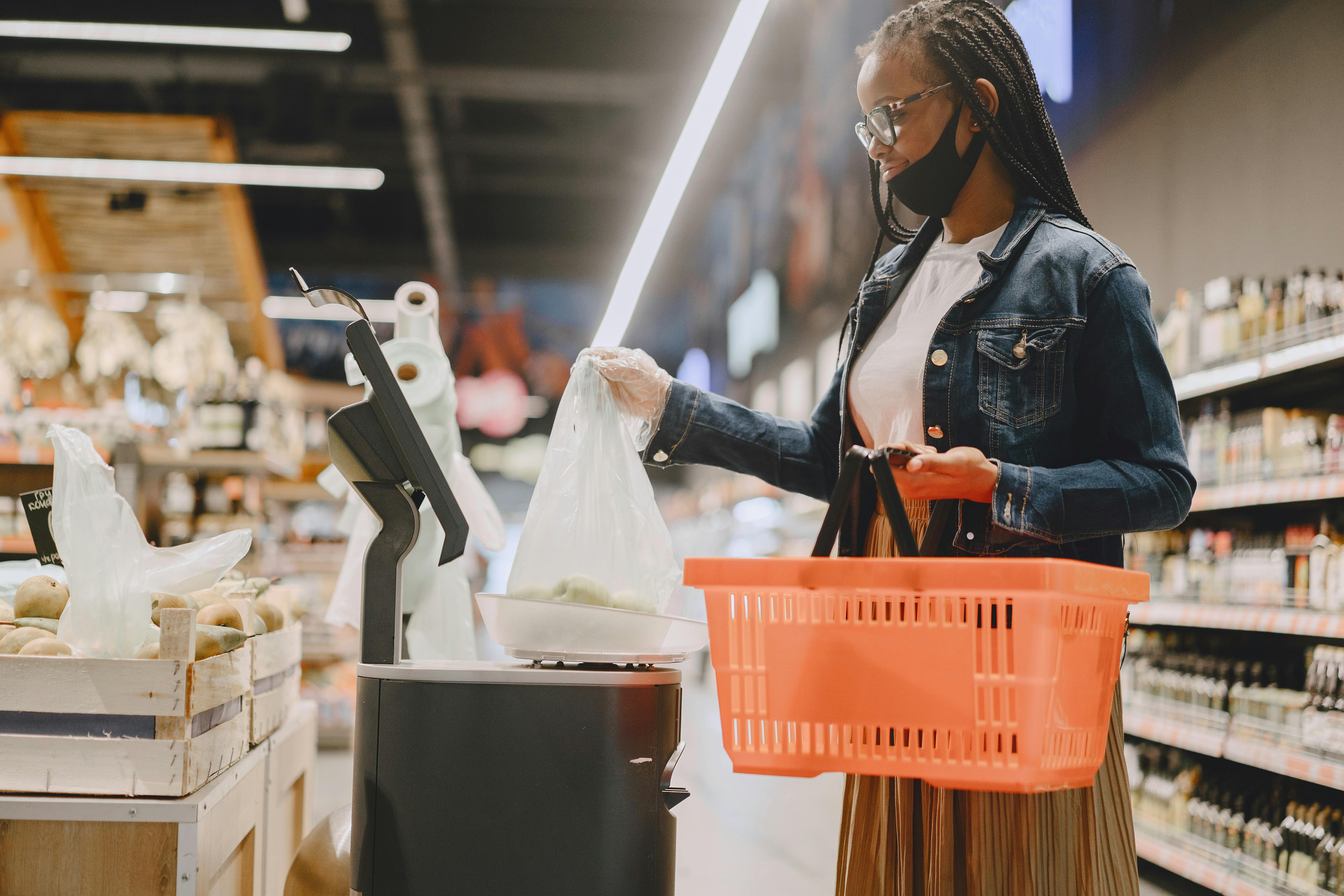
Loyalty pricing is now so common that the shelf tag often shows two numbers: a higher regular price and a lower member price. The lower figure feels like a reward, but in many stores it is simply the real market price hidden behind a registration wall.
The problem is not just the sign-up itself. These programs collect detailed purchase data that retailers use to personalize promotions, test pricing sensitivity, and influence future buying habits. According to reporting from major consumer watchdog groups, shoppers often trade privacy for discounts that are not especially exclusive.
There is another issue many people miss at checkout. Digital account glitches, expired memberships, or missed scans can erase the advertised savings. If you do not notice the mistake on the receipt, the "deal" becomes a full-price purchase without any warning.
In some cases, shoppers without the app or phone number pay a clear penalty. That makes the member price less of a true discount and more of a pricing system that pressures participation. A real bargain should not depend on navigating extra friction to avoid overpaying.
Family Packs That Seem Cheaper Per Pound
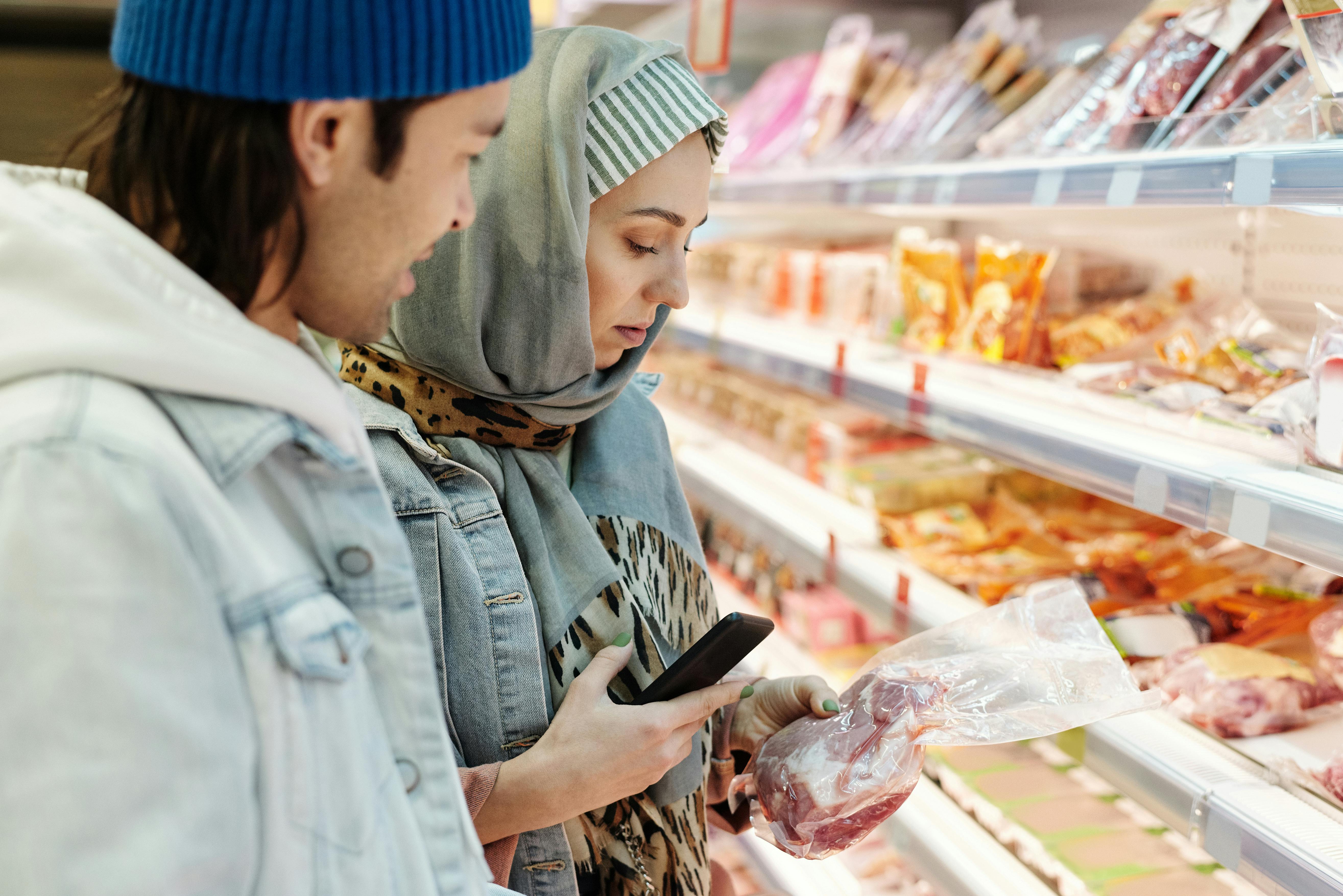
Bulk packaging sends a clear message: more equals better value. Sometimes that is true, especially for staple foods with long shelf lives. But family packs of meat, produce, snack foods, or bakery items can become expensive mistakes if your household does not use them quickly.
Stores know that larger packs reduce price resistance because shoppers focus on the per-unit savings and ignore the higher total bill. Paying $18 instead of $9 still affects the budget, even if the per-pound cost drops slightly. Cash flow matters just as much as theoretical value.
Fresh proteins are one of the most misleading examples. A larger tray of chicken or ground beef may have only a tiny per-pound advantage over the smaller option. If part of it spoils, leaks, or sits forgotten in the freezer long enough to lose quality, the value disappears.
The same logic applies to oversized produce bags. A giant bag of avocados, oranges, or salad greens is not a deal when a portion goes soft before you can use it. Smart shopping means matching package size to actual consumption, not to the excitement of a warehouse-style discount.
Multi-Buy Promotions Like 5 for $5
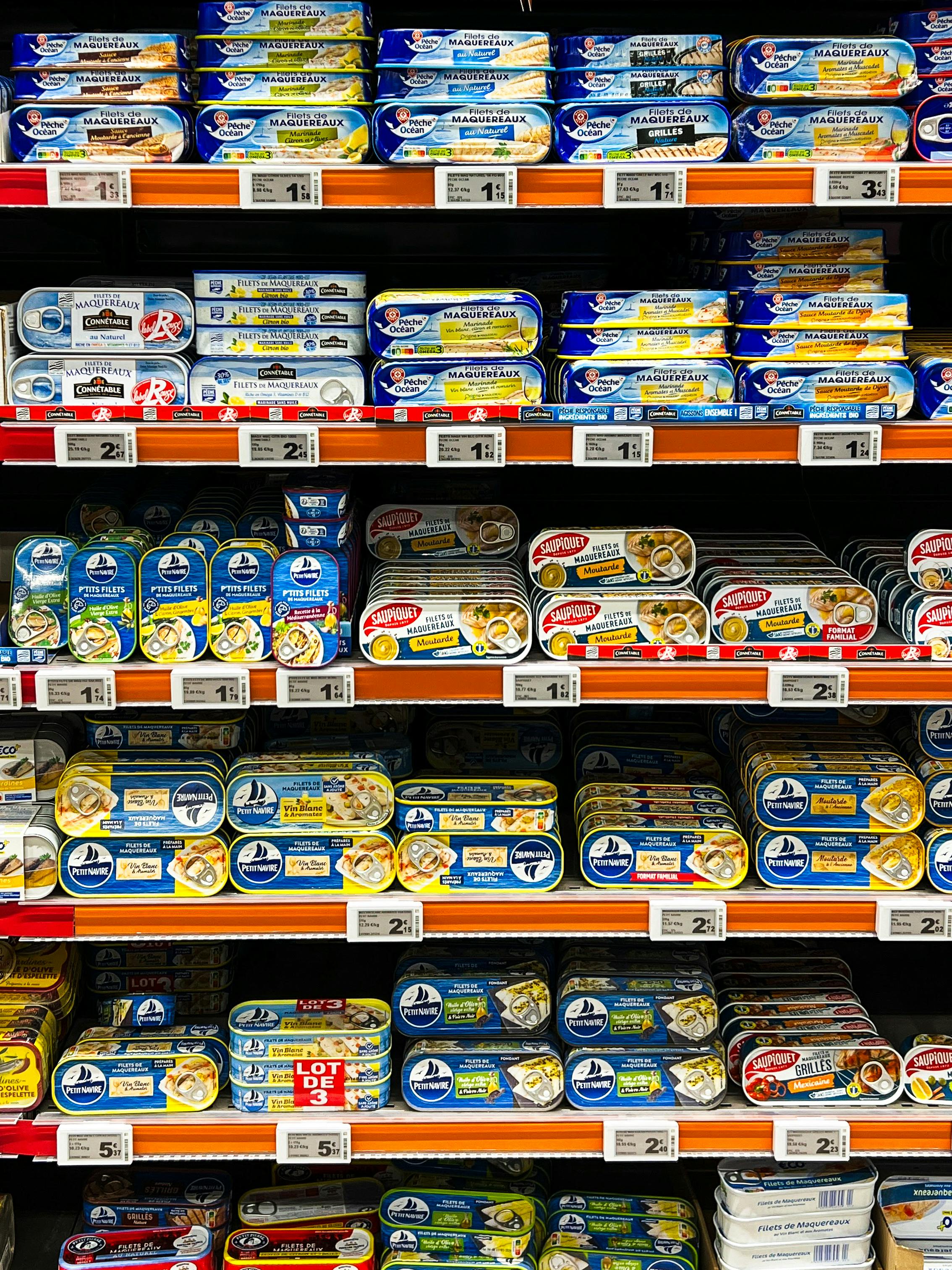
Signs that shout "10 for $10" or "5 for $5" are designed to create momentum. Many shoppers assume they must buy the full quantity to receive the lower price. In reality, some stores charge the same per-item price even if you buy only one, while others do not.
That uncertainty works in the store's favor. People rush to grab the full set rather than stopping to read the fine print. The result is extra spending on canned goods, chips, soda, or condiments that were never truly needed in those quantities.
Even when the deal requires all items, the discount is often modest. Saving 20¢ per can does not help if you end up with five cans of soup your family does not even like. A low individual price can distract from whether the purchase belongs on your list.
This tactic is especially effective in center aisles where branded packaged goods compete heavily for attention. Manufacturers fund promotions to increase volume, not necessarily to improve value for the shopper. The best response is simple: check the unit price and buy only what you will use.
Endcap Displays Framed as Special Savings
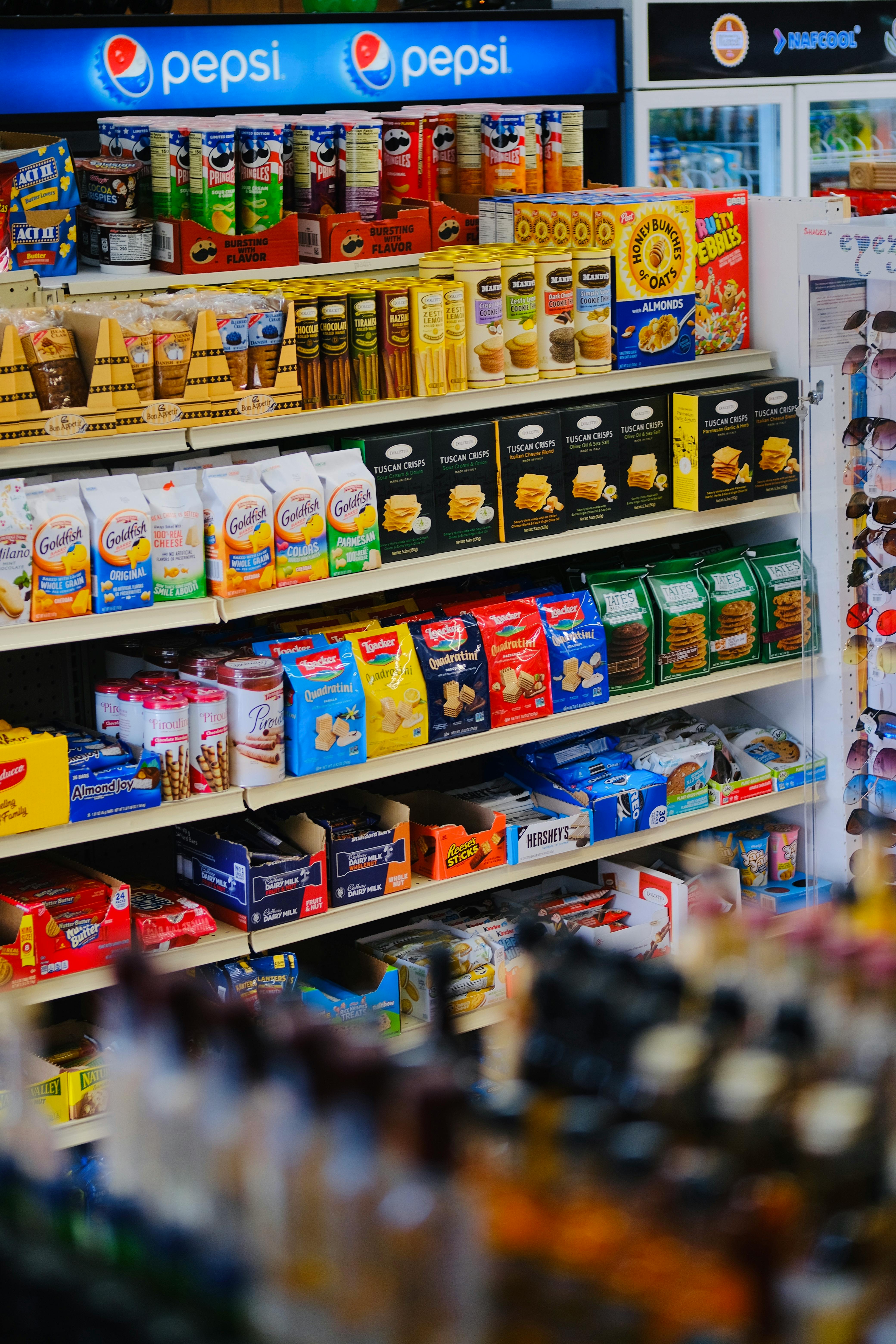
Endcaps are some of the most valuable real estate in any supermarket. Products placed there feel important, popular, and discounted, which is exactly why brands pay for the exposure. But prominent placement is not proof of a lower price.
Retail analysts have noted for years that endcaps increase sales largely because they interrupt the shopper's routine. A stack of crackers, cereal, or sparkling water at the aisle entrance invites impulse buying. Many customers assume the display exists because the product is on promotion, even when it is not.
In practice, the same item may be cheaper on the regular shelf, sold in another size with a better unit price, or duplicated elsewhere in the store with a less flashy tag. That disconnect is easy to miss when the display uses bright signage and high-volume presentation.
Seasonal products are especially prone to this trick. Holiday baking ingredients, game-day snacks, and back-to-school items often appear in themed displays that suggest urgency rather than actual savings. Visibility is being sold, not value.
Pre-Cut Fruits and Vegetables With "Convenience Savings"
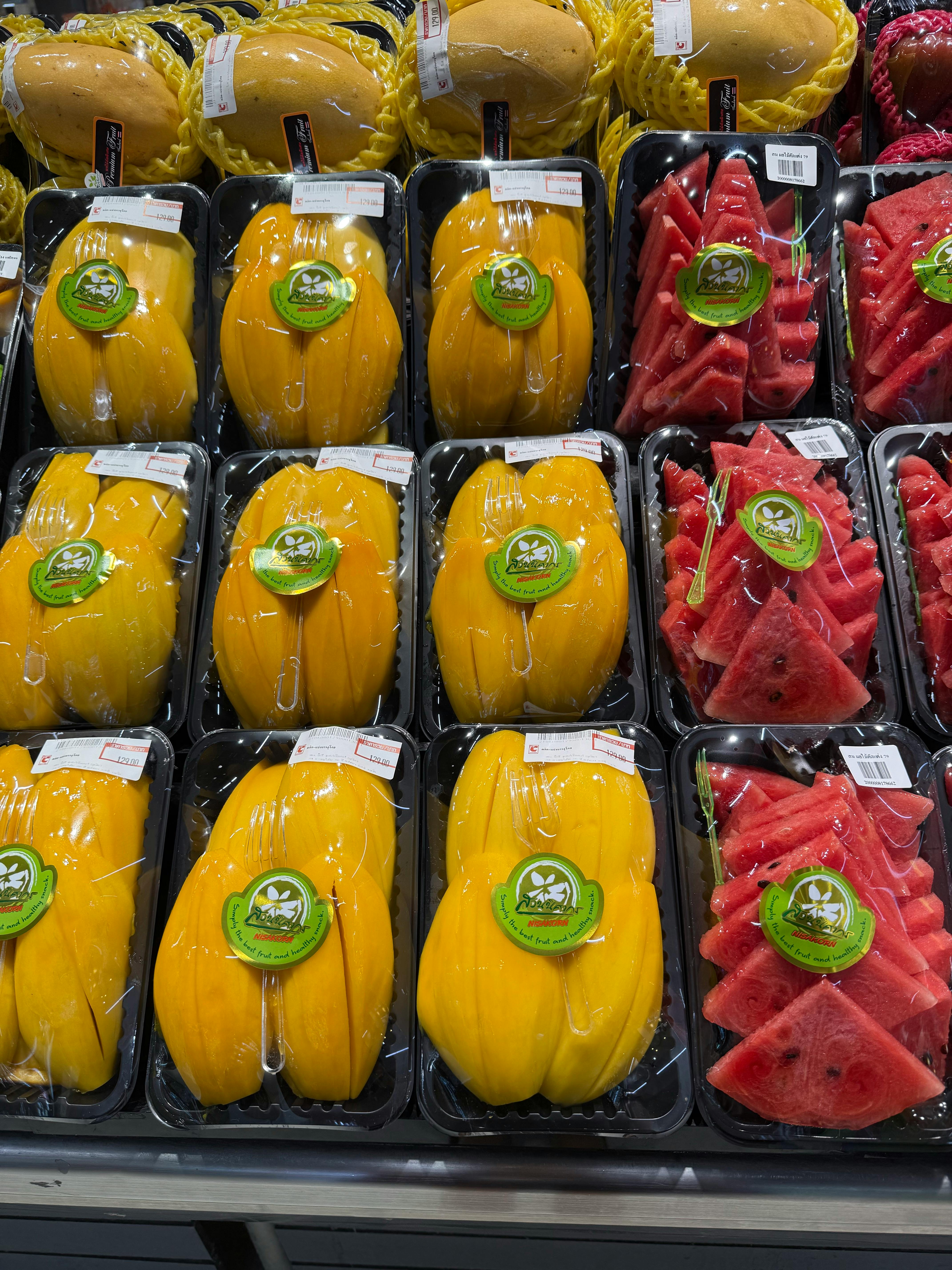
Convenience is useful, but it rarely comes cheap in the produce department. Pre-cut melon, sliced onions, trimmed green beans, and cubed butternut squash often cost far more per pound than their whole counterparts. The packaging makes the markup easy to overlook.
Stores frame these items as time savers, and for some shoppers that trade-off may be worth it. But calling them a deal is misleading when the premium mostly covers labor, packaging, and shorter shelf life. You are paying more for a product that often deteriorates faster after cutting.
There are quality concerns too. Once produce is peeled or chopped, it loses moisture and freshness more quickly. Food safety experts also point out that additional handling increases opportunities for contamination, which is one reason cut produce usually carries a tighter use-by window.
If your goal is value, whole produce almost always wins. A full pineapple, head of lettuce, or bag of whole carrots delivers more food for less money. The true savings come from a few extra minutes of prep at home, not from the label in the refrigerated case.
Store Brand "Compare and Save" Claims

Private-label products can absolutely offer strong value. In many categories, store brands are made by the same large manufacturers that produce national labels, and the lower price is genuine. The problem starts when stores use broad "compare and save" language without making the comparison meaningful.
Package size is one common source of confusion. A store-brand cereal box may look like the national version but contain fewer ounces. The shelf tag highlights a lower sticker price, while the per-ounce cost tells a much less dramatic story.
Ingredient quality can also vary more than shoppers expect. Store-brand olive oil, coffee, frozen shrimp, or cheese may differ in sourcing, fill weight, or formulation. Saving a little upfront is not always a bargain if the product performs worse, tastes weaker, or gets used up faster.
The smartest approach is selective trust. Some store-brand basics are excellent buys, especially pantry staples like flour, sugar, and canned beans. But "compare and save" should be treated as a prompt to verify the numbers, not as proof that the comparison has already been done for you.
Giant Sale Signs on Items Priced Higher Elsewhere
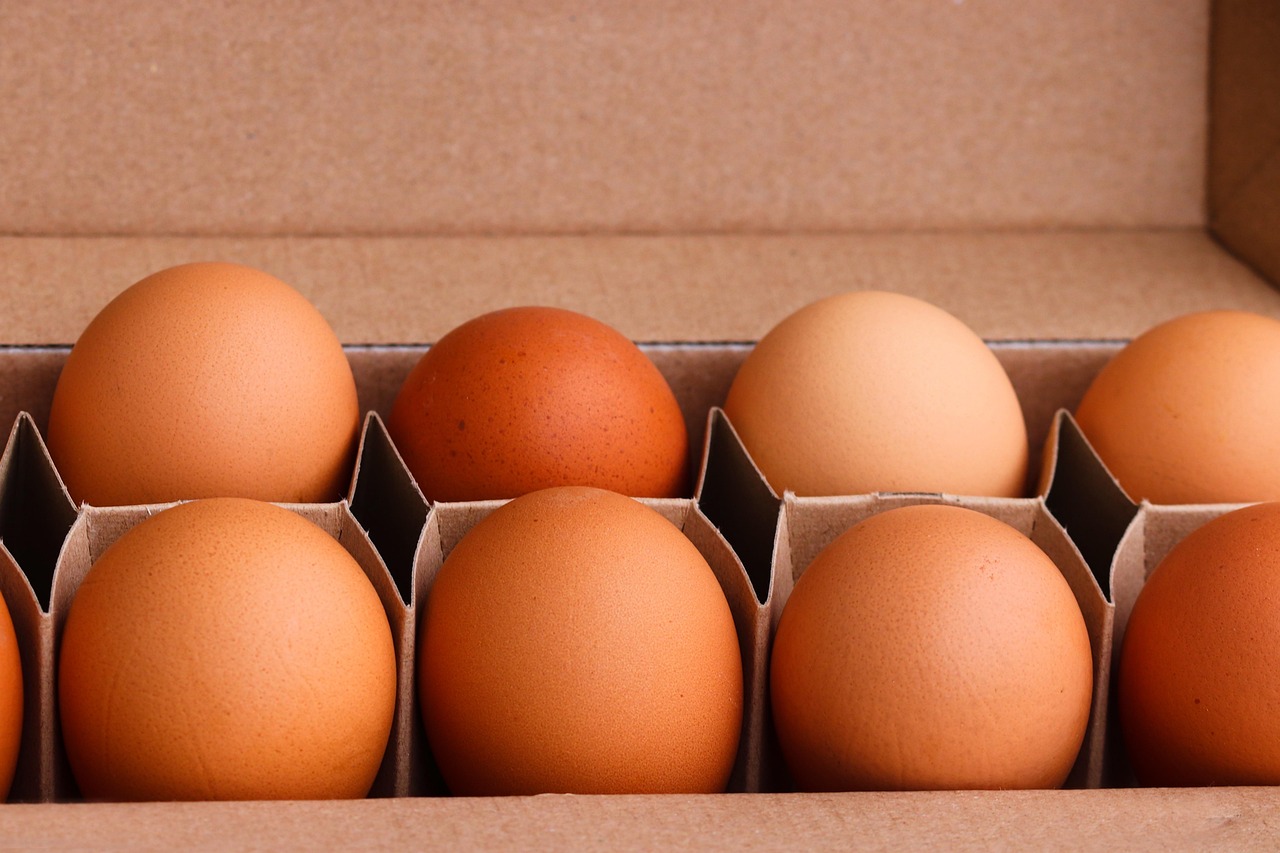
Big red tags, percent-off labels, and "manager's special" stickers can trigger instant confidence. The visual language of savings is powerful, which is why stores use it so aggressively. But a product on sale is not necessarily cheap in any broader sense.
A jar of pasta sauce marked down from $5.49 to $4.29 may still cost more than a competing brand selling every day at $3.79. The discount feels important because it references a higher original price, not because it beats the best available option on the shelf.
This is where anchor pricing does its work. Once shoppers see the higher number first, the reduced number seems attractive even if it remains above normal market value. Behavioral economists have repeatedly shown how reference points shape purchasing decisions more than absolute price alone.
The best defense is disciplined comparison. Ignore the size of the sign and look at what similar products cost by weight, volume, or count. In grocery shopping, the loudest deal is often just the most carefully packaged illusion.



Leave a Reply