
Some dishes are designed to impress you before they ever satisfy you. Ask enough chefs, and a clear pattern emerges about which menu items often disappoint.
Soup of the Day
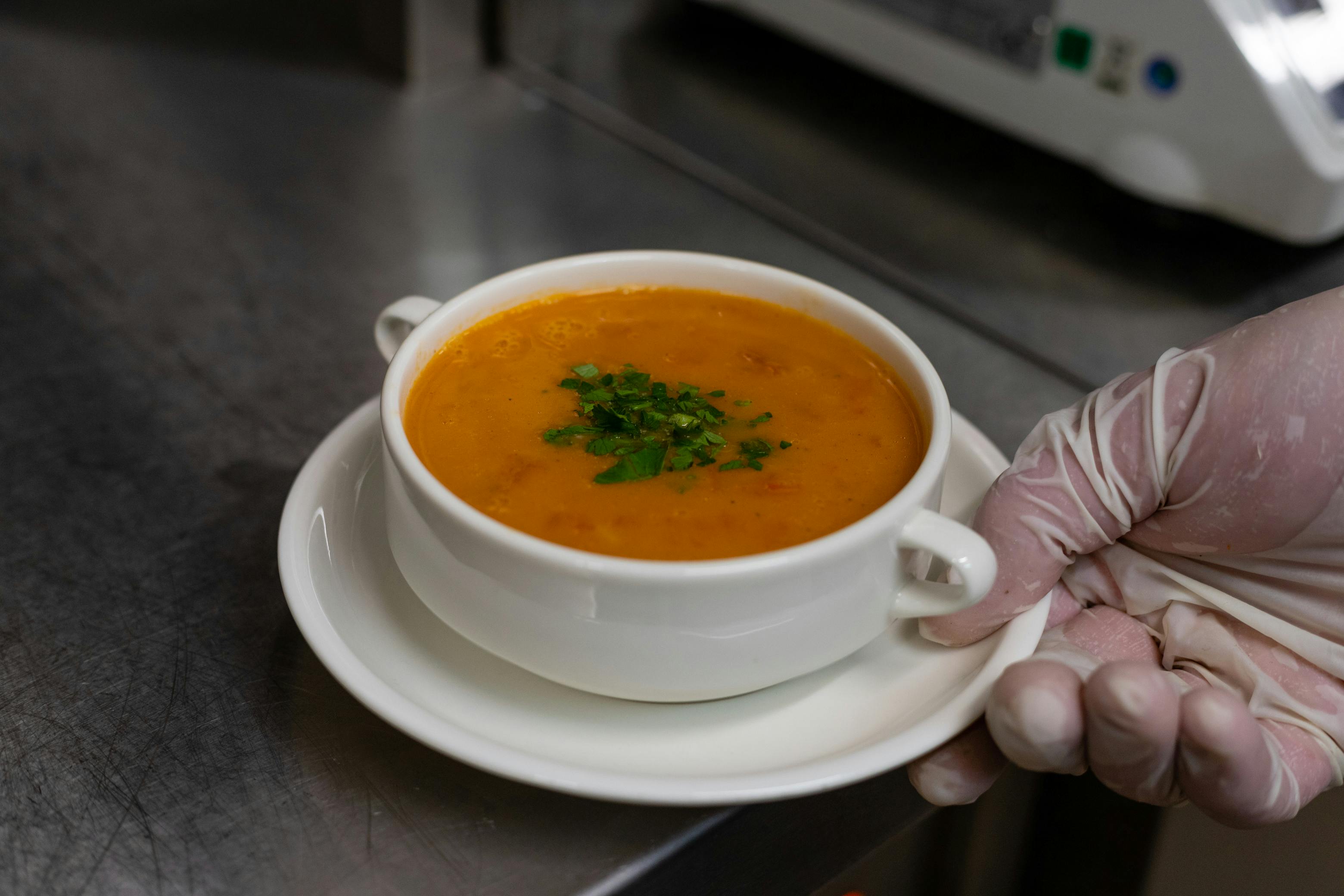
Daily soup sounds wholesome, but it can also be a convenient way to repurpose leftovers. Many chefs admit soups are one of the easiest places to use yesterday's vegetables, proteins, and sauces before they spoil.
That does not automatically make soup unsafe or bad. In good kitchens, stock pots are handled carefully, cooled correctly, and built with skill. The problem is that weaker operations may use soup to hide aging ingredients, too much salt, or muddy flavors.
A better clue is consistency. If the server cannot explain what is in the soup, how spicy it is, or whether it is made in-house, that uncertainty may tell you more than the bowl itself.
Fish on Monday

Fresh fish is one of the clearest tests of a restaurant's supply chain. For years, chefs have warned diners that seafood early in the week may be less reliable, especially in places that receive major deliveries later than ideal weekend demand.
This rule is not universal anymore. High-end restaurants with strong distributors and daily ordering can serve excellent fish any day. Still, many independent spots rely on delivery schedules that make Monday seafood a gamble, particularly far from coastal markets.
Warning signs matter here. A vague menu description, heavy sauces, or a strong fishy smell can suggest the kitchen is leaning on distraction instead of freshness, which is exactly what experienced chefs try to avoid.
Oversized Charcuterie Boards

A charcuterie board often feels like a safe, sophisticated starter. In reality, it can be one of the highest-markup items in the room, built from pre-sliced meats, standard cheeses, and pantry extras arranged to look more luxurious than they are.
Chefs frequently point out that boards also help move inventory. Ends of cured meats, soft cheeses nearing their limit, dried fruit, nuts, and pickled vegetables can all be sold together without much cooking labor.
That does not mean every board is a bad order. But if the selection is generic, the portion balance is poor, or the price rivals a main course, you may be paying for presentation more than quality.
Wagyu Burgers

The phrase wagyu burger has become a powerful marketing tool. Chefs often roll their eyes because true wagyu is prized for marbling, texture, and careful production, qualities that become much less distinct once the meat is ground.
In many restaurants, wagyu burgers are blended with other beef or made from trimmings rather than premium cuts. That is not fraud by itself, but it can create a luxury label without delivering a meaningfully better burger.
A great burger usually depends more on grind, fat ratio, seasoning, and cooking precision than a fashionable breed name. Many chefs would rather order a house burger from a place known for proper searing and fresh buns.
Raw Oysters at the Wrong Restaurant

Raw oysters are only as good as the restaurant's handling practices. Chefs who love seafood still warn against ordering them in places that do not specialize in shellfish, because temperature control and turnover are everything with raw service.
Restaurants with low oyster volume may keep product too long or train staff less thoroughly on shucking and storage. According to food safety guidance used across the industry, shellfish need tight refrigeration and careful traceability from harvest to plate.
The smart move is to read the room. If the restaurant is inland, the tray is oddly cheap, or no one can tell you where the oysters came from, many chefs would simply choose something cooked instead.
Truffle Oil Fries

Truffle oil fries sound indulgent, but they often deliver perfume instead of depth. Many chefs dislike them because most truffle oil is not made with real truffles at all, but with synthetic flavor compounds designed to mimic a strong earthy aroma.
That intense smell can overpower everything else on the plate. It also gives kitchens an easy way to make ordinary fries seem upscale without improving the potatoes, oil quality, or frying technique underneath.
If a restaurant truly values ingredients, it will usually be more restrained. Chefs tend to trust crisp, well-seasoned fries over a trendy version coated in an aggressive scent that lingers longer than the actual flavor.
Well-Done Steak at a Steakhouse
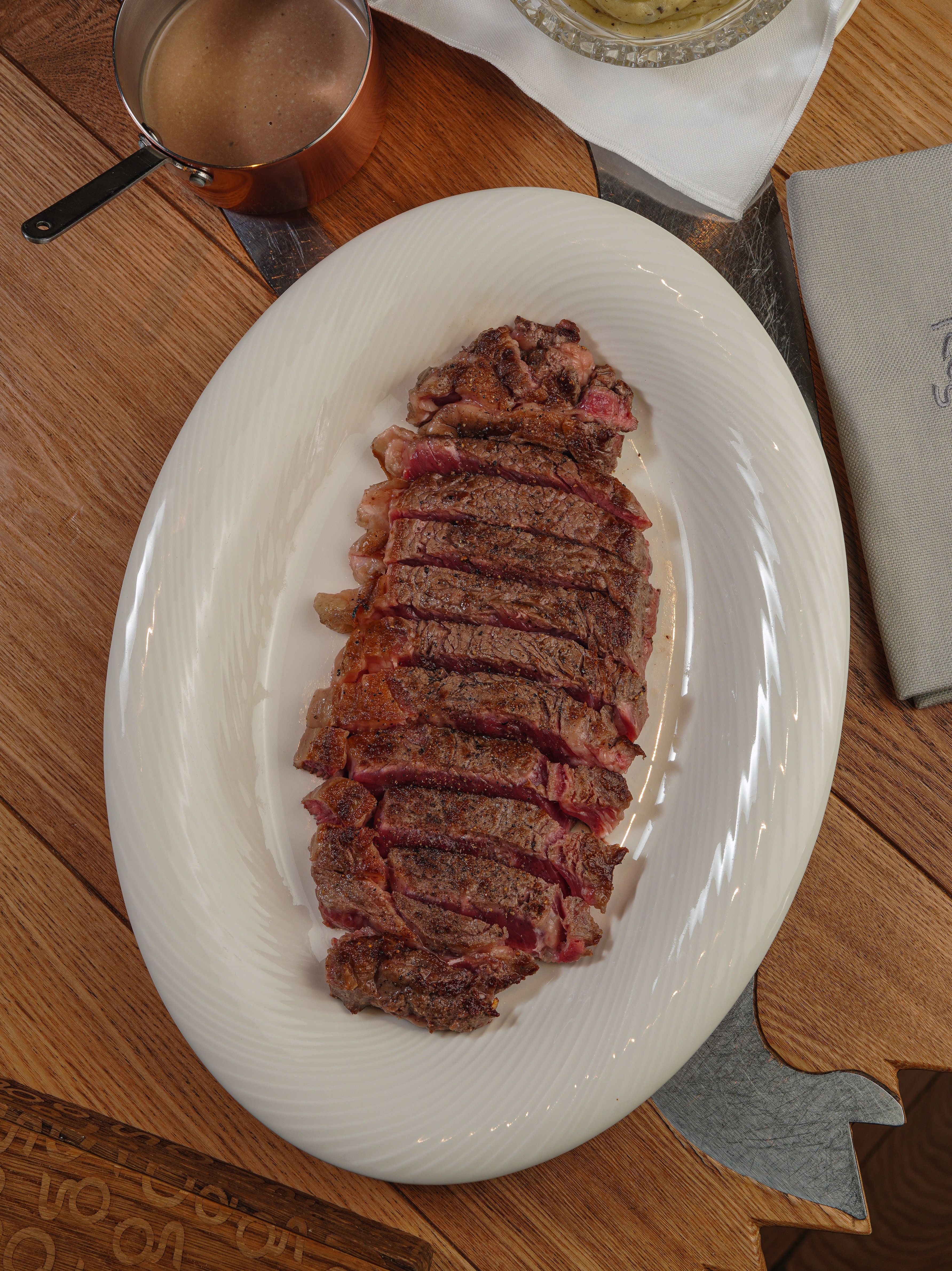
This one is less about snobbery than value. Many chefs say ordering an expensive steak well-done makes little sense because prolonged heat drives out moisture, tightens texture, and erases some of the qualities that justified the premium price.
In some kitchens, a guest requesting well-done may also receive a thinner cut or a steak that is harder to sell at rarer temperatures. Most reputable steakhouses will still cook carefully, but not every operation treats that request equally.
If you prefer no pink, that is your choice. But chefs often suggest a braise, short rib, or burger instead, since those dishes are built to stay flavorful even when cooked far beyond medium.



Leave a Reply