
Some kitchen tools sell a dream more than a function. In Canadian homes, the gadgets that gather the most dust are often the ones bought with the best intentions.
The Single-Serve Smoothie Maker

It usually enters the kitchen during a January health kick. The promise is simple: toss in fruit, press a button, and start every morning with a better habit.
The problem is that single-serve smoothie makers often create more cleanup than expected. The cup, blade lid, sealing ring, and base all need attention, and sticky fruit residue sets fast. On busy weekdays, that extra washing is enough to send most people back to toast or coffee.
There is also the ingredient issue. Fresh berries, yogurt, protein powder, and frozen fruit are not always cheap in Canada, especially in winter when produce prices rise. Many owners realize the machine works well, but not well enough to justify the ongoing cost and effort.
In practice, a regular blender or immersion blender can do the same job with more flexibility. That is why these compact machines often start on the counter and end up in a cabinet behind the mixing bowls.
The Panini Press
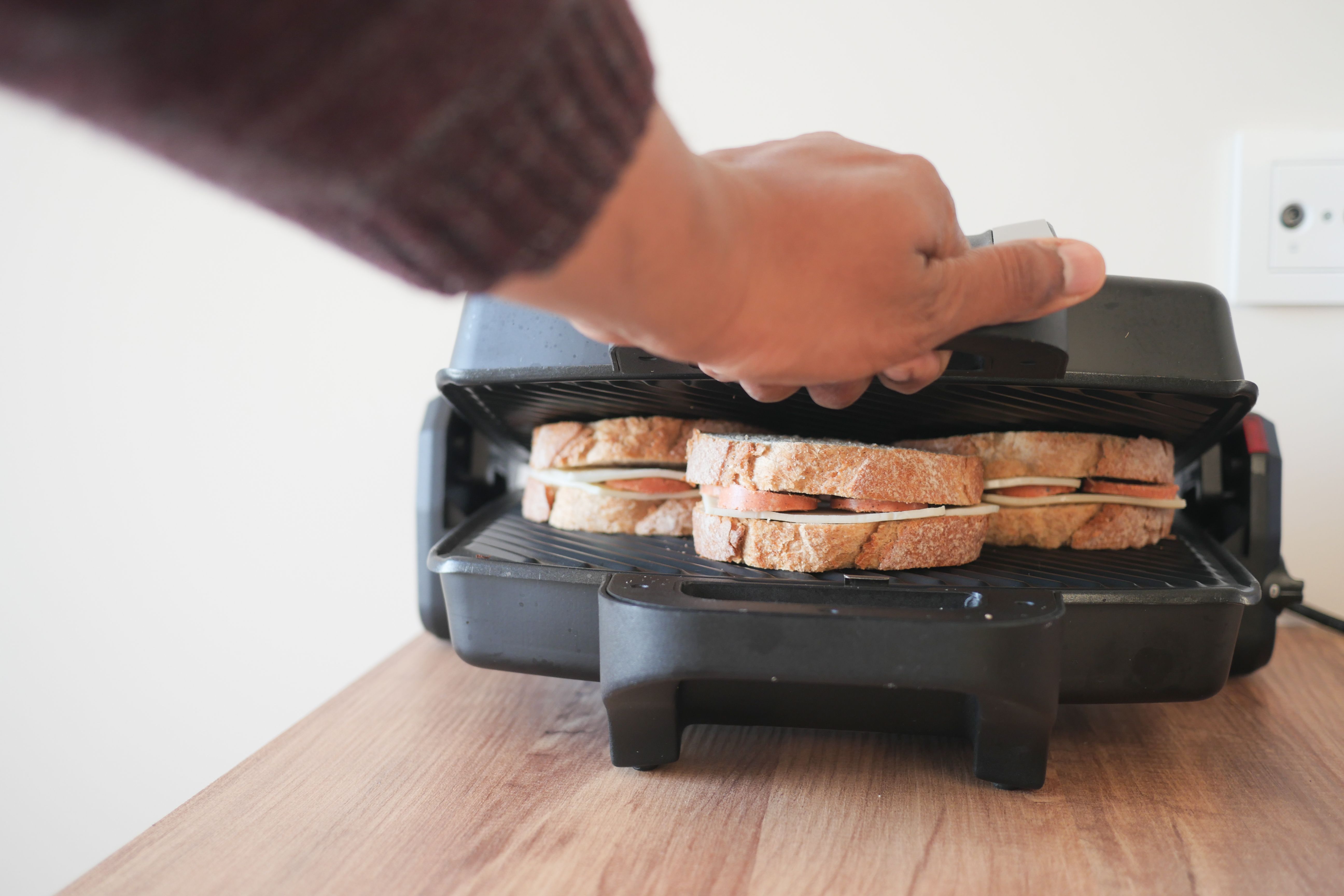
A panini press feels like a smart upgrade for anyone who enjoys café-style lunches. It promises crisp bread, melted cheese, and grill marks that make a sandwich seem instantly better.
What buyers discover is that it is a large appliance built for a narrow task. Most households do not make pressed sandwiches often enough to justify the counter or storage space. A frying pan and another heavy pan on top can produce a very similar result.
Cleanup also slows the romance. Unless the plates are removable, cheese and oil get stuck in grooves, and wiping a hot press is never pleasant. Many lower-cost models also heat unevenly, leaving one side browned and the other still pale.
In Canadian kitchens where space matters, single-purpose appliances have a short honeymoon. The panini press survives only in homes that truly use it weekly, and that is far fewer buyers than retailers suggest.
The Spiralizer
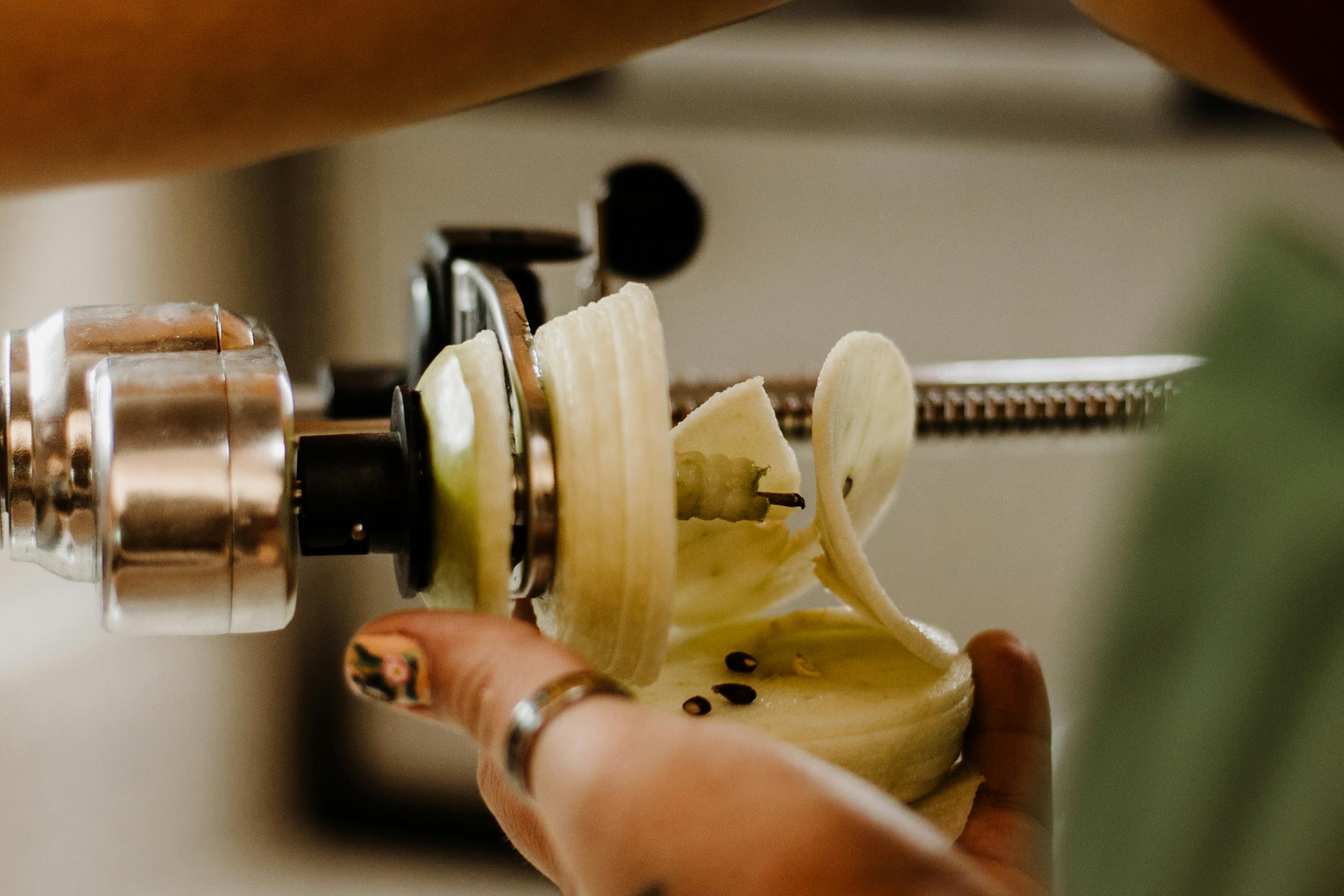
The spiralizer became popular when low-carb eating exploded. It sold people on the idea that zucchini noodles and curly sweet potato strands would permanently replace pasta.
For most buyers, that never happens. Spiralizing works best with firm vegetables in ideal shapes, which means crooked carrots, soft zucchini, or small potatoes often turn into waste. The output looks fun, but everyday meals rarely depend on vegetable ribbons.
There is also a mismatch between novelty and habit. Canadians may try zucchini noodles once or twice, then return to pasta, rice, or roasted vegetables that are quicker and more satisfying. A 15-minute dinner does not become easier just because the vegetables look like noodles.
Storage does not help either. Many spiralizers come with multiple blades, caps, and food holders that disappear into junk drawers. Once one part goes missing, the whole tool becomes clutter with a handle.
The Bread Maker
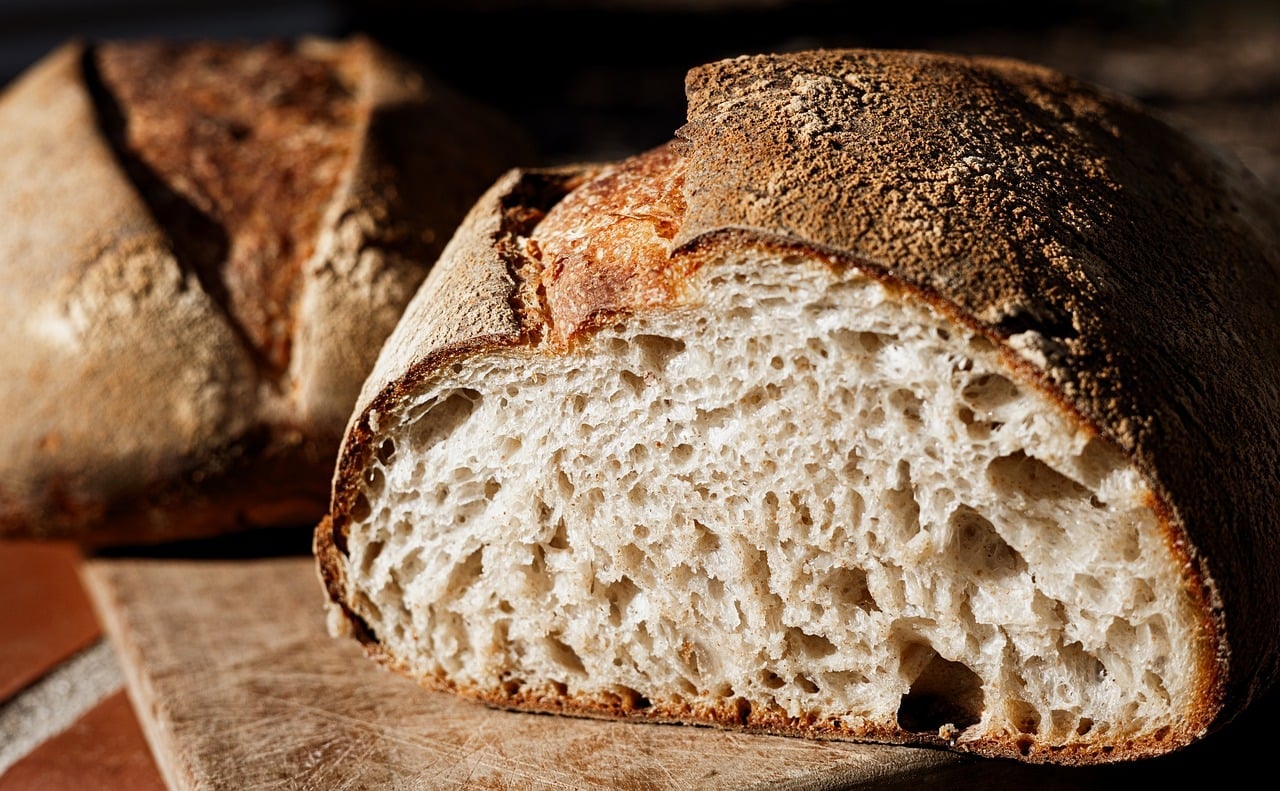
Few machines sell comfort better than a bread maker. The appeal is especially strong during long Canadian winters, when fresh homemade bread sounds practical, cozy, and economical.
The reality is more mixed. Bread makers take up serious space, and many loaves produced in them have a uniform shape and texture that some people find less appealing than oven-baked bread. The machine does the kneading, but the result does not always match bakery expectations.
Ingredient costs and timing matter too. Specialty flours, yeast, seeds, and add-ins can make homemade bread less of a bargain than buyers assume, especially if the machine is only used occasionally. People also forget that bread still requires planning, measuring, and patience.
Many owners eventually return to store-bought bread or make rustic no-knead loaves in a Dutch oven. The bread maker is not useless, but it often loses out to simpler methods that fit modern schedules better.
The Juicer

A juicer is often purchased with serious wellness ambitions. Buyers picture bright green drinks, morning routines, and a fridge full of healthy habits that finally stick.
Then the waste becomes obvious. Juicing strips produce down to liquid and leaves behind a surprising pile of pulp, which can feel expensive when carrots, celery, apples, and greens are bought at Canadian grocery prices. Drinking the juice is easy, but justifying the cost is harder.
Cleaning is the other deal breaker. Mesh filters, chutes, blades, and pulp bins all need immediate washing before they dry into a stubborn mess. Even people who like fresh juice often decide that buying it occasionally is easier than maintaining the machine.
Nutrition experts also point out that blending keeps fibre intact, which many households prefer. Once that becomes clear, the juicer often gets pushed aside by a blender that can handle smoothies, soups, and sauces too.
The Electric Fondue Set
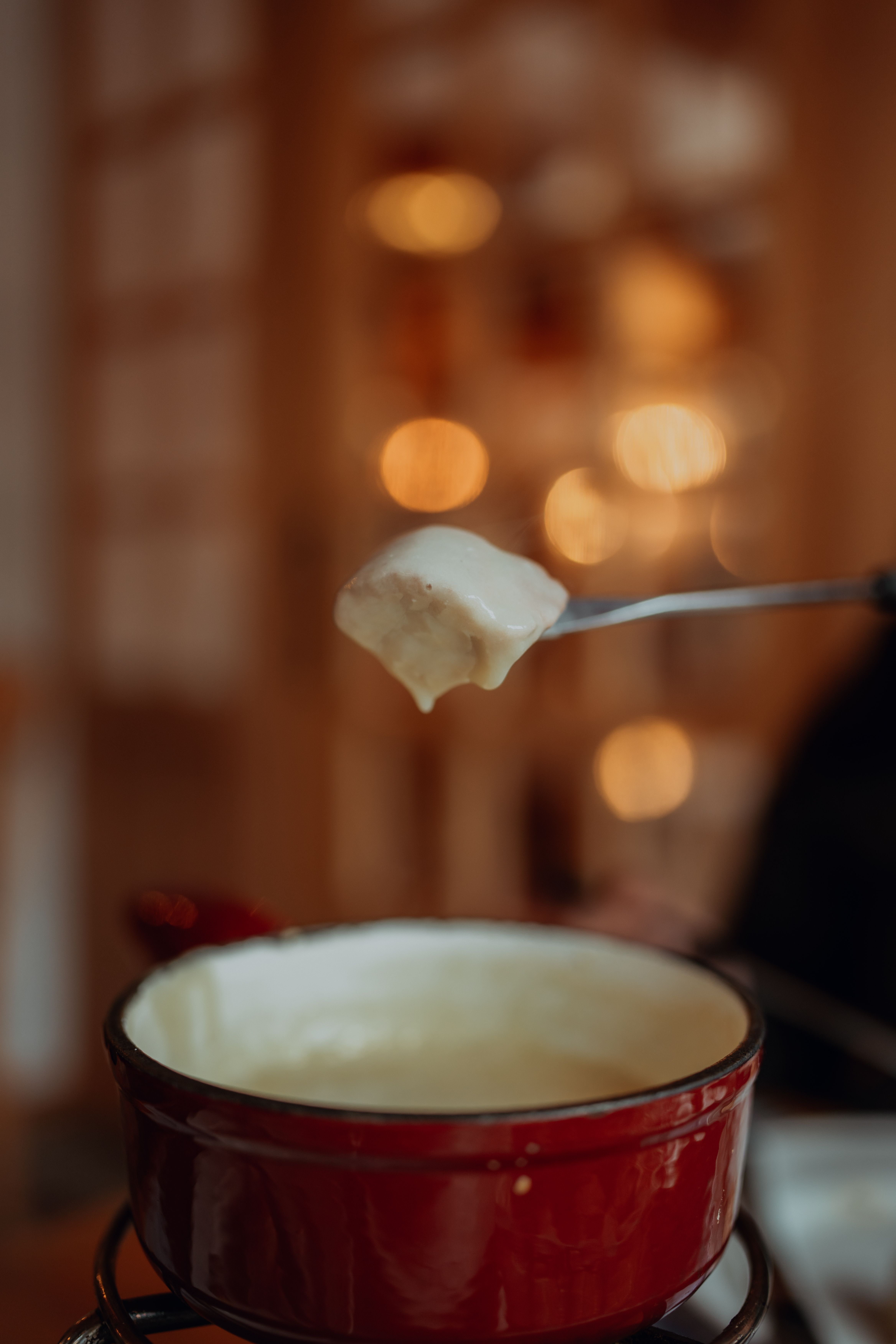
Fondue sets are classic aspirational purchases. They suggest winter entertaining, holiday parties, and the kind of dinner where everyone lingers happily around melted cheese or chocolate.
In reality, fondue is more event than meal. It requires planning, chopped dipping ingredients, careful temperature control, and a group that is equally committed to the idea. That is a lot to ask from a tool used mostly a few times a year.
There are also practical concerns. Oil fondue can be messy, cheese fondue can seize if mishandled, and chocolate fondue is fun but limited. Once the novelty fades, many Canadians conclude that the set occupies too much shelf space for too little use.
As a result, fondue equipment often lives in basements, not kitchens. It returns briefly during the holidays, then disappears again beside roasting pans and forgotten serving platters.
The Pasta Machine
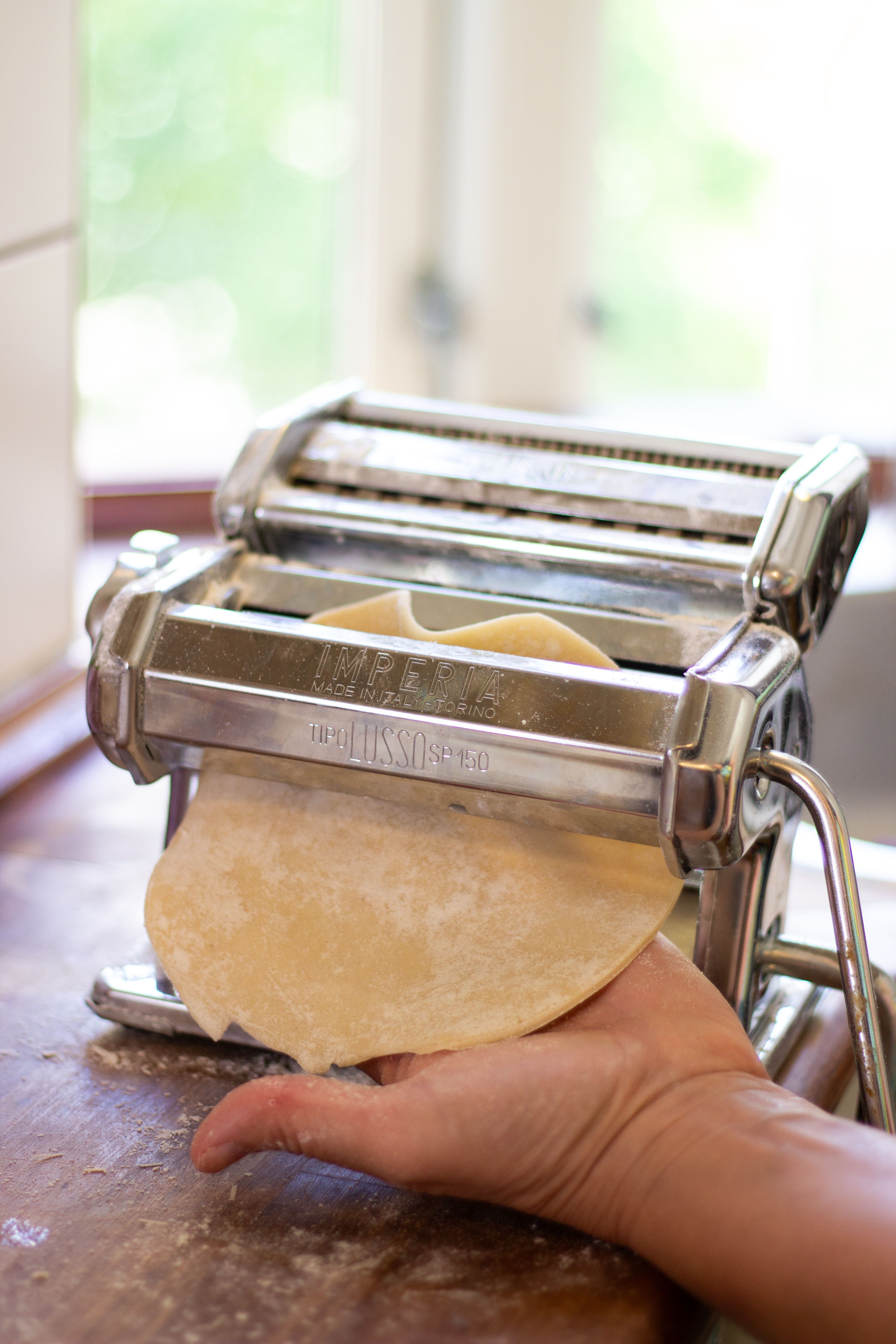
A pasta machine appeals to people who admire old-world cooking craft. Turning flour and eggs into fresh sheets or ribbons feels authentic, satisfying, and a little impressive.
The catch is that fresh pasta is a project, not a shortcut. Dough needs mixing, resting, rolling, folding, and often repeating before it reaches the right texture. On a weeknight, most cooks simply do not have the time or counter space.
There is also the issue of expectations. Fresh pasta can be excellent, but dried pasta sold in Canadian supermarkets is already very good, widely available, and easy to store. For many dishes, the convenience gap is too large to ignore.
Hand-crank machines also require setup, clamping, and cleaning flour dust from rollers. After a few enthusiastic weekends, many owners decide they enjoy the idea of homemade pasta more than the routine of making it.
The Avocado Slicer
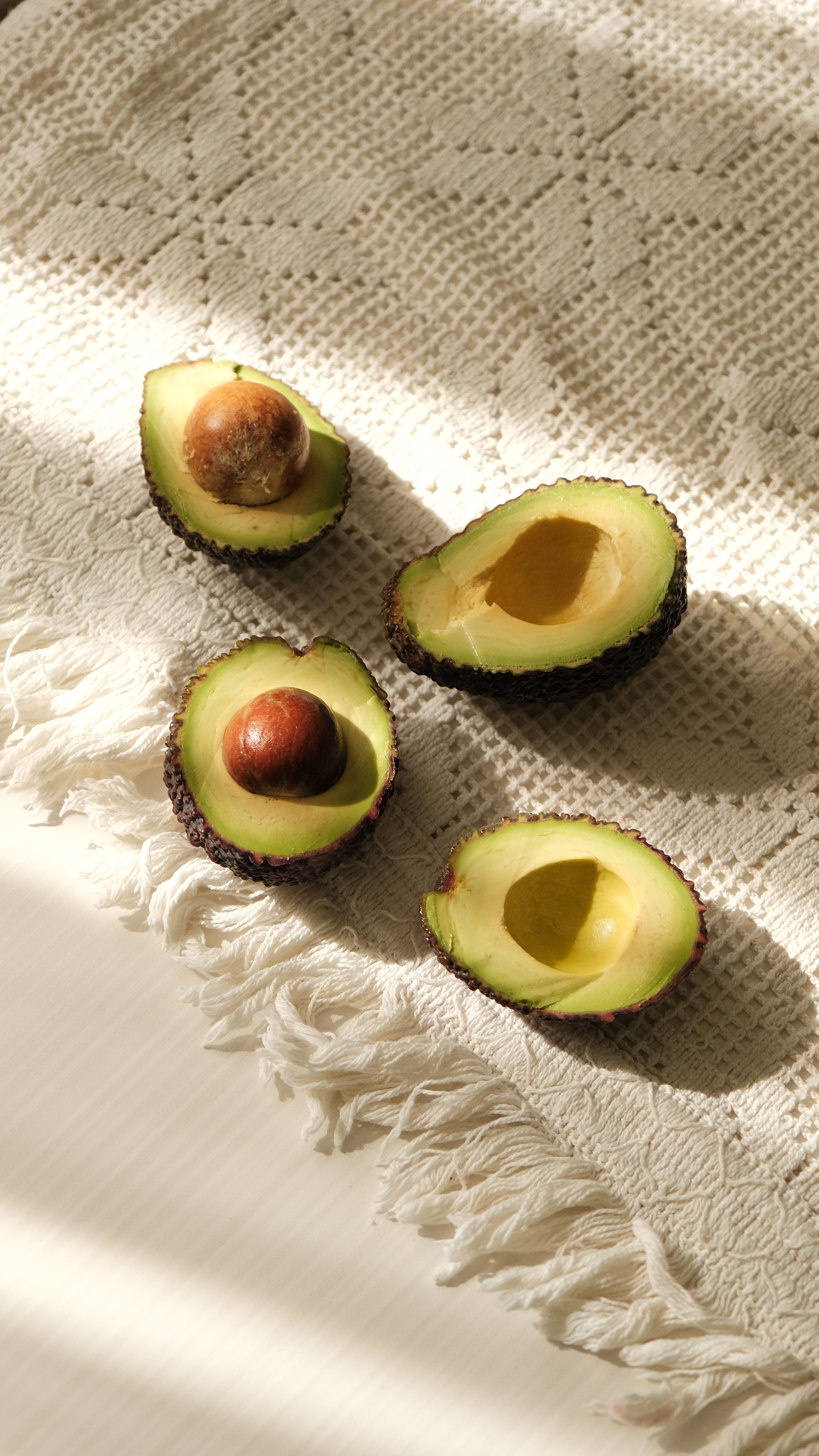
Some gadgets exist because good marketing can make any task seem complicated. The avocado slicer is a perfect example, promising to split, pit, and slice one fruit with one specialized tool.
Most people quickly realize a knife and spoon work just as well. Avocados are soft, simple to handle, and not frequent enough in many households to justify a dedicated utensil. A tool built around a single ingredient has very little room to prove its value.
It can also be less efficient than advertised. If the avocado is underripe or overripe, the slicer does not neatly produce uniform pieces anyway. In real kitchens, produce rarely behaves like it does in packaging photos.
That is why avocado slicers tend to drift into the same drawer as corn holders and egg separators. They are not offensive tools, just unnecessary ones in a kitchen already full of better options.
The Popcorn Maker

A popcorn maker sounds like family fun in appliance form. It evokes movie nights, inexpensive snacks, and the idea of fresher popcorn than anything that comes out of a microwave bag.
Yet stovetop popcorn is already simple, fast, and cheap. With a pot, oil, and kernels, most households can make a large batch in minutes without storing another bulky appliance. The dedicated machine solves a problem many people do not actually have.
Air poppers also produce mixed results depending on what users want. Health-conscious buyers may appreciate the low-oil approach, but others find the flavour too plain and still end up adding butter or seasoning afterward. That weakens the advantage.
Over time, the machine becomes something pulled out for a sleepover or party, not a daily staple. In many Canadian kitchens, it survives on nostalgia rather than regular use.


Leave a Reply