
Moving food across a provincial border can trigger a very different set of rules than selling it locally. In Canada, several common foods fall under federal oversight, and shipping them legally often requires a licence under the Safe Food for Canadians regime.
Meat products

Few foods are regulated more tightly than meat, and for good reason. Fresh beef, pork, lamb, and processed meats can carry serious food safety risks if slaughter, cutting, storage, or transport standards break down. That is why interprovincial trade is generally restricted to meat prepared in federally licensed establishments.
The rule does not just apply to large packing plants. A butcher shop or farm processor selling sausages, jerky, smoked meat, or frozen cuts into another province usually needs federal licensing, preventive control plans, and traceability records. Provincial inspection alone is typically not enough for shipment beyond that province.
This distinction matters in real life. Many small producers are fully legal at farmers' markets inside their home province but cannot simply add mail-order shipping nationwide. The Canadian Food Inspection Agency, or CFIA, treats interprovincial movement as a federal matter because the food leaves the province's direct inspection framework.
Consumers often assume vacuum-sealed meat is automatically shippable. It is not. Shelf life, pathogen control, labelling, refrigeration, and inspection status all matter, and without federal approval, shipping meat across provincial lines can lead to product seizure, fines, or forced disposal.
Poultry
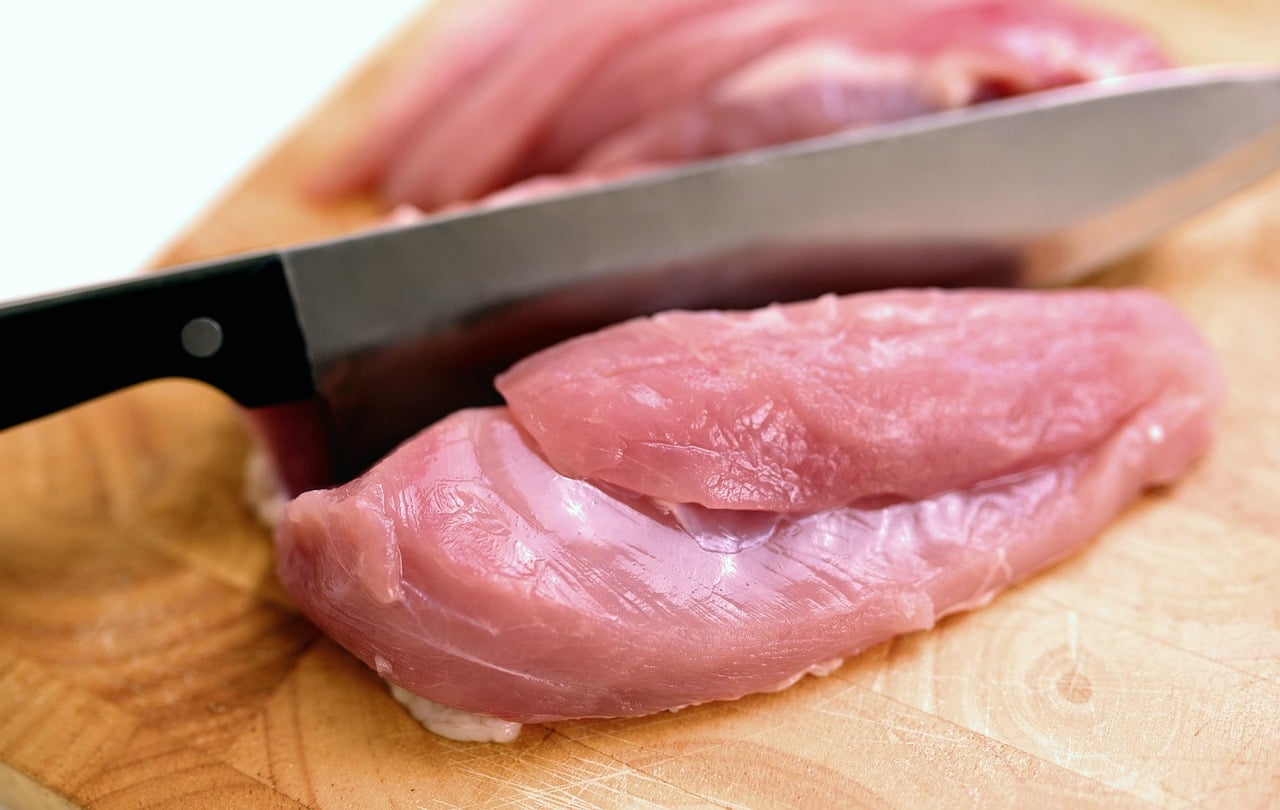
Chicken and turkey may seem like ordinary grocery items, but poultry is one of the most closely watched food categories in Canada. The reason is straightforward: raw poultry has a well-documented association with pathogens such as Salmonella and Campylobacter, and regulators treat cross-border movement carefully.
If a processor wants to ship raw chicken breasts, whole birds, duck products, or marinated poultry to another province, the product generally must come from a federally licensed facility. That facility must meet standards covering sanitation, chilling, handling, packaging, employee hygiene, and hazard control.
Even cooked poultry products can be captured by the rules. A business selling chicken pot pies, turkey deli meat, or ready-to-eat smoked poultry across provincial borders may still need a federal licence depending on how the food is manufactured, packaged, and represented for sale.
This is where many startup food businesses miscalculate. They focus on recipe development and branding but overlook the legal status of the kitchen or processor making the food. In interprovincial poultry sales, compliance is not a technicality. It is the foundation of lawful trade.
Dairy products
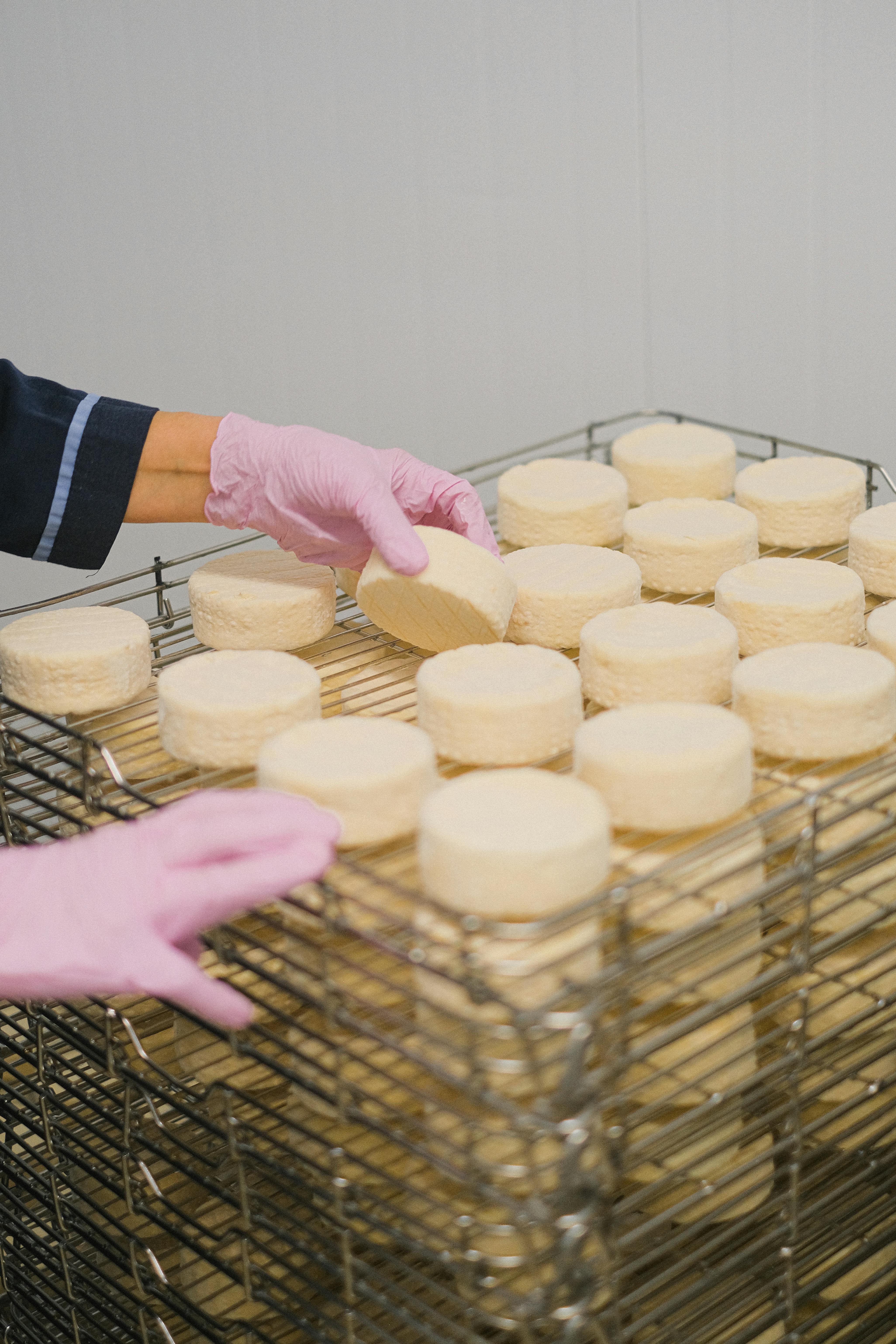
Milk is heavily regulated long before it reaches a store shelf. Interprovincial shipment of many dairy products, including fluid milk, cream, butter, cheese, yogurt, and certain milk-based desserts, usually requires a federally licensed operator when those products are traded as food between provinces.
Part of the reason is food safety. Dairy can support bacterial growth if pasteurization, temperature control, or post-processing sanitation fails. Another factor is market regulation. Canada's dairy sector operates under a tightly managed system involving standards, quotas, grading, and movement controls that shape how products enter broader commerce.
Cheese offers a useful example. A small creamery may be allowed to produce and sell within its own province under provincial rules, yet shipping those same wheels of cheese to customers in another province can bring federal licensing obligations into play. The product being artisanal does not remove the requirement.
Labelling also matters more than many people realize. Ingredients, allergens, identity standards, storage instructions, and traceability details must align with federal requirements. When dairy crosses provincial lines, regulators want confidence that both the product and the paperwork meet national standards.
Eggs and processed egg products

Eggs look simple, but the law treats them as a product requiring close control. Shell eggs, liquid eggs, dried egg powder, and many processed egg ingredients are subject to federal oversight when they move between provinces, especially when grading, packing, or processing is involved.
The public-health logic is clear. Eggs can be linked to Salmonella, and cracked, ungraded, or improperly stored eggs create obvious risk. For that reason, businesses shipping eggs across provincial borders generally need federally compliant grading, packing, sanitation, and recordkeeping systems in place.
Processed egg products face even more scrutiny. Liquid whole egg used by bakeries, pasteurized egg whites sold to fitness consumers, and powdered egg ingredients for food manufacturing all require careful microbial control. Interprovincial movement without the right licence can expose a seller to enforcement action very quickly.
This surprises backyard flock owners and small specialty farms. Selling locally may be permitted under provincial channels, but shipping cartons of eggs or egg products to buyers in another province is not just an extension of local sales. It is a different legal category entirely.
Fish and seafood

Seafood often travels far from where it is harvested, which is exactly why federal control is so important. Fresh fish, frozen fillets, smoked salmon, oysters, mussels, lobster meat, and many other seafood products generally require federal licensing for legal interprovincial shipment.
The category is broad because the risks are broad. Seafood can involve parasites, histamine formation, marine biotoxins, temperature abuse, and contamination during processing. Shellfish add another layer of oversight because harvest area controls, depuration rules, and tagging systems are essential for public safety.
A smoked salmon producer is a good case study. Smoking can preserve fish, but it does not eliminate every hazard. CFIA expects validated processing steps, sanitation controls, refrigeration practices, and traceability documentation before such products enter trade across provincial borders.
Live shellfish are even more sensitive. Oysters and mussels must be traceable back to approved harvest areas, and paperwork failures alone can cause shipments to be detained. In seafood, the licence is not just a permit to sell. It is evidence that the system behind the food is trustworthy.
Fresh fruits and vegetables under licensing rules
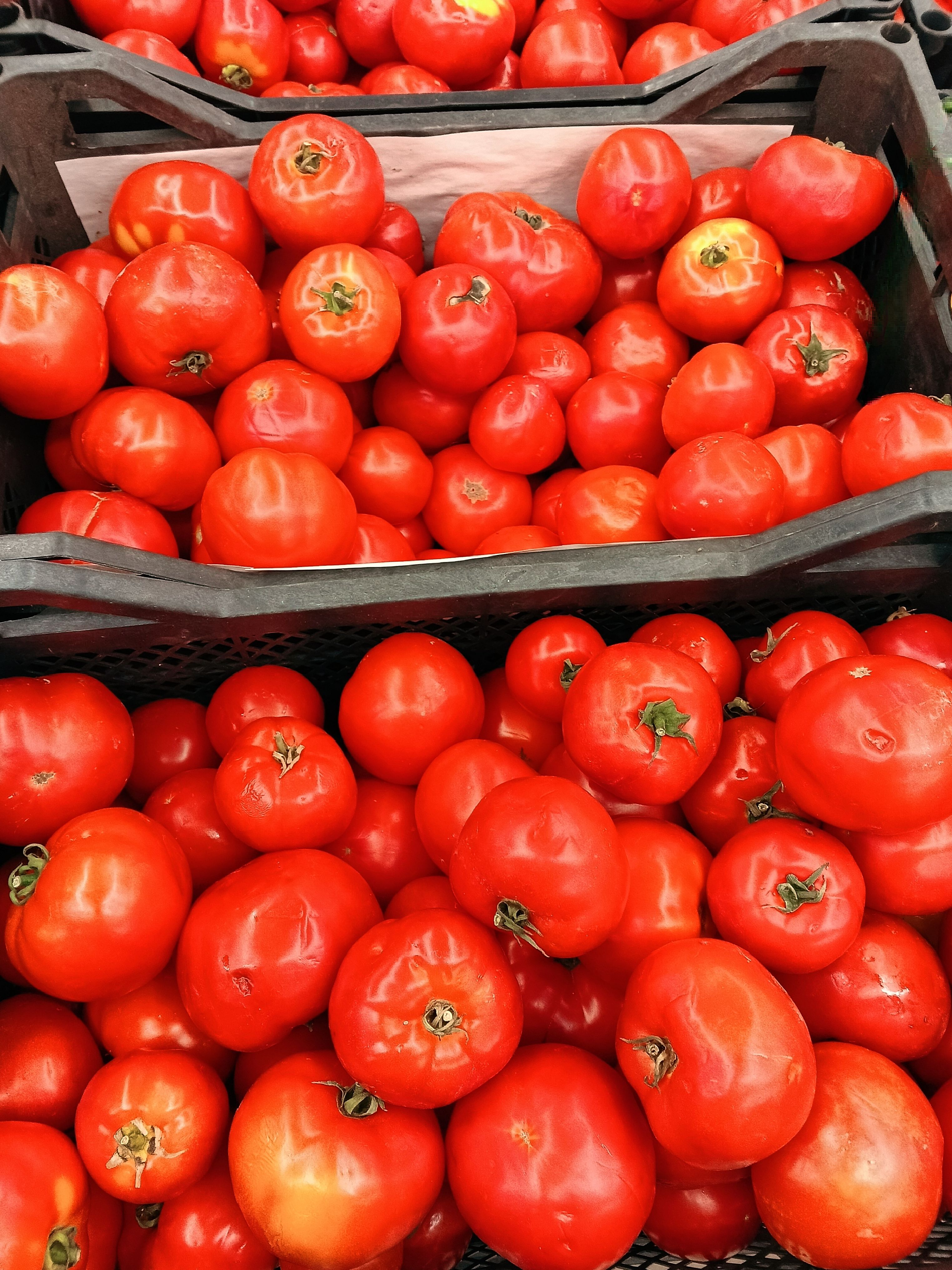
Produce seems harmless compared with meat or seafood, yet some fresh fruits and vegetables are also regulated in interprovincial trade. Licensing can apply when businesses import, export, or send produce across provincial lines as commercial sellers, especially under federal fresh produce rules.
The concern is partly safety and partly fair trade. Outbreaks tied to lettuce, onions, cantaloupes, and sprouts have shown that raw produce can spread serious illness. At the same time, grade standards, packaging rules, and traceability requirements help create consistency in national markets.
Potatoes are a familiar example because they can also carry plant health concerns. Certain movements may be restricted or controlled to prevent the spread of pests or disease. Depending on the product and purpose, federal requirements can overlap between food law and plant protection law.
This area is often misunderstood because people associate licensing only with animal products. In reality, commercial produce shippers may also need federal authorization and compliant records. The exact obligations depend on the commodity, destination, and business model, but the legal risk is very real.
Processed foods containing regulated animal ingredients
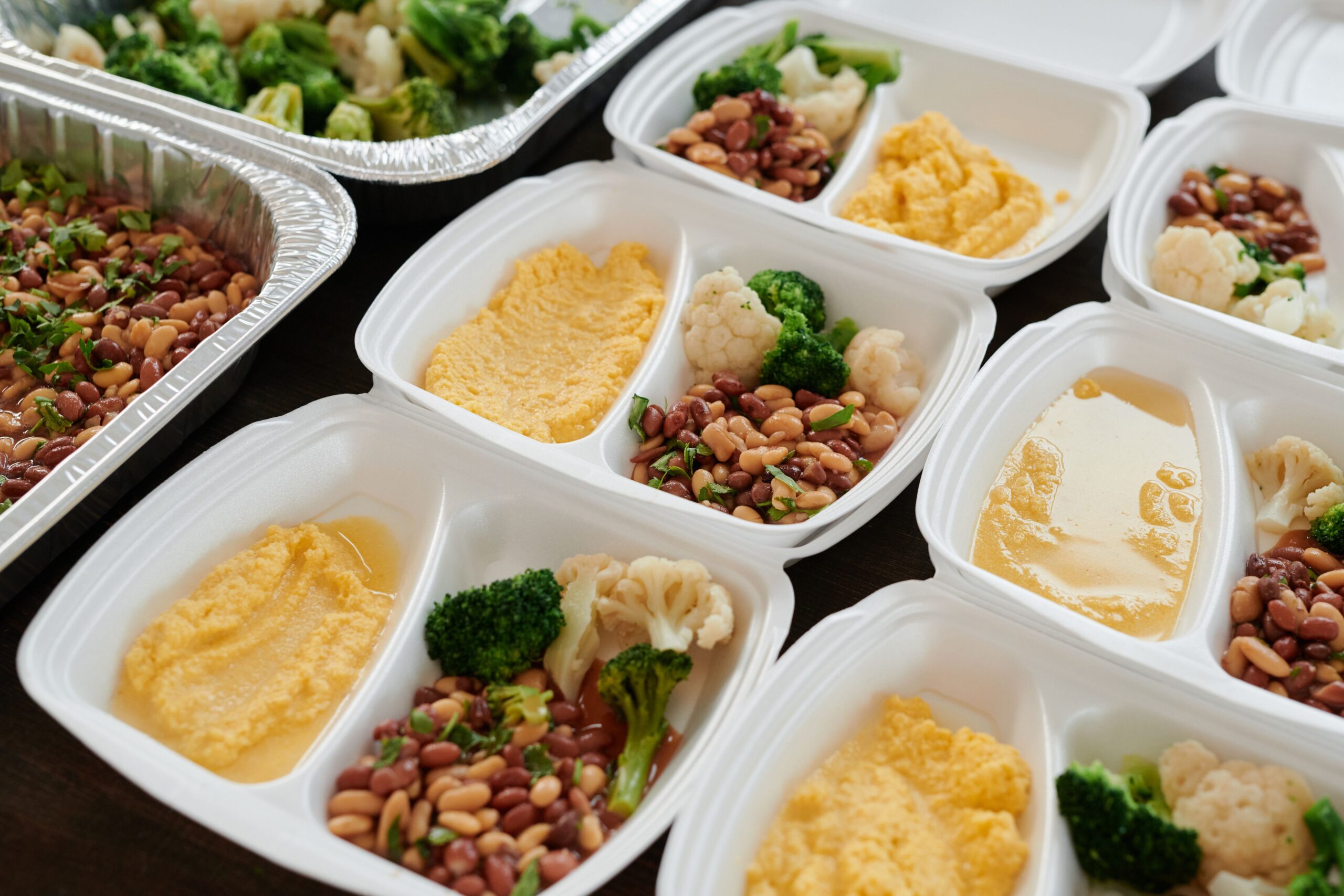
The final category catches many businesses off guard: mixed or processed foods made with regulated animal ingredients. A frozen lasagna with beef, a cream-filled pastry, a breakfast sandwich with egg, or a seafood chowder may all trigger federal licensing issues when shipped to another province.
What matters is not just the finished product's branding as a meal, snack, or dessert. Regulators look at its ingredients, how it was manufactured, whether it is shelf-stable or refrigerated, and what hazards need to be controlled. A multi-ingredient food can still be regulated like its highest-risk components.
That is why meal-kit companies, online gourmet shops, and subscription food brands must pay attention. A business may think it is shipping convenience foods, but if those foods contain meat, dairy, eggs, or seafood, the federal rules can apply in full. Packaging innovation does not replace legal authorization.
The practical lesson is simple. In Canada, interprovincial food sales are not governed by guesswork or good intentions. If a product falls into a federally regulated category, a federal licence is often the gatekeeper to lawful shipping, consumer trust, and access to a truly national market.




Leave a Reply