
A single policy change can ripple through stores, restaurants, and household budgets fast. Saskatchewan's planned 50% tax on American liquor is one of those moves.
What Scott Moe Announced
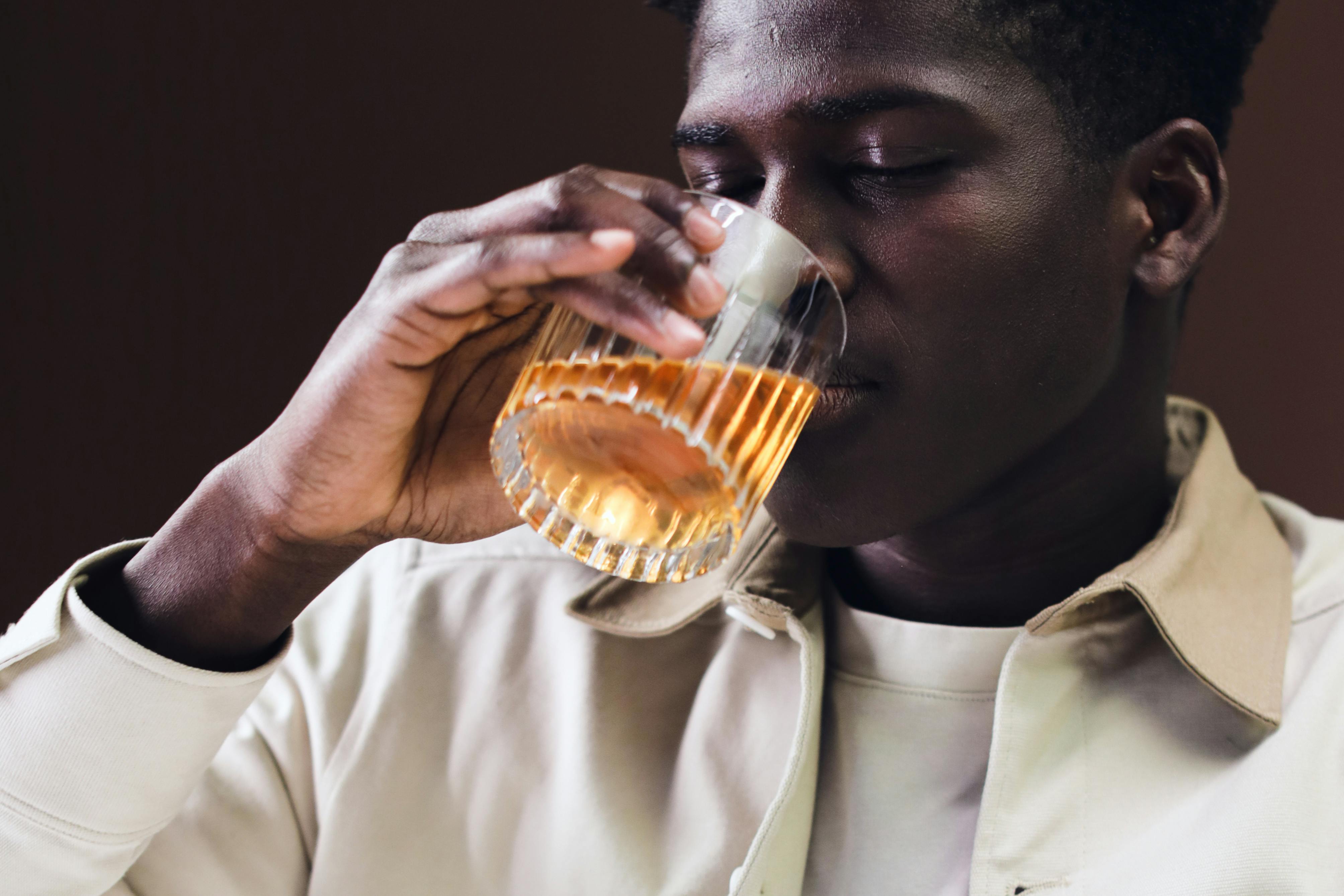
At the center of the announcement is timing and scope. Premier Scott Moe said that, starting Sept. 8, a 50% tax will be applied to American liquor in Saskatchewan. For consumers, that signals a direct price impact on U.S.-made spirits, wine, and other liquor products sold through the province's retail channels, depending on how the measure is implemented at the wholesale and store level.
The decision immediately stands out because alcohol pricing is already heavily shaped by taxes, markups, and distribution rules. Adding another 50% charge on U.S. products could make many American labels noticeably more expensive than Canadian or non-U.S. alternatives. In practical terms, shoppers comparing bottles on a shelf may see a much wider price gap than before.
This kind of targeted trade measure also carries political meaning. It suggests the province is not simply adjusting alcohol revenue policy in general, but specifically using taxation to single out goods from the United States. That makes the announcement relevant not just for retailers and buyers, but also for broader intergovernmental and trade discussions.
Why the Province Is Taking This Step
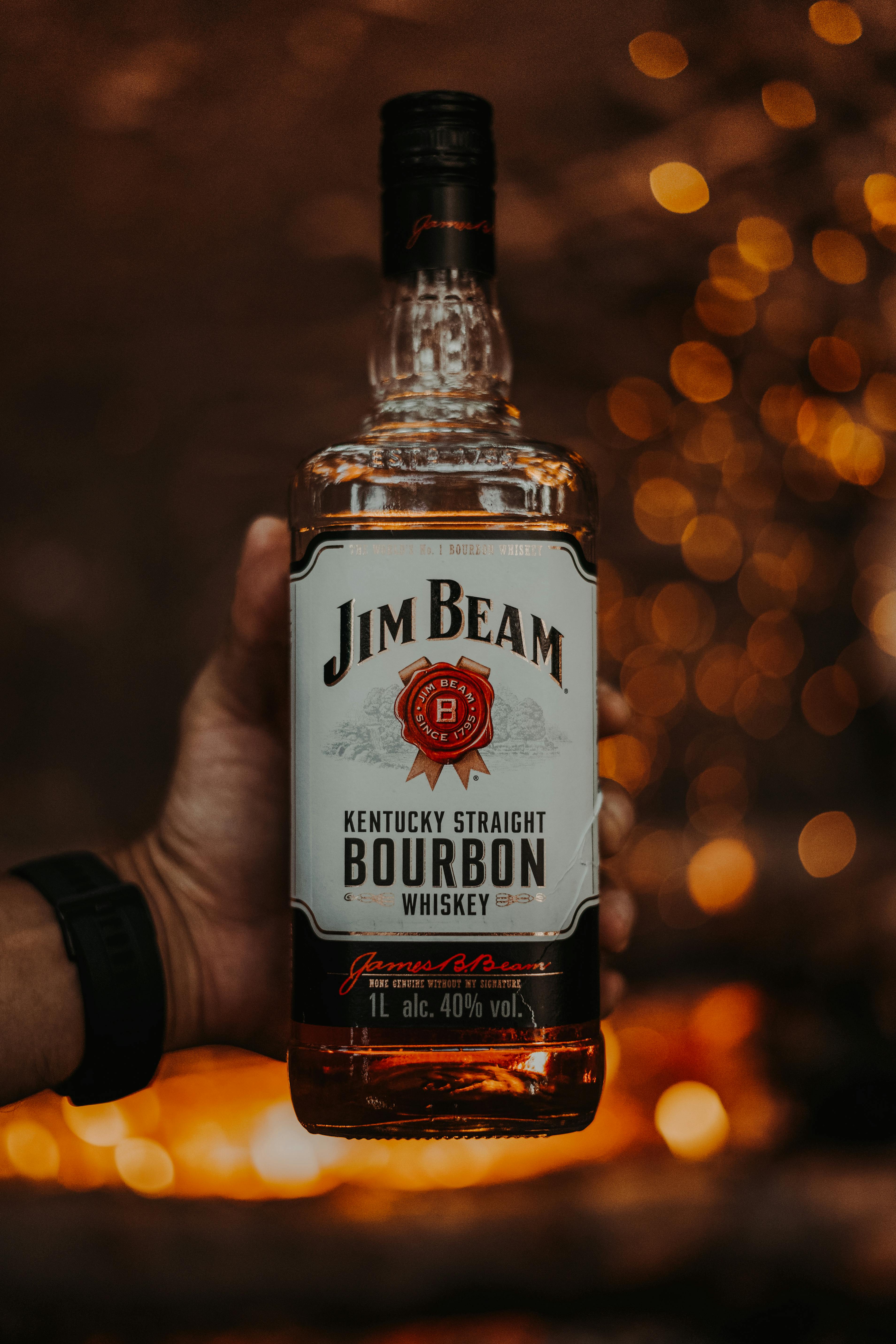
Policy moves like this rarely happen in a vacuum. A targeted tax on American liquor is often understood as part of a broader response to trade friction, procurement disputes, or retaliatory economic measures between jurisdictions. While the province's exact strategic rationale will matter, the structure of the tax points clearly to a political and economic signal, not just a budgetary adjustment.
For governments, alcohol is a convenient sector for policy action because the supply chain is regulated and easy to monitor. Provincial authorities can influence product flow through distributors, wholesalers, and approved retailers more directly than in many other consumer categories. That makes enforcement easier and gives policymakers a visible lever for pressure.
There is also a domestic optics component. Measures aimed at imported alcohol can be presented as support for local industry, especially if officials want consumers to shift toward Saskatchewan, Canadian, or non-U.S. brands. Even when the immediate goal is political, the local market often becomes part of the message.
What It Could Mean for Prices and Buyers
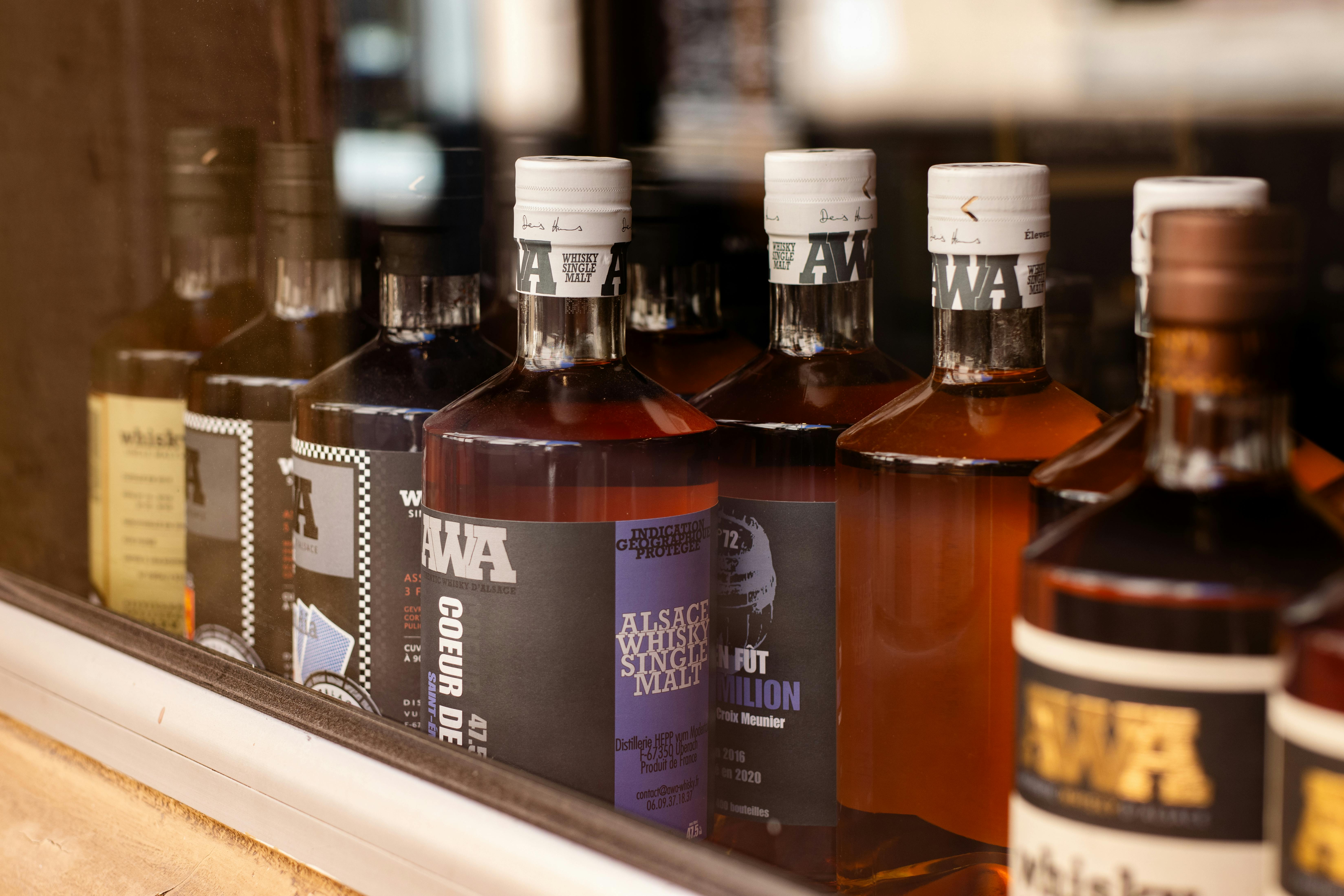
The most immediate effect will likely be at the cash register. If the 50% tax is passed through substantially to consumers, American liquor could become sharply less competitive on price. A bottle that once sat in a mid-range category may suddenly move into a premium bracket, changing buying behavior almost overnight.
Consumers tend to react quickly when alcohol prices rise. Some will trade down to cheaper brands, some will switch countries of origin, and others may reduce discretionary purchases altogether. In restaurants and bars, managers may revise drink menus, house pours, and inventory choices to protect margins without scaring off customers.
Not every product will be affected equally. Premium U.S. bourbon, Tennessee whiskey, California wine, and American vodka brands may feel the strongest pressure if there are close substitutes from Canada, Europe, or elsewhere. The more easily a buyer can switch, the more painful the tax becomes for the targeted product line.
Impact on Retailers, Bars, and Restaurants
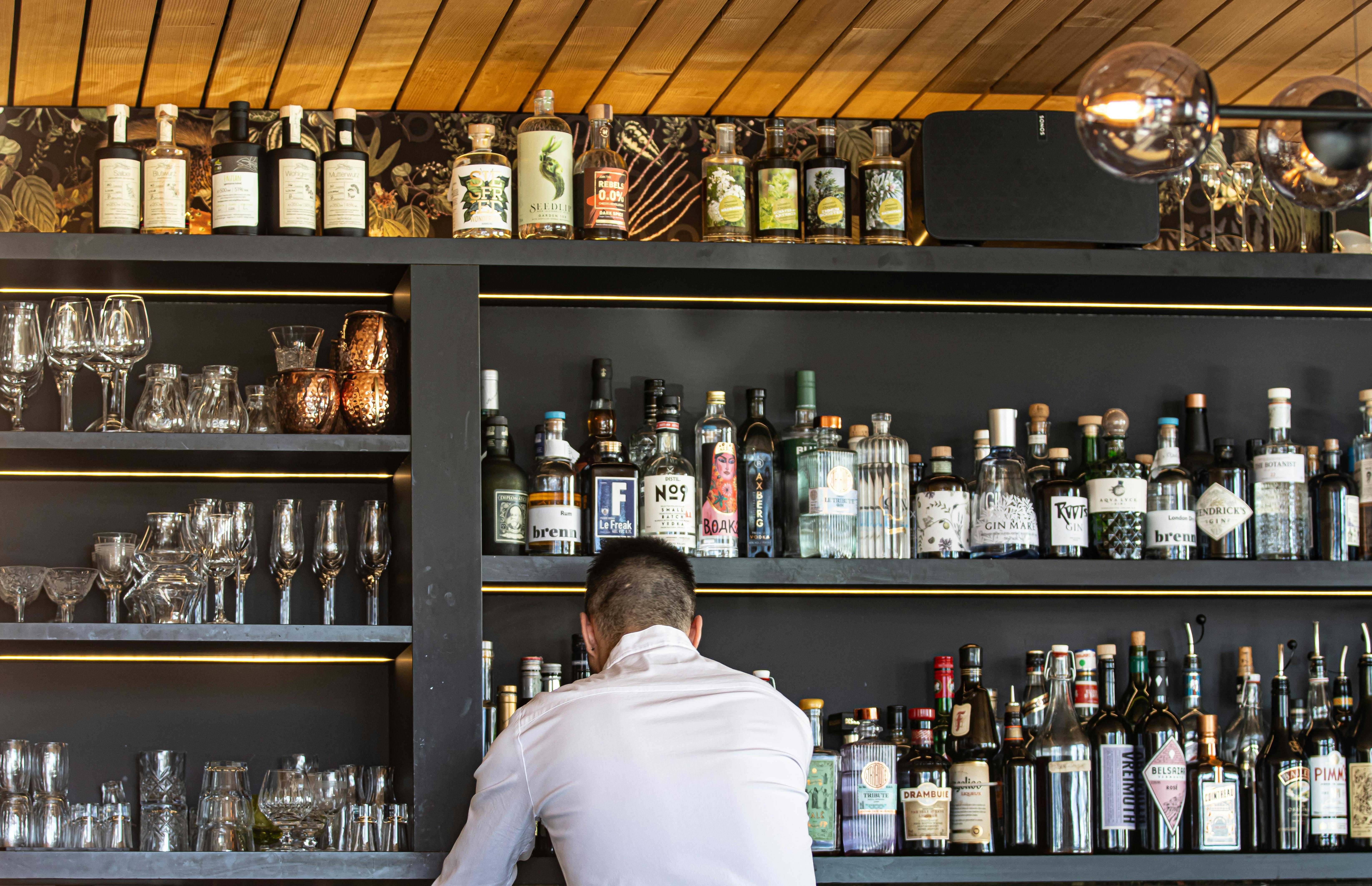
For private retailers and hospitality operators, the challenge is not merely higher prices. It is uncertainty around inventory planning, shelf strategy, and customer expectations. Businesses that rely on well-known American labels may need to decide whether to absorb some of the added cost, raise prices fully, or pivot quickly to alternative suppliers.
Bars and restaurants face a particularly delicate balancing act. Cocktail programs often depend on recognizable brands, and customers can be sensitive when a familiar bourbon or U.S. wine suddenly costs much more. Operators may respond by redesigning menus, promoting Canadian spirits, or negotiating with distributors to soften the shock.
Smaller businesses usually have less room to maneuver. Large chains may spread risk across multiple locations and supplier contracts, but independents often work with tighter margins and less purchasing power. That means the same tax policy can land much harder on neighborhood retailers, pubs, and dining rooms.
The Broader Trade and Political Context
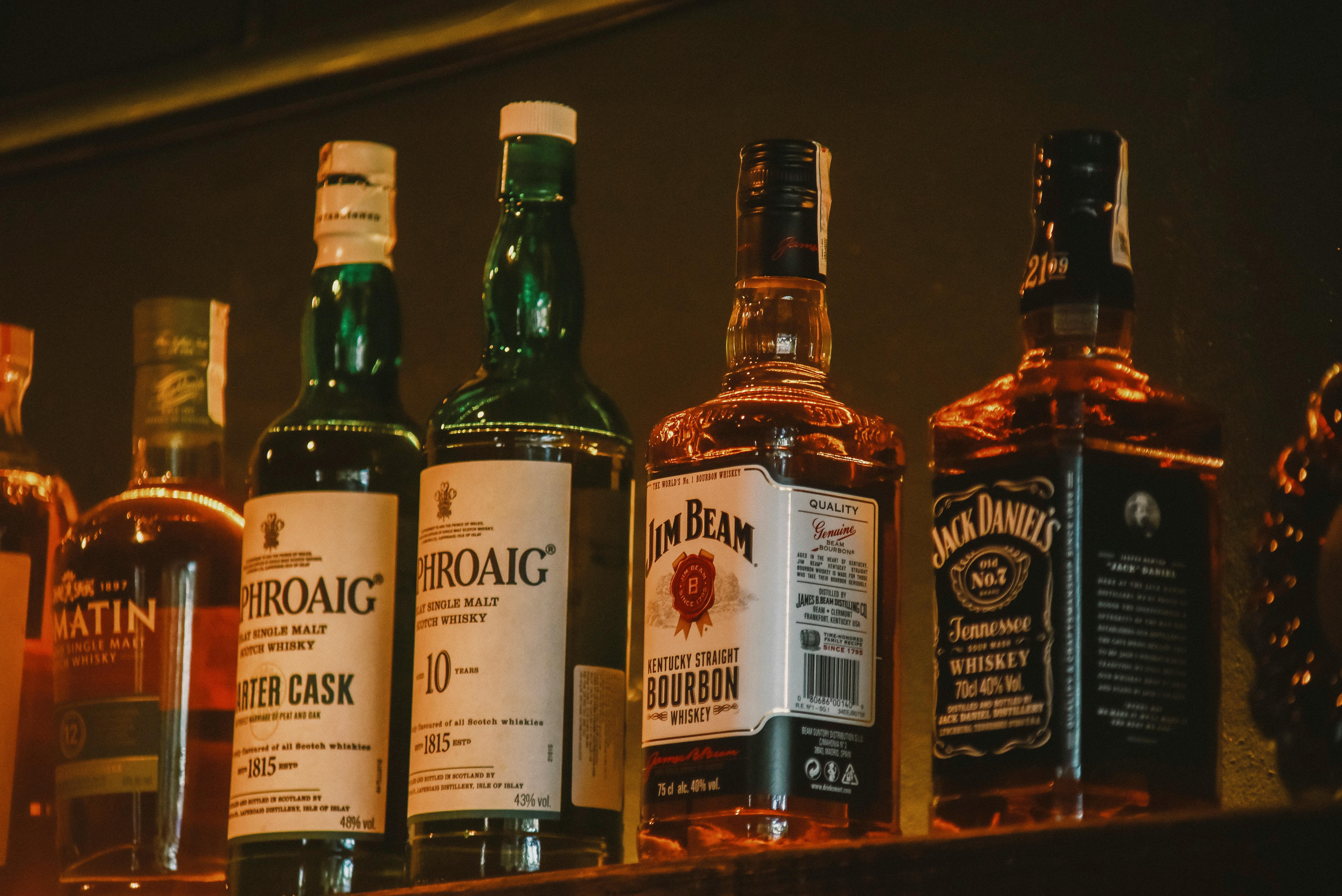
Seen more broadly, the move fits a familiar pattern in trade disputes. Governments often target symbolic consumer goods such as alcohol because they attract public attention and can apply pressure without immediately touching every sector of the economy. American liquor, especially bourbon, has frequently been caught in these kinds of policy battles across North America and Europe.
The political calculation is straightforward. A targeted tax can demonstrate toughness, align with domestic frustration over U.S. actions, and generate headlines that wider tariff language may not. But it also carries risks, including retaliation, legal scrutiny, and complaints from businesses that see themselves caught in the middle.
How long the tax remains in place will matter as much as its launch. Temporary measures can disrupt sales for a season. Longer-lasting ones can reshape purchasing contracts, consumer loyalties, and brand presence in a market. Once buyers switch habits, some may not return even if the policy is later reversed.
What to Watch Between Now and Sept. 8

The next key question is implementation. Retailers, distributors, and suppliers will want clarity on which products qualify as American liquor, how the 50% tax will be calculated, and whether any existing inventory will be treated differently from new shipments. Those details will determine how abrupt the price changes feel in stores and on menus.
Consumers should also watch for substitution strategies. If stores begin highlighting Canadian whisky, domestic craft spirits, or European wines more aggressively, that will be an early sign that the market is adjusting before the effective date. Promotional activity can reveal where sellers expect demand to move.
In the end, this is more than an alcohol story. It is a trade, consumer, and business story rolled into one. Scott Moe's announcement sets up a significant market test for Saskatchewan, and by Sept. 8 the real impact will begin to show in pricing, product choice, and public reaction.


Leave a Reply