
Shoppers may soon get new protection at the checkout. Ontario's latest consumer bill takes direct aim at a pricing practice many people never even realize is happening.
What Bill 104 is designed to stop
At the center of Bill 104 is a simple idea: a retailer should not be able to charge you a different price because it knows more about you. The proposal would ban what it calls personalized algorithmic pricing, meaning a business could not use personal data to raise or lower the price shown to one shopper versus another.
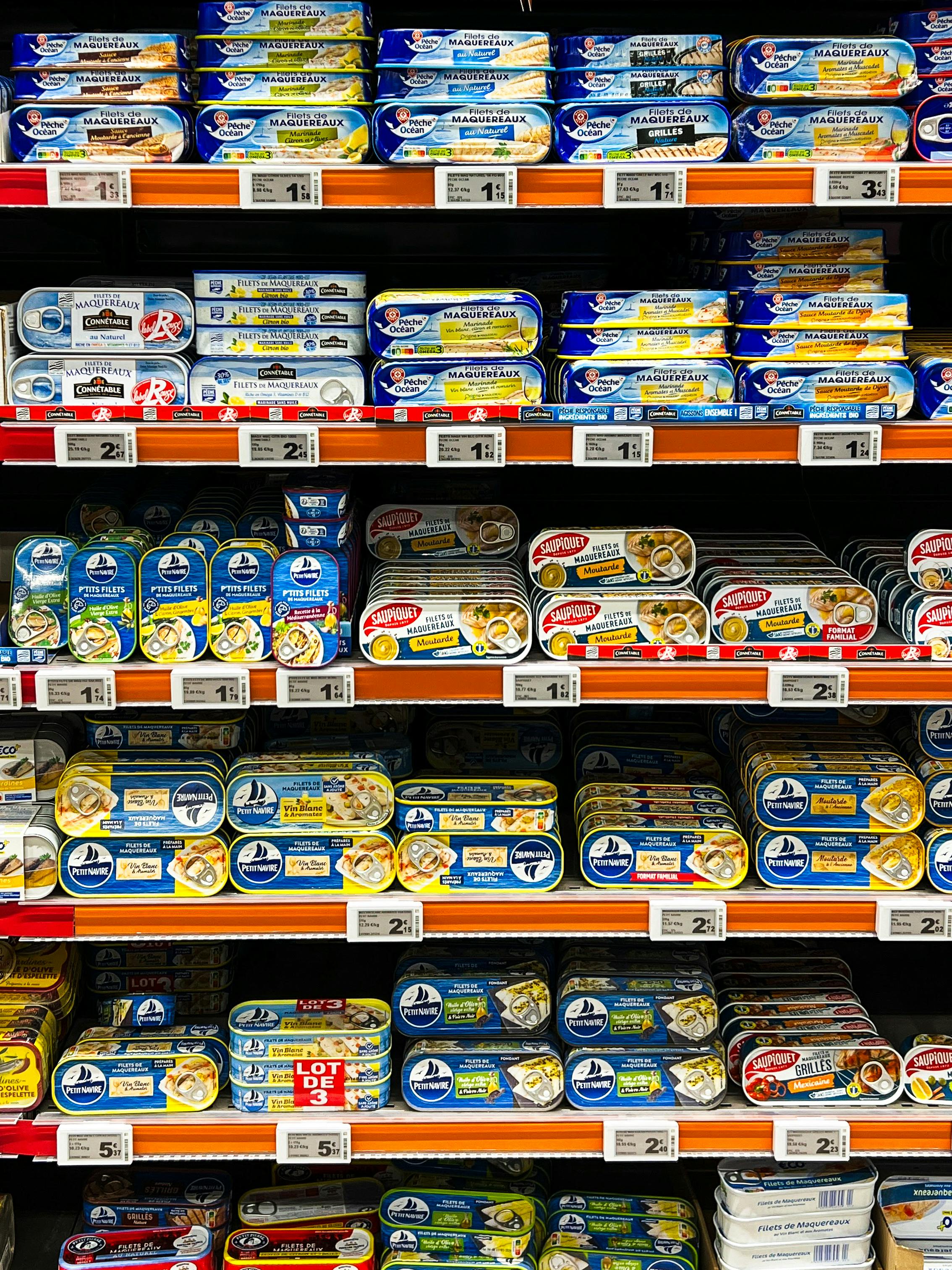
The bill, summarized by The Civics Project, would apply both in physical stores and online. That matters because modern pricing no longer lives only on paper shelf tags. Grocery chains are increasingly experimenting with electronic shelf labels, while websites and apps can change prices instantly based on software rules.
The proposal would make this conduct an unfair practice under Ontario consumer protection law. That is significant because it gives regulators and consumers a clearer legal path if they believe a business used personal data inappropriately to influence a posted price.
What counts as "personalized" pricing under the proposal
This bill is not aimed at ordinary sales or broad promotions. A weekend markdown that every shopper sees would still be allowed, and so would standard loyalty discounts offered equally to all members of a program.
What the legislation targets is individualized pricing built from data profiles. According to the source material, that could include shopping history, device type, income level, payday timing, credit history, delivery address, and even health status. In plain terms, if software predicts what you are willing or able to pay and changes the price for you alone, that is the practice under scrutiny.
That distinction is important because retailers already use data heavily. The bill does not ban analytics, advertising, or general market pricing. It focuses specifically on using personal information to generate a different item price for one consumer compared with others at the same moment.
Why grocery shoppers are paying attention

Grocery pricing is uniquely sensitive because food is not optional. If a retailer can infer that a household is under pressure, perhaps because it is payday, because the shopper lives in a certain area, or because buying patterns suggest limited options, critics say that creates the risk of hidden price discrimination on essentials.
Supporters argue the bill could protect low-income and vulnerable consumers from paying more precisely when they can least afford it. It also addresses a growing fear around digital shelf technology, where prices can be updated quickly and quietly, leaving shoppers with little visibility into whether everyone is seeing the same number.
For the average customer, the practical promise is straightforward: the shelf price or app price for a carton of eggs, bread, or milk should be the same for everyone who qualifies for that offer. That consistency is a major reason the proposal is drawing attention well beyond legal circles.
What retailers could still do if the bill becomes law
Despite the strong wording, Bill 104 would not freeze prices in place. Stores could still run store-wide discounts, change prices based on time of day for everyone, and offer standard loyalty pricing as long as it applies equally to all eligible members.
Area-based pricing would also remain possible in some cases. The source material indicates that a retailer could still set one price for all shoppers in a particular location or delivery zone, provided it is not tailoring the item price to an individual based on personal characteristics or inferred willingness to pay.
That means the bill tries to draw a line between dynamic pricing and discriminatory pricing. Businesses may still respond to competition, supply conditions, and regional costs. What they could not do is quietly decide that one person should pay more because an algorithm believes that person probably will.
How enforcement and timing would likely work

One of the bill's most important features is that it would treat violations as an unfair consumer practice. That matters because Ontario already has mechanisms for complaints, investigations, and consumer remedies under its protection framework.
If a shopper believes a price was personalized using prohibited data, they could potentially contact Consumer Protection Ontario and seek help that might include a refund or another remedy available under existing law. In theory, that gives the proposal some real teeth, though proving algorithmic discrimination could still be technically difficult.
Most of the bill would take effect six months after becoming law. Some related updates would come later, tied to the rollout of Ontario's newer consumer protection framework. That delay would give retailers and online platforms time to review software systems, data policies, and vendor agreements.
The bigger debate behind the bill

Supporters see Bill 104 as a fairness measure for the digital age. In their view, competition should be based on better prices and better service, not on how effectively a company can mine personal data to discover each shopper's limit.
Opponents, however, argue that the line is not always so clean. Some personalized systems can produce targeted discounts, not just higher prices, and retailers may say consumers benefit from customized offers. Others warn that broad rules could create compliance costs, slow innovation, and be hard to enforce in practice.
Even so, the bill reflects a bigger policy shift: governments are paying closer attention to how algorithms affect everyday costs. In Ontario, that debate has now reached one of the most sensitive places possible, the price of food.




Leave a Reply