
A pantry staple just landed in the spotlight for the wrong reason. Canada's latest food fraud testing suggests olive oil remains one of the easiest premium foods to misrepresent.
What Canada's testing found

The headline result is striking because olive oil posted the worst compliance rate among the products examined in Canada's food fraud surveillance work. In plain terms, more samples failed authenticity or labeling expectations than any other food in the testing set. That matters because olive oil is not a niche luxury anymore. It is a daily cooking ingredient for millions of households.
According to inspection reporting from the Canadian Food Inspection Agency, food fraud checks focus on whether a product matches what its label claims. In olive oil, that can mean confirming species, composition, grade, or geographical claims. A failure does not always mean a health danger. It does mean consumers may be paying for something different from what they believed they bought.
This is exactly why olive oil keeps drawing enforcement attention worldwide. It carries a premium image, commands higher prices than many seed oils, and moves through a long international supply chain. That combination creates opportunity for substitution, dilution, and misleading labels.
Why olive oil is so vulnerable to fraud
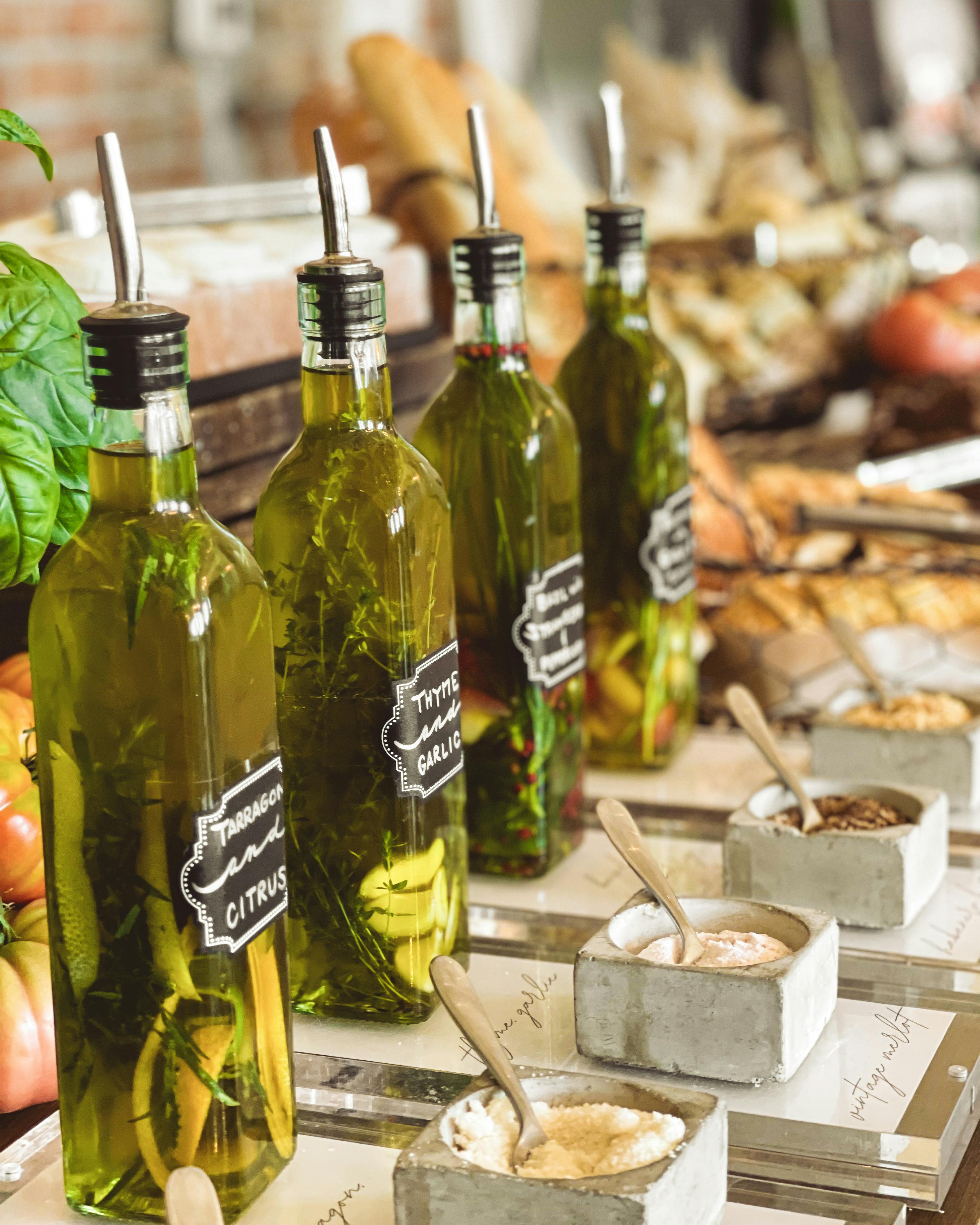
Olive oil has a built-in fraud risk because it is difficult for shoppers to judge authenticity by sight or taste alone. A bottle can look elegant, sound artisanal, and still contain oil that is lower grade than advertised. Even trained tasters and laboratory analysts often need chemical and sensory tools to verify quality.
Price pressure makes the problem worse. When harvests are hurt by drought, heat, pests, or poor yields in major producing countries, wholesale prices jump. That creates a strong financial incentive to stretch genuine olive oil with cheaper refined oils or to downgrade quality while keeping premium wording on the label.
Geography also complicates the market. Olives may be grown in one country, pressed in another, blended elsewhere, and bottled for export under branding that emphasizes a single origin story. None of that automatically means fraud, but the complexity can make weak documentation and misleading claims harder to detect.
What "non-compliant" can actually mean

A non-compliant test result is broader than many shoppers assume. It can refer to a product that fails compositional analysis, contains undeclared adulteration, or does not match statements such as "extra virgin" or a claimed origin. In olive oil, grade claims are especially important because extra virgin commands the highest price and implies strict sensory and chemical standards.
For example, an oil may technically come from olives but still fail to qualify as extra virgin if oxidation, poor storage, or processing defects are present. In other cases, laboratory testing can point to mixing with other oils or with refined olive oil while the label suggests a purer product. That gap between label and contents is the core food fraud concern.
Consumers should not read every failed sample as proof that all olive oil is fake. The better interpretation is that the category has persistent authenticity weaknesses. Surveillance exists precisely because regulators expect some products to be attractive targets for deception.
Why this matters for consumers and honest producers

The immediate harm is economic. If a shopper pays extra for imported extra virgin olive oil and receives a lower-grade or blended product, that is a direct loss of value. Over time, repeated scandals also erode confidence in the entire category, including brands that follow the rules and invest heavily in quality control.
Honest producers are often hit twice. They face higher production costs tied to real olives, careful milling, traceability systems, and proper storage, yet they must compete against suspiciously cheap products that may be cutting corners. That kind of distortion punishes transparency and rewards opacity.
There is also a nutrition and culinary angle. While many fraudulent olive oil cases are not acute food safety events, the taste, freshness, and beneficial compounds people expect from authentic extra virgin oil can be reduced when quality is overstated or the oil is mishandled.
How regulators and labs try to catch it

Detection is more sophisticated than simply tasting a bottle. Regulators and accredited labs use chemical profiling, isotope methods, fatty acid analysis, and other techniques to see whether an oil's composition aligns with olive oil standards and label claims. Sensory panels can also help determine whether an oil truly qualifies as extra virgin.
Canada is not alone in this effort. Authorities in Europe, the United States, and Australia have all dealt with olive oil authenticity disputes, particularly during periods of tight supply and elevated prices. The global nature of the trade means fraud prevention depends on both border testing and stronger documentation throughout the chain.
Still, enforcement has limits. Testing every bottle is impossible, and fraud tactics evolve as detection improves. That is why repeated surveillance findings matter so much. They show where pressure points remain.
How shoppers can reduce the risk
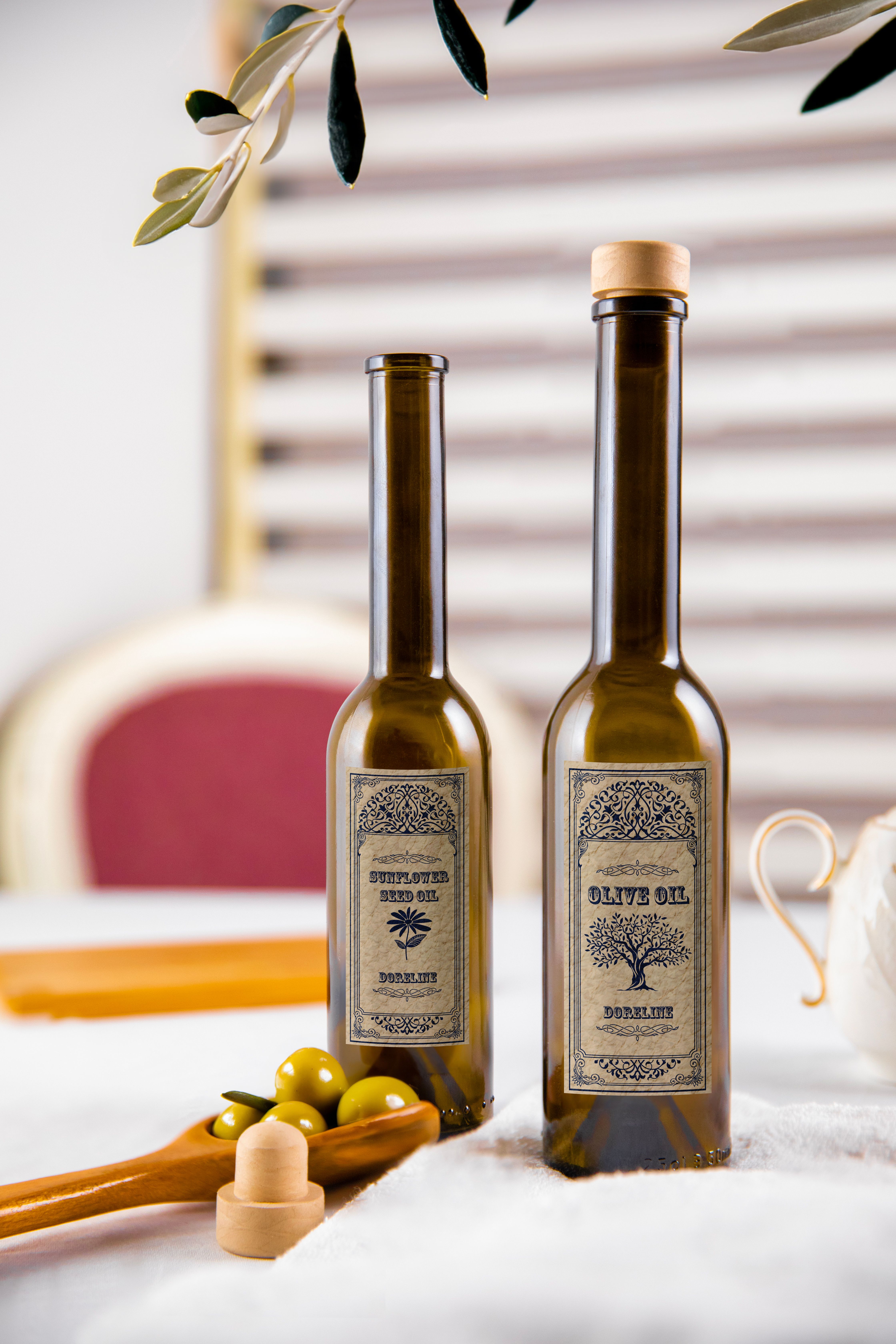
A practical first step is to be cautious with deals that look too good for the label being offered. If a bottle claims premium extra virgin status, single-origin sourcing, and recent harvest quality at an unusually low price, skepticism is reasonable. Fraud is not the only explanation, but pricing can be an early warning sign.
Packaging and freshness clues also help. Dark glass, harvest dates, producer information, and clear origin details can signal better transparency, though they are not guarantees. Buying from retailers with strong turnover and from brands with established quality reputations can lower the odds of getting stale or misrepresented oil.
The larger lesson from Canada's results is simple. Olive oil remains a valuable, nutritious product, but it is also one that demands trust. When compliance rates are this weak, vigilance from regulators, retailers, and consumers becomes part of the product itself.


Leave a Reply