
Cheap groceries are no longer a side choice for many Canadians. They are becoming the main plan for getting through the week.
A record that should not feel this triumphant

Loblaw's private-label brands, especially No Name and President's Choice, recently hit record sales, a milestone the company has highlighted as consumers keep hunting for value. On the surface, that sounds like a smart retail success story. In reality, it points to something more uncomfortable: shoppers are not necessarily buying these products because they want to, but because many feel they have to.
Private-label growth usually rises when households get defensive. When rents climb, mortgage renewals get uglier, and utility bills stay high, grocery carts change quickly. Canadians start dropping branded cereal, snacks, and pantry basics for lower-cost substitutes. That behavior is less about preference and more about financial strain showing up in the most ordinary place possible: the supermarket aisle.
Why discount buying has become a national habit
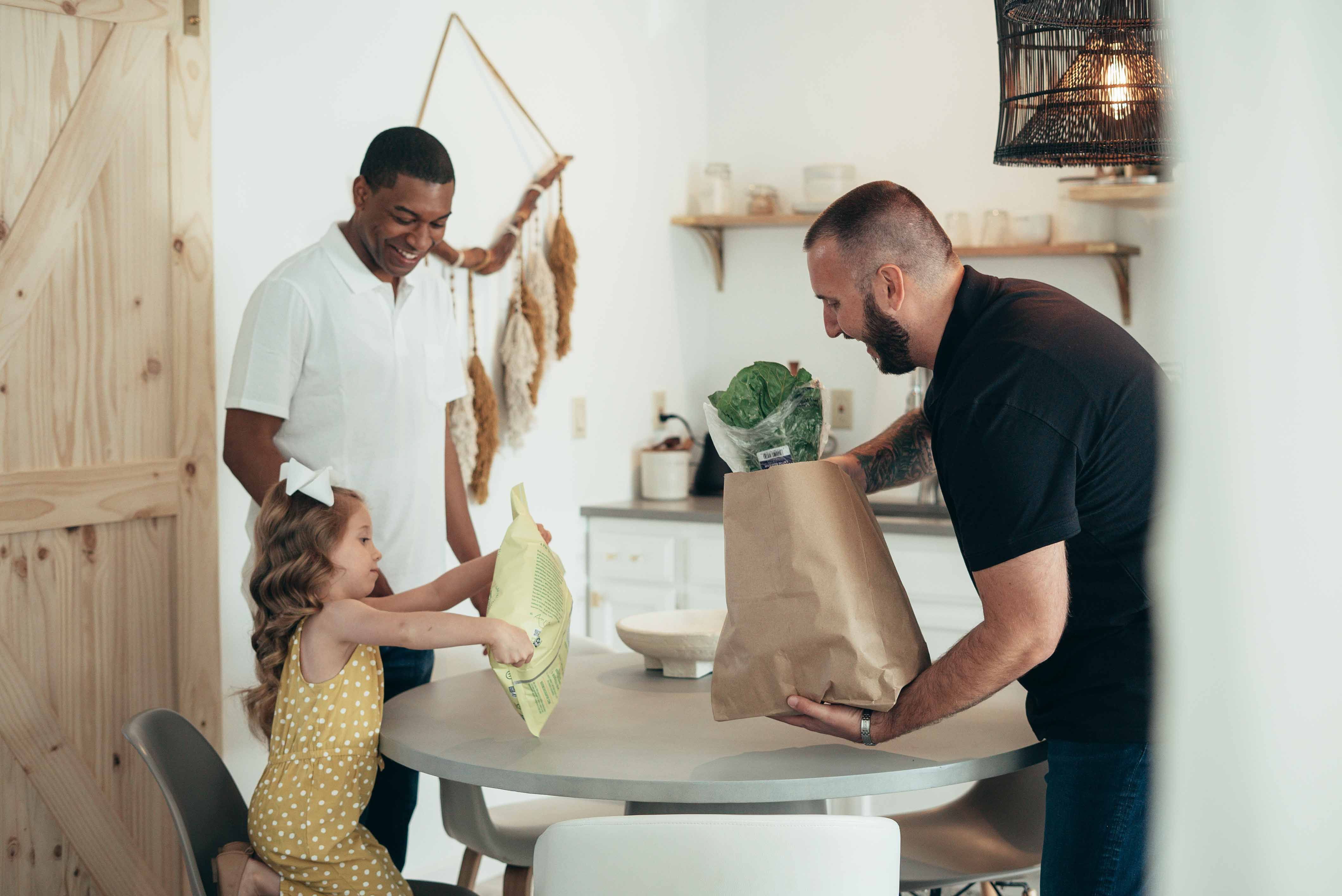
The pressure on household finances did not appear overnight. Food inflation may have cooled from its worst peaks, but prices remain far above where they were a few years ago. Statistics Canada data has repeatedly shown that while inflation rates can slow, that does not mean prices fall back. It simply means they keep rising more slowly, which is not much comfort when the bill at checkout is still painfully high.
Wages have not fully repaired the damage. Many workers saw raises, but not enough to offset years of higher costs in food, housing, transportation, and insurance. That gap matters. When income growth trails living costs, consumers do not just trim luxuries. They start trading down on essentials, and private-label products become one of the easiest adjustments to make without skipping meals altogether.
No Name and PC are thriving for different reasons
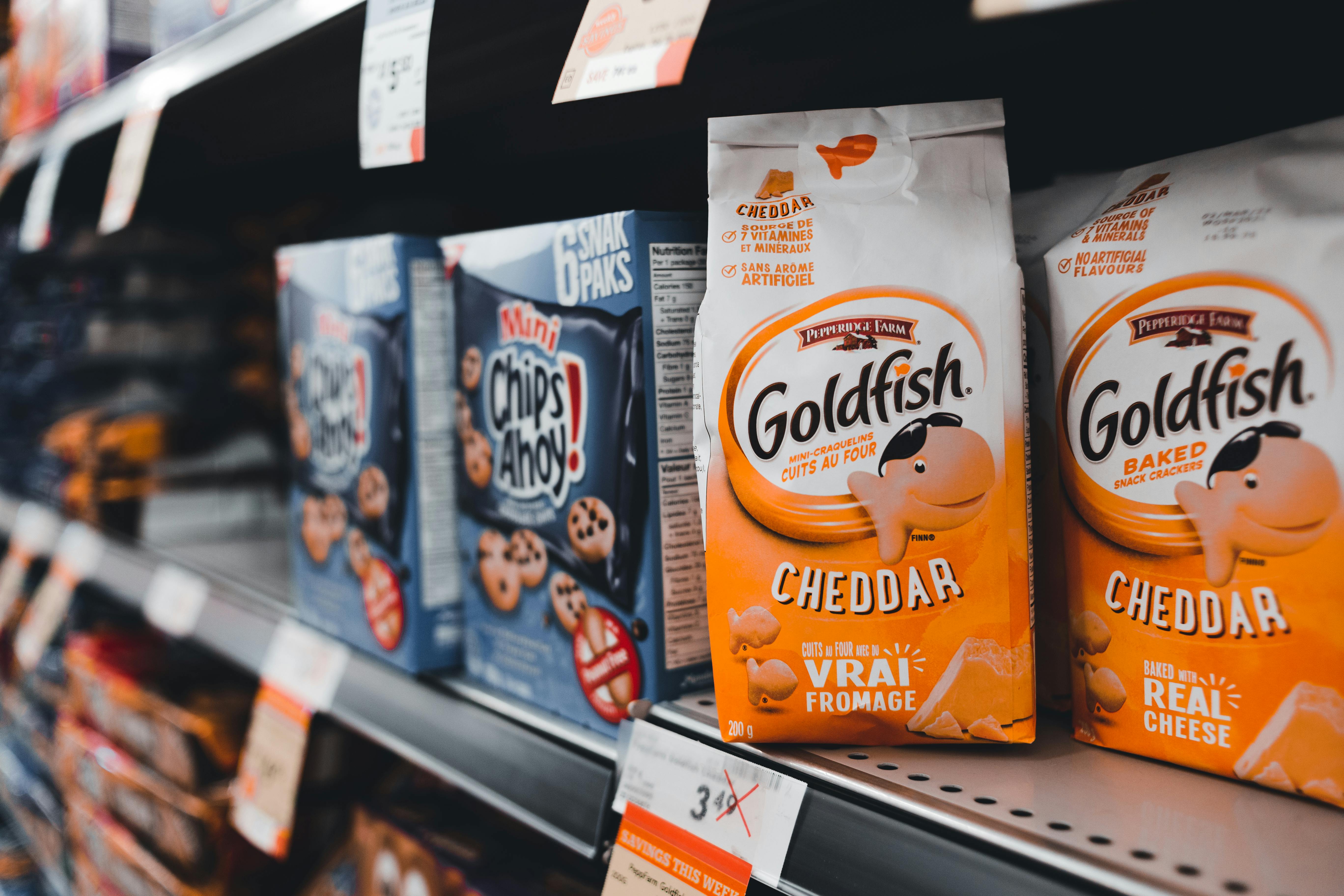
No Name succeeds by being blunt about value. Its yellow packaging has long signaled one thing to shoppers: this is the cheaper option, and it is not pretending otherwise. In an era of stretched budgets, that simplicity works. Consumers comparing pasta, canned vegetables, flour, and frozen foods often decide that branding is not worth the extra dollars, especially when they are making these choices across dozens of items each trip.
President's Choice plays a different game. It often sits between discount generics and premium national brands, offering shoppers the feeling of quality without the highest price tag. That matters in a stressed economy. People still want convenience, flavour, and small comforts, but many now seek them at a lower price point. PC benefits from that middle ground, where consumers are still budgeting carefully without wanting to feel like they are settling on everything.
The bigger signal hiding behind the sales numbers
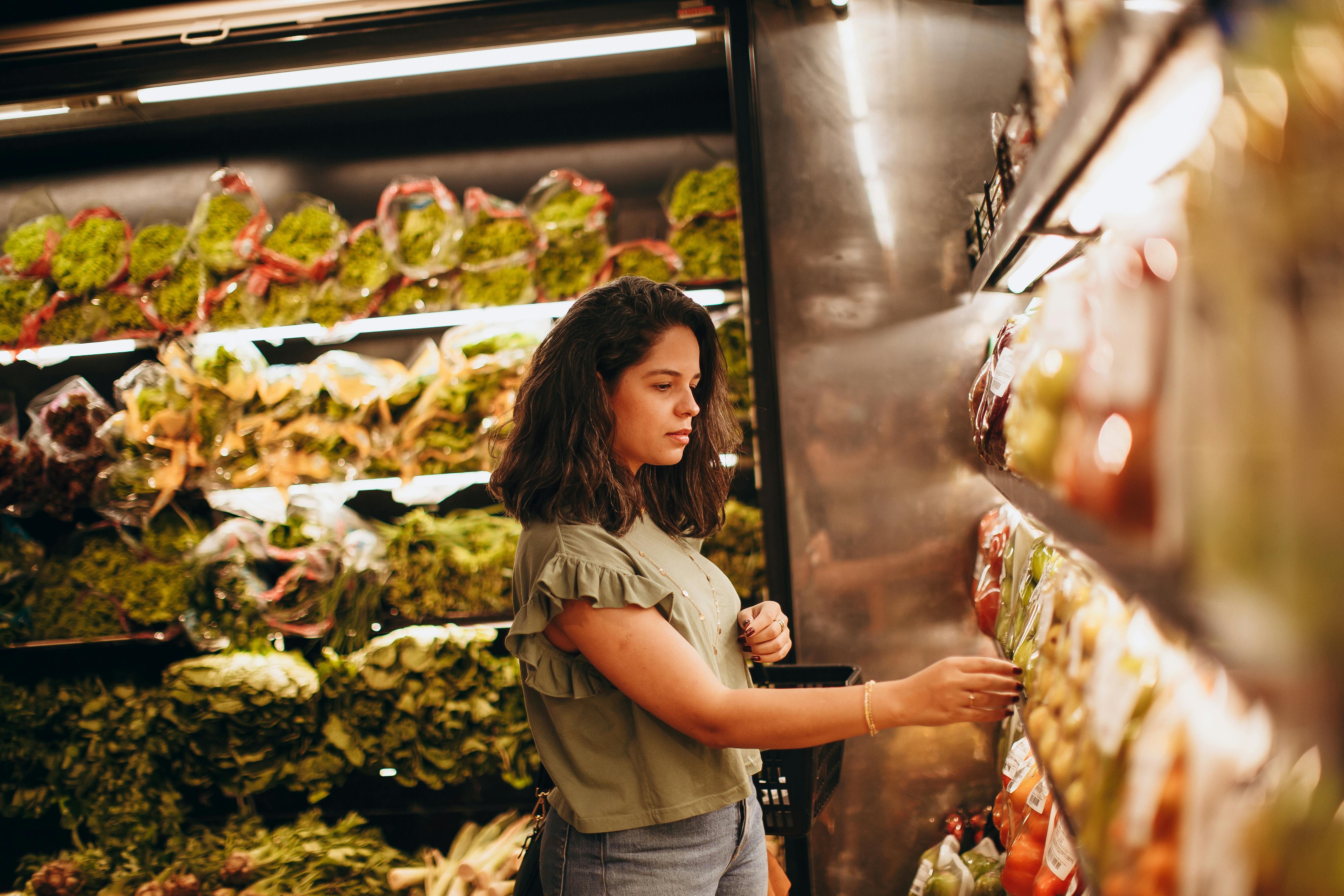
Record private-label sales can be read as a warning about consumer confidence. If more Canadians are migrating toward lower-cost staples, it suggests many households are still operating in survival mode. They may be employed and paying their bills, but they are watching every line item closely. That is not the behavior of a population that feels financially secure.
This pattern also reveals how broad affordability stress has become. It is not limited to the lowest-income households anymore. Middle-income families, newcomers, seniors on fixed incomes, and even higher earners facing large housing payments are changing shopping habits. When a store brand boom becomes one of the clearest retail trends in the country, it says the squeeze is no longer niche. It is mainstream.
Grocers are benefiting from a consumer retreat
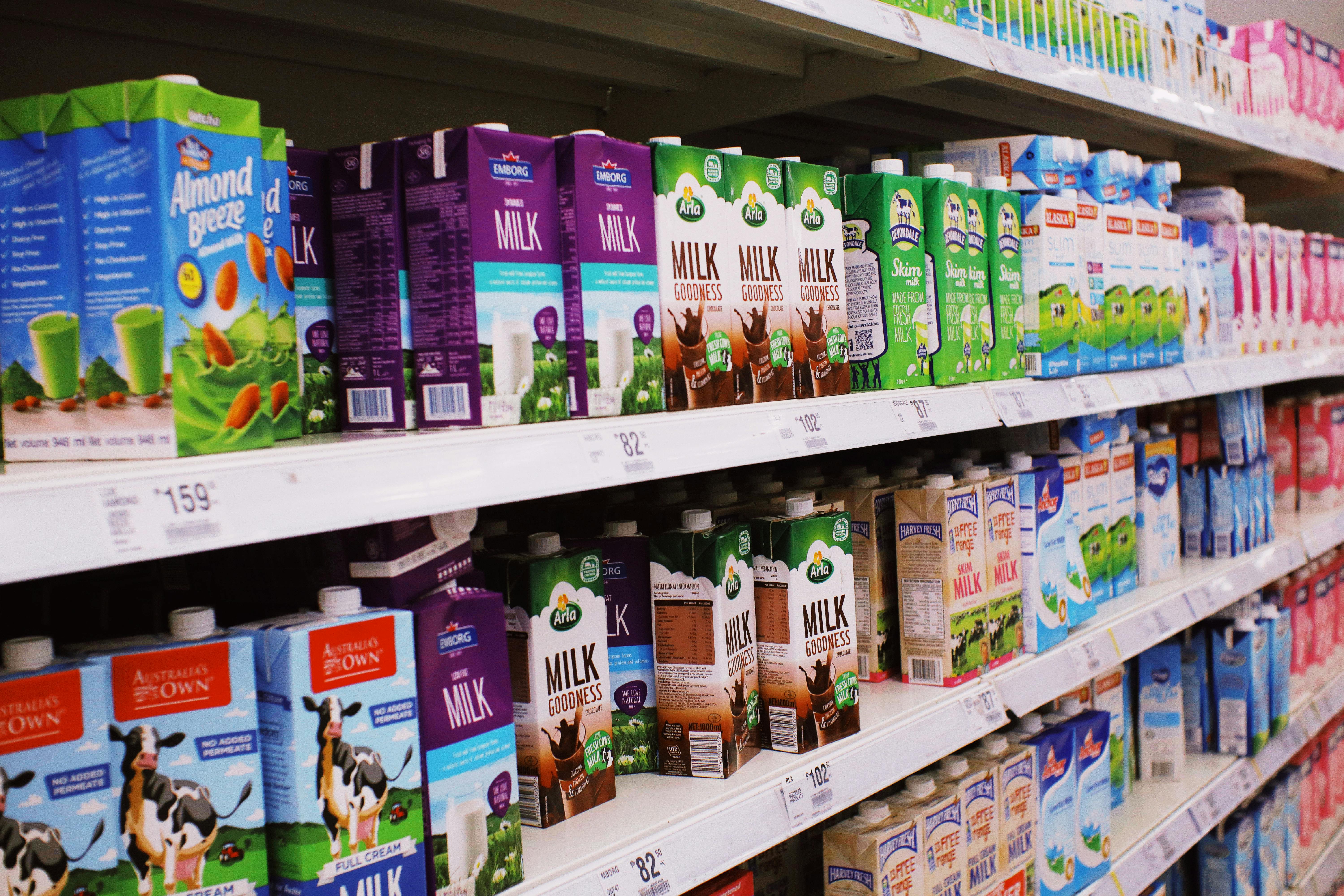
There is an irony here that is hard to ignore. As shoppers pull back and become more price sensitive, grocers with strong in-house brands can actually strengthen their position. Private-label products often give retailers better control over pricing, shelf placement, and margins than national brands. So even when consumers believe they are escaping higher costs, the system can still work well for the companies selling them those alternatives.
That dynamic has fed public frustration, especially in Canada's highly concentrated grocery sector. Loblaw, Metro, and Sobeys have all faced scrutiny over pricing power and competition concerns. The record performance of private-label brands lands in that context. It is not just about smart merchandising. It also reflects a market where consumers have limited room to push back beyond switching within the same store to a cheaper label owned by the same retailer.
What this means for Canadians going forward

The rise of No Name and President's Choice does not mean Canadians have permanently abandoned branded goods. If inflation eases further, borrowing costs fall, and wage growth strengthens, some shoppers will trade back up. But habits formed under pressure can last. Families that learned how much they could save by avoiding premium brands may keep doing it, even after conditions improve somewhat.
Still, the current record should not be mistaken for a feel-good indicator. It is better understood as a household stress barometer. When discount and mid-priced store brands are breaking records in one of the world's wealthier countries, the message is plain. Canadians are adapting with discipline and realism, but they are doing it because far too many wallets remain under serious pressure.



Leave a Reply