
Canadian beef buyers may finally see a little money come back. The catch is that qualifying for a payment may be easier than getting a meaningful one.
What the settlement is really about
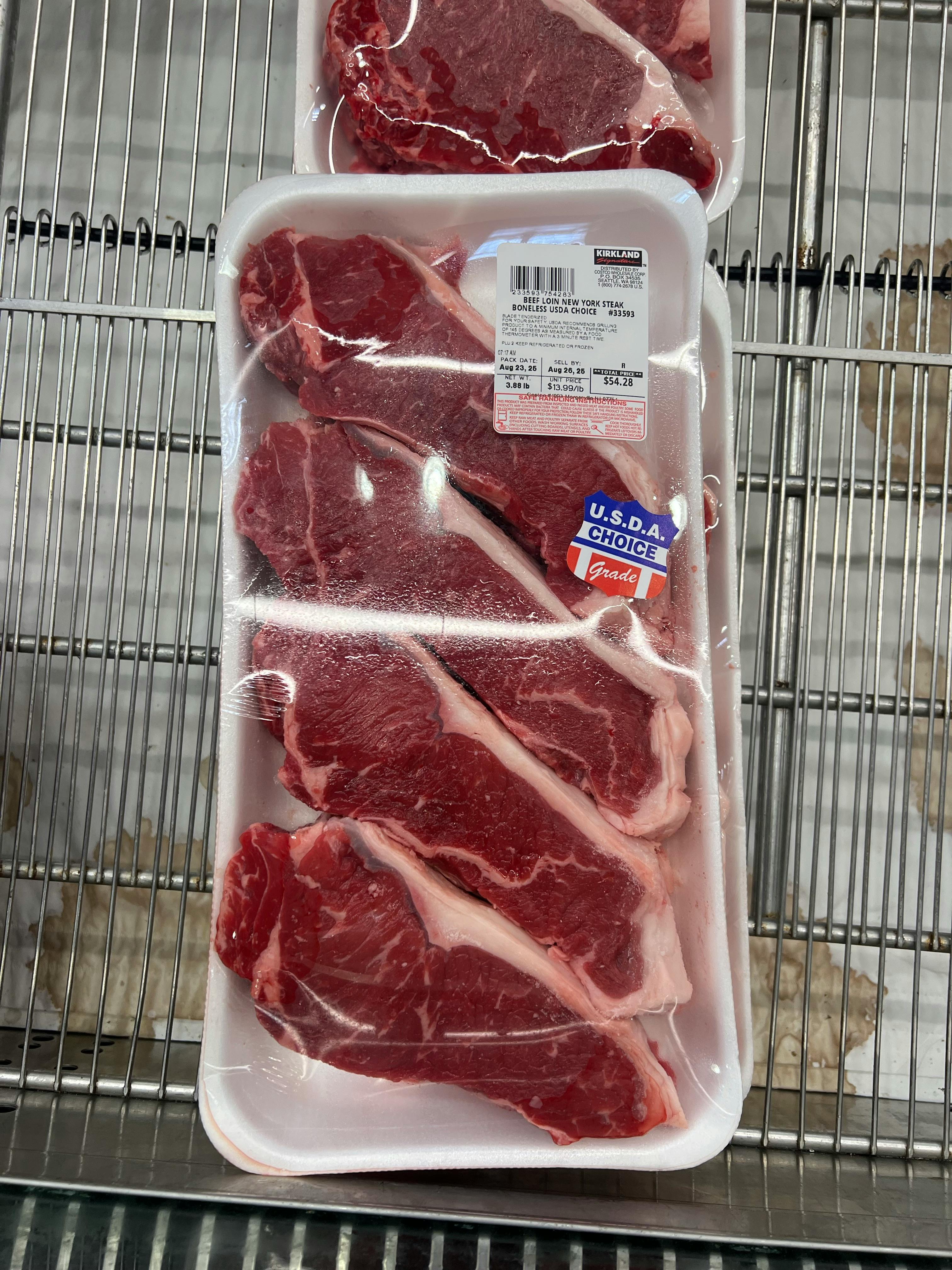
At the center of the case is a proposed Canadian class-action settlement worth nearly $8 million involving allegations tied to packaged beef pricing. The lawsuits claimed certain grocery retailers and meat companies participated in conduct that affected the price Canadians paid for beef products sold in stores.
This kind of case does not mean every company admitted wrongdoing. In class-action settlements, defendants often agree to pay money to avoid the uncertainty, cost, and time involved in extended litigation. That is why a settlement can move forward even when the allegations remain contested.
For shoppers, the practical issue is simple. If the court approves the agreement, eligible Canadians who bought specific beef products during the covered period may be able to file a claim for compensation.
Who may qualify for compensation
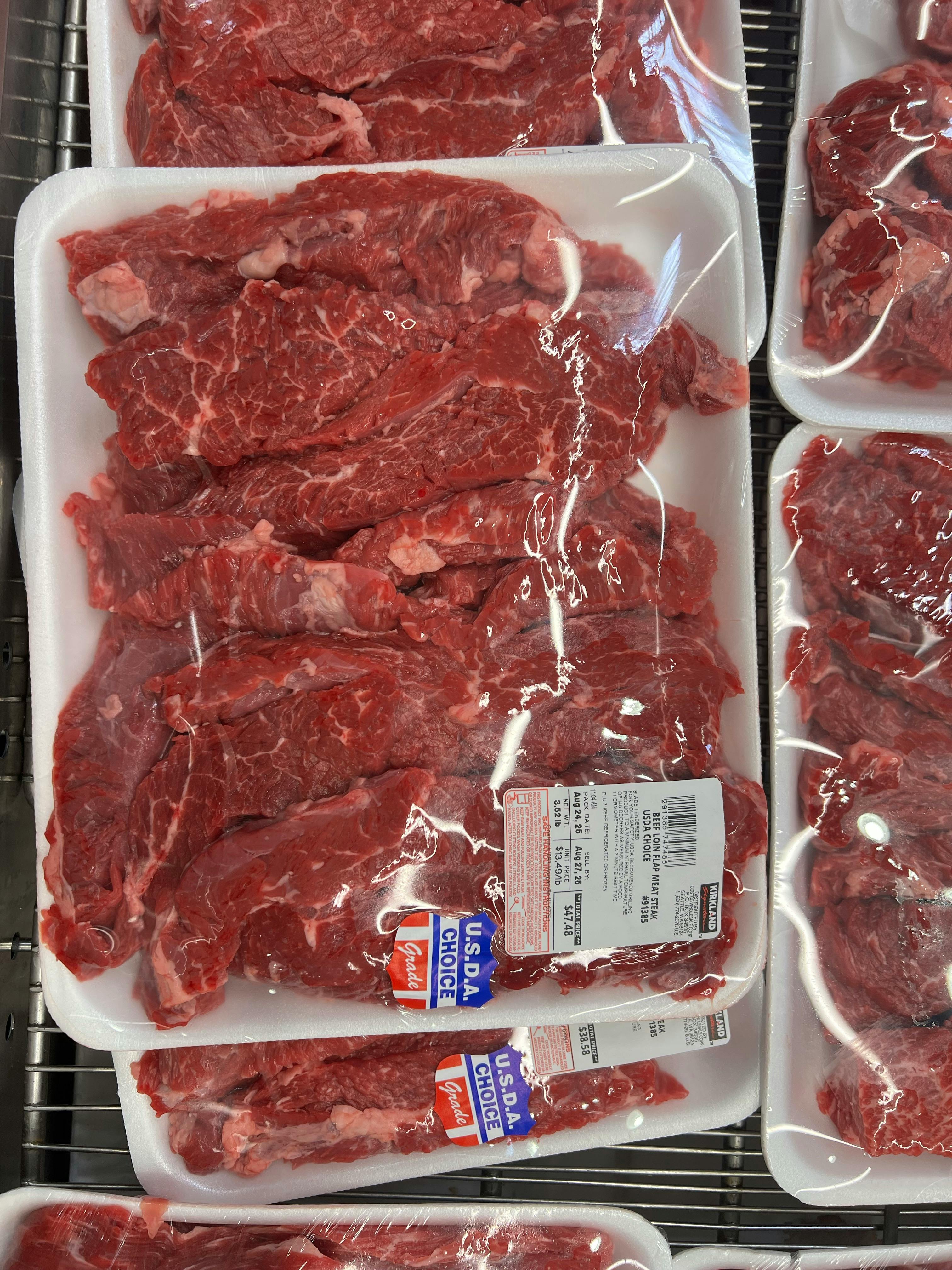
The potential class is broad because beef is a staple purchase in many households. In general, Canadian residents who bought packaged beef products for personal use during the qualifying dates may fall within the settlement group, even if they no longer have receipts.
That no-receipt feature matters. Consumer settlements often allow smaller claims to be made through a simple declaration process because most people do not save grocery records for years. Still, claim forms usually require buyers to confirm that purchases were made honestly and within the covered time frame.
There may also be different treatment for businesses and large-volume purchasers. Individual households often follow one claims track, while commercial buyers may face stricter proof requirements and may need invoices, transaction records, or additional documentation.
Why the payout may be smaller than people expect

Nearly $8 million sounds substantial, but class-action math changes expectations quickly. Once legal fees, administration costs, notice expenses, and any court-approved deductions come out of the fund, the amount left for consumers is reduced before claims are even paid.
Then comes the biggest factor: volume. If a very large number of Canadians submit valid claims, each payment could shrink significantly. That is common in consumer price cases, especially when the products involved were everyday grocery items bought by millions of people.
In many settlements like this, courts or administrators create tiers. Claimants with receipts may qualify for more, while those without proof may receive a capped flat amount. So yes, shoppers may get paid, but likely not enough to resemble a refund for years of beef purchases.
The importance of court approval and deadlines

No consumer should assume a payout is automatic. Proposed settlements in Canada typically require court approval to make sure the agreement is fair, reasonable, and in the best interests of the class as a whole.
That review can affect timelines, wording of notices, and even claim rules. A judge may approve the deal as presented, ask for modifications, or reject parts of it if the process or compensation structure appears inadequate.
Deadlines will matter just as much as eligibility. Consumers usually must submit claims by a specific date, and late filings are often denied even when the person clearly qualifies. That is why settlement notices should be read carefully from start to finish.
Why food price cases draw so much public attention

Few legal disputes hit consumers as directly as grocery pricing cases. Canadians have spent years coping with high food costs, and beef has been one of the categories where many households noticed price pressure most sharply.
That broader economic backdrop helps explain the strong public interest. When shoppers hear that a meat-pricing case may lead to compensation, they are not just responding to the dollar figure. They are reacting to long-running frustration over how expensive routine grocery trips have become.
Cases like this also raise a larger question about market transparency. Even modest settlements can send a message that pricing practices in essential consumer goods will face scrutiny from courts, regulators, and the public.
What shoppers should do next

The smartest move is patience paired with attention. Consumers who think they may qualify should watch for official settlement notices that explain the covered products, purchase period, exclusions, and the exact steps needed to file a claim.
It is also wise to gather any supporting records now, even if receipts are not required. Loyalty account histories, old emails, bank statements, and grocery app records can help confirm purchasing patterns if questions arise during the claims process.
Most important, keep expectations realistic. This settlement could provide a welcome payment and a measure of accountability, but it is unlikely to feel like a windfall. For most Canadians, the real value may be less the cheque itself and more the principle behind it.




Leave a Reply