
Tipping used to feel optional. For many Canadians, it now feels unavoidable.
Why public opinion has turned so sharply
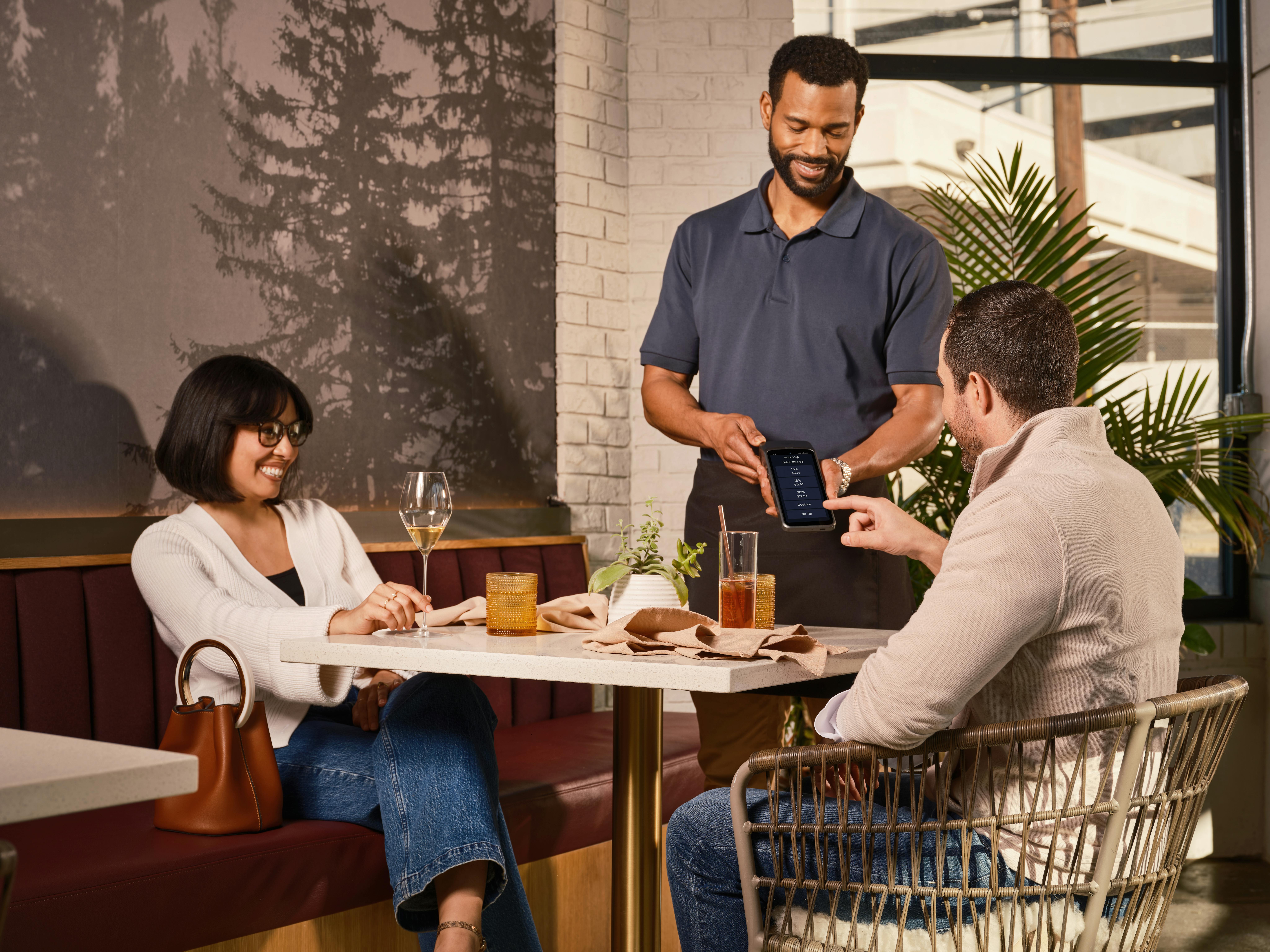
What changed is not just the size of the tip, but the feeling around it. Canadians are increasingly encountering tip prompts at coffee counters, takeout terminals, self-checkouts, and fast-casual chains. What was once tied to full table service now appears almost everywhere, and that has created real fatigue.
Polling over the past two years has shown a clear hardening of attitudes. Surveys by Angus Reid and other Canadian researchers have found many people believe tipping expectations have gone too far, especially as preset payment screens commonly begin at 18%, 20%, or even 25%. For households already squeezed by inflation, that extra cost feels less like gratitude and more like pressure.
There is also a fairness issue shaping opinion. Customers often do not know who receives the tip, how tips are pooled, or whether kitchen staff benefit at all. That uncertainty has made many diners question a system that asks them to subsidize compensation without transparency.
The pandemic changed expectations, then exposed the model
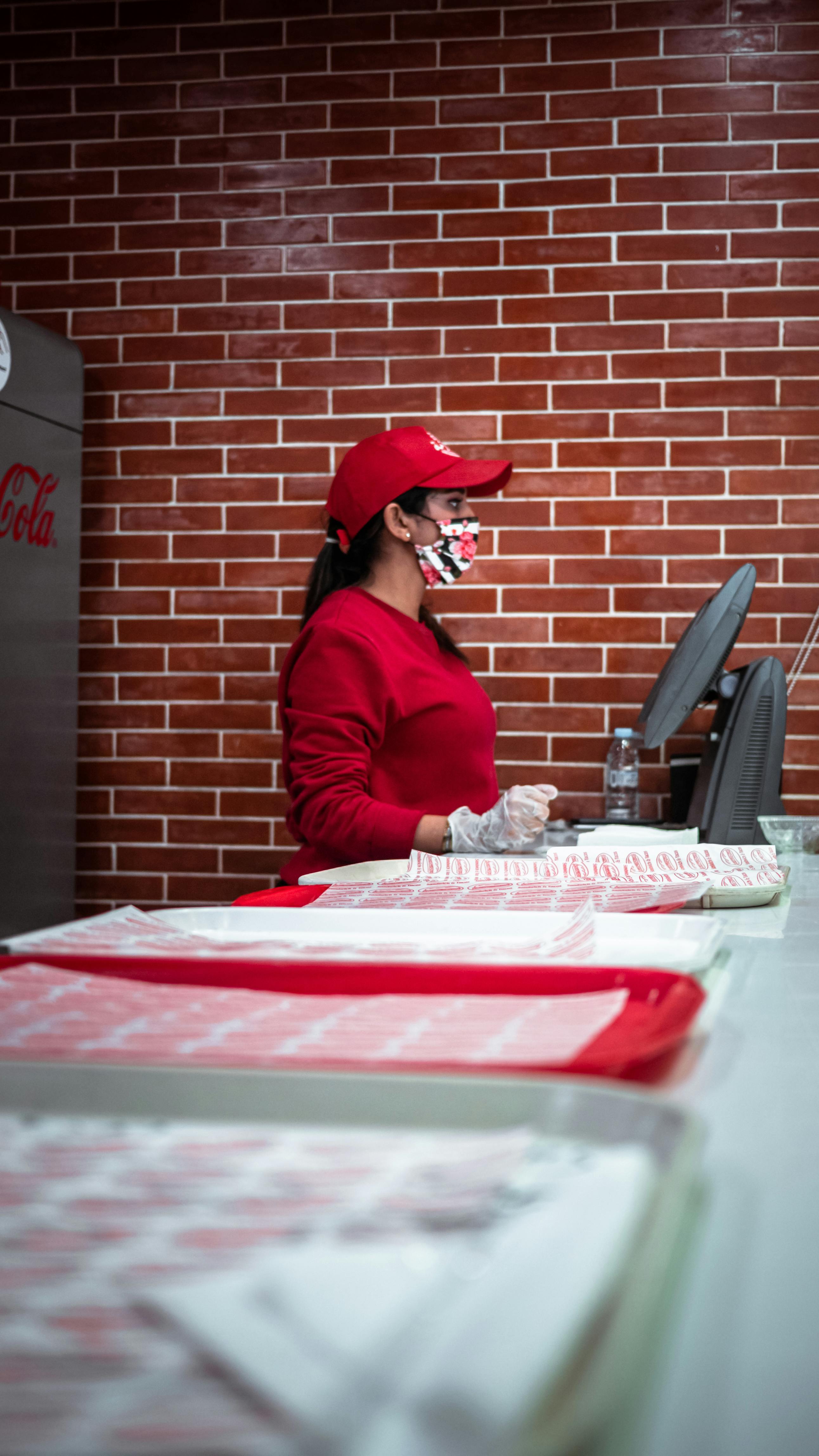
At the height of the pandemic, many Canadians tipped more generously out of solidarity. Restaurant workers faced health risks, unstable hours, and deep financial uncertainty. In that moment, tipping functioned as a visible way for customers to support people they saw as essential to daily life.
But the emergency phase ended, while the expanded tip culture remained. Digital payment systems normalized larger suggested percentages, and many businesses kept those settings even as dining rooms reopened and service patterns stabilized. Customers who once tipped freely during a crisis began to feel those prompts had turned into a permanent social obligation.
That shift matters because tipping works best when people view it as voluntary. Once it starts to feel built into every transaction, resentment replaces goodwill. Economists and labour advocates have long argued that a compensation model dependent on customer mood is inherently unstable, and many Canadians now appear to agree.
Why restaurants are nervous about abolishing tips

Restaurant owners are not panicking because they love the current system. Many know it creates awkward customer interactions and inconsistent staff earnings. The anxiety comes from what replaces it, because any serious move away from tipping likely means raising wages and menu prices at a time when margins are already thin.
Food costs, rent, utilities, insurance, and labour have all climbed sharply across Canada. Industry groups such as Restaurants Canada have repeatedly warned that many operators are still managing debt built up during the pandemic era. Even modest payroll changes can be difficult for independent restaurants that do not have the pricing power of national chains.
There is also a competitive risk. If one restaurant eliminates tips and raises prices while a rival keeps lower menu prices and tip prompts, customers may wrongly assume the non-tipping restaurant is simply more expensive. That perception problem makes owners cautious, even when they privately admit the current model is wearing out.
Workers are divided, and that complicates reform

The debate is not simply customers versus businesses. Many servers in busy urban restaurants can earn well above base wages through tips, especially on weekends and in high-end dining rooms. For those workers, abolishing tipping can sound less like reform and more like a pay cut.
At the same time, not all hospitality workers benefit equally. Back-of-house staff, including cooks and dishwashers, often receive smaller shares or none at all unless a workplace has formal tip pooling. That imbalance has fueled criticism that tipping rewards visibility rather than the full labour required to deliver a meal.
Labour experts often point out that tip-dependent income can be unpredictable and vulnerable to bias. Research in North America has found tips can be influenced by age, gender, race, and appearance as much as service quality. A wage model built more directly into payroll may be less lucrative for some workers, but more stable and equitable overall.
What replacing tipping could realistically look like

Abolishing tipping does not necessarily mean one national solution. Some restaurants could adopt service-inclusive pricing, where menu prices rise and staff are paid higher hourly wages. Others might add a transparent hospitality charge that is clearly explained and shared across front- and back-of-house teams.
There are international examples often cited in this debate. Much of Europe and parts of Asia operate with weaker tipping expectations because service is already reflected in pricing and wages. Canada is not identical to those markets, but the comparison shows restaurants can function without making customers calculate compensation at the payment terminal.
The key will be clarity. Diners are more likely to accept higher listed prices if they know exactly what they are paying for and believe workers are actually receiving fair compensation. Confusion is what customers increasingly reject, not necessarily the idea of paying more for a sustainable restaurant model.
The likely outcome is slower change, not sudden abolition
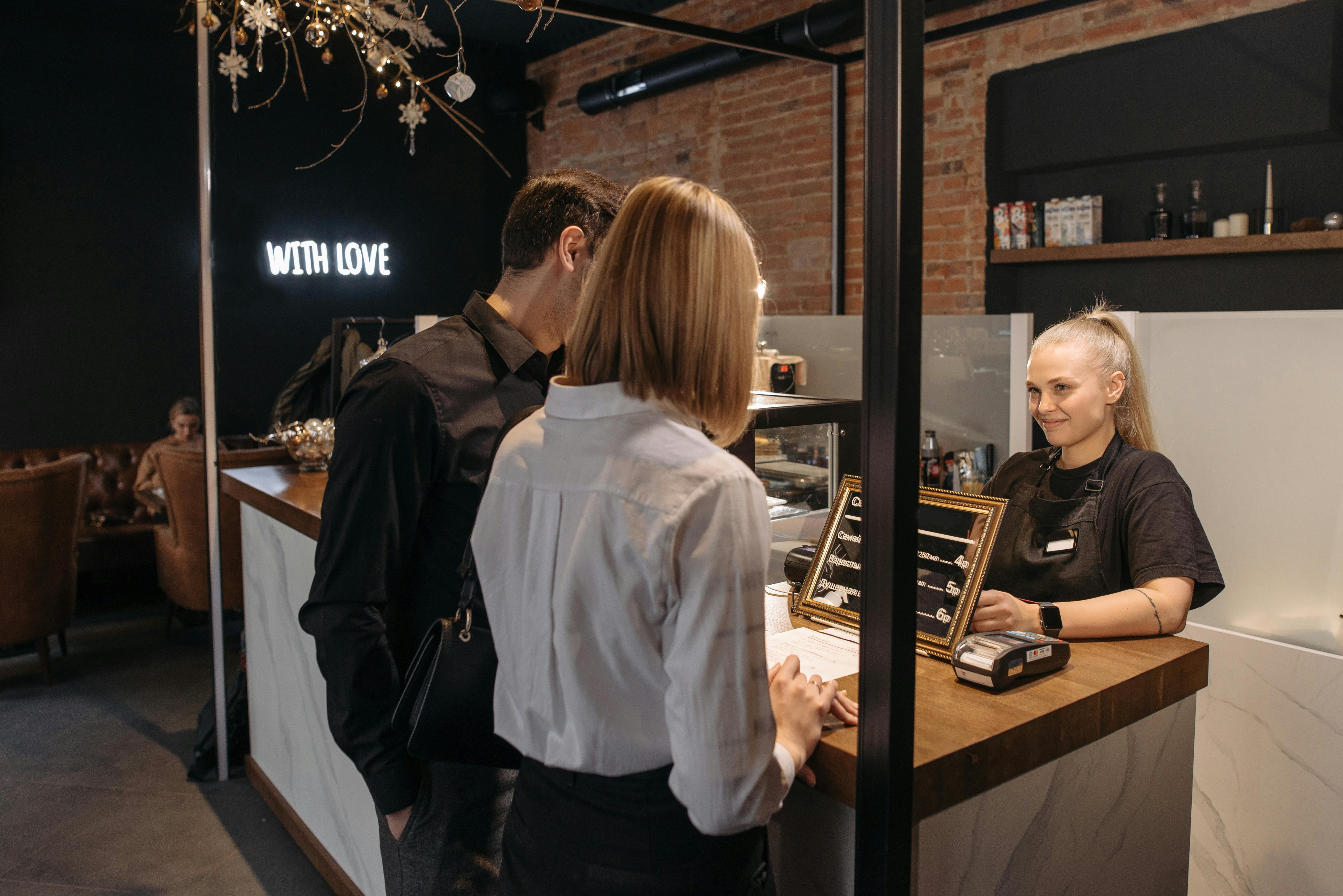
Despite the public mood, tipping culture in Canada is unlikely to vanish overnight. Habits this entrenched rarely disappear in one political or cultural swing. What is more likely is a gradual split, with some restaurants leaning into no-tip models while others keep the status quo and hope customer frustration cools.
Policy could influence that shift. Several provinces have already moved away from lower liquor server wages, narrowing one traditional argument for tipping as income replacement. If wage floors continue to rise and consumers keep resisting aggressive tip prompts, businesses may feel stronger pressure to redesign compensation more openly.
The larger message from Canadians is now difficult to ignore. People are not just complaining about tip screens. They are questioning why a basic meal still relies on a payment culture that feels inconsistent, opaque, and emotionally coercive. Restaurants understand that signal, which is exactly why they are nervous.




Leave a Reply