
Ontario's grocery landscape is shifting again. Metro is moving quickly to put more discount banners where shoppers are looking hardest for relief.
Why Metro Is Making The Switch
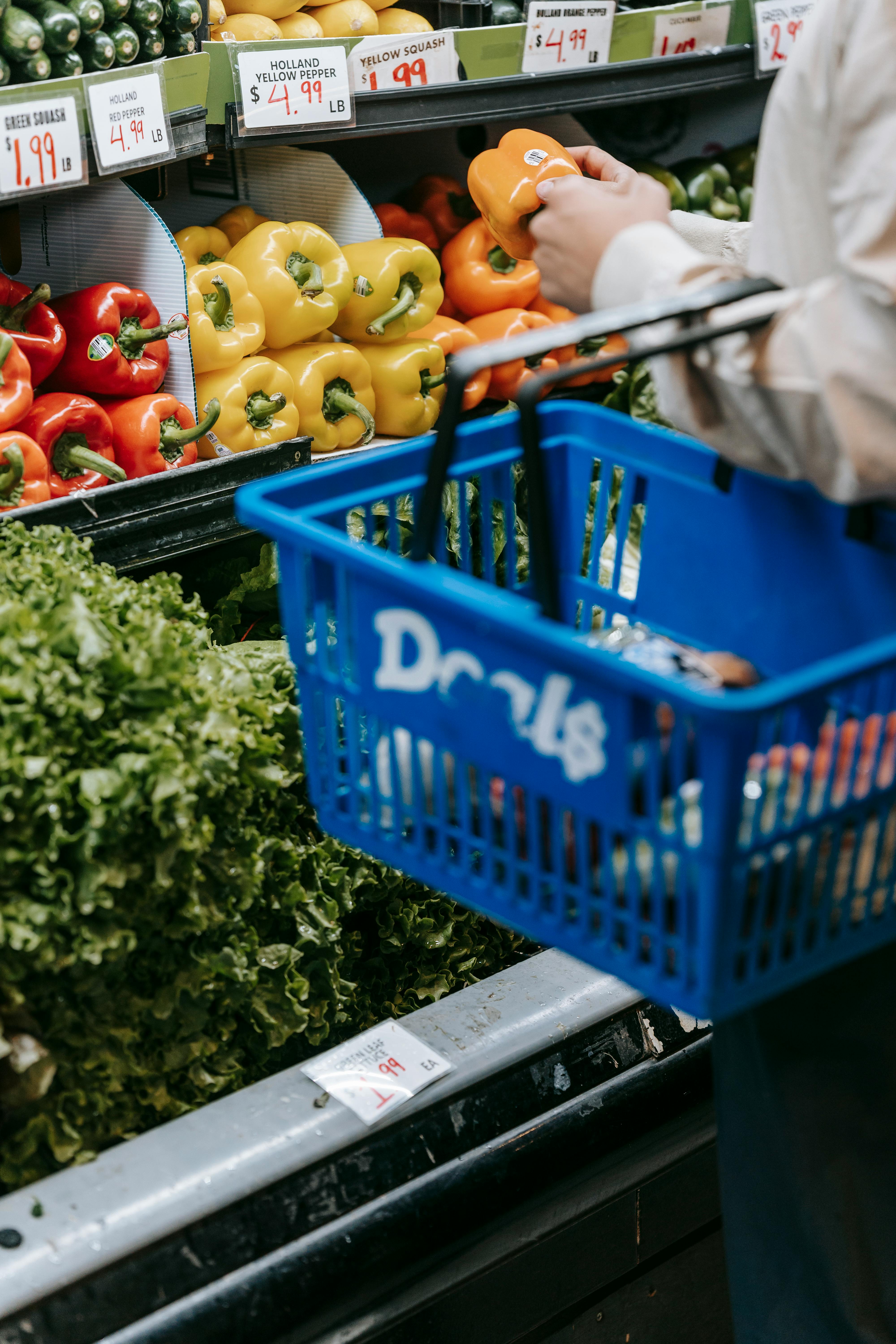
This conversion push is rooted in one clear reality: discount grocery is outperforming traditional formats in a high-cost environment. As food inflation has squeezed households across Ontario, more shoppers have changed habits, bought fewer premium items, and compared prices more aggressively across major chains.
Metro has been explicit in recent quarters that its discount banners are producing stronger traffic and sharper consumer interest. Food Basics, in particular, gives the company a format built for value-focused shoppers, with tighter assortments, strong private-label penetration, and simpler store operations that support lower everyday pricing.
The strategy also mirrors what rivals have done. Loblaw has continued leaning on No Frills, while Sobeys benefits from FreshCo in the discount segment. For Metro, expanding Food Basics is not just a branding exercise. It is a direct response to where grocery demand is proving most resilient.
What The 10 Store Conversions Actually Mean
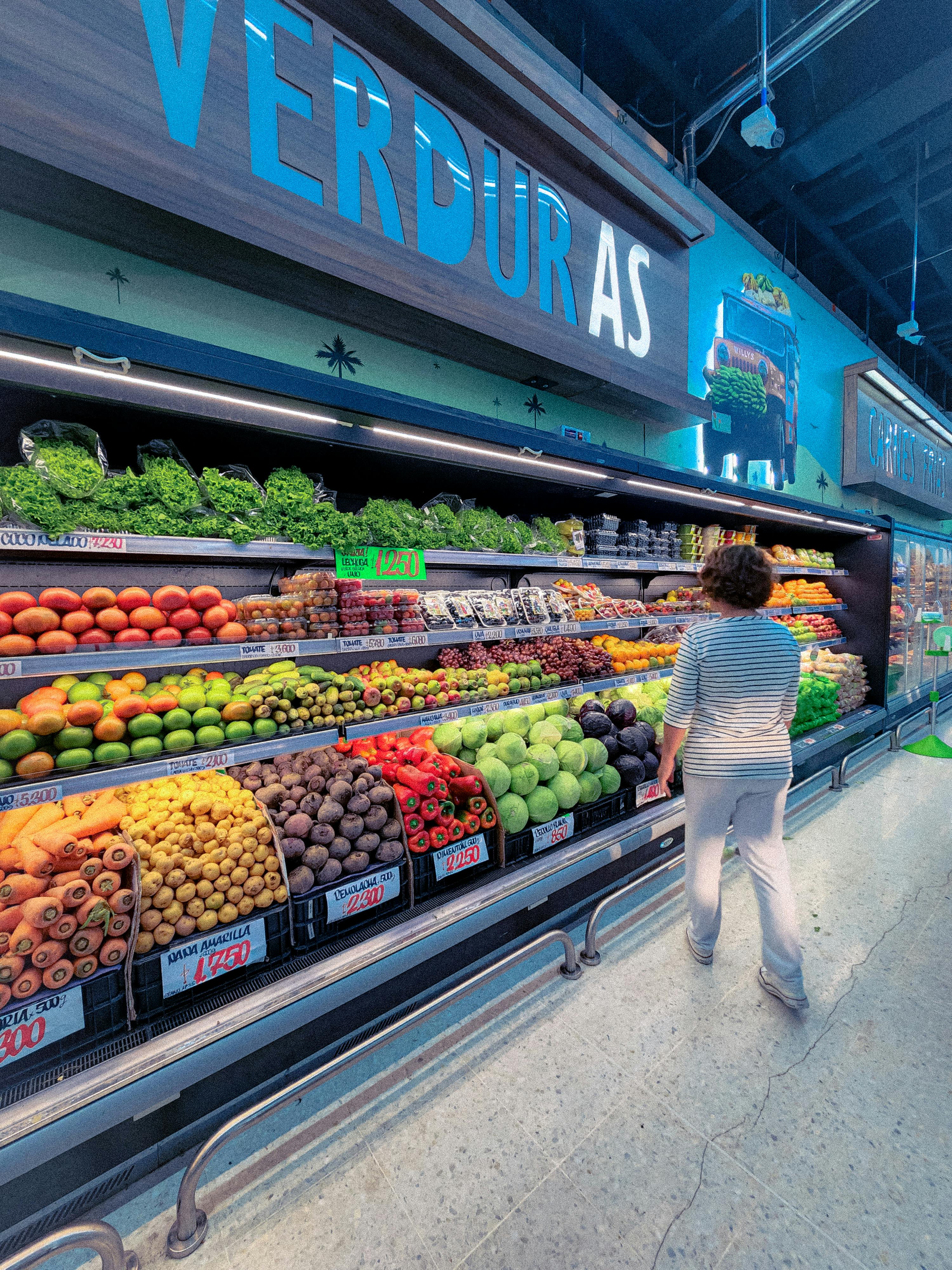
Converting a supermarket into Food Basics usually involves more than changing exterior signage. The process often includes resetting store layouts, reducing service-heavy departments, adjusting shelf space toward faster-moving essentials, and reworking product mixes to emphasize lower-priced national brands and private-label lines.
That means shoppers may see fewer upscale touches and a stronger focus on staple goods, frozen items, produce, pantry basics, and weekly promotional features. A Food Basics store is generally designed for efficiency first, which can reduce overhead and help Metro compete on price in neighbourhoods where value is the biggest draw.
For employees and local customers, these transitions can feel significant because the shopping experience changes. Still, the locations themselves remain important assets. Rather than abandoning stores, Metro is repositioning them to match current spending patterns and preserve market share in communities that may no longer support a conventional full-service format as strongly as before.
Why Ontario Is The Key Battleground

Ontario is Metro's most important market, and it is also one of Canada's most competitive grocery arenas. Population growth, urban expansion, and sustained pressure on household budgets have made the province a prime testing ground for discount expansion, especially in suburban and working-family communities.
In many Ontario neighbourhoods, grocery spending has become more strategic. Consumers are splitting trips between stores, hunting flyer deals, and shifting toward private labels. That behaviour benefits chains with a strong discount identity, and Food Basics has long held recognition as one of the better-known value banners in the province.
The decision to convert 10 stores at once signals urgency. Metro is not making a symbolic adjustment. It is accelerating a format that aligns with present demand, likely in areas where customer data, local competition, and store performance all point to stronger long-term returns under the Food Basics banner.
What Shoppers Are Likely To Notice First
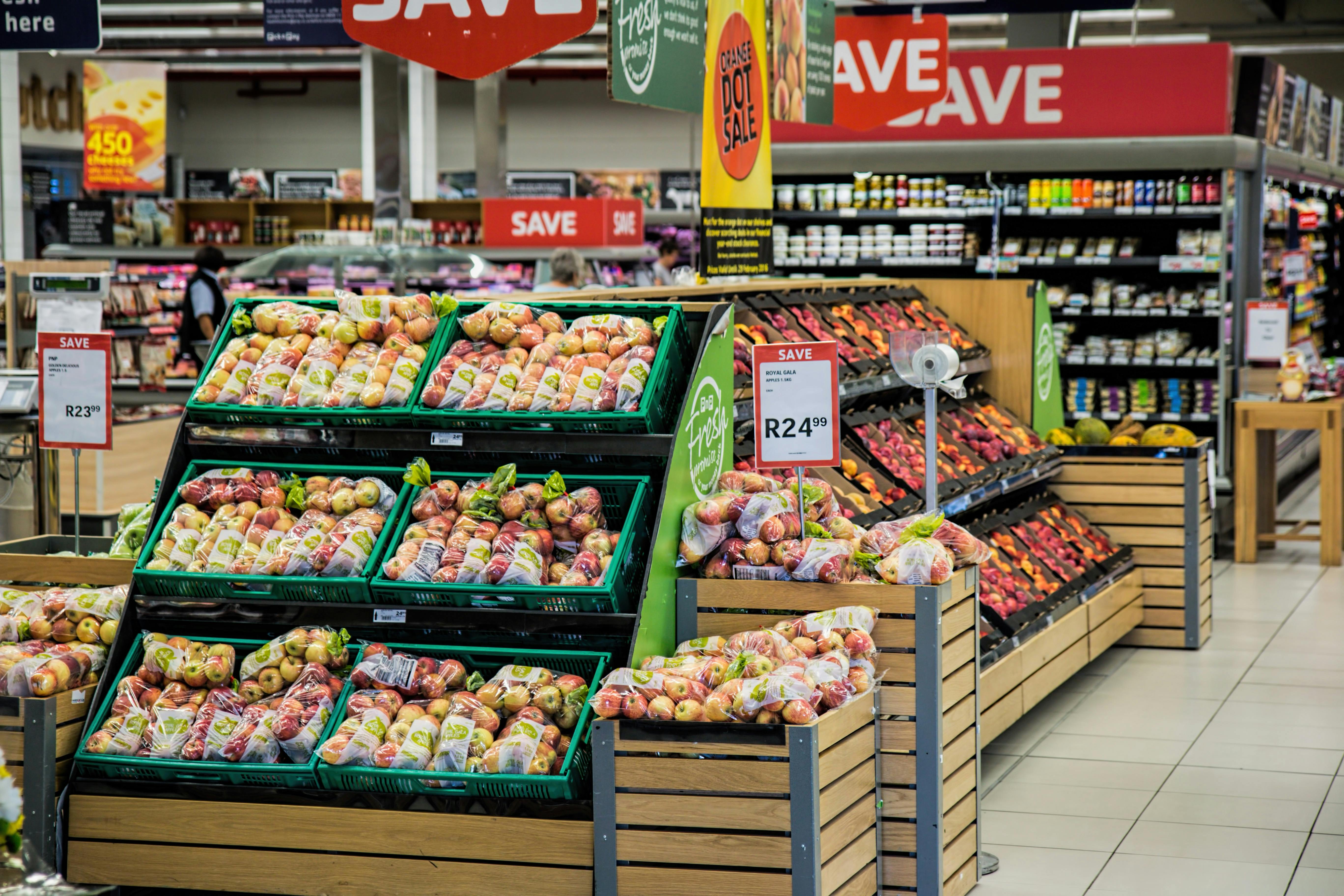
Price messaging will probably be the most visible difference. Food Basics stores tend to communicate value aggressively through in-store signage, flyer features, multi-buy offers, and a simplified merchandising style that keeps attention on affordability rather than presentation.
Shoppers may also notice a changed assortment strategy. Discount stores typically carry fewer duplicate items within the same category, giving more space to core sellers. That can mean less choice in some premium or niche products, but it often improves stock focus on essentials that most households buy repeatedly.
Fresh departments may still matter, but they are usually tuned for volume and turnover rather than breadth. In practice, that can produce a store experience that feels faster, more functional, and more tightly built around weekly budget shopping, which is exactly what many consumers want right now.
What This Says About The Grocery Business

Metro's move highlights a broader truth about Canadian food retail: the middle is under pressure. When inflation persists and confidence weakens, many shoppers gravitate either toward discount formats for savings or, less commonly, toward specialty shopping for specific quality-driven purchases. Traditional mid-market supermarkets can get squeezed from both directions.
That helps explain why major grocers keep investing in banner segmentation. A company like Metro can serve different customer types through distinct formats, but it also needs each banner to reflect real demand. Expanding Food Basics suggests the company sees discount grocery not as a temporary shelter, but as a durable growth engine.
It also reinforces how intensely grocers are using store networks strategically. Conversions are often faster and less risky than building brand-new locations. If an existing site has good traffic patterns and a strong trade area, changing the banner can be a practical way to improve performance without starting from scratch.
What Happens Next For Metro And Consumers

The immediate question is whether these 10 conversions are an isolated project or the start of a larger rollout. If Food Basics continues gaining traction and converted stores show stronger sales productivity, Metro could reasonably pursue additional banner changes in Ontario and possibly refine the model further.
For consumers, the likely near-term effect is simple: more access to discount grocery options in places where a traditional Metro-style store may have felt too expensive for current budgets. That does not solve broader food affordability issues, but it does expand price-driven choice in a province where many families are watching every grocery bill closely.
For the industry, this is a revealing signal. Metro is placing a clear bet that value will remain the dominant force in everyday food shopping, and the company is reshaping its real estate around that expectation rather than waiting for consumer habits to swing back.




Leave a Reply