
If your grocery bill keeps climbing, the meat aisle could be the biggest reason. Experts say meat is expected to see the steepest price increase of any major grocery category this year, and several factors are driving the surge.
Meat Is Expected to Lead Grocery Inflation This Year
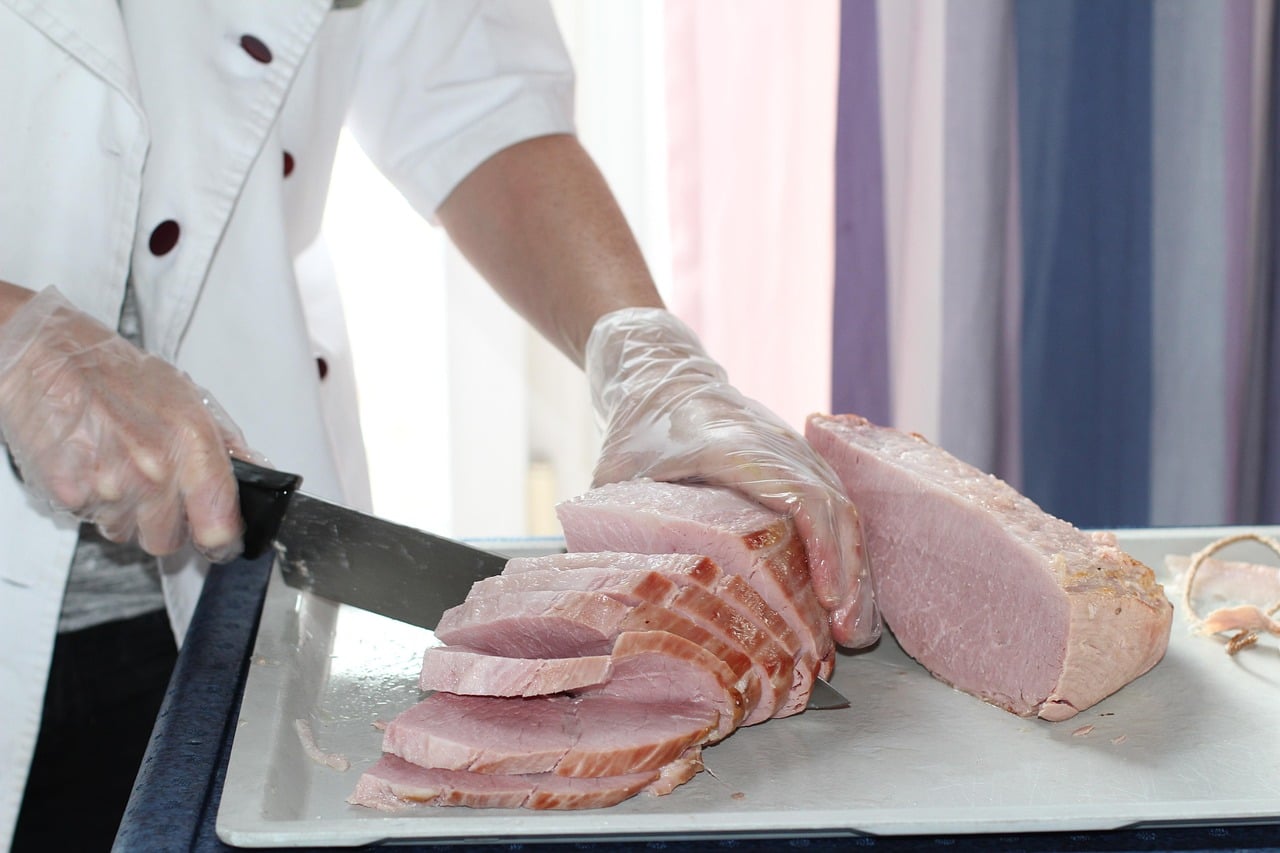
If there's one grocery aisle Canadians may notice the most this year, it's the meat section. According to Canada's Food Price Report 2026, meat prices are forecast to rise by 5% to 7%, making it the grocery category with the largest expected increase in 2026. Overall food prices are projected to climb between 4% and 6%, but meat is expected to outpace every other major category.
The forecast reflects mounting pressure across the meat supply chain rather than a single event. Beef, pork, and poultry producers continue to face higher production costs, tighter supplies in some markets, and ongoing uncertainty in global trade and transportation.
For shoppers, that means meat is likely to take a bigger share of the weekly grocery budget. Families that regularly buy beef, chicken, or pork may notice higher prices even if the rest of their grocery cart changes only modestly.
Beef Is Driving Much of the Increase
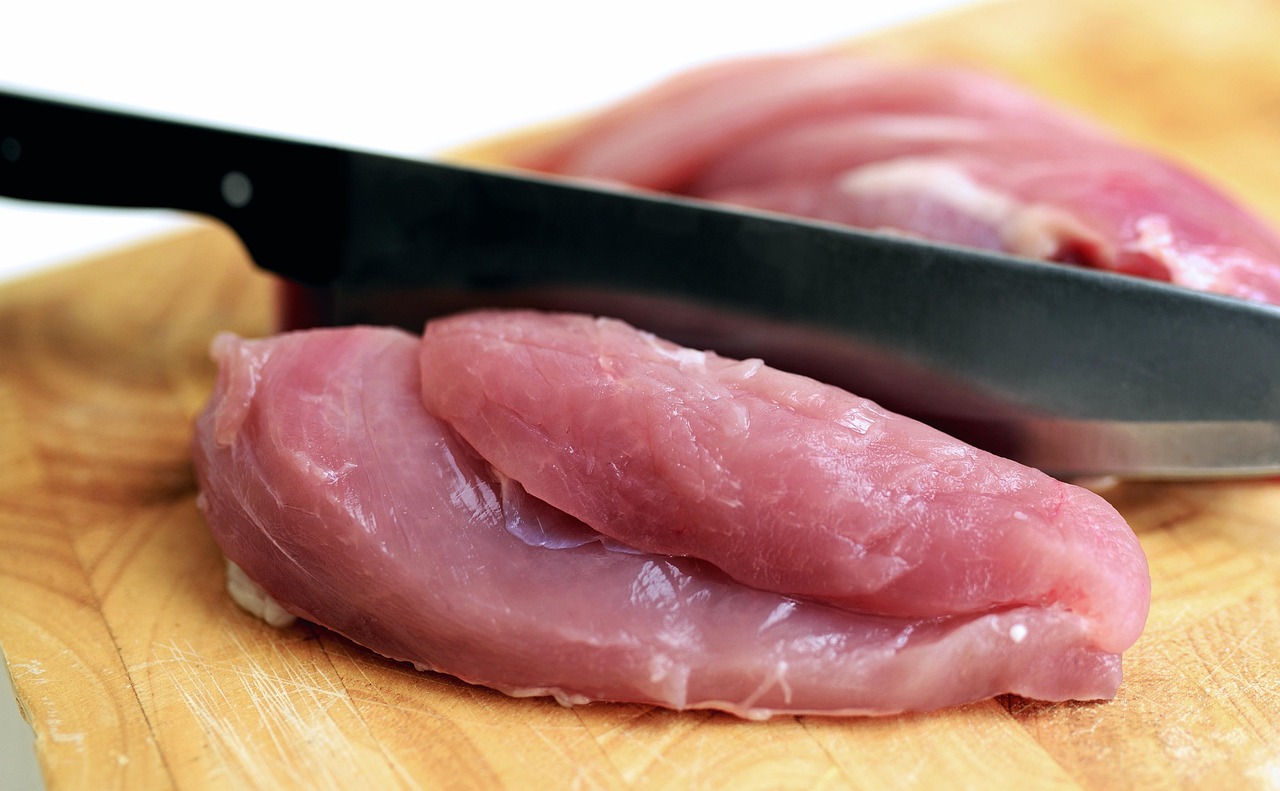
One of the biggest reasons behind the forecast is the continued rise in beef prices. North America is experiencing historically tight cattle supplies after several years of drought, higher feed costs, and producers reducing herd sizes. Rebuilding cattle herds takes years, meaning supplies cannot increase quickly even if demand remains strong.
At the same time, ranchers continue to pay more for feed, veterinary care, fuel, labour, and transportation. These higher production expenses eventually move through processors, wholesalers, retailers, and finally to grocery stores.
Because cattle production takes much longer than raising poultry, beef prices are especially sensitive to supply shortages. Even small reductions in available cattle can lead to noticeable price increases for consumers.
Higher Costs Follow Meat Every Step of the Way
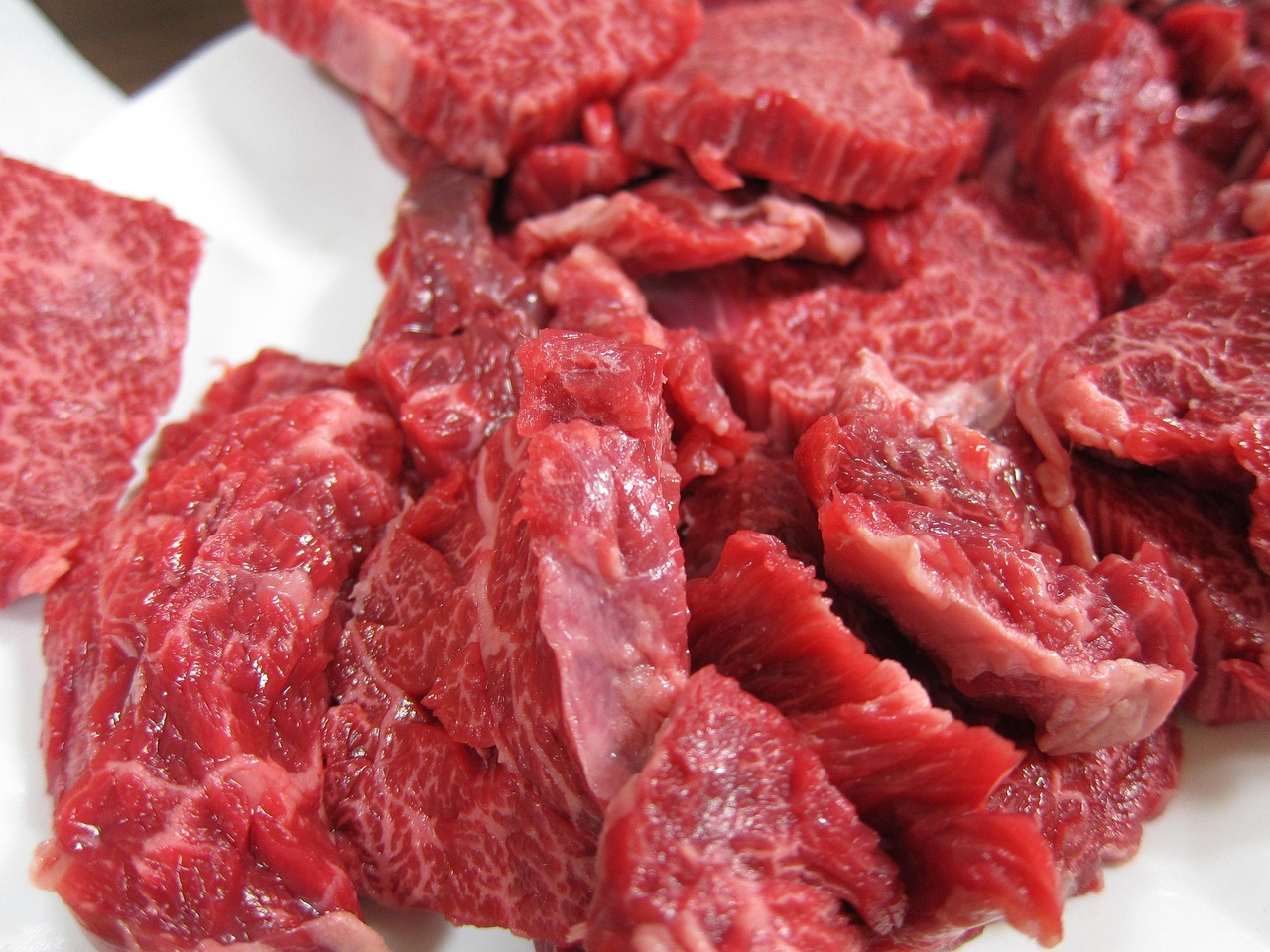
Producing meat involves far more than raising animals. Feed crops must be grown, livestock transported, processing facilities operated, refrigerated trucks maintained, and products delivered safely to retailers across the country.
Each stage has become more expensive over the past few years. Labour shortages, higher wages, rising electricity costs, fuel prices, packaging expenses, and equipment maintenance all contribute to higher production costs before meat even reaches supermarket shelves.
Unlike some packaged foods, meat also requires continuous refrigeration during storage and transportation. Keeping products safely chilled adds another layer of expense, especially as energy prices remain elevated.
Global Markets Also Influence Canadian Prices
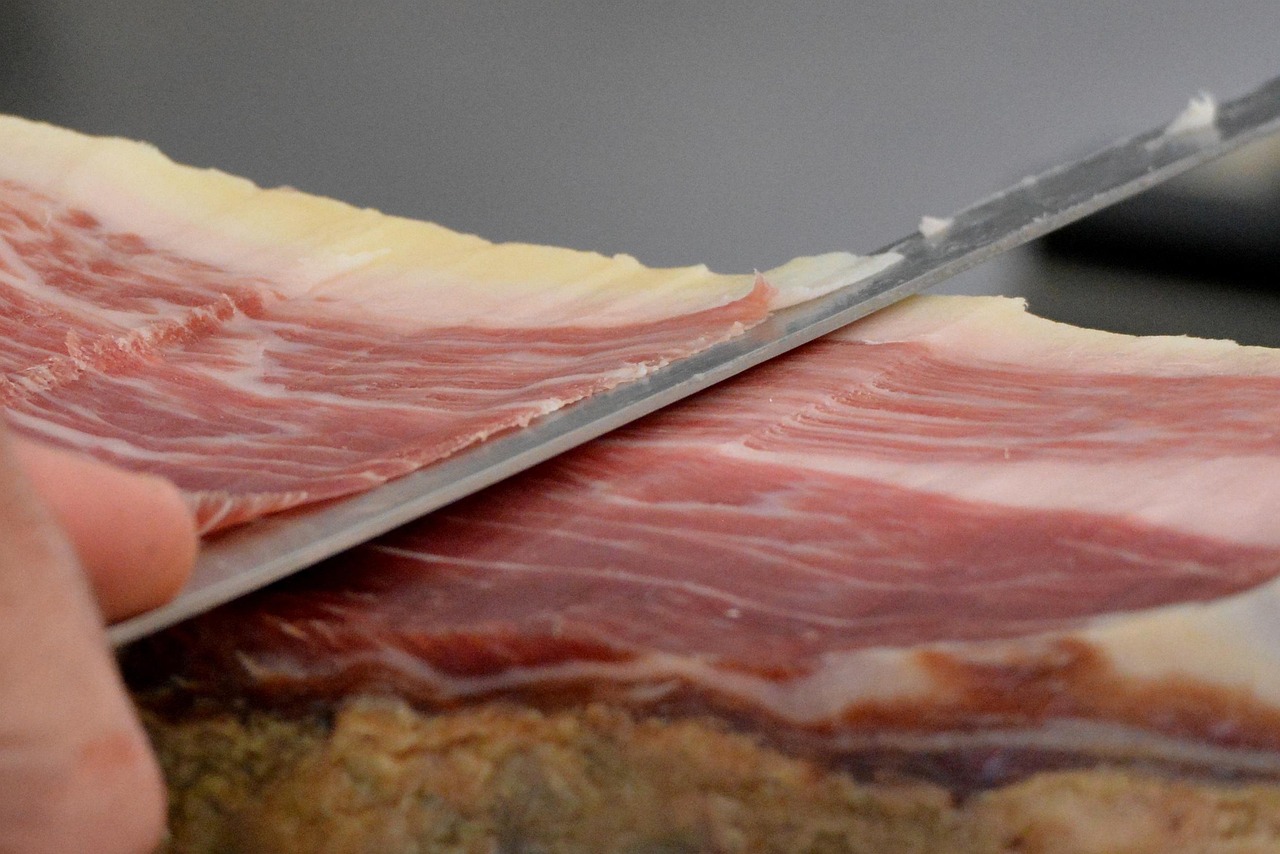
Canada produces a large amount of meat, but domestic prices are still connected to international markets. Trade, exports, imports, exchange rates, and global demand all influence what Canadians ultimately pay at the grocery store.
When international demand for Canadian beef remains strong, producers can often sell into export markets, reducing the amount available domestically. At the same time, disruptions affecting cattle production in the United States or other major suppliers can tighten North American supplies.
Weather also plays an important role. Droughts can reduce pasture quality and increase feed costs, making livestock production more expensive. These conditions often affect prices long before consumers notice changes in grocery stores.
Shoppers May Change What Goes Into Their Carts
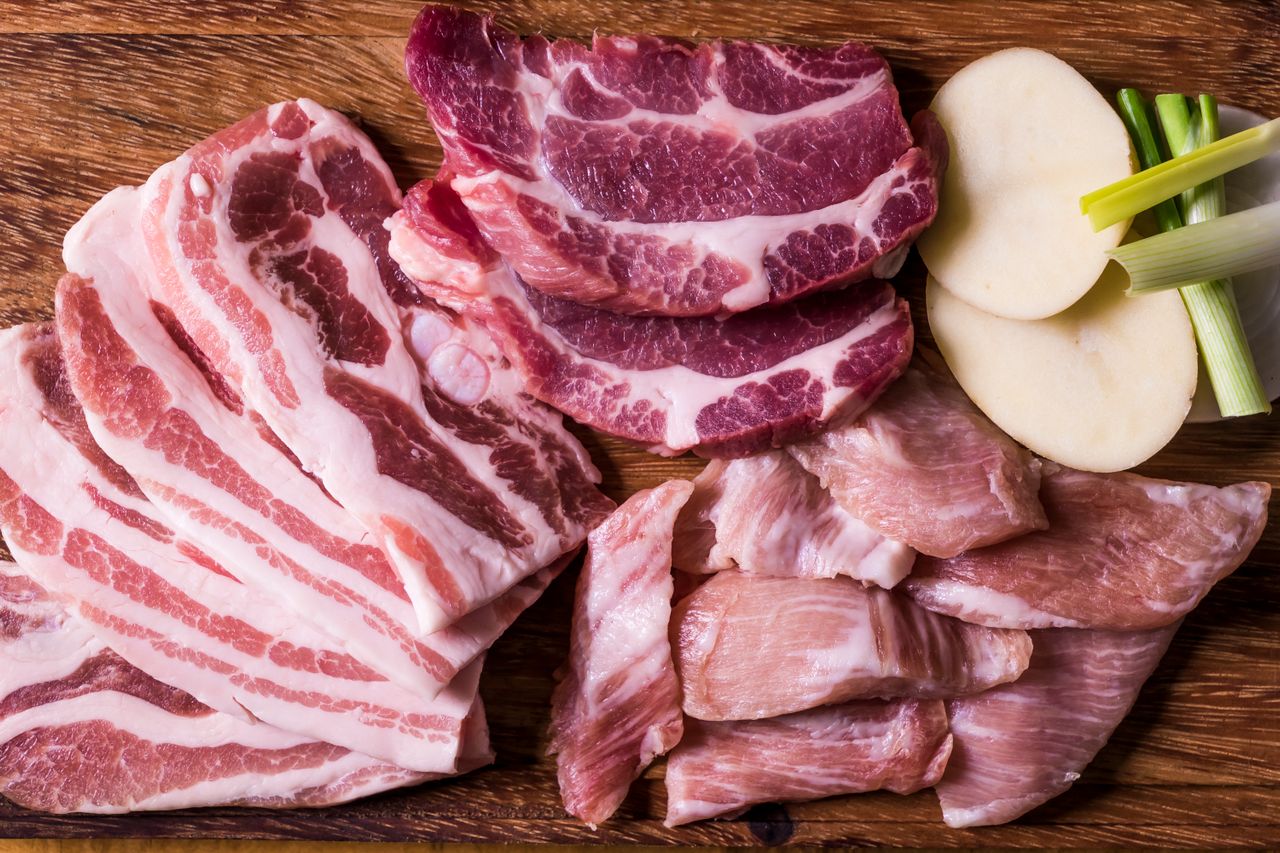
As meat prices continue rising, many households are expected to adjust their shopping habits. Some families may purchase smaller portions, look for weekly promotions, or switch from beef to more affordable proteins such as chicken, pork, eggs, beans, or lentils.
Retailers often respond by expanding discounts, loyalty rewards, family packs, and private-label options to help customers manage higher food costs. Frozen meat and bulk purchases may also become more attractive for shoppers trying to stretch their grocery budgets.
These changes do not necessarily mean Canadians are giving up meat altogether. Instead, many consumers are becoming more strategic about when they buy it and which products offer the best value.
Meat Prices Reflect a Bigger Food Story
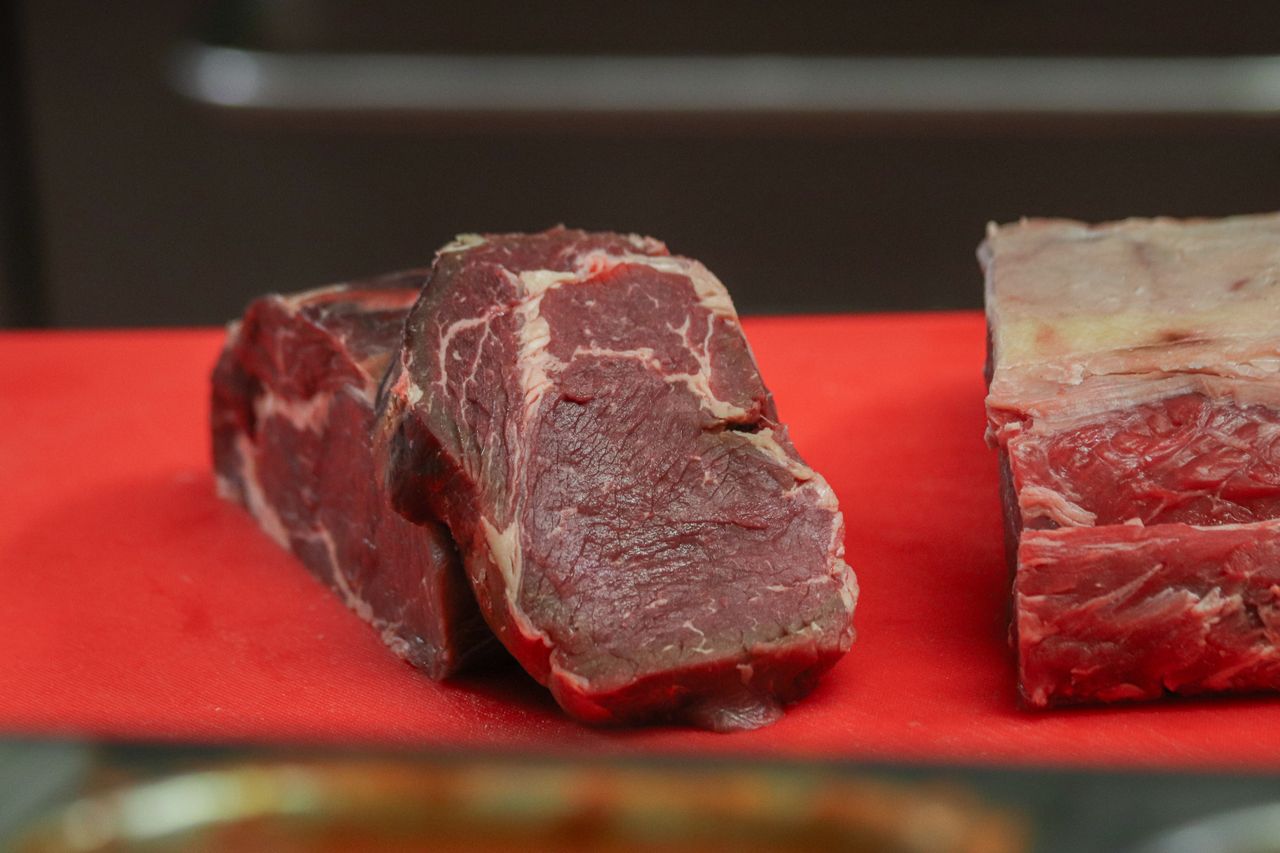
The expected increase in meat prices highlights how interconnected today's food system has become. Weather, transportation, labour markets, international trade, fuel prices, and agricultural production all combine to influence what appears on grocery shelves.
Experts behind Canada's Food Price Report emphasize that meat is only one part of a broader trend. While meat is expected to experience the largest increase, other grocery categories are also forecast to become more expensive, contributing to another challenging year for household food budgets.
For Canadians, the message is straightforward. Meat is expected to remain one of the fastest-rising grocery expenses in 2026, making careful meal planning, shopping sales, and comparing prices more important than ever.




Leave a Reply