
A burger run is not usually the first step toward a holiday. But McDonald's Canada is betting that the road to a vacation can start at the drive-thru.
Why this partnership is getting so much attention

At first glance, the pairing looks unusual, but it makes sharp business sense. McDonald's Canada reaches millions of customers through frequent, low-cost purchases, while Expedia operates in a category built around bigger, less frequent spending. Put together, the companies are trying to connect daily habits with long-term rewards in a way that feels immediately understandable.
This kind of crossover also reflects a wider loyalty trend. Brands increasingly want to stay relevant beyond their core product, and travel remains one of the most emotionally powerful rewards a company can offer. A free coffee matters in the moment, but the idea of earning toward a flight or hotel stay has far greater aspirational pull.
For consumers, the appeal is obvious. If a purchase they were already planning to make can help unlock travel savings, the offer feels less like marketing and more like added value. That is especially important at a time when many households are watching discretionary spending closely but still want memorable experiences.
How the McDonald's Canada and Expedia offer likely works
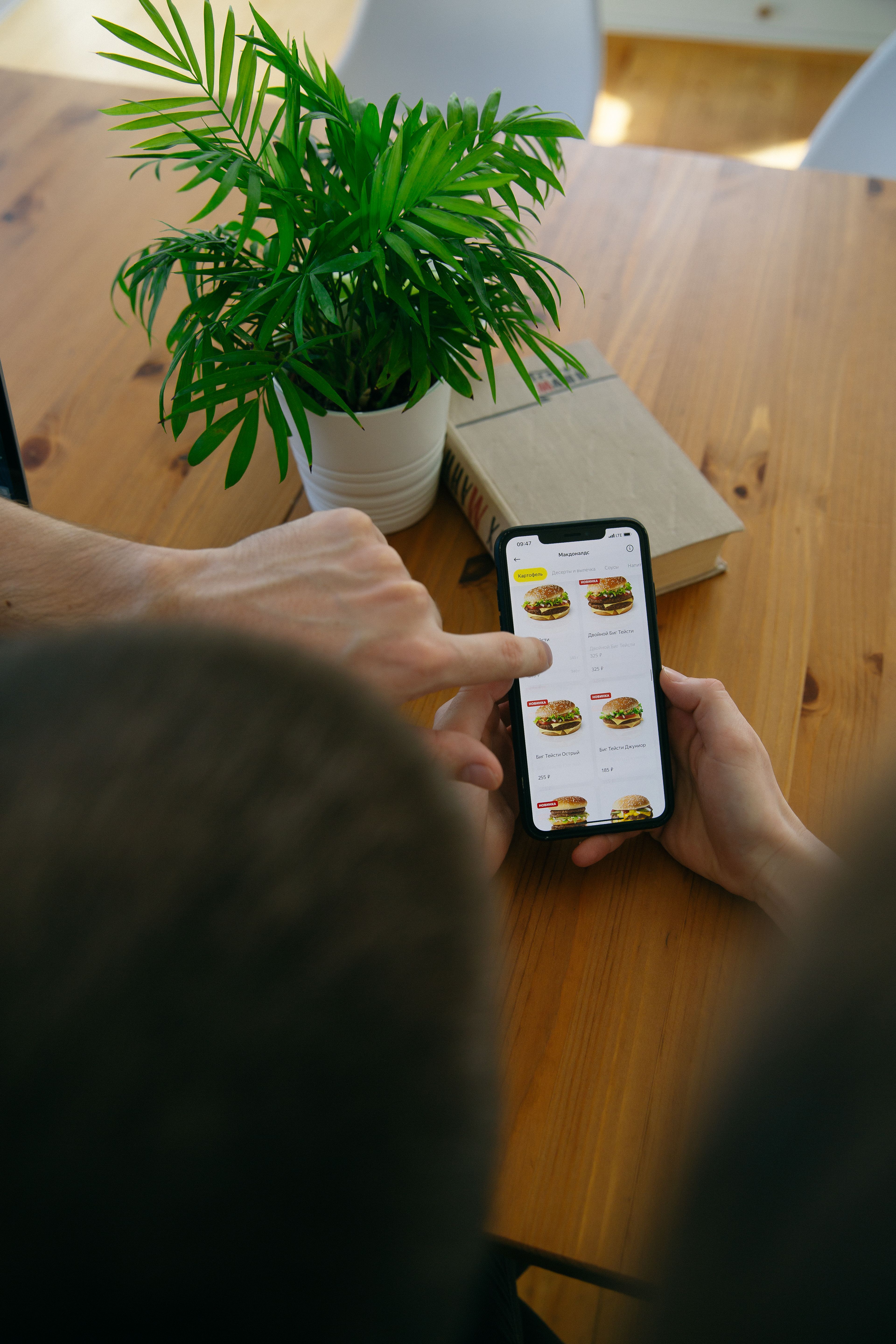
The basic idea is simple: eligible McDonald's Canada purchases can translate into Expedia-related travel rewards, promotional credits, or sweepstakes-style opportunities. Exact mechanics can vary by campaign, but these partnerships usually rely on app-based ordering, account linking, or limited-time promotional codes that tie a food transaction to a travel benefit.
McDonald's has spent years strengthening its digital ecosystem through mobile ordering, offers, and loyalty tools. That infrastructure gives it a ready-made channel for promotions that need tracking, personalization, and repeat engagement. Expedia, meanwhile, benefits from access to a huge customer funnel made up of people who may not have been actively planning a trip when they opened the McDonald's app.
The most effective version of this campaign will be one that keeps redemption friction low. If customers need too many steps to understand or claim the benefit, excitement can fade quickly. Loyalty experts often note that ease of use is what separates a fun idea from a genuinely habit-forming program.
Why food and travel brands are teaming up more often
Here is the bigger picture: loyalty economics have changed. Brands no longer compete only on price or product quality. They also compete on ecosystem value, which means giving customers reasons to stay engaged across categories that once had little to do with one another.
Airlines, credit cards, hotel groups, and retailers have long understood this logic. Grocery chains partner with gas stations, banks tie points to dining, and entertainment platforms bundle perks into broader memberships. McDonald's Canada joining forces with Expedia follows that playbook, but with a mass-market twist that makes the concept far more visible to everyday consumers.
There is also a data strategy behind it. Partnerships can reveal when customers respond to impulse incentives versus aspirational ones, which channels convert best, and how often promotional participants return. For marketers, that information is nearly as valuable as the immediate sales bump created by the campaign itself.
What this could mean for customers in practical terms

The most immediate impact is psychological as much as financial. People tend to treat travel as a major purchase that must be planned separately from day-to-day life. By tying travel rewards to a familiar meal purchase, the promotion reframes vacation spending as something customers can work toward gradually and casually.
That shift matters because travel prices remain a concern for many Canadians. Airfare, hotel rates, and exchange-rate pressures can all make trips feel harder to justify. Even modest credits, bonus points, or travel discounts can make a booking feel more attainable, especially for younger consumers who are highly responsive to app-based reward ecosystems.
There is another practical benefit: customer engagement. A campaign like this can encourage more frequent app use, stronger loyalty participation, and a higher likelihood of bundled purchases. If the offer is limited-time, it may also create urgency that pushes customers to act sooner than they otherwise would.
The business upside for McDonald's Canada and Expedia

From McDonald's perspective, this is a smart way to make its loyalty proposition feel fresher without changing the core menu. Fast-food competition in Canada is intense, and value messaging alone is not always enough to stand out. A travel tie-in gives the brand a premium-feeling promotion layered on top of everyday affordability.
For Expedia, the advantage is scale and timing. Travel companies constantly look for lower-friction ways to stay top of mind between booking cycles. Appearing inside a routine consumer moment, like ordering lunch, helps Expedia insert itself earlier in the decision journey than traditional travel advertising often can.
There is also branding value in surprise. Consumers do not expect a Big Mac to connect with vacation planning, and that novelty generates conversation. In a crowded promotional environment, unusual pairings often outperform predictable ones simply because people remember them and share them.
What to watch as the promotion rolls out
The real test will be execution. Customers will want clear rules, easy redemption, and rewards that feel meaningful rather than symbolic. If the value proposition is too vague, or if the offer depends on narrow conditions, enthusiasm could cool even if the headline partnership sounds exciting.
Another key factor is whether the campaign feels inclusive. Promotions tied only to large orders or specific digital behaviors can exclude casual users. The strongest outcome would be a structure that rewards both frequent McDonald's app customers and occasional diners who are newly drawn in by the travel angle.
If the response is strong, this partnership may not stay a one-off. It could open the door to more lifestyle-based collaborations where food, travel, entertainment, and finance overlap in loyalty programs. For consumers, that means the line between ordinary spending and aspirational rewards may keep getting thinner.



Leave a Reply