
Armenian cooking has a strong comfort-food streak, built around warm breads, gentle spices, simmered meats and dishes meant for sharing. These five favorites show how that tradition turns simple ingredients into meals that feel generous, practical and deeply satisfying.
Harissa
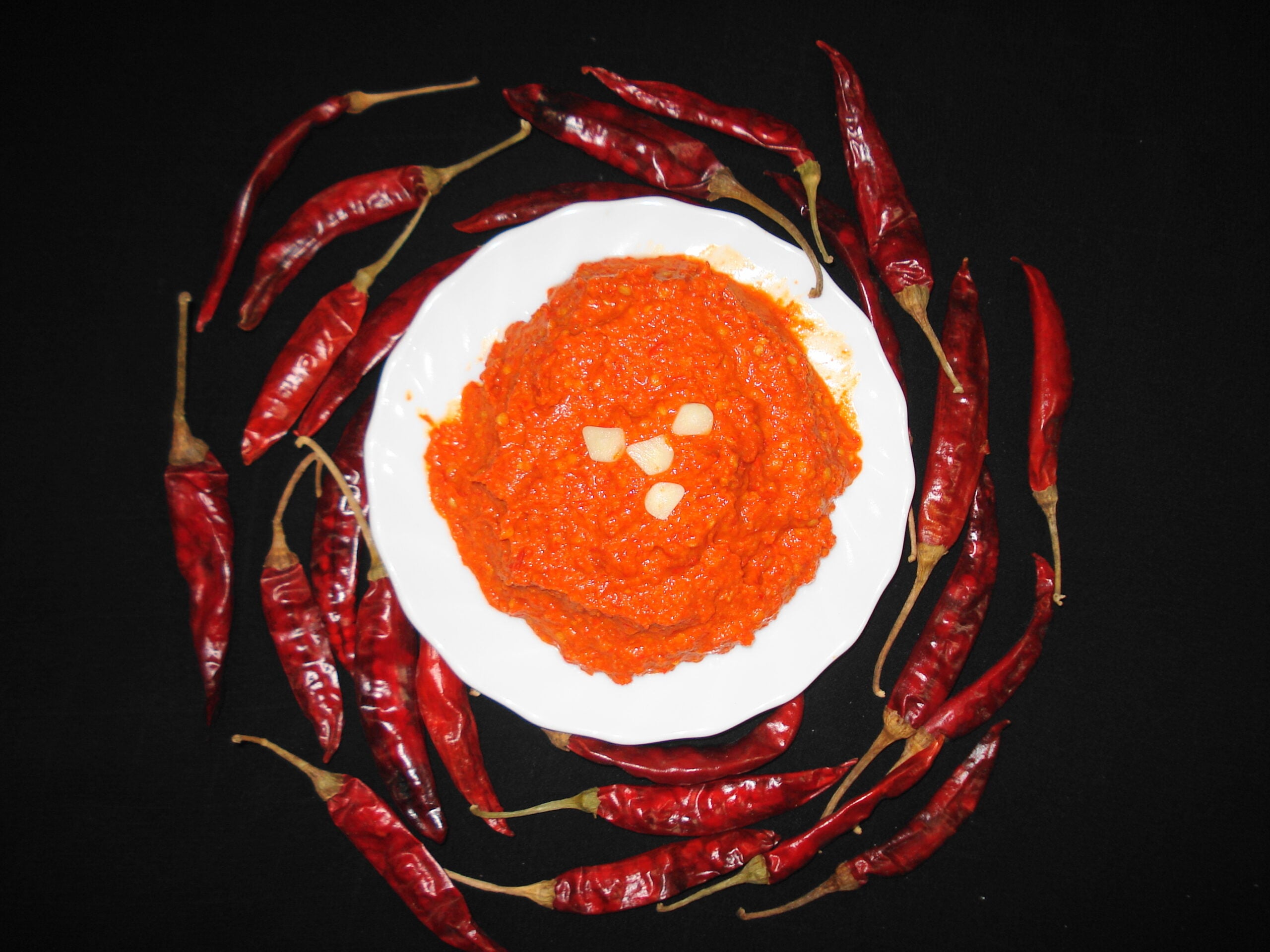
Few dishes say patience like harissa. In Armenia, this thick porridge of wheat and meat is closely tied to tradition, especially the version made with korkot, or cracked dried wheat, and chicken.
The dish is cooked low and slow until the grains break down and the meat nearly disappears into the mixture. What makes it memorable is the texture. It lands somewhere between a stew and a savory porridge, rich without relying on heavy seasoning.
Harissa is especially associated with communal cooking and religious observance, including meals connected to the feast of Musa Ler. A spoonful of melted butter often goes on top, which adds aroma more than flash.
For a photo gallery, it works because it looks humble but carries a bigger story. This is comfort food at its most elemental, based on time, grain and the kind of recipe people learn by watching family members make it.
Khash
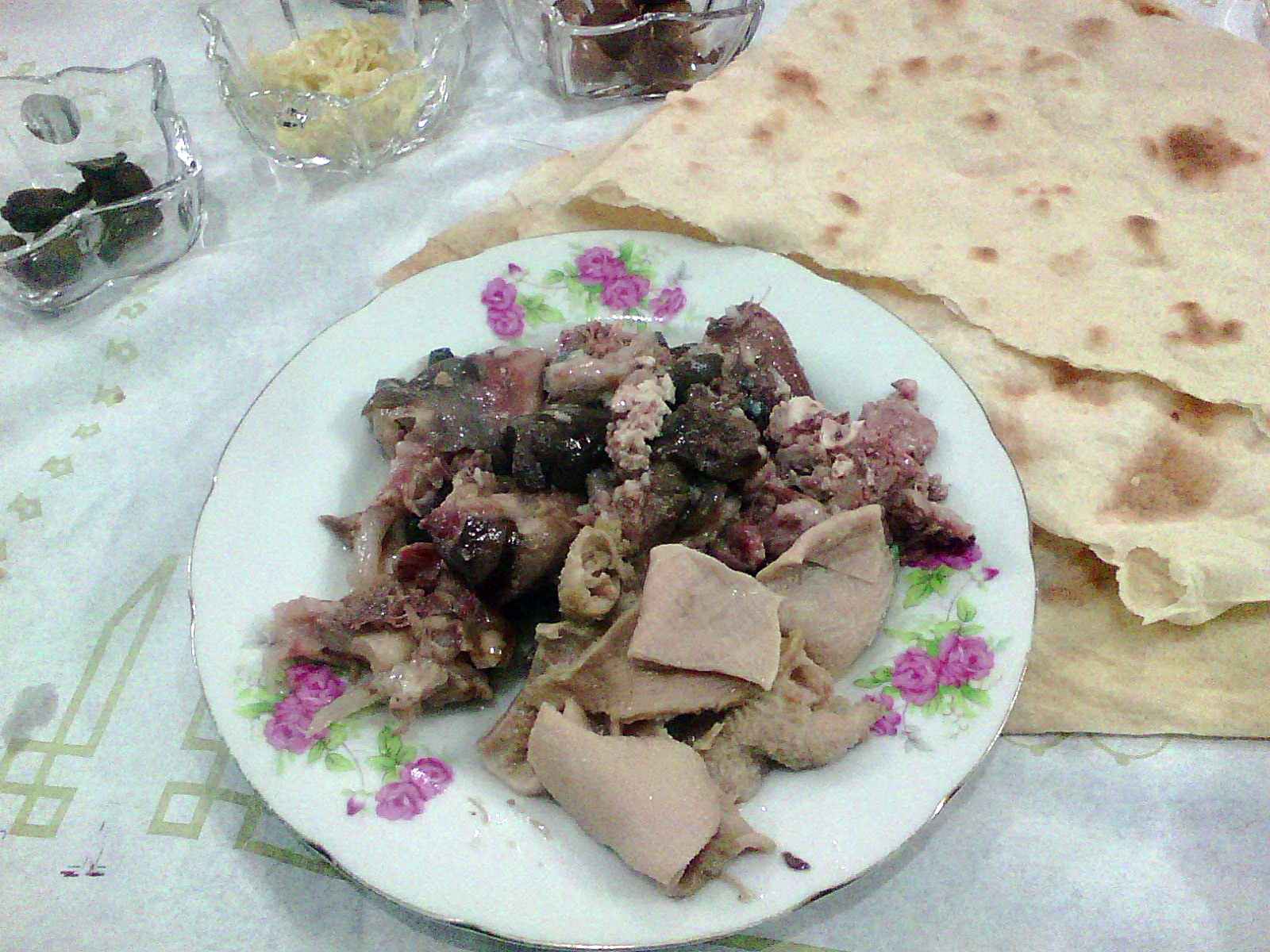
Khash is the kind of dish that turns thrift into ritual. Traditionally made by simmering cow feet for hours until the broth turns milky and deeply gelatinous, it is one of the most distinctive meals in Armenian food culture.
It is usually eaten hot, often in the morning during colder months. Diners commonly add lots of garlic, dried lavash and salt at the table, which changes the bowl from plain-looking broth to something pungent, rich and filling.
Khash is also a social event. It is known less as a quick weeknight meal and more as a gathering dish, served to groups who sit together for a long, unhurried meal.
Its appeal makes more sense when you think about texture and warmth rather than appearance alone. The broth is silky, the bread softens into it, and the garlic gives it a sharp edge that cuts through the richness.
Tolma
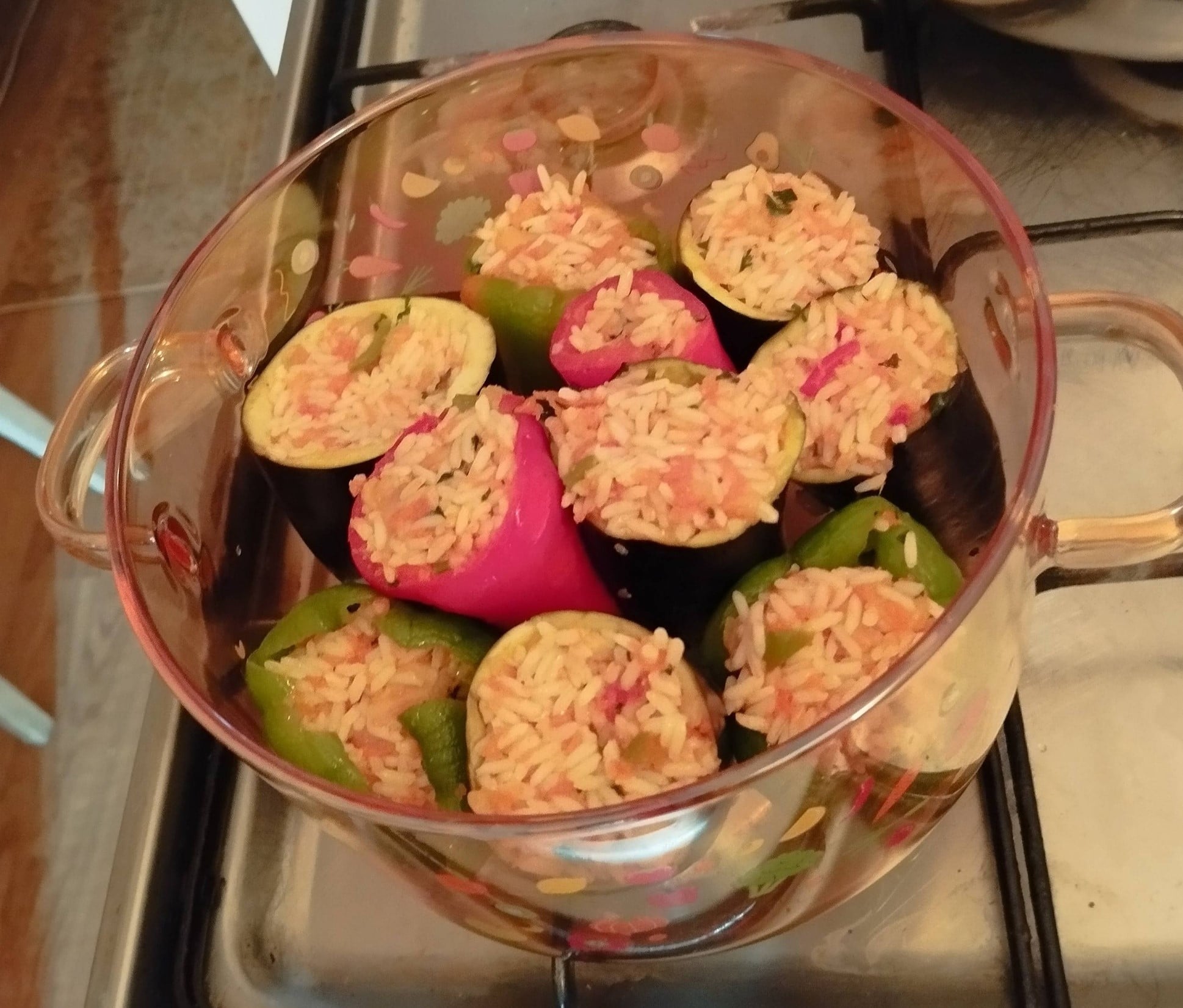
Tolma shows how flexible Armenian comfort food can be. The name usually refers to vegetables or grape leaves stuffed with a seasoned mixture, often including minced meat, rice and herbs.
In many Armenian homes, grape-leaf tolma is a centerpiece dish, but peppers, eggplants, tomatoes and cabbage are also common wrappers. The filling tends to be fragrant rather than spicy, with parsley, onion and black pepper doing much of the work.
What gives tolma its comfort-food status is the balance it strikes. It feels substantial, yet each piece is neatly portioned and soft from cooking, especially when served warm with matsun, a tart fermented milk product similar to yogurt.
It also photographs beautifully. A tray of tightly rolled grape leaves or filled vegetables tells the story at a glance, while the details, the careful wrapping and the creamy matsun alongside, reveal the labor behind the meal.
Spas
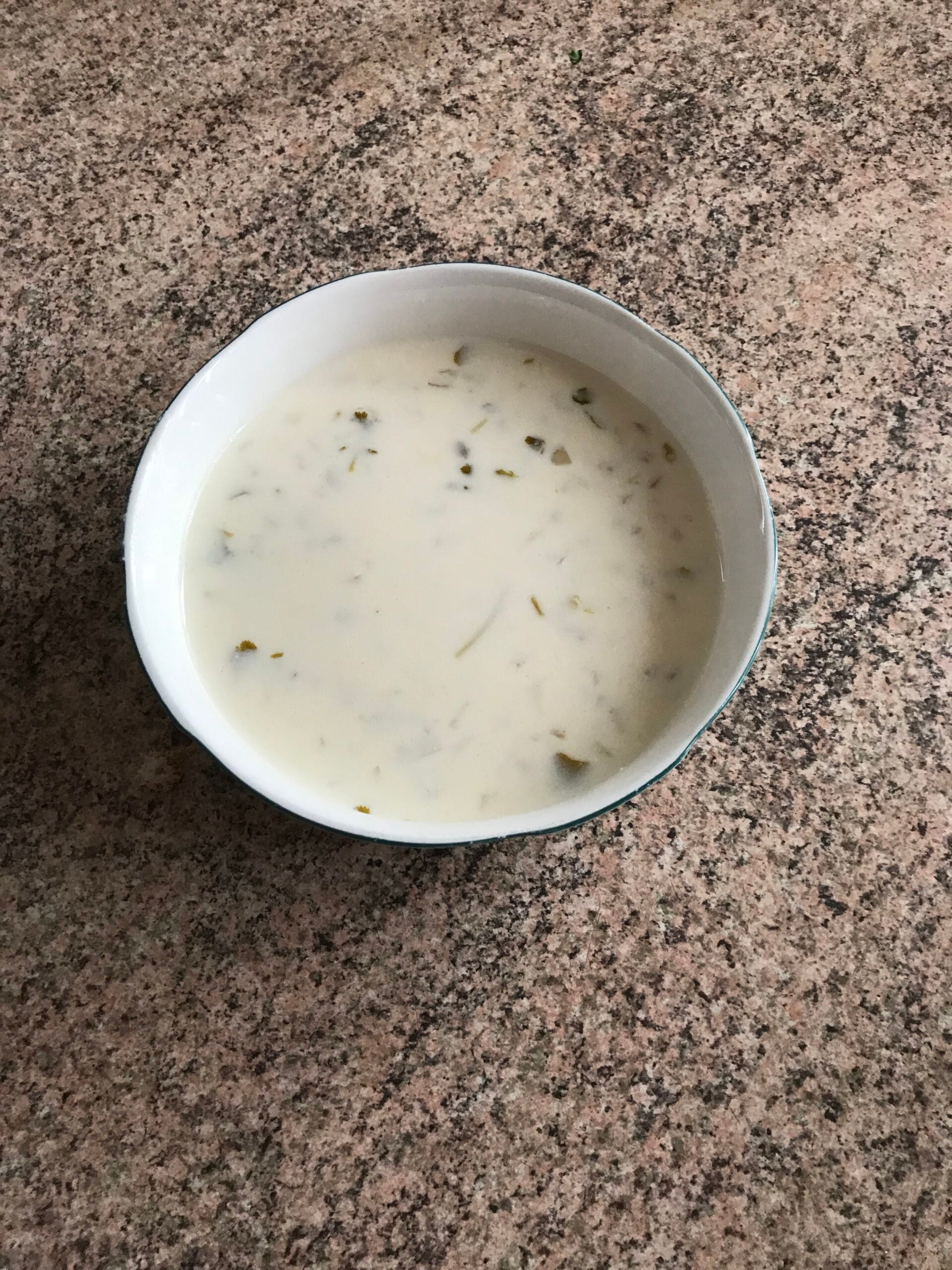
Spas is proof that a soup can be both soothing and surprisingly layered. This traditional Armenian soup is typically made with matsun, wheat and herbs, creating a bowl that is tangy, creamy and light at the same time.
The texture depends on the cook, but many versions include softened grains that give the soup body without making it heavy. Fresh herbs, often mint or cilantro, brighten the dairy base and keep the flavor from feeling one-note.
It can be served warm or cold, which makes it unusually versatile for a comfort dish. Warm spas feels calming and substantial, while a chilled version can seem almost refreshing, especially in hotter weather.
That range is part of its charm. It offers the familiar comfort of soup, but with a tartness that sets it apart from cream-based bowls more common in other cuisines.
Jingalov hats
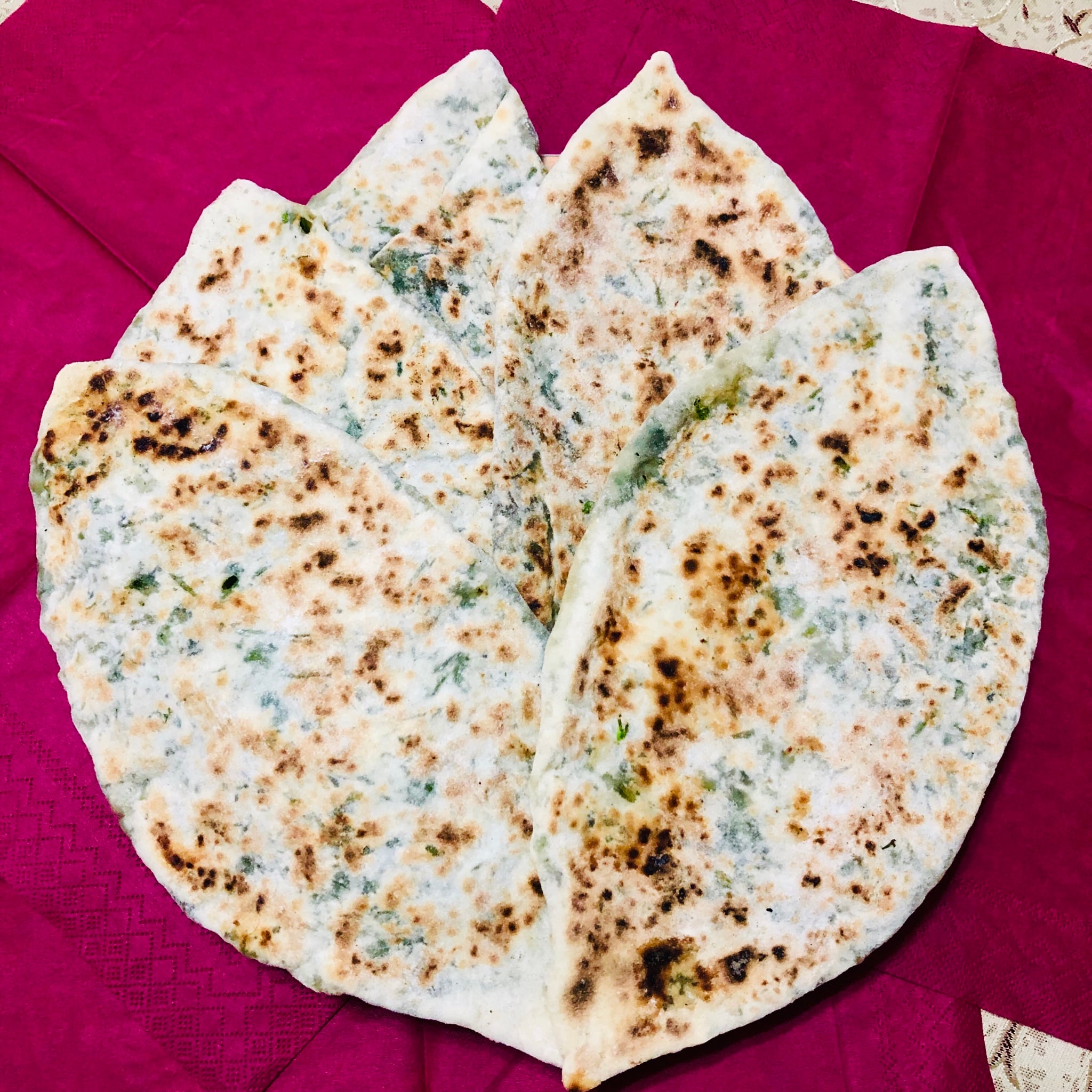
Jingalov hats brings comfort food into flatbread form. This specialty from Artsakh is made by stuffing thin dough with a large mixture of finely chopped herbs and greens, then cooking it on a hot surface until the bread blisters.
What stands out is the sheer variety of plants that can go into the filling. Depending on season and availability, cooks may use spring onions, sorrel, spinach, cilantro, parsley, dill and other wild or cultivated greens.
Despite the absence of meat, it feels substantial because the bread and herbs create both chew and moisture. The greens cook down into a concentrated filling that tastes earthy, fresh and slightly sharp.
It is a satisfying place to end because it widens the picture of Armenian comfort food. Not every classic depends on long-simmered meat. Sometimes comfort comes from warm bread, abundance and a recipe shaped by the landscape.




Leave a Reply