
Canadians saw food bills soar and looked for someone to blame. Loblaw, the country's biggest grocer, became the obvious target, but the math behind its profit jump is more nuanced than the public debate suggested.
Why Loblaw became the face of grocery anger
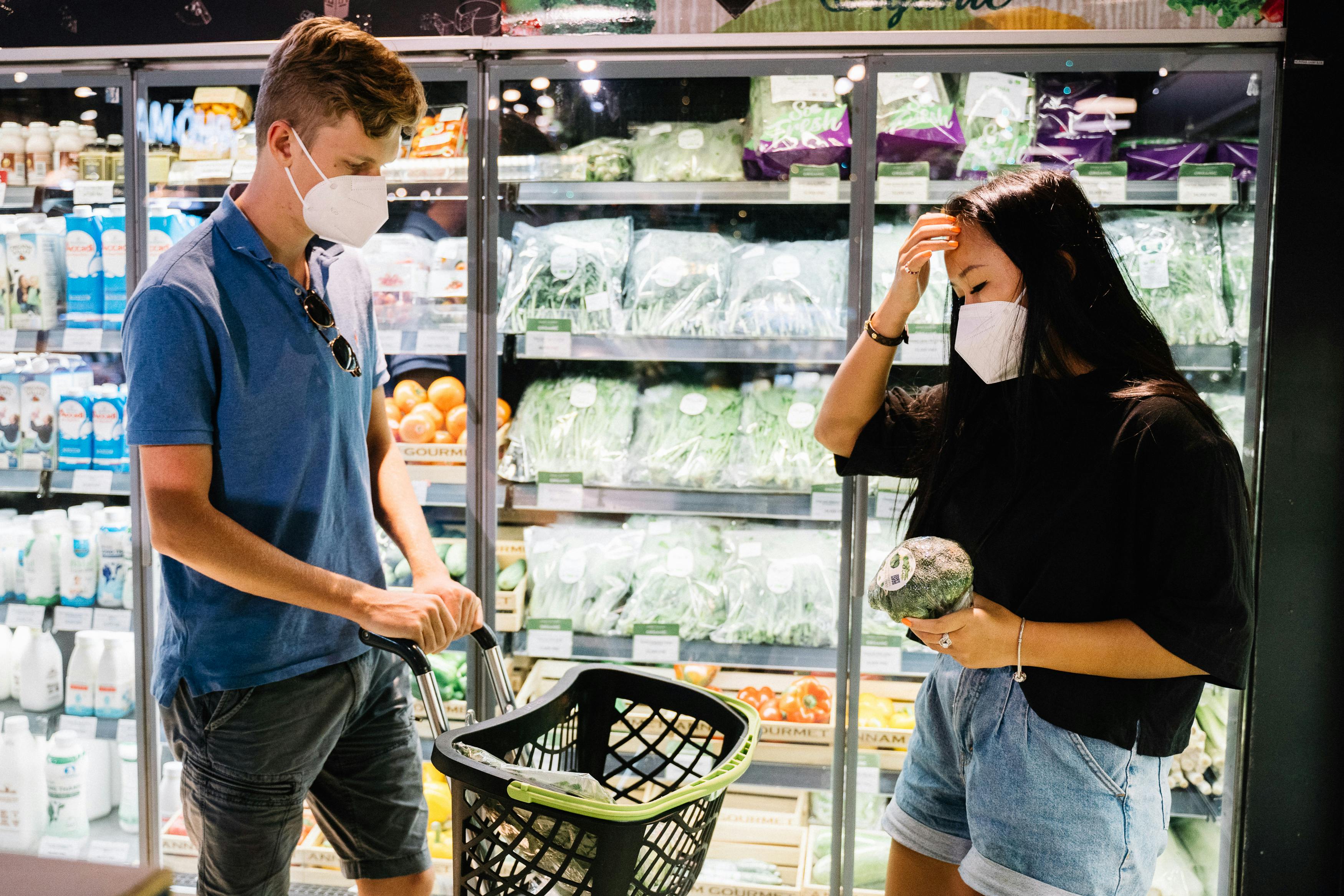
Scale made Loblaw impossible to ignore. With banners such as Loblaws, No Frills, Real Canadian Superstore, Shoppers Drug Mart, and Joe Fresh, the company touches millions of households each week. When inflation drove up the price of bread, produce, dairy, and pantry staples, consumers often saw Loblaw's logo at the checkout line.
Public frustration also built because grocery shopping is unusually visible. Families may not track the price of industrial inputs or freight contracts, but they notice a carton of milk rising by dollars over a short period. According to Statistics Canada, food bought from stores saw sharp inflation through 2022 and 2023, leaving shoppers convinced major chains were benefiting directly.
Then came politics and optics. Parliamentary hearings, media scrutiny, and consumer boycotts turned Loblaw into a symbol of a wider affordability crisis. Even if inflation affected the whole sector, the largest player carried the greatest reputational burden.
The key number most people missed: margin

The cleanest way to understand Loblaw's profits is to separate dollars from percentages. A company can post higher net income while still earning a relatively slim profit on each dollar of sales. That distinction matters in grocery retail, where margins are traditionally narrow.
Loblaw's profit margin has generally been only a few cents on every dollar sold. If a grocer earns 3¢ to 4¢ per $1 in net profit, a large increase in total revenue can produce a noticeable jump in profit dollars without requiring massive markups on individual items. That does not make food cheaper, but it changes the explanation.
Here is the simple math: if sales rise from $56 billion to $60 billion and net margin moves from 3.4% to 3.7%, profit climbs from about $1.90 billion to $2.22 billion. That is a sizable increase in earnings, yet it still reflects a business operating on thin percentage margins.
Higher prices were only part of the story
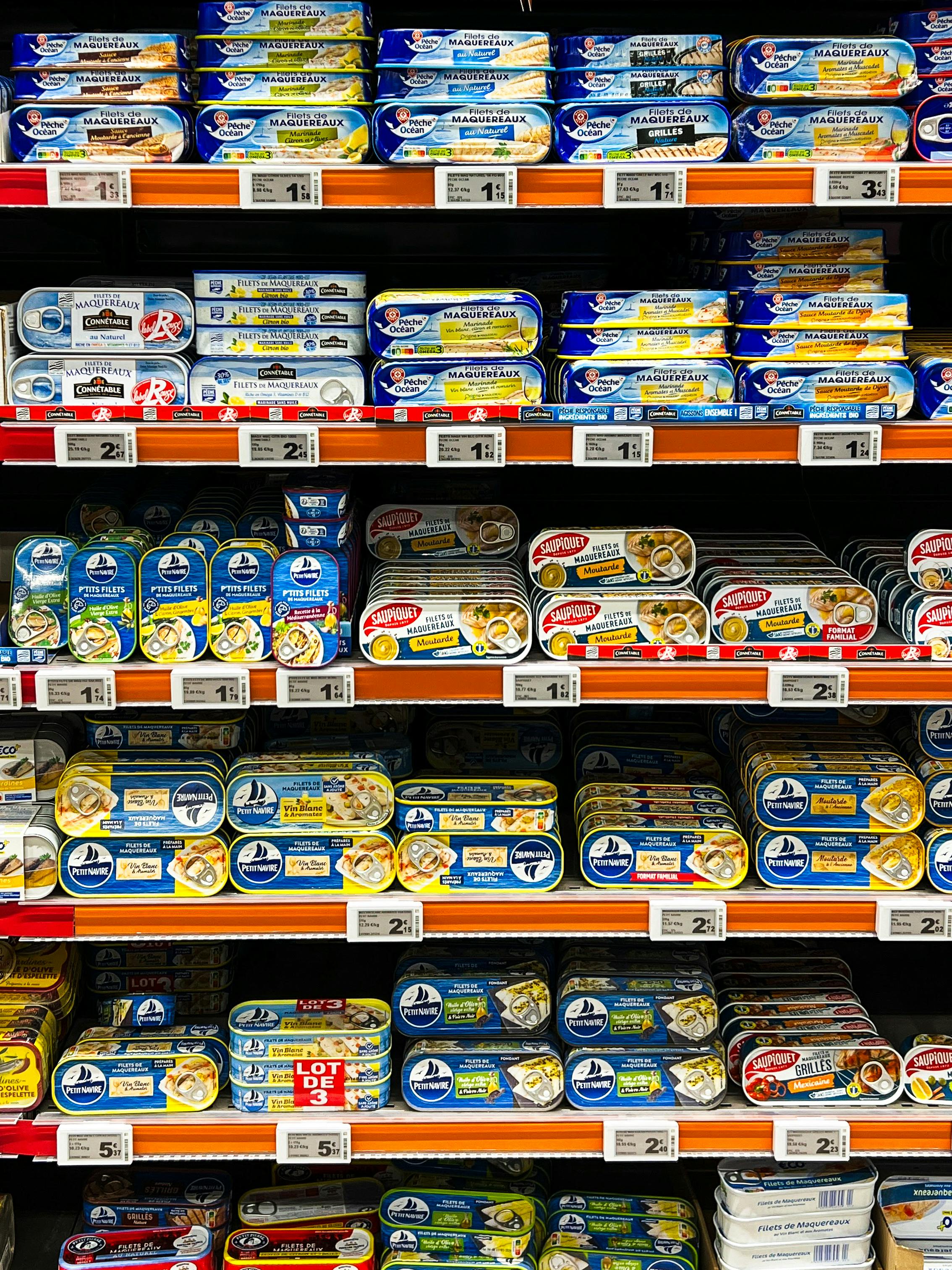
Inflation did lift the top line. When suppliers charged more for packaged goods, produce, meat, and household items, retailers passed through much of that increase. Because profit is calculated as a percentage of sales, even steady margins can yield bigger absolute earnings when the sales base gets larger.
But volume and product mix mattered too. Loblaw benefited when shoppers consolidated trips and bought more private-label products such as President's Choice and No Name. Those brands often offer better margins than national labels, helping profitability even when consumers believe they are trading down to save money.
Another factor was the company's diversified model. Loblaw is not just a supermarket operator. Pharmacy, beauty, apparel, financial services, and media-related retail activities contributed to results, meaning headline profit growth did not come solely from charging more for apples or pasta sauce.
Shoppers Drug Mart and non-food businesses mattered a lot
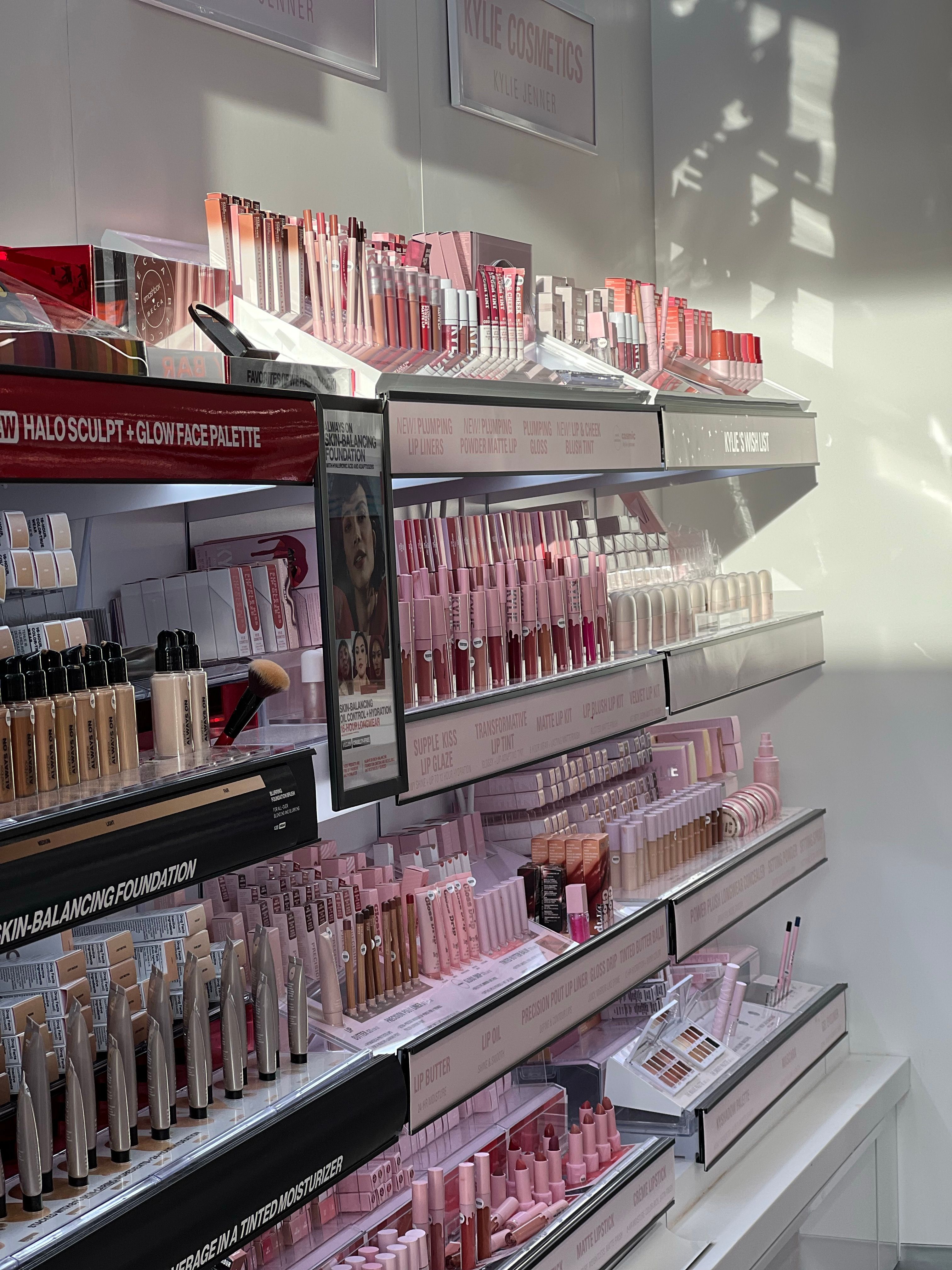
One reason the public narrative often missed the mark is that Loblaw's strongest earnings engines are not always in the grocery aisle. Shoppers Drug Mart has long been a high-performing asset, supported by prescription volumes, front-store sales, cosmetics, and convenient urban locations. Those categories can carry different economics than basic food retail.
That matters because consolidated profit figures combine multiple businesses. If pharmacy or beauty performs strongly while supermarket margins remain modest, overall company profit can still rise sharply. A shopper comparing lettuce prices may reasonably feel squeezed, but that personal experience does not fully explain the company's total earnings.
In other words, the income statement is broader than the grocery basket. Investors evaluate Loblaw as a diversified retailer with loyalty programs, real estate advantages, and higher-margin segments alongside food. That wider lens helps explain why profit growth outpaced what many consumers assumed the grocery operation alone could produce.
Why the oligopoly debate still resonates

Even if the math softens the simplest accusation, it does not erase valid concerns about competition. Canada's grocery market is highly concentrated, with a handful of major chains dominating national sales. In markets with fewer serious competitors, consumers can feel trapped, especially in smaller cities and suburban areas.
Critics argue that concentration reduces pricing pressure, limits choice, and weakens incentives to absorb cost increases. Economists often note that even without illegal collusion, an oligopoly can produce outcomes that feel unforgiving for households. Prices do not need to be artificially fixed for shoppers to experience persistently high costs.
That is why Loblaw's explanation and the public's anger can both contain truth. The company may not need extravagant margins to generate growing profits, while consumers may still be paying more in a market that lacks enough competitive tension.
What the numbers really say about blame

The fairest conclusion is that Loblaw did not need huge per-item markups to deliver a substantial profit increase. Higher revenue, slight margin expansion, private-label strength, and non-grocery businesses were enough. The math points to scale and business mix as much as shelf-price inflation.
Still, households were not wrong to feel squeezed. Grocery bills rose faster than many wages, and the burden landed week after week in one of the most personal corners of family budgets. When people looked for accountability, the largest chain naturally drew the most heat.
So the real lesson is broader than one company. Loblaw's profit jump reflects how inflation, market concentration, and diversified retail economics can combine in ways that look simple from the checkout line but are more complex on a financial statement.




Leave a Reply