
Canada is selling far more food to the world than it did a few years ago. That is the good news.
The harder truth is that export growth alone does not guarantee global leadership, especially when bigger and faster-moving rivals are reshaping agricultural trade.
Canada's export surge is real, but context matters
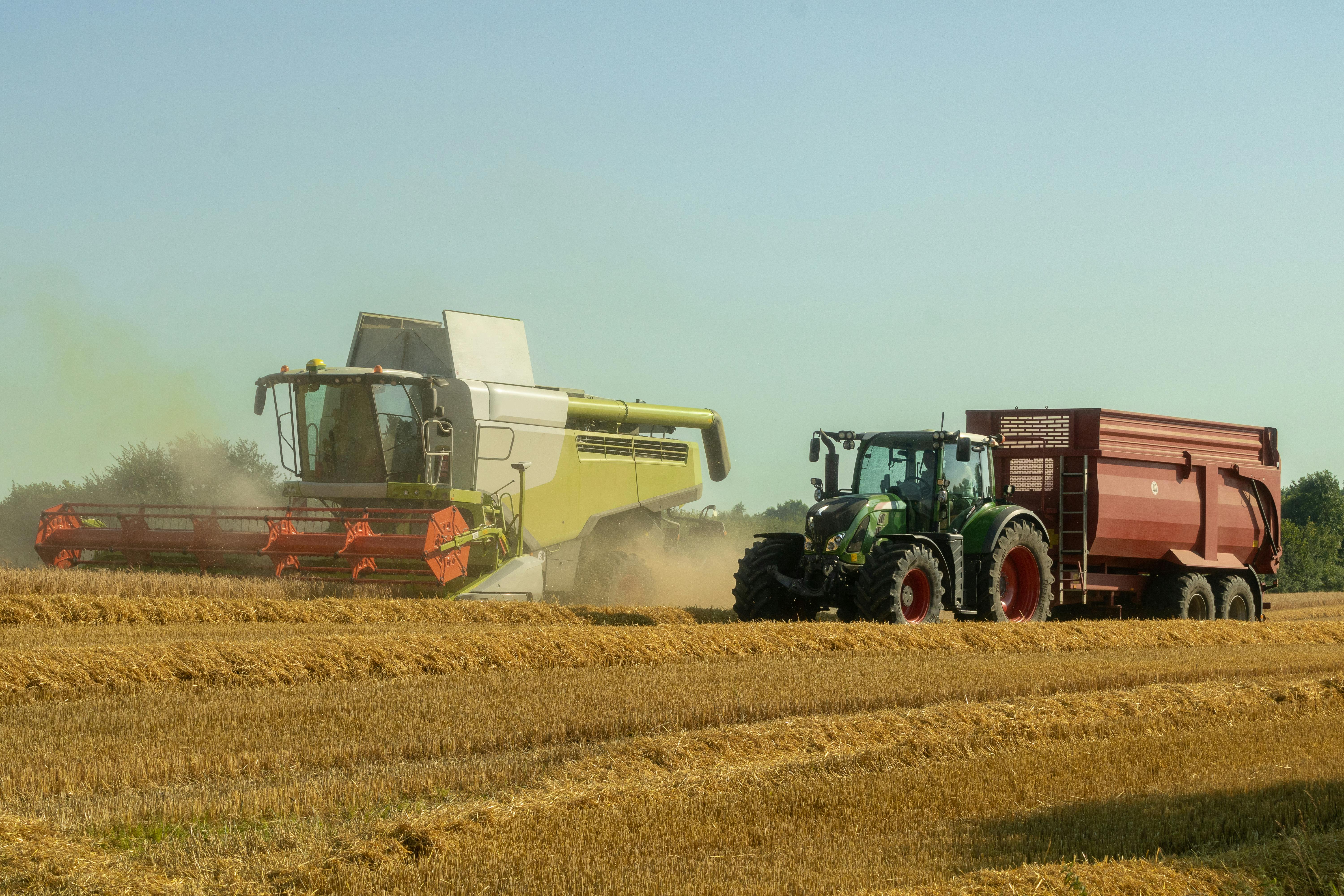
Canada's food export growth since 2017 has been substantial, rising roughly 50% as global demand for grains, oilseeds, meat, and processed foods stayed strong. That increase reflects resilient farm output, high commodity prices during parts of the period, and stronger demand from Asia and other import-dependent regions. It also shows that Canadian producers remain highly trusted in international markets.
But headline growth can hide a more complicated story. Part of the increase came from inflation and elevated world prices rather than only from a dramatic jump in physical volumes. When export values rise faster than tonnage, revenues look stronger, yet the underlying competitive position may not improve at the same pace.
China and Brazil have expanded with greater speed and scale

What makes Canada's progress look less impressive is the pace set by larger competitors. China has continued to deepen its role in global food trade through processing, manufacturing, and value-added exports, while Brazil has expanded aggressively in soybeans, corn, beef, poultry, and sugar. Both countries have strengthened their reach across multiple product categories at once.
Brazil, in particular, has become a benchmark for export momentum. Its vast land base, lower production costs in key sectors, and sustained investment in port and transport systems have helped it win market share. China, meanwhile, combines enormous domestic production with industrial processing power, allowing it to compete not just as a supplier of raw food products but also as a major seller of finished goods.
Canada remains strong in staples, but less dominant in processing
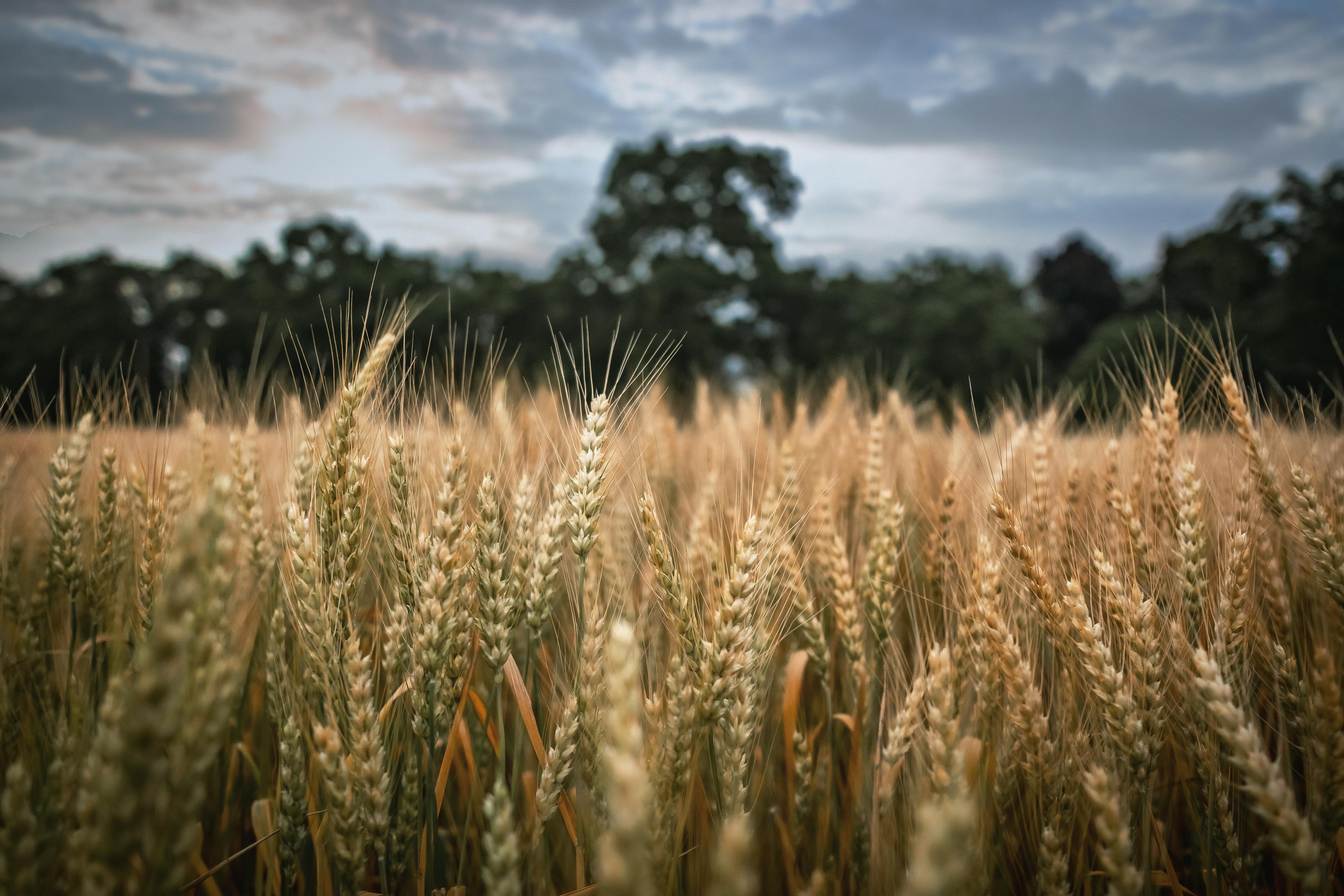
One of Canada's core advantages is reliability in staple agricultural exports. Wheat, canola, pulses, pork, seafood, and other primary products give the country a firm place in global trade. Buyers value Canadian quality controls, food safety systems, and the consistency that comes from a mature export sector.
Yet the next stage of growth is harder because much of the world's biggest trade gains are happening in higher-value processing. Instead of exporting only raw or lightly processed commodities, competitors are shipping more branded foods, ingredients, prepared meals, and specialized products. That is where profit margins can be higher and customer loyalty can become more durable.
Logistics, distance, and infrastructure still hold Canada back
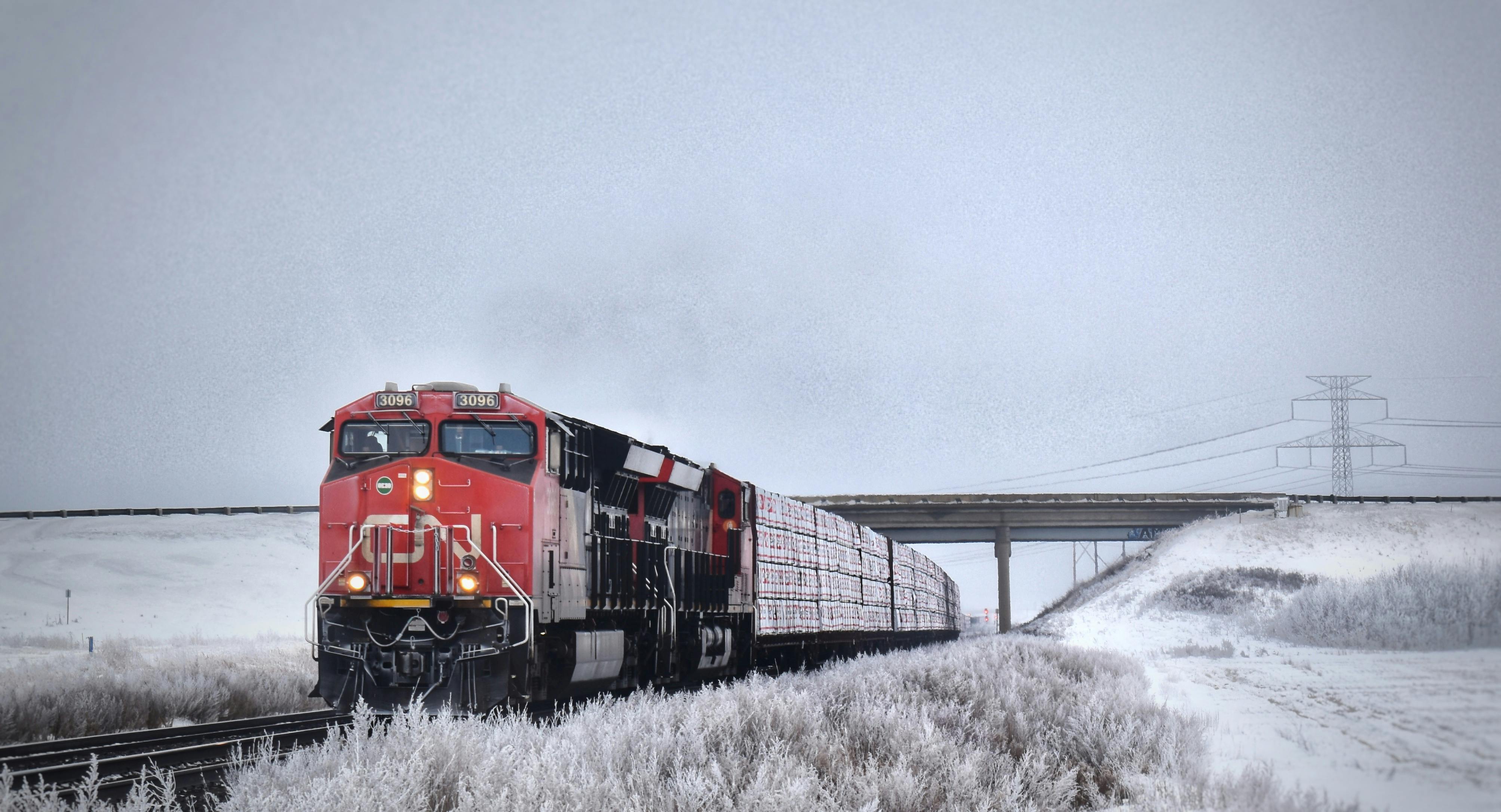
Geography helps Canada produce food, but it can complicate getting products to market. Exporters must move goods across vast internal distances before they even reach ports, and bottlenecks in rail, storage, container access, and terminal capacity can raise costs. When supply chains are disrupted, Canadian shippers often feel the pressure quickly.
This is one reason Brazil's infrastructure upgrades matter so much in the comparison. Even with its own logistical challenges, Brazil has spent years improving the corridors that connect farms to export terminals. Canada has made investments too, but transport reliability, labor disruptions, and congestion continue to shape how competitively its food reaches buyers abroad.
Trade policy and market access are becoming decisive
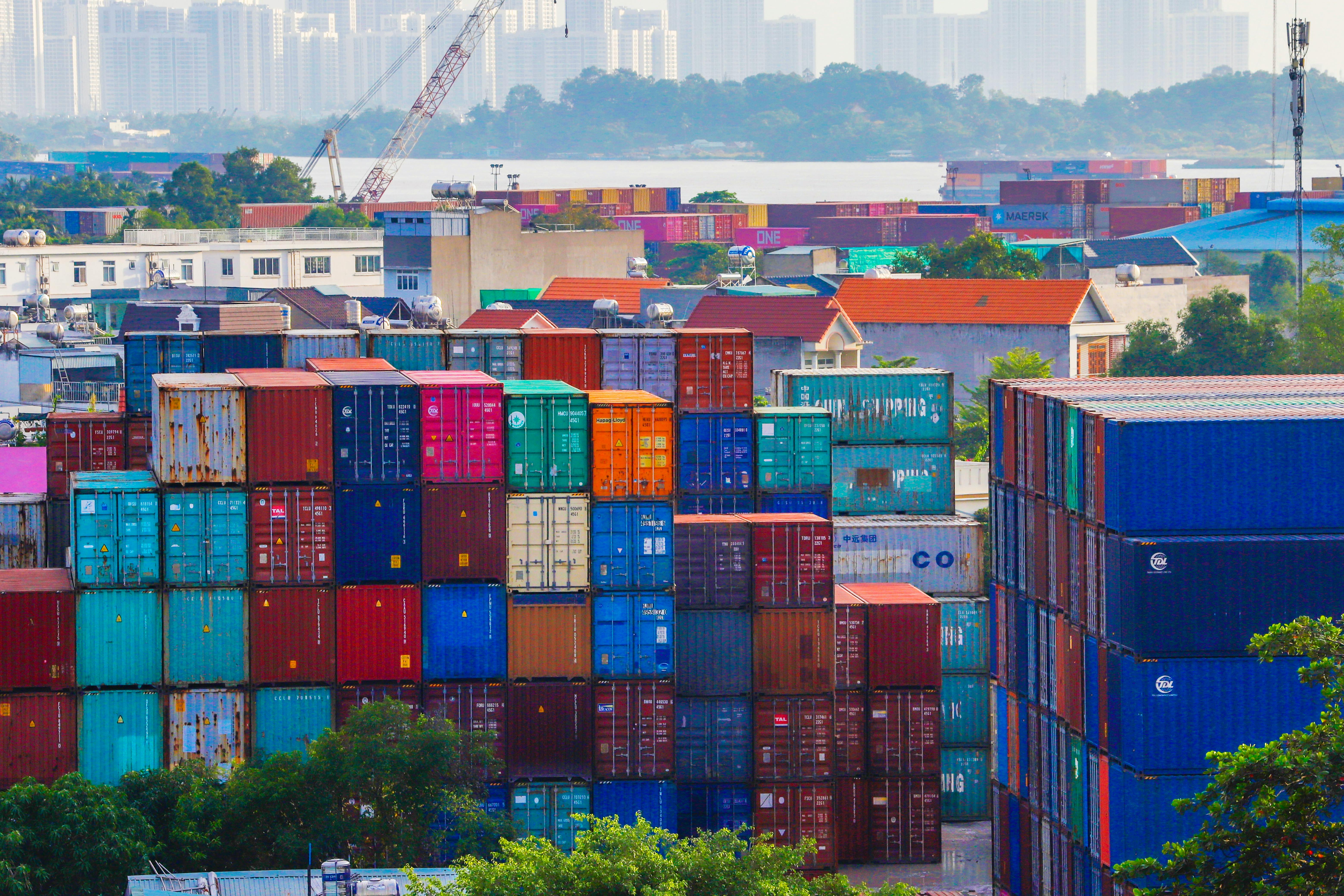
Export performance is no longer just about what farmers grow. It is increasingly about who can secure market access, meet changing standards, and respond quickly to trade disputes. Canada benefits from a wide network of trade agreements, including major links to the United States, Europe, and Pacific markets, which gives exporters a strong foundation.
Still, competitors are often moving with equal or greater urgency. Sanitary rules, carbon expectations, labeling standards, and geopolitical tensions can all affect sales. A country that is slow to resolve certification issues or adapt to new regulatory demands can lose shelf space and customer trust, even if its underlying products remain competitive.
The next challenge is turning growth into long-term advantage

Canada's 50% export rise is meaningful, and it should not be dismissed. It reflects productive farms, strong global demand, and an industry capable of competing internationally under difficult conditions. But it is not enough to celebrate the number without asking whether Canada is climbing fast enough in the sectors that will define the next decade.
To close the gap with China and Brazil, Canada will need more than good harvests. It will need faster infrastructure, more domestic processing, smarter trade execution, and stronger investment in innovation from farm to factory. The opportunity is still there, but global food trade is becoming more competitive, not less.




Leave a Reply