
Canadian food lore is full of pride, but also full of contradictions. Some of the country's best-known dishes and drinks became icons for reasons their creators never expected.
The Caesar was invented for a restaurant opening, not for national glory
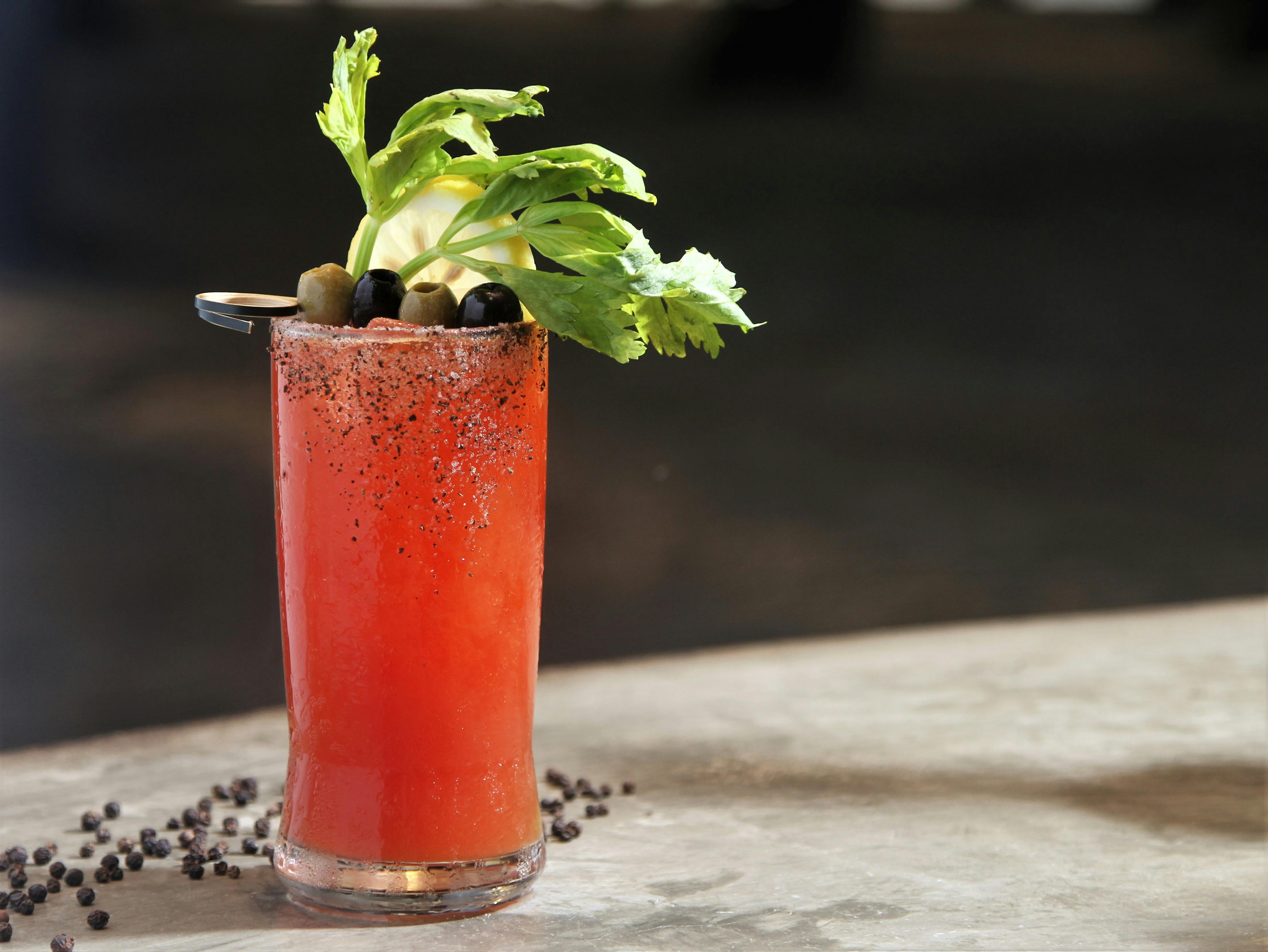
Nothing says irony like creating a drink so famous it becomes a national symbol, then admitting you never truly cared for it. That is the story of the Caesar, invented in 1969 by Walter Chell at the Calgary Inn, now the Westin Calgary.
Chell was tasked with making a signature cocktail for a new Italian restaurant and drew inspiration from spaghetti alle vongole, especially the briny taste of clam sauce. He mixed vodka, Worcestershire sauce, hot sauce, and Mott's clam and tomato blend, producing a savory drink that felt more like a meal starter than a bar classic.
The twist is that Chell later said he was not much of a fan of the Caesar himself. Yet the drink exploded into Canadian culture, with industry estimates suggesting hundreds of millions are consumed in Canada every year. A cocktail built from clam juice, restaurant marketing, and one bartender's experiment became more Canadian than many drinks designed to wave the flag.
Hawaiian pizza came from Ontario, not Hawaii
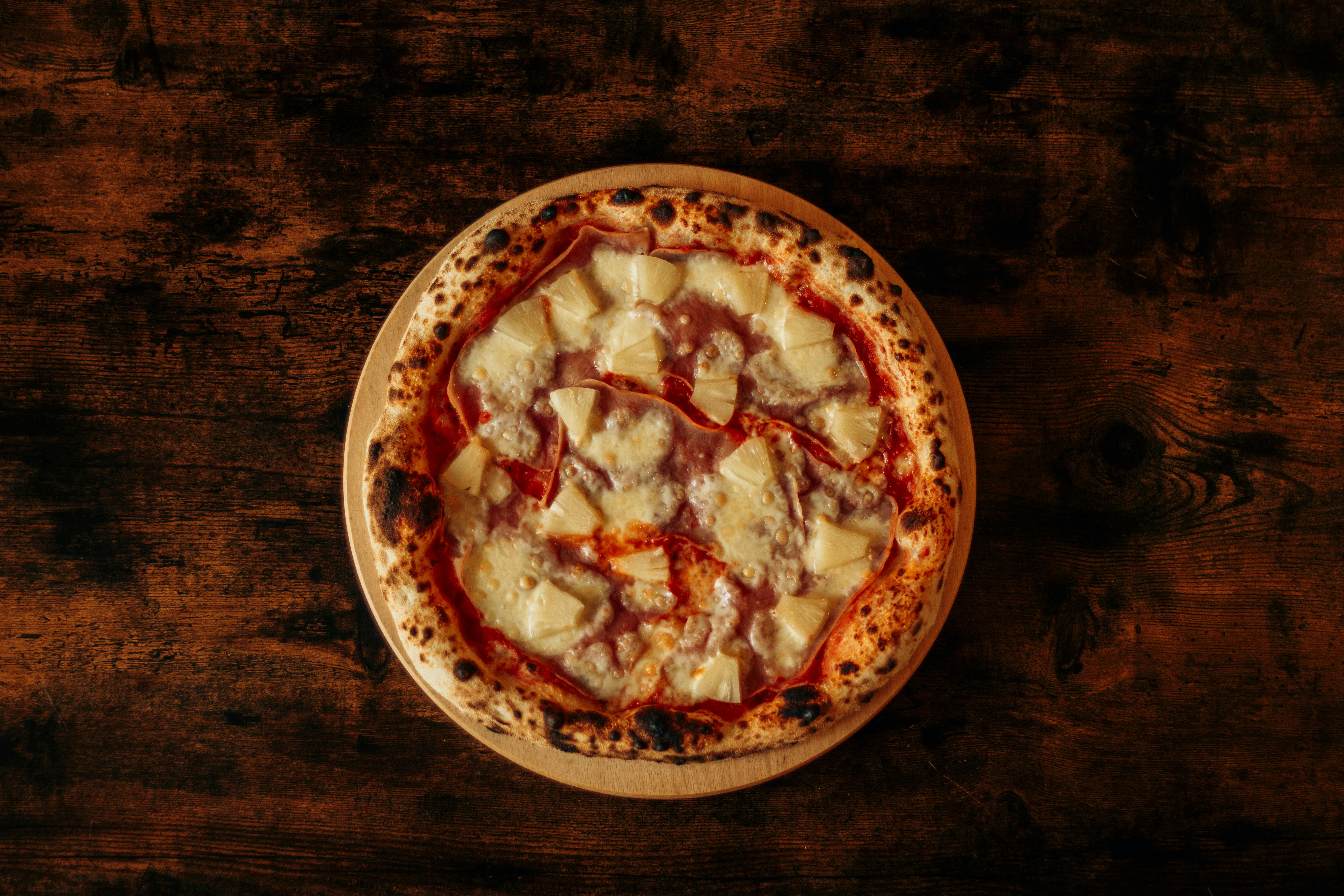
At first glance, Hawaiian pizza sounds like the culinary export of a tropical island. In reality, it was created in 1962 in Chatham, Ontario, by Sam Panopoulos, a Greek immigrant who ran the Satellite Restaurant with his brothers.
Panopoulos was experimenting during an era when North American pizza toppings were still narrow and predictable. He added canned pineapple and ham, using the brand name on the can, Hawaiian, as the pizza's title. The name stuck, even though the dish had no direct Hawaiian roots at all.
That mismatch turned into one of the most enduring arguments in modern food culture. What began as a small-town experiment became a global flashpoint in debates over taste, authenticity, and culinary tradition. The irony is simple and powerful: one of Canada's most internationally discussed foods is a pizza named for a place that had nothing to do with its creation.
Nanaimo bars became famous before anyone could prove who invented them

Some foods feel timeless, which often means their true beginnings are hard to pin down. Nanaimo bars, the rich no-bake squares layered with crumb base, custard filling, and chocolate topping, are deeply tied to British Columbia, yet no single inventor can claim them with certainty.
Food historians have traced similar recipes in mid-20th-century community cookbooks, especially from Vancouver Island. The City of Nanaimo later embraced the dessert as a civic emblem, promoting it through tourism campaigns, recipe contests, and local bakery culture. By then, the bar had already become a regional identity marker.
The irony lies in how official the dessert now feels compared with its fuzzy origin. A sweet treated almost like a heritage monument may have emerged from overlapping home kitchens rather than one breakthrough moment. In other words, one of Canada's most recognizable desserts became famous first and documentable second.
Poutine was born from scraps and skepticism, then became prestige food
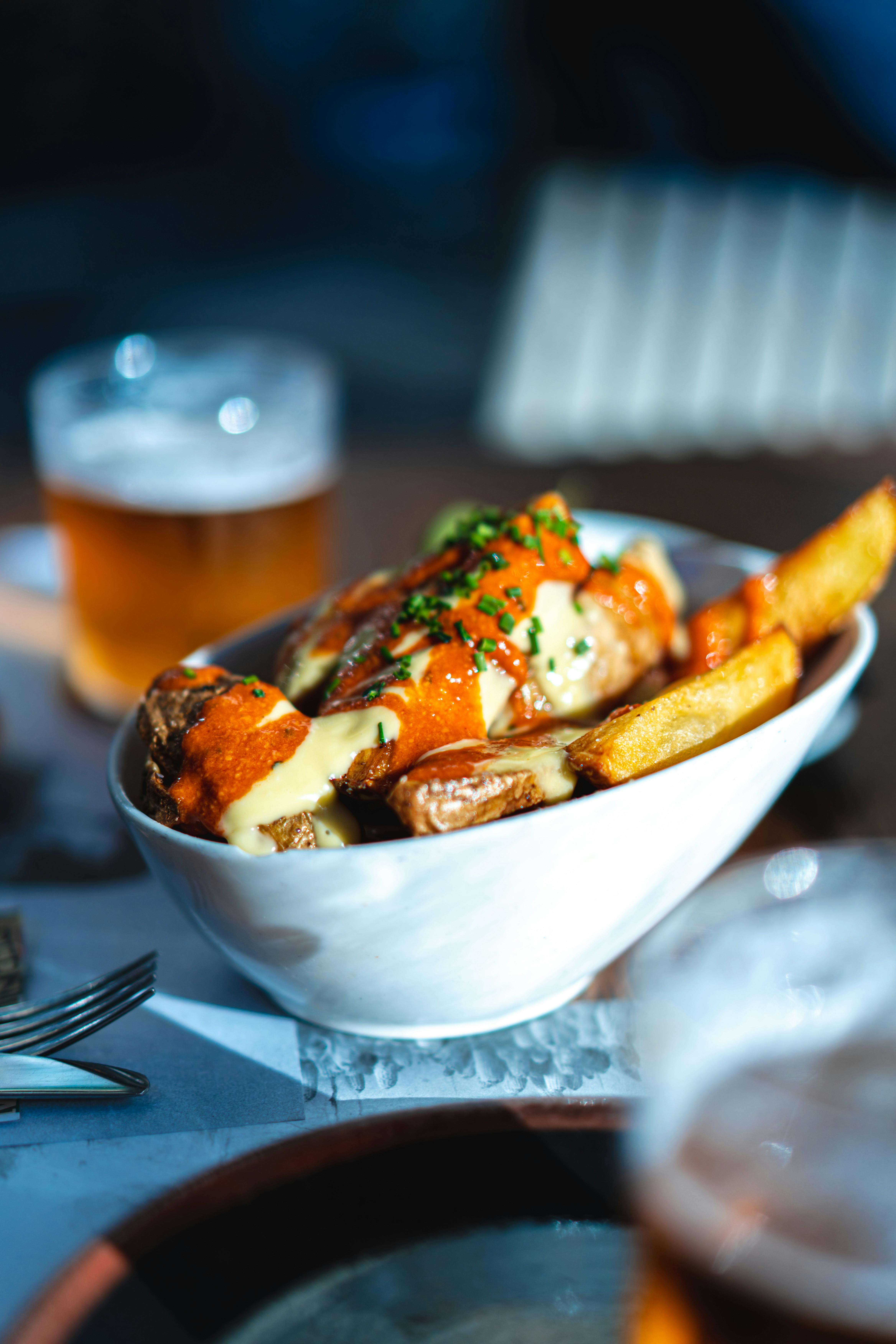
Luxury status was never part of poutine's original script. The dish emerged in rural Quebec in the 1950s, with several communities, including Warwick and Drummondville, linked to its creation, and with restaurateurs such as Fernand Lachance often cited in the story.
Its foundation was humble: fries, fresh cheese curds, and gravy. Early reactions were not always admiring. Even supporters described it as messy, heavy, and visually unrefined. For years, poutine was associated more with casse-croûtes and roadside snack bars than with polished dining rooms.
That is exactly what makes its rise so ironic. Today, chefs build upscale versions with duck confit, foie gras, lobster, and artisan gravies, while culinary scholars discuss it as a symbol of Quebec identity and class crossover. A dish once dismissed as rough convenience food now appears on white tablecloth menus and international trend lists.
Butter tarts became iconic despite a recipe built on disagreement

The butter tart looks simple, but its identity has long been contested. Early printed recipes appeared in Ontario in the early 1900s, including a frequently cited 1900 women's auxiliary cookbook from Barrie, helping cement the tart as a classic of English-Canadian baking.
Yet ask Canadians what belongs inside and consensus disappears immediately. Should there be raisins, currants, or pecans, or nothing at all? Should the filling be runny or firm? These are not minor details in butter tart culture. They are fault lines that divide bakers, families, and entire regions.
That ongoing argument is the real irony. A dessert treated as a national comfort food has no universally accepted form, even among devoted fans. Its fame rests not on standardization but on dispute, proving that culinary identity in Canada is often held together by affection, memory, and cheerful disagreement.
Montreal smoked meat rose from immigrant preservation methods to urban myth

Few foods seem more rooted in one city than Montreal smoked meat. Its origins trace back to Jewish immigrants from Eastern Europe in the late 19th and early 20th centuries, who brought meat-curing traditions shaped by preservation, spice, and survival.
Over time, brisket cured with salt and seasonings, then smoked and steamed, became a deli staple in Montreal. Famous institutions such as Schwartz's helped define the style, while generations of customers turned ordering a sandwich into a ritual. What started as practical preservation evolved into one of Canada's most mythologized street-level foods.
The irony is that a product of migration is often spoken about as if it were timelessly local and singular. Smoked meat is now marketed as pure Montreal essence, yet its foundations are diasporic, adaptive, and transnational. That tension is not a contradiction to erase. It is exactly what makes the story distinctly Canadian.

Leave a Reply