
Bulk buying sounds like a warehouse-club myth until you look at the unit price. In Canada, a handful of everyday foods genuinely become better value when you buy more at once.
Rice
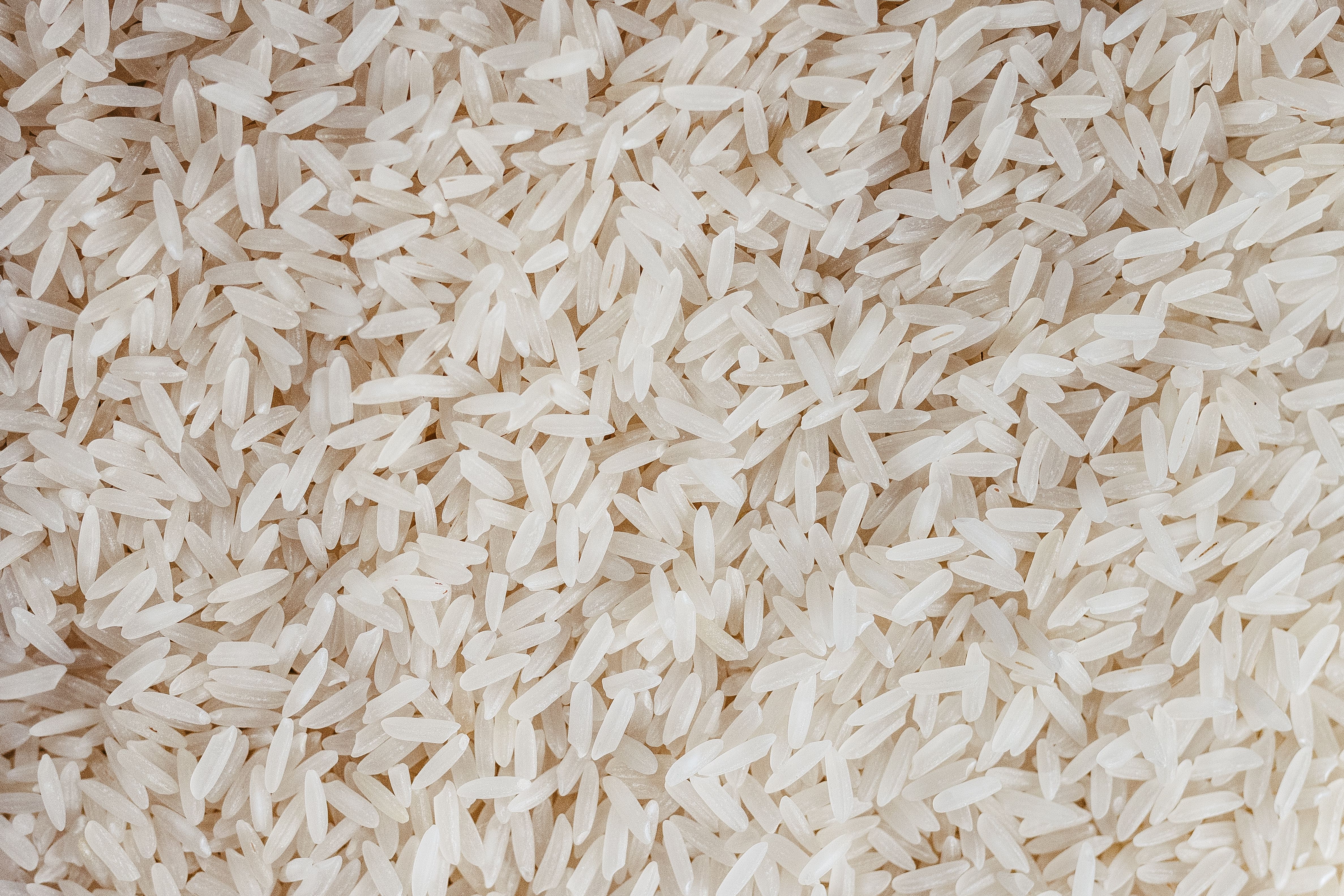
Rice is one of the clearest examples of true bulk savings in Canada. Small 900 g or 1 kg bags often carry a much higher price per 100 g than 4.5 kg, 8 kg, or even 18 kg sacks sold at major grocers, warehouse clubs, and South Asian or East Asian supermarkets. The difference is not trivial. It is common to see jasmine, basmati, or long-grain white rice priced far lower by weight in larger formats.
Packaging and handling explain part of the discount. A store spends less per kilogram stocking one large bag than several small ones, and suppliers save on packaging materials, labeling, and transport efficiency. Those savings are often passed to the shopper, especially on high-turnover staples. In immigrant communities across Canada, large rice bags are also a core household purchase, which keeps competition strong and prices sharper.
The catch is storage. Rice keeps best in a cool, dry place in sealed containers that protect against moisture and pantry pests. For households that eat rice weekly, larger bags usually make financial sense. For households that cook it only occasionally, the lower unit cost can be erased by waste if the grain goes stale or contaminated before it is used.
Dried Beans and Lentils
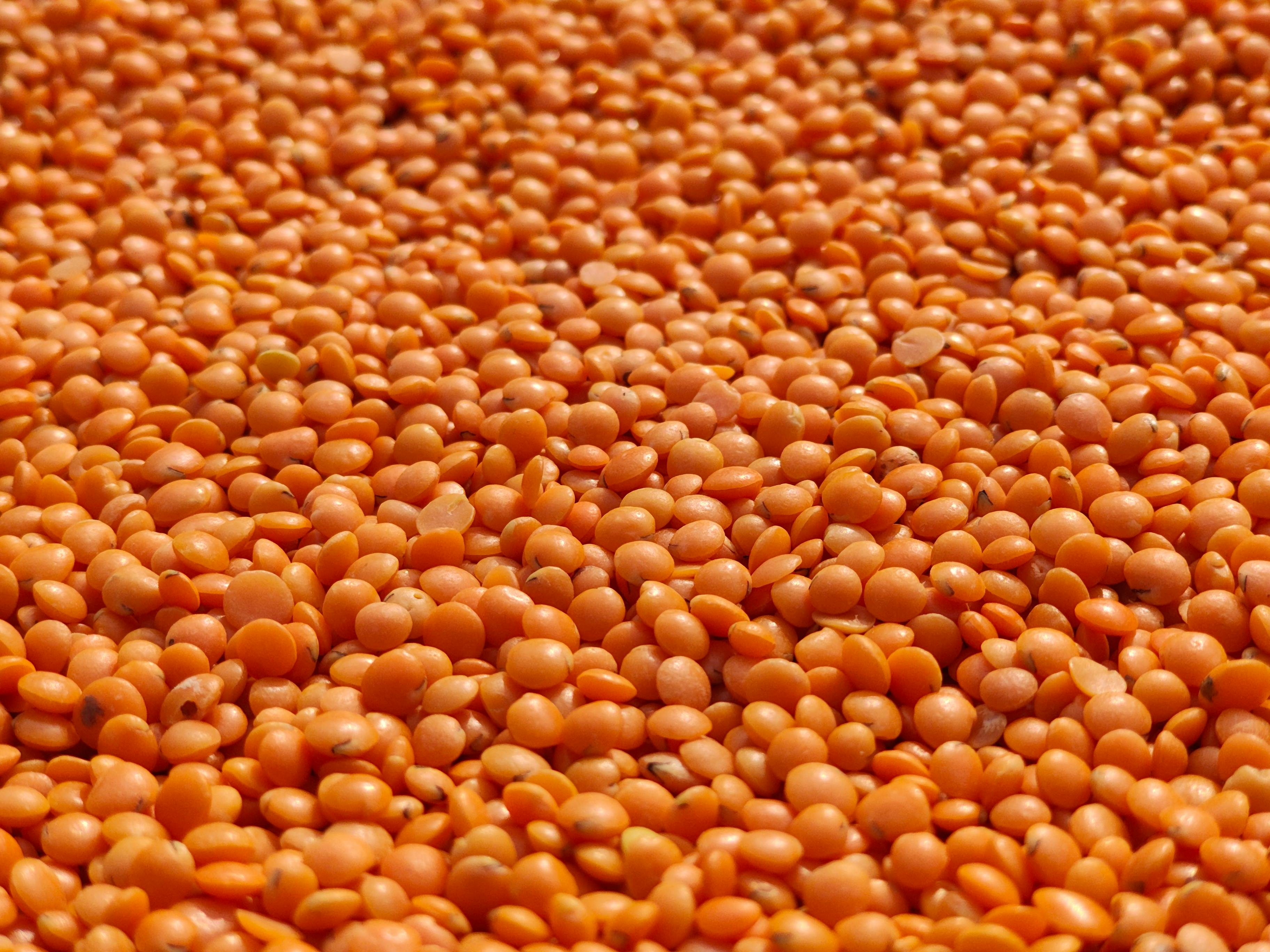
Dried beans and lentils reward patience, and they also reward scale. In Canada, a small bag of lentils, chickpeas, black beans, or kidney beans can look inexpensive at first glance, but the unit price often drops meaningfully when you move up to 2 kg, 4 kg, or larger bulk-pack formats. This is especially true at no-frills grocers, ethnic markets, and warehouse-style retailers.
These foods are already among the cheapest sources of protein on the shelf. Buying more at once pushes the value even further because dried pulses have a long shelf life when stored properly. They are less vulnerable than fresh produce to spoilage and can sit in a pantry for months without major quality loss. That makes them a safer bulk buy than many refrigerated foods.
There is also a cooking advantage. Households that batch-cook soups, curries, chilis, and stews can prepare large quantities at once and freeze portions for later. That lowers the effective cost per meal and reduces dependence on pricier convenience foods. In a period when meat prices remain volatile, bulk pulses are one of the smartest cost-control foods available to Canadian shoppers.
Oats

Oats are a quiet budget hero because they are cheap, filling, and usually cheaper in larger containers or bags. In Canada, quick oats, large-flake oats, and steel-cut oats often show a clear price break when bought in family-size formats rather than small cartons. Store brands tend to widen the gap even more, especially when compared with single-serve oatmeal packets.
The economics are straightforward. Single portions cost more because you are paying for extra packaging, flavoring, and marketing. A large bag of plain oats strips all that away and leaves a very low cost per serving. For families eating oatmeal several times a week, or using oats in muffins, smoothies, and baking, the savings can add up over a month.
Oats also store well, which makes them practical for buying ahead. Kept dry and sealed, they stay useful for long periods and can anchor low-cost breakfasts with fruit, yogurt, or peanut butter. Compared with many boxed breakfast cereals in Canada, bulk oats deliver better satiety and often a much lower price per bowl.
Pasta

Pasta is one of those grocery items where package size often tells the real story. A standard 454 g box can be reasonably priced, but larger multi-pack deals or bigger bags frequently lower the cost per 100 g. In Canada, this is especially noticeable during promotions at discount grocers and warehouse retailers, where shoppers can stock up on dry spaghetti, penne, or macaroni at sharp unit prices.
Manufacturers benefit from selling larger volumes with lower packaging costs, and retailers like products that move quickly with long shelf stability. That combination creates regular opportunities for consumers. Pasta also pairs easily with low-cost ingredients like canned tomatoes, beans, frozen vegetables, and ground meat bought on sale, stretching each purchase even further.
The best strategy is selective stockpiling. Buy larger quantities of plain, familiar shapes your household already uses rather than specialty pasta that may sit untouched. Dry pasta lasts a long time in the pantry, so it is one of the safer foods to buy in multiples when the unit price clearly drops. For busy families, it is also an easy backup meal.
Frozen Vegetables
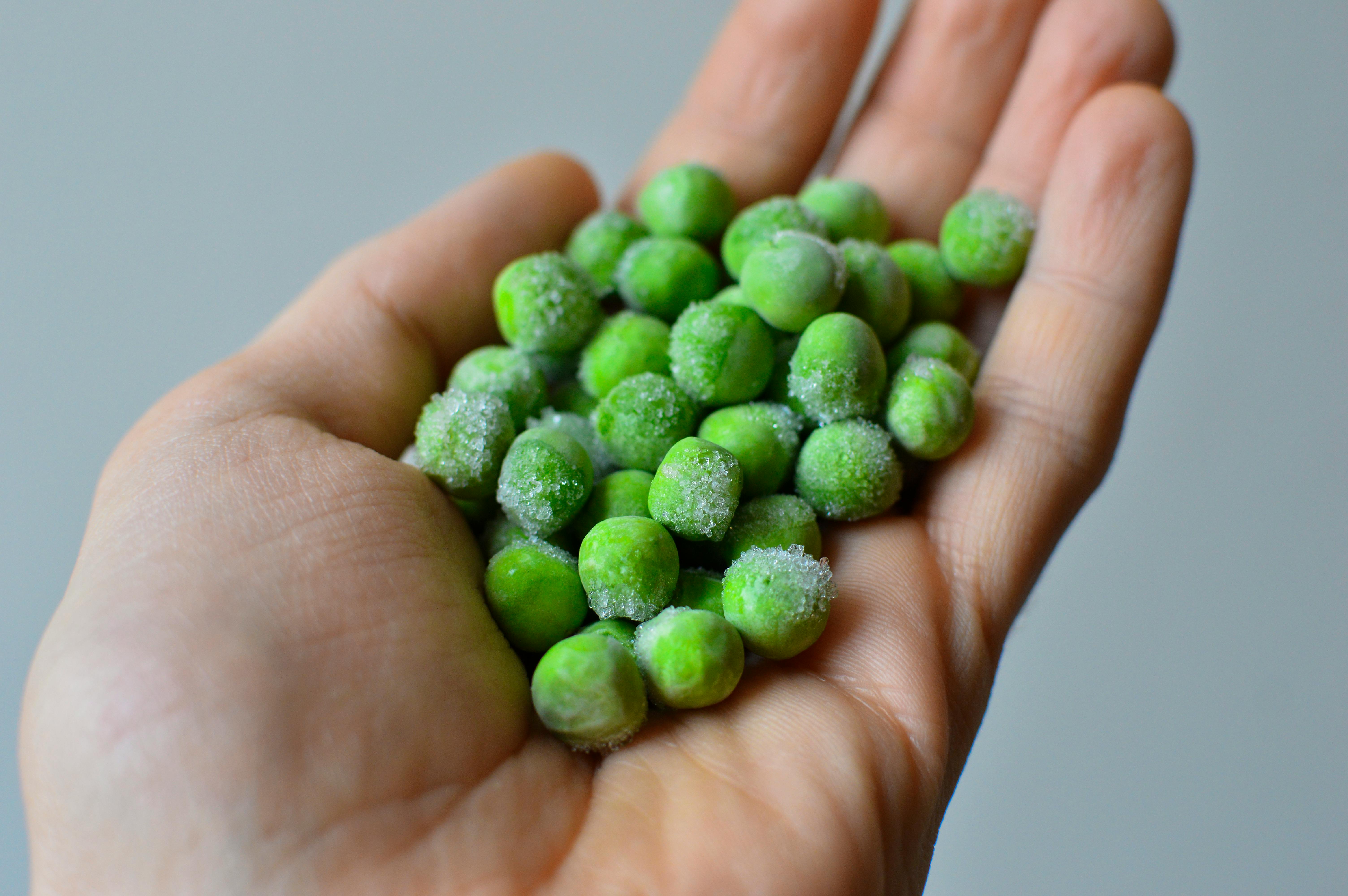
Frozen vegetables may not look like a bulk-buy category at first, but larger bags often offer a much better deal than smaller steamable pouches. In Canada, broccoli, peas, mixed vegetables, corn, and spinach frequently cost less per kilogram when bought in family-size freezer bags. That matters because fresh produce prices can swing sharply by season, region, and weather disruptions.
The value goes beyond sticker price. Frozen vegetables are processed close to harvest, and because they are already trimmed and portionable, they often produce less waste than fresh alternatives. A household can use only what it needs and return the rest to the freezer. That helps protect the lower unit price from being lost to spoilage in the crisper drawer.
Larger bags make the most sense for vegetables you use often. Peas for pasta, spinach for soups, and mixed vegetables for stir-fries are common examples. If freezer space is limited, bulk buying can be less practical. But for many Canadians, family-size frozen vegetables are one of the easiest ways to cut produce costs without sacrificing convenience.
Cheese Blocks
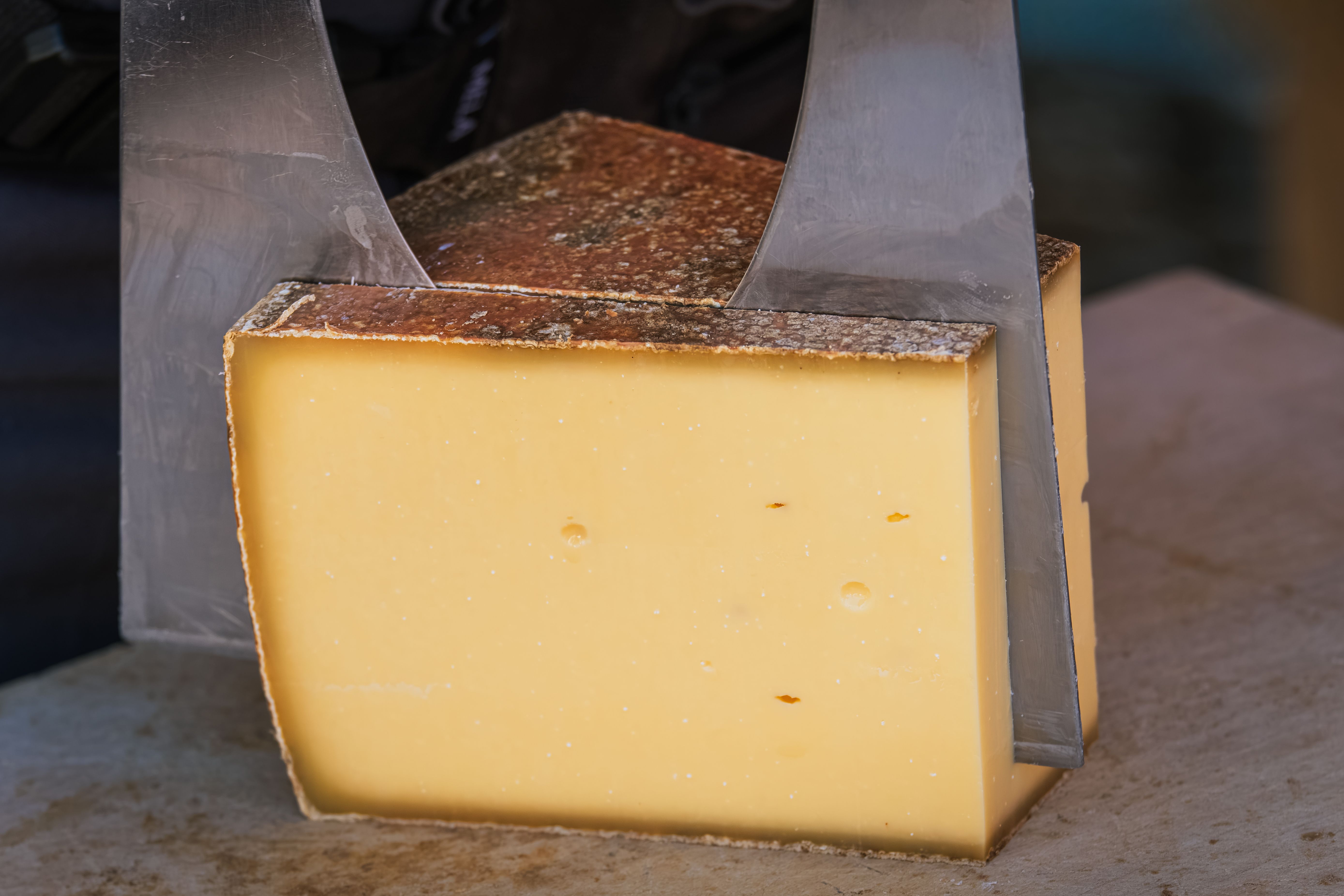
Cheese is expensive in Canada, but format matters. Large blocks of cheddar, mozzarella, and marble typically cost less per 100 g than pre-shredded bags or small snack portions. Even compared with smaller blocks, the larger format often wins on unit price. The savings reflect lower packaging costs and less processing, especially since shredded cheese includes anti-caking agents and extra handling.
This is one case where convenience carries a premium. Pre-shredded cheese saves a few minutes, but shoppers usually pay more for that time savings. A large block, by contrast, can be grated, sliced, or cubed at home depending on the meal. For families making sandwiches, casseroles, tacos, and pasta bakes, the cost difference becomes noticeable over repeated purchases.
Storage is the key issue. A large block should be wrapped well after opening to prevent drying or mold. Some households cut it into portions and freeze part of it for cooking use later. If your family goes through cheese steadily, buying the bigger block is often one of the most reliable dairy savings in the store.
Peanut Butter

Peanut butter is a classic pantry staple that usually rewards larger jars. In Canada, small jars are often disproportionately expensive, while 1 kg formats and twin packs tend to offer a lower cost per 100 g. This pricing pattern shows up across national brands and private labels, making peanut butter one of the easier products for shoppers to compare by unit price.
The product itself is well suited to buying bigger. It has a relatively long shelf life, serves multiple roles, and is eaten across age groups. It works in breakfasts, school lunches, sauces, baking, and snacks, which means many households use it consistently enough to finish a large jar before quality becomes an issue. That lowers the risk attached to buying more.
The only real caution is preference and ingredients. Natural peanut butter can separate, and some buyers may not enjoy the texture after storage. But from a value perspective, larger jars usually win. For families watching food budgets closely, peanut butter remains one of the cheapest calorie-dense, protein-containing foods that gets even more economical in bigger sizes.
Flour
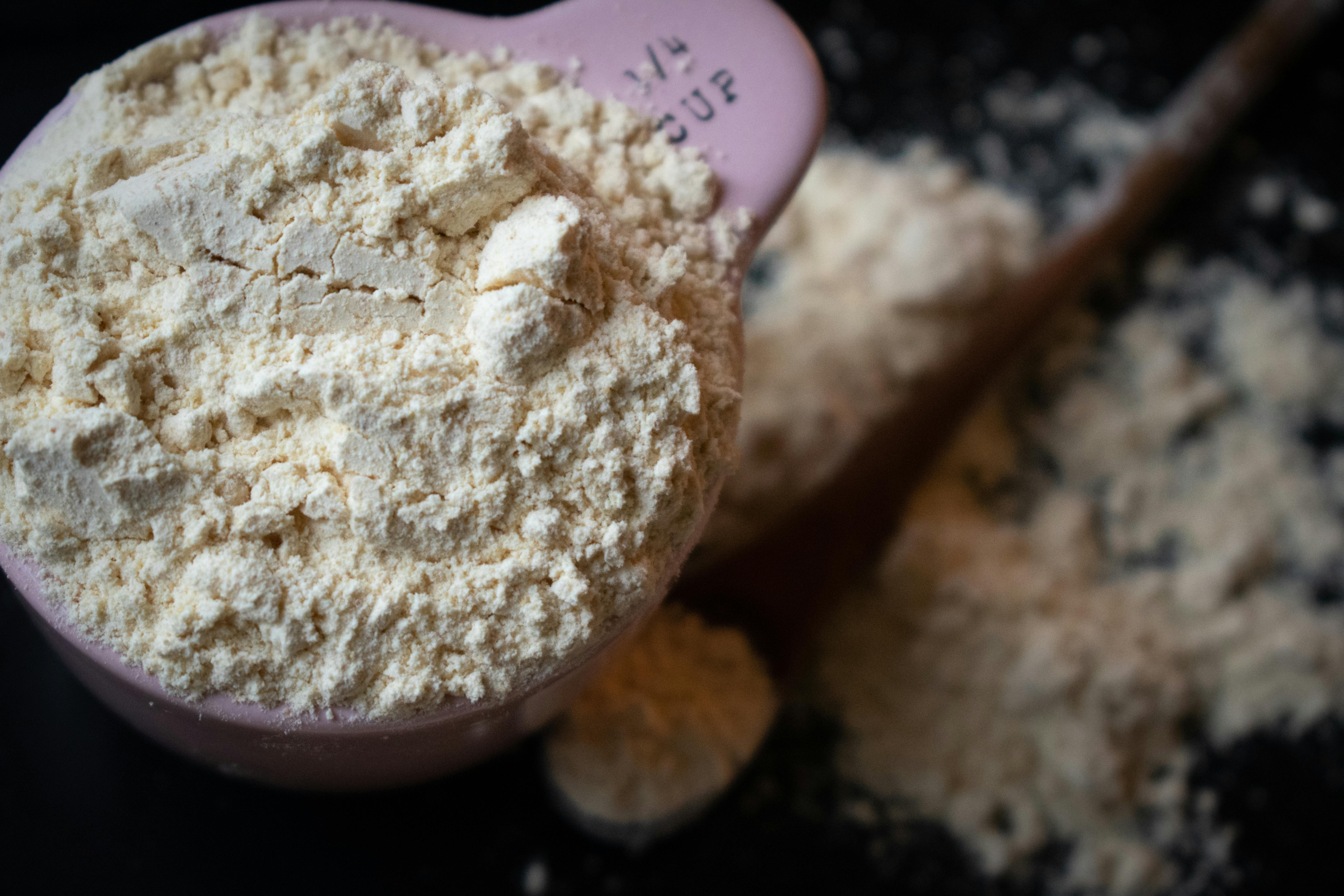
Flour is where serious home cooks often see bulk economics most clearly. In Canadian stores, a small 1 kg or 2.5 kg bag of all-purpose flour often costs much more per kilogram than 5 kg, 10 kg, or larger sacks. Bakers, large families, and anyone making bread, pancakes, muffins, or pizza dough regularly can save substantially by stepping up in size.
The reason is simple scale. Flour is a staple commodity with predictable demand, and large bags reduce packaging and distribution cost per kilogram. Retailers also use bigger sacks as value items to draw repeat traffic. During periods of high grocery inflation, flour has remained one of the categories where unit pricing still strongly favors larger purchases.
Still, flour is not invincible in storage. It needs a cool, dry place and protection from moisture and pests. Whole grain flours have a shorter shelf life because of their oil content, so bulk buying works best for white all-purpose flour or for households that bake frequently. Used wisely, a larger bag turns a basic ingredient into a long-term money saver.




Leave a Reply