
Most people can spot a brand-new snack right away. What is harder to notice is when an old favorite is changed so slowly that the new version simply becomes normal.
Coffee Crisp

Coffee Crisp has long occupied a distinctly Canadian lane: light wafers, coffee-flavored filling, and a milk chocolate coating that feels less dense than many rival bars. That balance is exactly why even minor recipe shifts are hard to detect. When a product is built on airy texture rather than a forceful flavor hit, subtle ingredient adjustments can hide in plain sight.
Over the years, Nestlé has modernized formulations across markets to align production, manage ingredient sourcing, and respond to changing standards around fats and labeling. Fans have occasionally noted differences in sweetness, chocolate snap, and the intensity of the coffee note. None of those shifts transformed the bar, but together they suggest the contemporary version is not a perfect replica of the one many Canadians remember from childhood.
Smarties
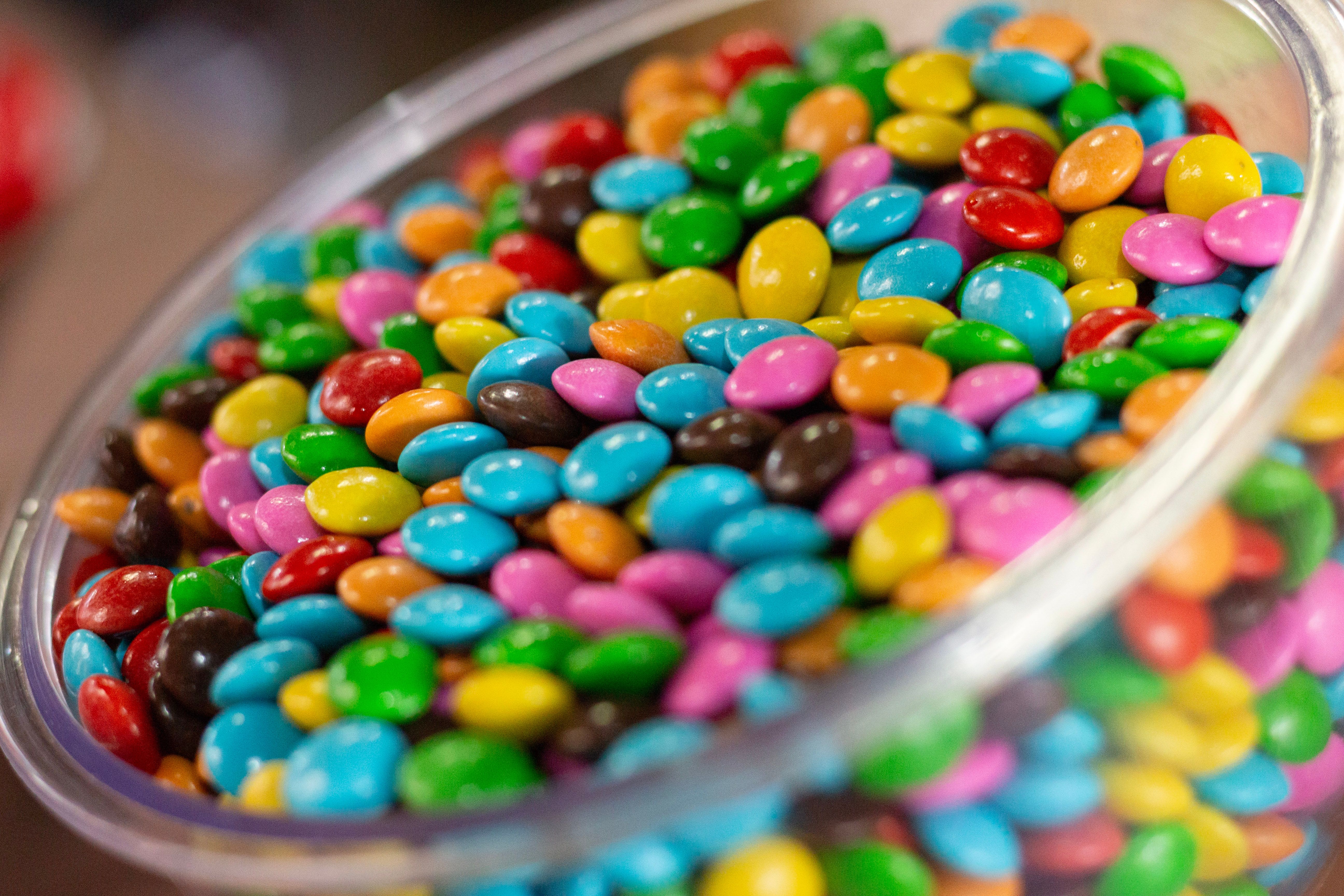
For generations, Canadian Smarties stood apart from the American product of the same name by being candy-coated chocolate rather than a pressed sugar tablet. That shell-and-center contrast has always been the point. Because the candy coating delivers the first crunch and visual appeal, small changes to the chocolate underneath are easier to miss.
Recipe adjustments have been especially likely during periods when companies remove or replace artificial colours, update allergen controls, or streamline ingredient decks. Those shifts can alter shell texture, colour intensity, and even the way sweetness lands on the tongue. Many consumers mostly notice that Smarties still look familiar in the box, while the finer details of taste and finish fade into the background.
Ritz Crackers

Ritz is one of those snacks people think they know perfectly until they compare an older memory with a current sleeve. The cracker still aims for buttery, flaky, lightly salty appeal, but that profile depends heavily on fats, flour treatment, and baking conditions. Change any one of those carefully and the product can edge toward sweeter, drier, or less rich.
North American packaged crackers have seen broad reformulations over the years, especially around trans fats and partially hydrogenated oils. When companies replace one fat system with another, texture is often the first casualty or benefit. Canadian shoppers may not have tracked every label change, but many legacy crackers, including Ritz, have quietly shifted in mouthfeel and aftertaste as ingredient standards changed.
Hickory Sticks

Hickory Sticks occupy a peculiar niche in the Canadian snack aisle because they combine crisp potato texture with a savory seasoning profile that leans smoky, oniony, and slightly sweet. Their thin shape also changes the eating experience. When the cut stays the same, recipe shifts in oil or seasoning do not always register immediately.
Chips and extruded potato snacks have undergone widespread oil transitions over the last few decades, particularly as the industry moved away from certain fats and optimized fry stability. Seasoning blends are also routinely recalibrated to account for ingredient costs and sodium targets. With Hickory Sticks, a slightly cleaner oil profile or a milder smoke note can feel normal after a handful, even if earlier versions packed more punch.
Maynards Wine Gums

Wine Gums are a classic example of a candy whose texture matters as much as flavor. Their appeal depends on chew resistance, surface tack, and a fruit profile that is more restrained than most modern gummies. Because people tend to eat them slowly, any single change can seem minor, especially if the candy still delivers that familiar dense bite.
Confectionery reformulations often follow shifts in starches, gel systems, flavour suppliers, and colour policies. For a brand like Maynards, changing one syrup or one setting agent can subtly affect firmness and release of flavour over time. Many Canadian consumers continued buying Wine Gums out of habit, even as some batches seemed softer, glossier, or sweeter than those sold years earlier.
Christie Peek Freans Digestive Biscuits
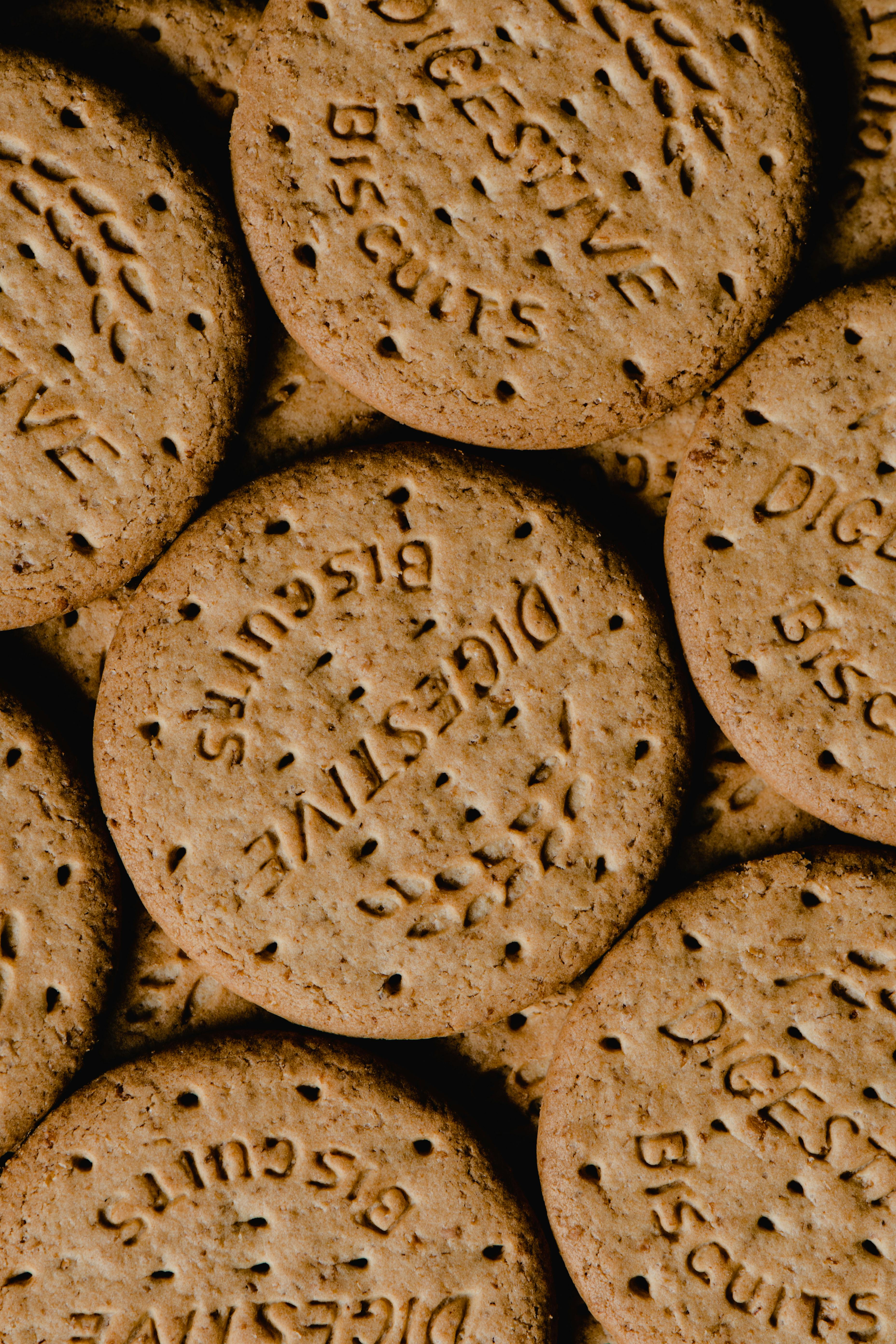
Digestive biscuits have always sold themselves on steadiness. They are plain in the best way, dependable with tea, moderately sweet, and built on grain flavor rather than excitement. That calm profile gives manufacturers cover to adjust flour blends, sweeteners, or fats because the product was never supposed to shout.
As baking companies modernized plants and adapted to nutrition expectations, many biscuit recipes across Canada became slightly more uniform and shelf-stable. That can mean less butter-like richness, a more standardized crumb, or a sweeter first impression. With Digestives, those changes tend to be interpreted as batch variation rather than reformulation, which is exactly why they pass unnoticed.
Jos Louis

Jos Louis is not subtle in concept: sponge cake, creamy filling, and chocolate coating. Yet even iconic snack cakes are remarkably easy to reformulate because they rely on industrial baking systems designed for consistency over long distribution periods. The cream can be altered, the cake moisture can be tuned, and the chocolate-style coating can shift without changing the product's unmistakable silhouette.
Canadian packaged cakes have had to respond to evolving rules on fats, preservatives, and labeling while also meeting cost and transport realities. In products like Jos Louis, this often leads to coatings that feel different on the fingers and fillings that taste sweeter or less dairy-rich. The emotional memory remains strong, but the recipe beneath that memory is rarely frozen in time.
Hawkins Cheezies

Hawkins Cheezies have one advantage in this conversation: their fans are fiercely loyal and often claim they can tell when anything changes. Even so, ingredient sourcing and factory processes can evolve in ways that preserve the broad identity while altering details. Corn meal character, oil freshness, and cheese seasoning sharpness all influence the final bite.
Unlike many highly standardized multinational snacks, Hawkins has maintained a strong old-school reputation, which may make any change seem unlikely. But even heritage brands must respond to supply chains, packaging technology, and shelf-life realities. If the current Cheezie tastes a touch less aggressive or slightly more even in texture than an older one, that would fit the pattern seen across the snack industry.
Lay's Ketchup Chips

Ketchup chips are one of Canada's defining snack flavors, but they are more technical than they seem. The ideal version balances tomato powder, sugar, vinegar tang, onion-garlic depth, salt, and bright colour without becoming harsh. Because the flavor is so bold, small internal changes can hide behind the overall impression of "still tastes like ketchup."
Seasoning suppliers regularly fine-tune these blends for colour retention, dust adhesion, and cost stability. Oils used for the chips themselves can also influence how the ketchup note blooms and lingers. Over time, many consumers have sensed that some ketchup chips became sweeter and less sharply vinegary, but not enough to break the category's hold on Canadian shoppers.
Caramilk

Caramilk's appeal rests on contrast: a milk chocolate shell giving way to flowing caramel compartments. That makes texture engineering central to the bar's success. As long as the caramel still moves and the chocolate still yields cleanly, manufacturers can alter sweetness, cocoa notes, and filling viscosity without sparking immediate alarm.
Bars with filled centers are especially sensitive to production upgrades because the shell and filling must behave consistently at scale. Changes in chocolate formulation, dairy inputs, or caramel cook parameters can produce a product that is smoother but less distinctive than older versions. For many Canadians, the mystery was once "how do they get the caramel inside," not whether the recipe itself had slowly moved on.




Leave a Reply