
Most shoppers think they are simply walking in for milk, bread, or dinner ingredients. In reality, many supermarket sections are built to quietly stretch your visit and increase the odds of an unplanned purchase.
The Produce Entrance
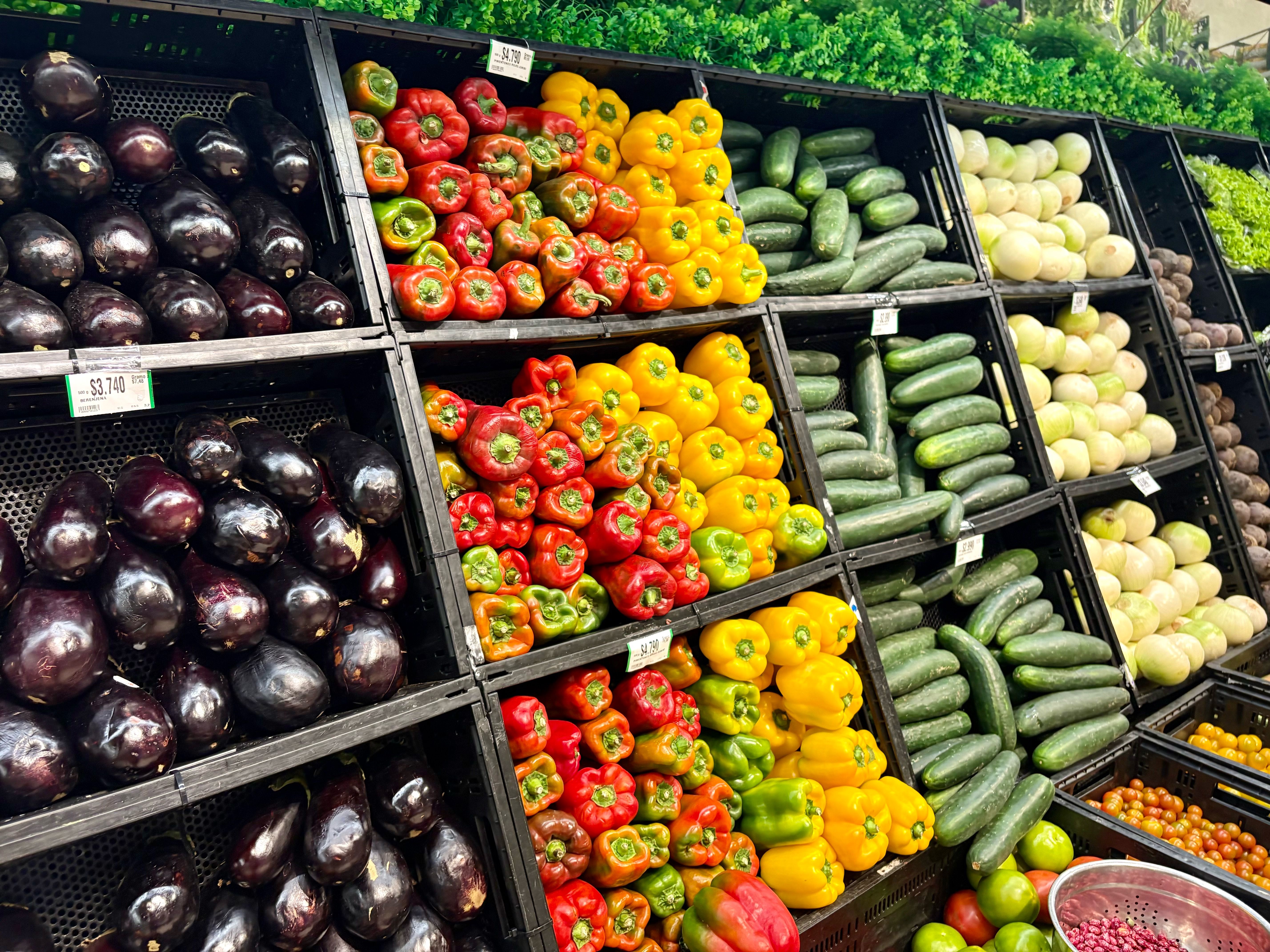
Fresh produce often greets you first because it creates an immediate impression of abundance, health, and quality. Retail designers know that bright greens, reds, and yellows signal freshness within seconds. That first visual cue helps shoppers feel they have entered a trustworthy store, which can lower price resistance across the rest of the trip.
This section also slows people because it invites browsing rather than quick selection. Loose apples, stacked peppers, misted lettuce, and hand-arranged displays require visual comparison and physical handling. Unlike grabbing a sealed box, produce encourages touching, weighing, and inspecting, which naturally reduces walking speed.
Many stores reinforce the effect with wider tables, angled bins, and curved display islands. Those shapes interrupt straight-line movement and create gentle detours. Some chains even use warmer lighting here because food researchers have long noted that lighting changes how fresh and appealing produce appears.
The Bakery and Prepared Foods Area

Few departments affect pace like the bakery because smell works faster than logic. The aroma of fresh bread, cookies, or rotisserie chicken can trigger hunger even when shoppers did not enter the store feeling hungry. Consumer behavior specialists have repeatedly found that scent can increase dwell time and raise impulse buying.
Prepared food counters also create natural bottlenecks. People pause to read labels, compare side dishes, study prices by weight, or wait for service. That waiting period exposes them to more products than they intended to consider, from specialty rolls to desserts and ready-made salads.
Placement matters too. Many stores position bakery or deli sections near the entrance perimeter, where scents can drift into nearby aisles. The result is a soft sensory slowdown. Instead of moving directly to staples, shoppers begin the trip in a more leisurely, appetite-driven state of mind.
The Floral Department
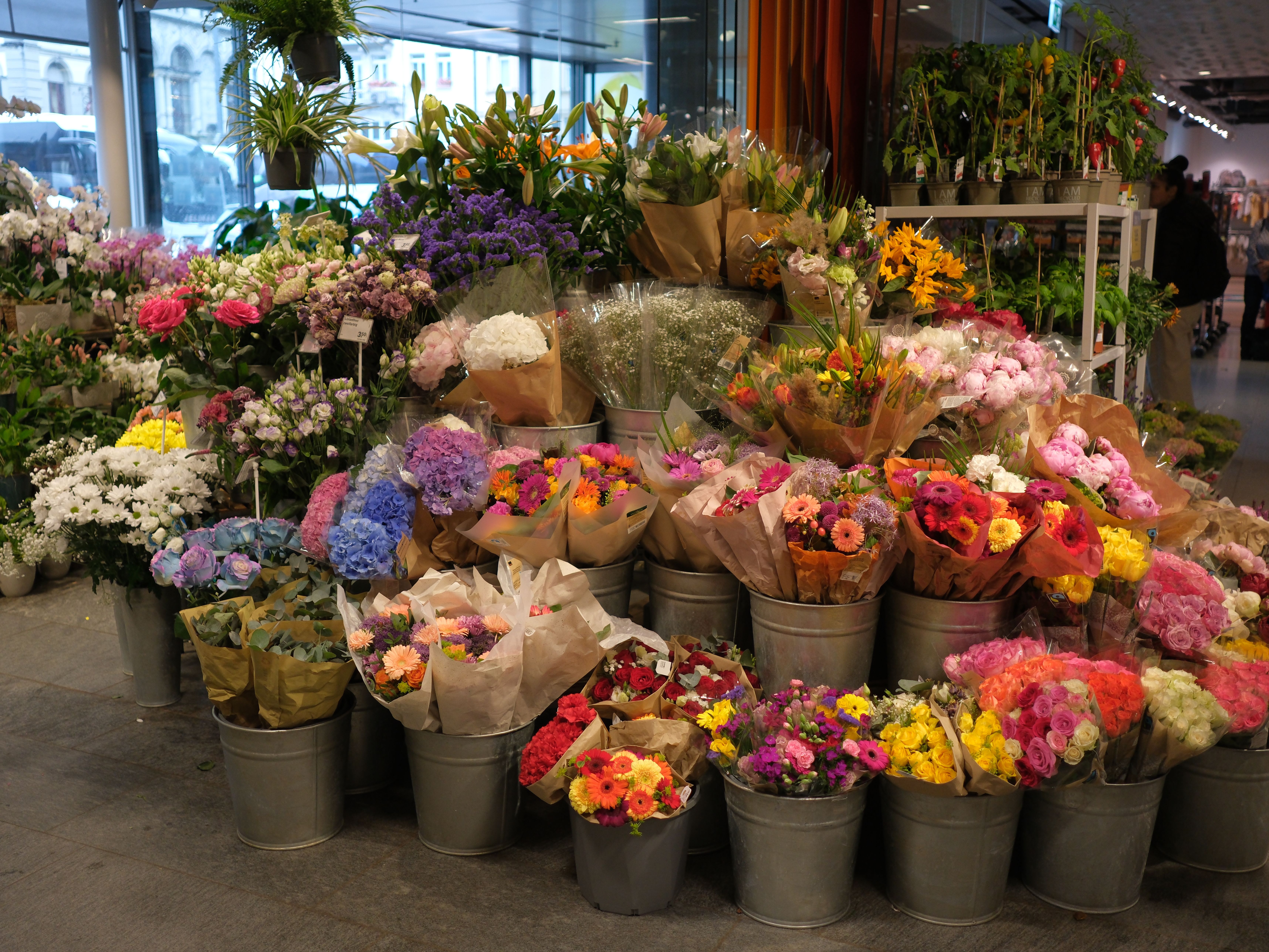
Flowers may seem unrelated to grocery essentials, but they are powerful pace-setters. A floral section delivers color, fragrance, and a boutique feel that changes the emotional temperature of the store. Research in retail psychology shows that pleasant sensory cues can improve mood and keep shoppers in the environment longer.
Floral displays also function like visual speed bumps. Buckets, tables, and seasonal arrangements break up open space and make people look around. Even shoppers with no intention of buying flowers often slow to notice holiday bouquets, potted herbs, or small gift items placed nearby.
Supermarkets also use flowers to signal care and freshness by association. If roses look crisp and well maintained, shoppers may unconsciously assume produce and perishables are handled with similar attention. That halo effect supports slower, more exploratory shopping throughout the store, not just in the floral zone.
The End Caps
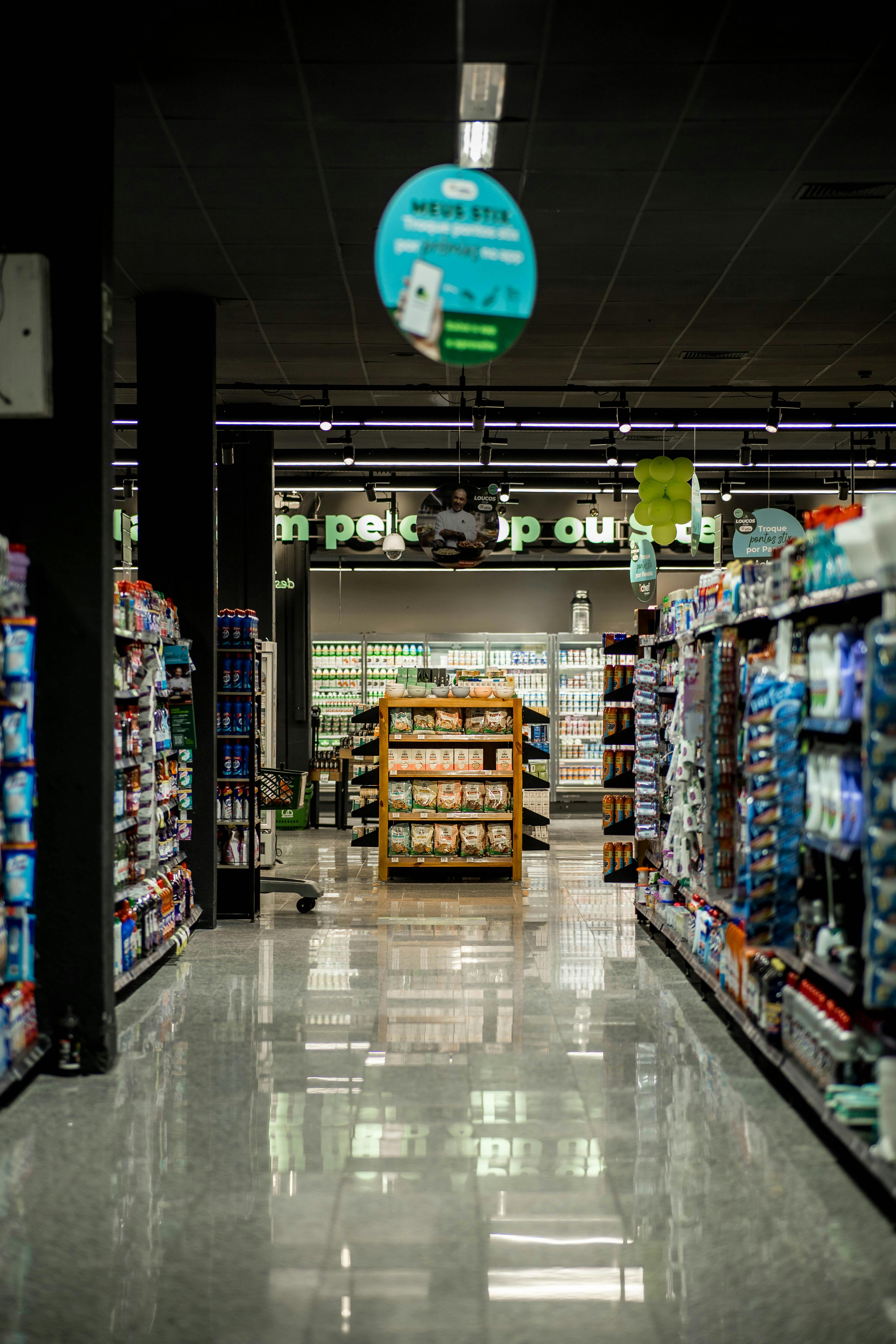
End caps, the displays at the ends of aisles, are among the most studied tools in grocery merchandising. They interrupt routine movement and force a visual decision point. Instead of continuing straight down a planned aisle, shoppers face a curated mini-showcase designed to earn a pause.
Manufacturers often pay premium fees for these spots because they convert attention into sales. Industry reports have long shown that products on end caps can see major lifts compared with standard shelf placement, especially when the display uses bright signs, seasonal themes, or bulk packaging.
These sections also create micro-congestion. Carts slow when one person stops to inspect a promotion, and others adjust around them. That tiny traffic jam may sound trivial, but multiplied across a store, it increases exposure to adjacent items and makes the entire shopping trip feel longer and fuller.
The Specialty Cheese and Charcuterie Case
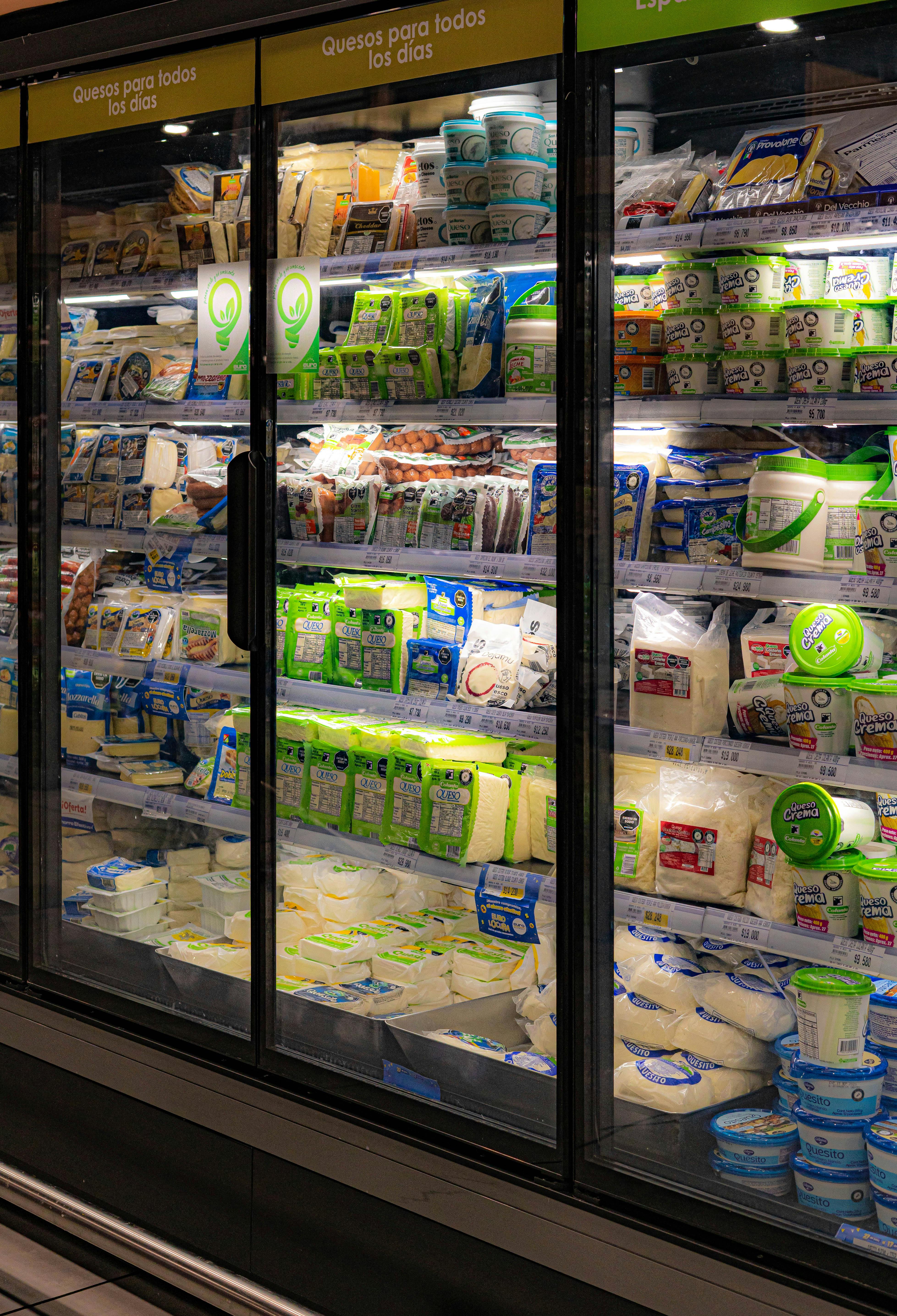
This department thrives on curiosity. Even shoppers who buy the same cheddar every week often pause when they see wedges with tasting notes, imported labels, or salami sliced to order. The section turns a basic food purchase into a browsing experience, which is exactly what many stores want.
Specialty cases slow movement because they demand reading and comparison. Shoppers examine origin, milk type, aging process, texture, and price per pound. Unlike grabbing a block of sandwich cheese, buying from this area often feels closer to shopping in a market stall than a supermarket aisle.
Retailers also place high-margin accompaniments nearby, such as crackers, olives, spreads, and wine-adjacent snacks where allowed. That adjacency is strategic. Once a customer pauses to imagine a cheese board or entertaining spread, the trip shifts from need-based shopping to aspirational shopping, which usually takes more time.
The Wine and Beverage Section
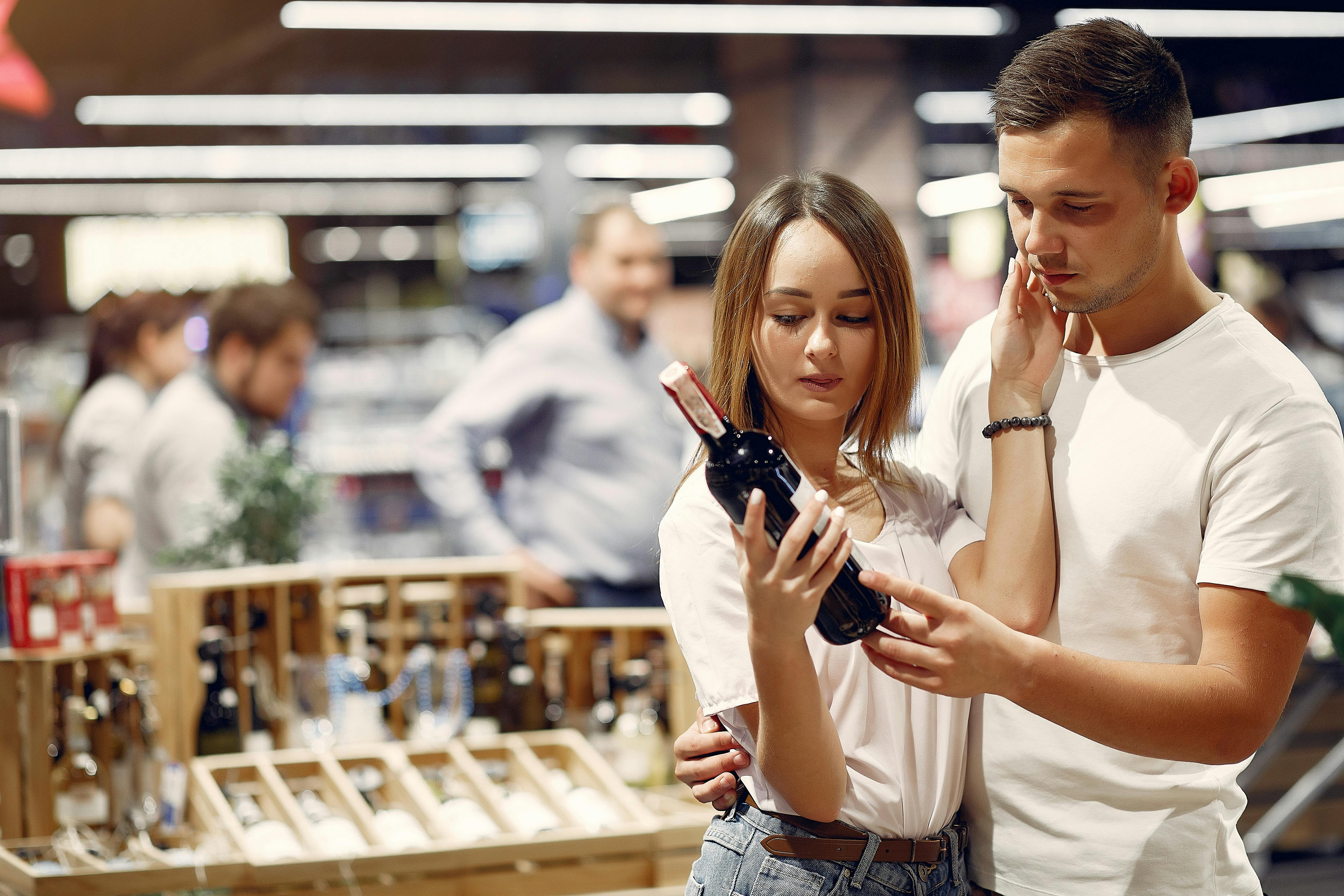
Beverage aisles are often intentionally expansive because variety itself slows people down. A wall of sparkling water, craft soda, juice, beer, or wine creates a comparison problem. Behavioral economists call this choice overload, and while it can frustrate some buyers, it also increases time spent evaluating options.
Wine sections are especially effective because labels carry stories, regions, grape names, ratings, and price signals. Many shoppers do not feel fully confident choosing wine, so they scan shelves longer, read tags more carefully, and sometimes seek staff recommendations. That uncertainty becomes extra dwell time.
Stores often support this with signage such as food-pairing suggestions, deal markers, and premium shelving. Those cues encourage browsing beyond the original mission. Someone who came for a basic bottle may leave with mixers, sparkling water, or snacks after spending several additional minutes in one of the slowest zones.
The Snack and Candy Aisles

These aisles are engineered for interruption. Chips, cookies, nuts, and candy come in intense colors, limited editions, and highly recognizable packaging that catches the eye even during a purposeful walk. Food marketers know novelty and brand familiarity together are a potent combination for stopping motion.
The snack aisle also presents easy mental trade-offs. Shoppers compare family size versus single serve, sweet versus salty, budget versus premium, or familiar versus new flavor. Because these decisions feel low risk, people give themselves permission to browse longer than they would in a more expensive category.
Placement at child eye level and adult hand level adds another layer. Parents slow down because children notice products quickly and ask for them. Meanwhile, adults are exposed to impulse triggers tied to convenience, comfort, and indulgence. That mix makes snack aisles a reliable slowdown zone in nearly every supermarket format.
The Seasonal Display Zone
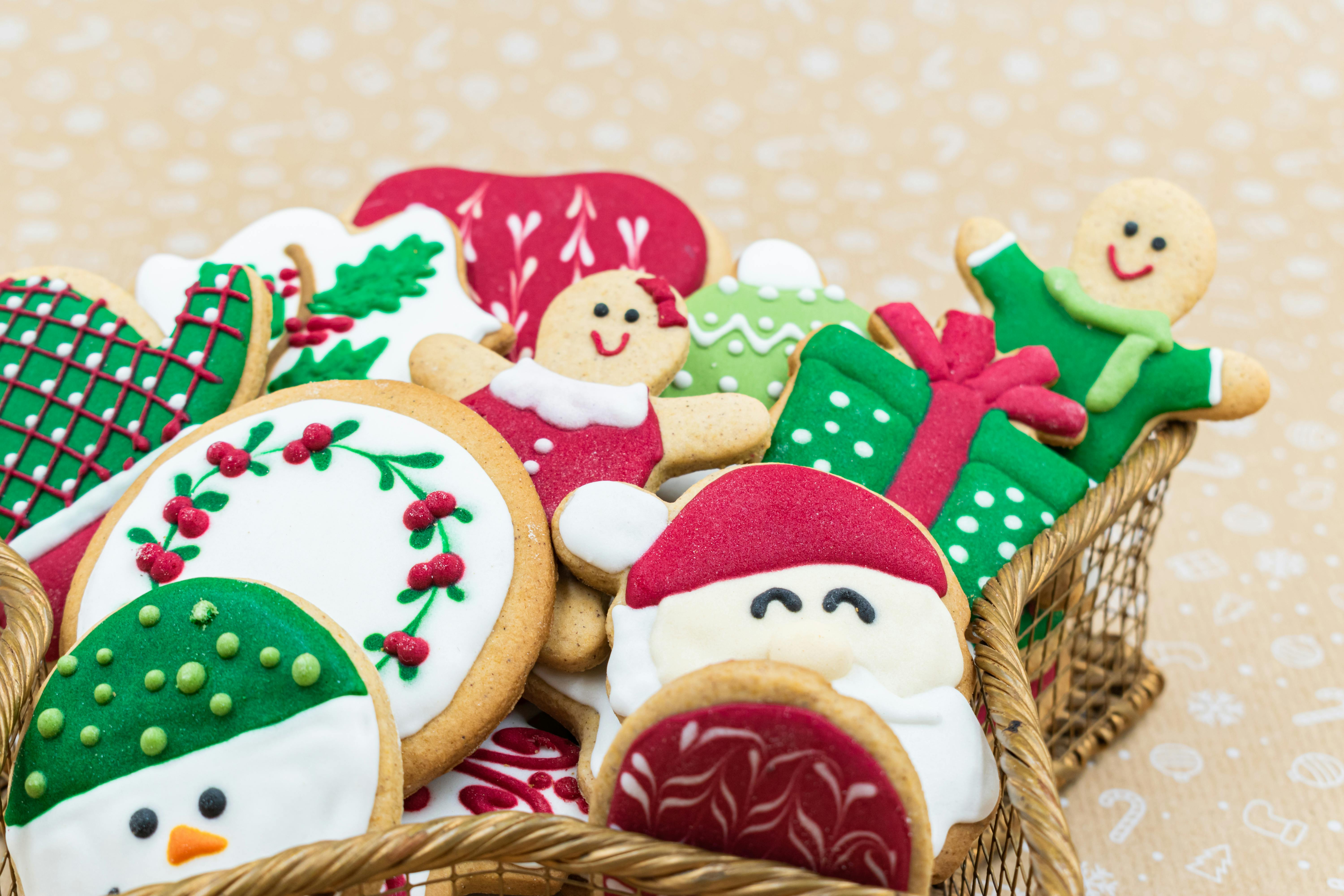
Seasonal merchandise is designed to break shopping autopilot. Whether it is Halloween candy, grilling supplies, holiday baking kits, or back-to-school snacks, these displays interrupt routine with urgency and novelty. Limited-time framing encourages the feeling that if you do not look now, you may miss out.
Retailers often place seasonal zones in high-traffic transition points, such as front aisles, crossways, or spaces between major departments. That location matters because it catches both planned and wandering shoppers. A person headed for frozen vegetables can still be pulled into browsing pumpkin mixes or party platters.
These displays also combine unrelated items into one themed story. Instead of one product decision, shoppers are invited to imagine an event, celebration, or weekend plan. That kind of mental simulation takes time, and it often expands baskets because people start buying for an occasion rather than a list.
The Checkout Queue
The final slowdown happens where shoppers can least avoid it. Checkout lanes are intentionally stocked with small, fast-decision items such as gum, mints, chocolate, batteries, magazines, and travel-size drinks. These products are not random. They are chosen because they sell well in moments of enforced waiting.
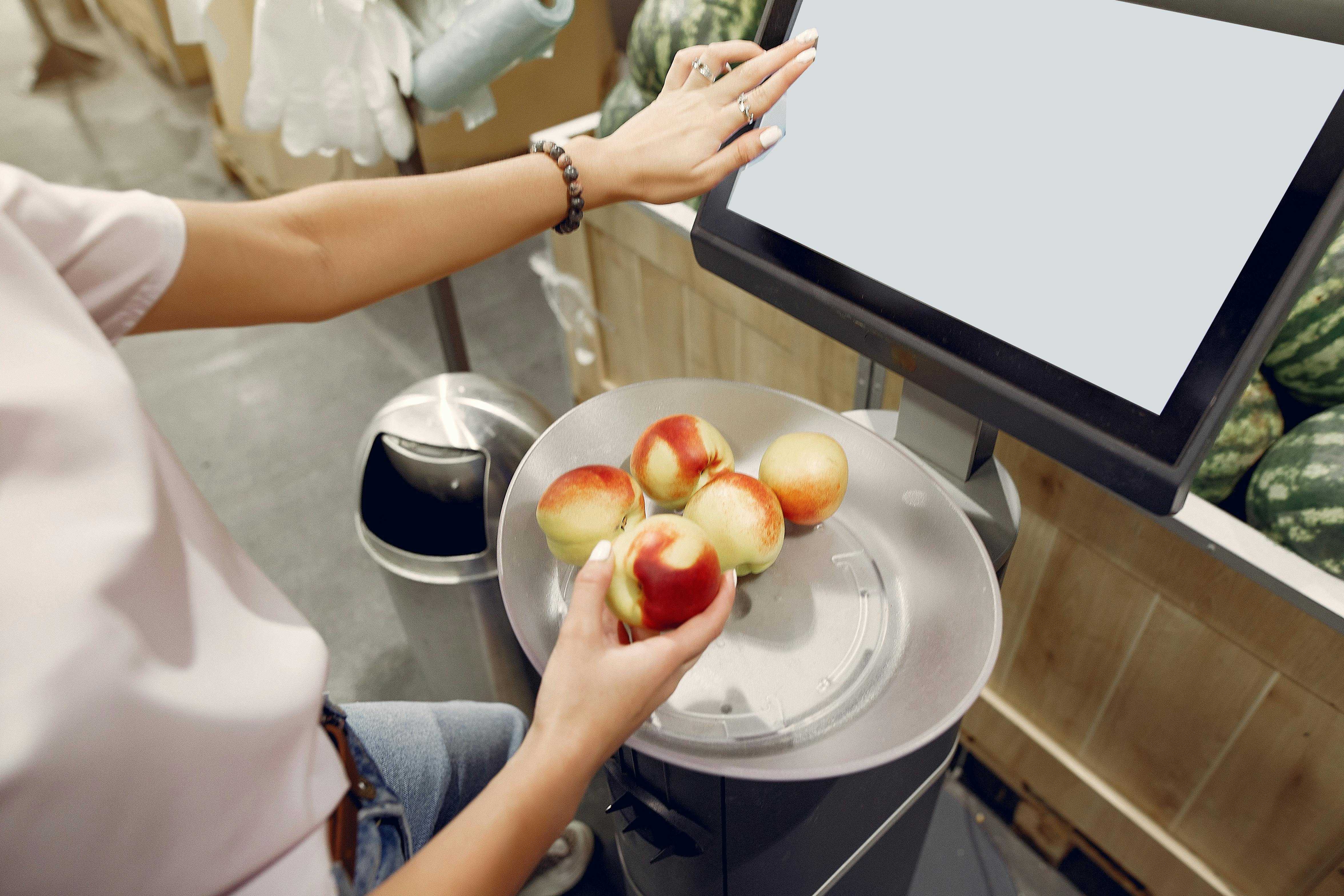
Queue design also affects behavior. Winding lanes, side racks, and narrow exit paths keep customers visually locked onto merchandise while they stand still. Even self-checkout areas increasingly use the same logic, with small displays and digital prompts that add one more chance to spend.
Researchers who study impulse buying often point to checkout as one of the most profitable pieces of store real estate by square foot. Fatigue plays a role too. After making dozens of decisions in one trip, shoppers become more vulnerable to easy yeses, which is exactly why the last section is built to linger.




Leave a Reply