
Bright cereal colors have long signaled fun. Now they also signal a broader shift in how food companies respond to health concerns and regulatory pressure.
Why Kellogg's US move matters now

What makes this announcement notable is not just the ingredient change, but the timing. Kellogg's decision to remove artificial colours from cereals sold in the United States reflects years of criticism from parents, health advocates, and some lawmakers who argued that brightly dyed foods deserved closer scrutiny.
The company is not acting in a vacuum. Consumer demand for simpler ingredient lists has steadily grown, and many large food makers have already reformulated snacks, drinks, and breakfast items to avoid synthetic dyes or replace them with plant-based alternatives.
That said, this is also a reputational story. When a household brand changes a legacy recipe, it signals that artificial colours are no longer viewed as a neutral, invisible additive, but as an ingredient that can shape trust, especially in products marketed to children.
Canada addressed this issue much earlier

The real surprise is that Canadian consumers have been living with a different version of many cereals for years. In Canada, manufacturers have often used natural colour sources or avoided certain artificial dyes in products that looked nearly identical to the U.S. versions sitting just across the border.
This did not happen by accident. Canada has historically maintained stricter expectations around some food ingredients and labeling practices, and companies selling into that market have adapted formulas to meet those standards and consumer preferences.
For shoppers, the result was simple but revealing. Two boxes with the same branding could contain different ingredient lists depending on which country they were sold in, exposing how multinational companies routinely tailor recipes to national rules rather than technical necessity alone.
The science and debate behind food dyes

At the center of the issue is an argument that has lasted for decades. Some studies and public health reviews have examined whether certain synthetic food dyes may contribute to behavioral issues, including hyperactivity, in a subset of children, though the evidence has often been described as mixed and complex.
Regulators have not always interpreted that evidence the same way. Health authorities in different countries have weighed risks, acceptable exposure levels, and real-world dietary patterns differently, producing rules that can seem inconsistent to families comparing labels internationally.
That gap matters because food policy is rarely shaped by science alone. It is also influenced by politics, industry lobbying, legal thresholds, and what governments consider a sufficient level of proof before requiring reformulation, warning labels, or outright restrictions on specific additives.
Why the same brand looks different across borders
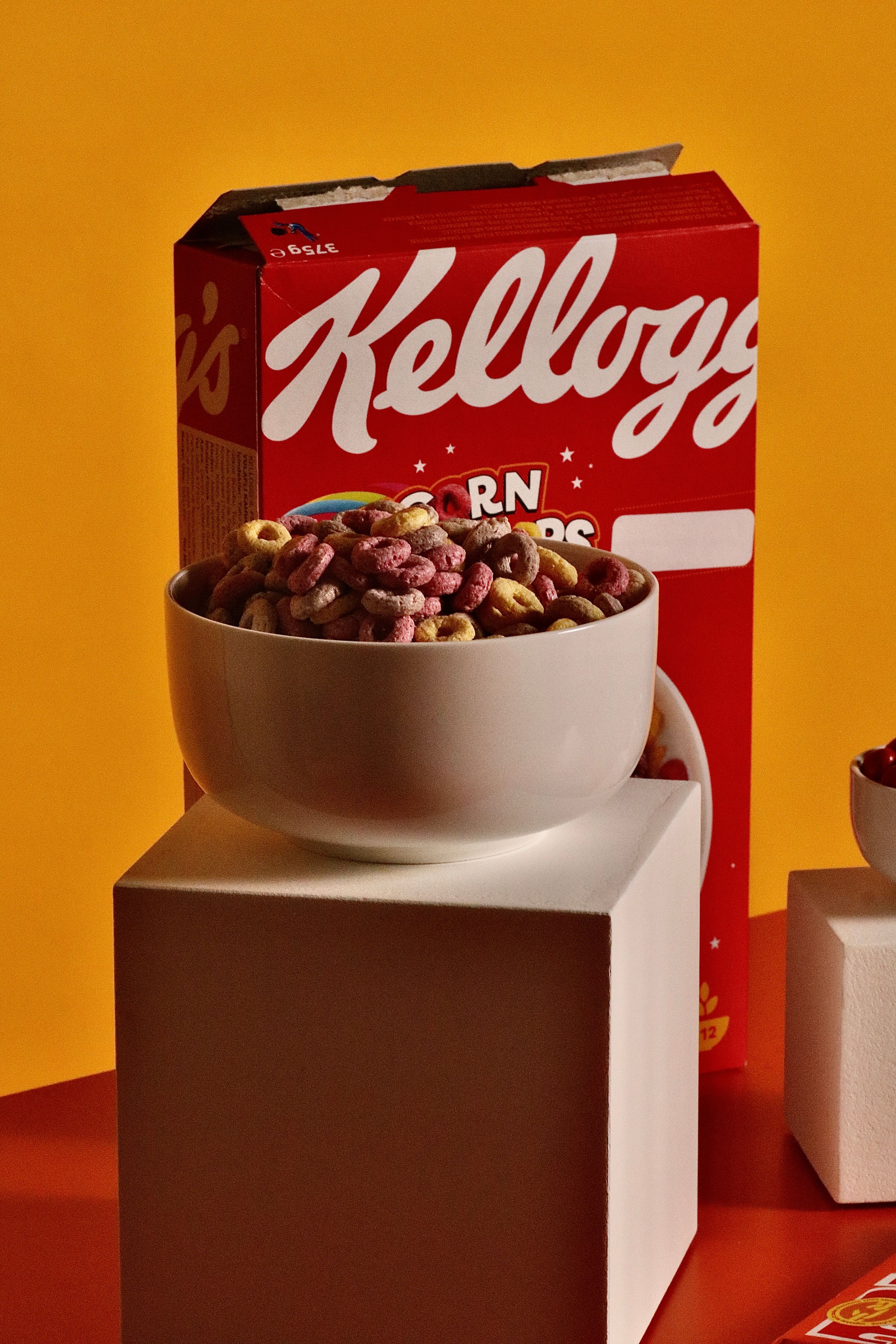
Here is the key business reality: global brands rarely sell one universal recipe. Companies customize products for taste preferences, ingredient costs, local regulations, and supply chains, which means a cereal sold in Toronto may differ subtly or significantly from the one sold in Chicago.
Artificial colours are especially easy to swap when a company believes the market expects it. Natural alternatives such as turmeric, beet juice, paprika extract, or annatto can deliver bright shades, though they may behave differently in processing or storage and can cost more.
That helps explain why ingredient changes often happen unevenly. Brands move fastest where regulation is strictest or where public attention is most intense, then later extend those changes elsewhere once supply systems, pricing, and marketing strategies are ready to support the shift.
What this means for families and shoppers

For parents, the practical takeaway is straightforward: labels matter more than branding. A familiar mascot or package design does not guarantee the same formula everywhere, and ingredient differences can exist even when products appear identical on store shelves.
This also shows why cross-border comparisons resonate so strongly. When families learn that a company already sells a version without artificial colours in Canada, they naturally ask why U.S. consumers had to wait if a workable alternative had already been proven in a neighboring market.
Still, ingredient changes should be viewed in context. Removing synthetic dyes may satisfy consumer concerns, but it does not automatically make sugary cereal a health food, and nutrition experts continue to emphasize total sugar, fiber, and overall dietary patterns.
A bigger shift in the food industry
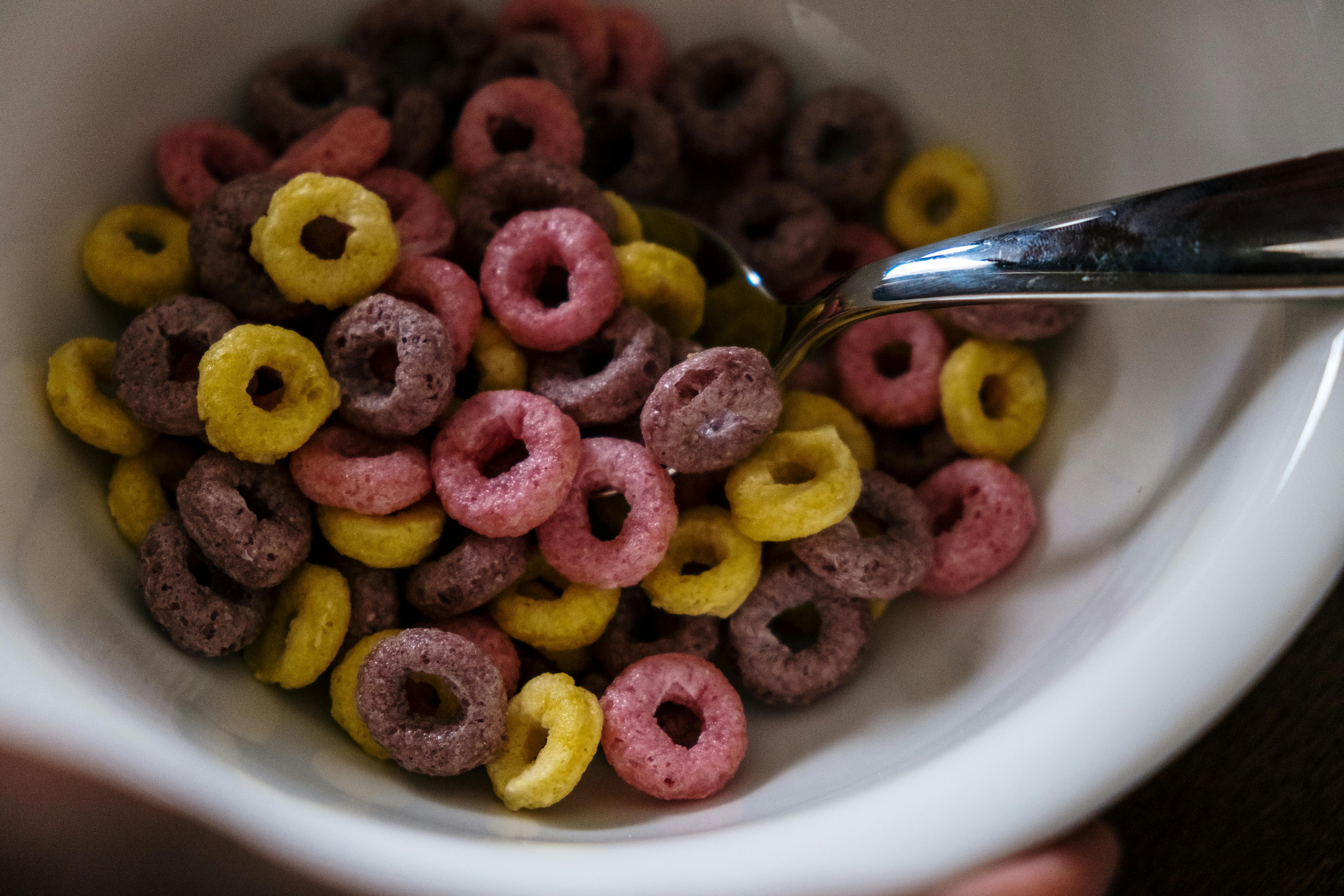
Step back, and this is about more than cereal. Kellogg's move fits a wider pattern in packaged food, where companies are under pressure to clean up ingredient lists, reduce controversy, and align products with a public that increasingly expects transparency.
It also underscores an awkward truth about modern food manufacturing. Reformulation often happens not when science suddenly changes, but when commercial pressure makes inaction harder to defend than adaptation, particularly when another country already demonstrates that a different recipe is viable.
In that sense, Canada's head start matters. It serves as a case study in how regulation and consumer expectation can move the market first, while larger companies eventually follow with broader changes once the business case becomes impossible to ignore.




Leave a Reply