
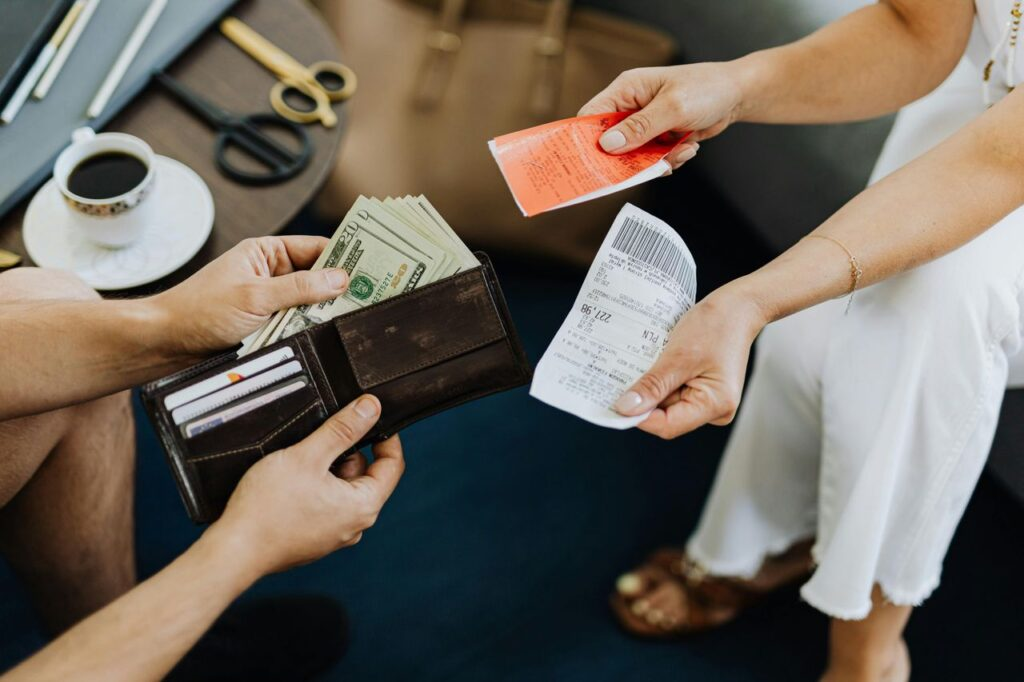
For a week, I treated 25% as the floor, not the exception. What changed was not just my bill, but my view of how restaurants really run.
Why I Tried It in the First Place
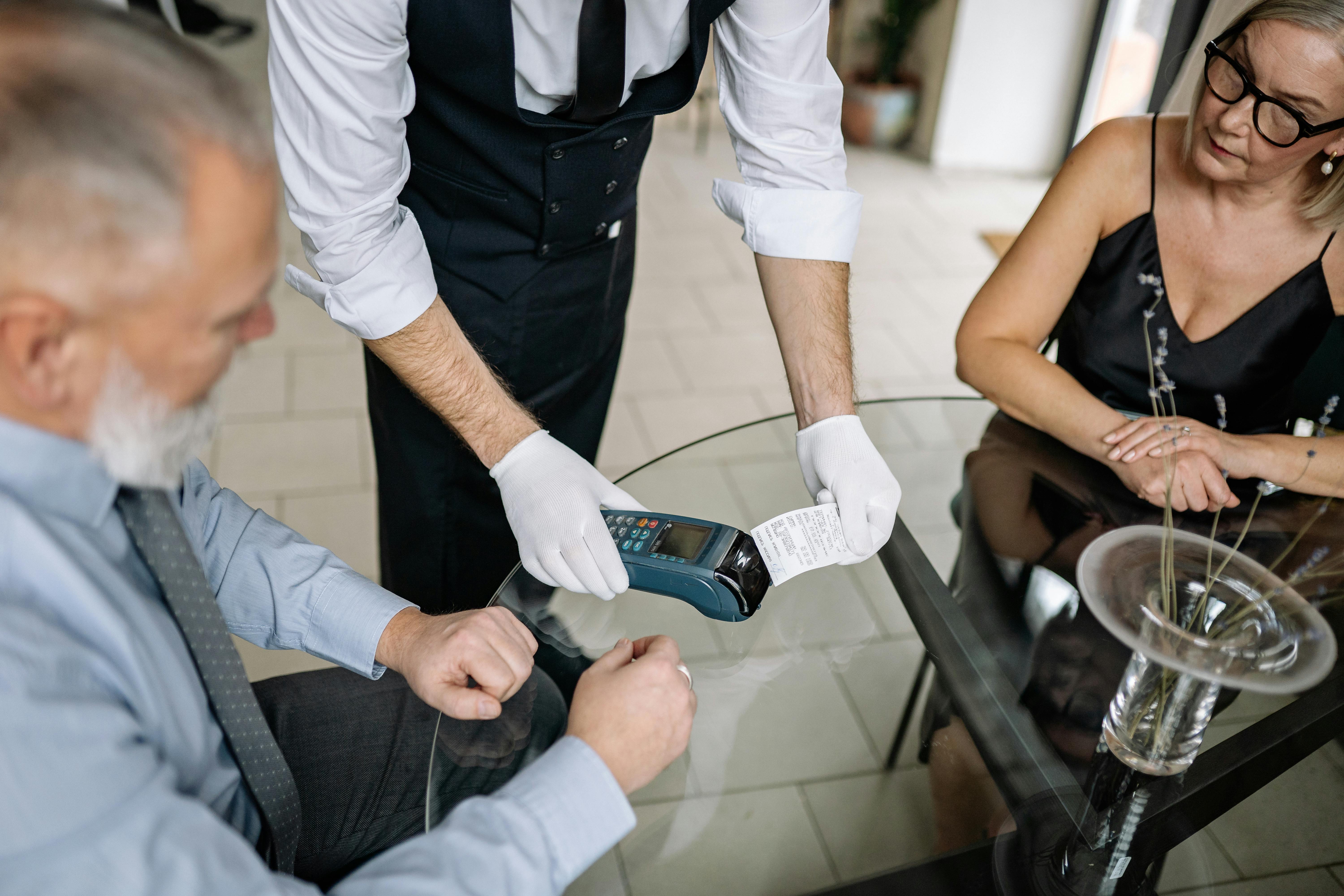
Tipping has become one of the most emotionally charged parts of dining out. Many customers feel they are being asked to subsidize wages, while many workers depend on tips to make a shift financially worthwhile. In the United States, that tension is not abstract. Federal tipped minimum wage rules still allow employers in many cases to pay far below the standard minimum wage, with tips expected to close the gap.
That reality made the experiment worth doing. I wanted to see what happened if I removed the usual internal debate over whether service was "good enough" for 18%, 20%, or something lower. By setting every restaurant tip at 25%, I could focus on actual outcomes instead of split-second judgment calls made at the payment screen.
I also wanted to test a common assumption: that higher tips reliably produce better service. Behavioral research has long suggested the relationship is weaker than diners think. Studies often find that tip size is influenced more by habit, mood, social pressure, and bill size than by precise service quality. A week of real meals seemed like a practical way to see that gap up close.
What the Week Actually Cost Me
The first surprise was how quickly the math became visible. On a $16 breakfast, the difference between a 20% tip and a 25% tip is only 80 cents. On a $78 dinner for two, it becomes $3.90. Across several meals, coffees, and one takeout order where I tipped anyway, the added amount accumulated without feeling dramatic in any single moment.
Over seven days, I ate at a mix of places: a neighborhood diner, a lunch counter, two casual chain restaurants, a family-owned Mexican restaurant, a higher-end bistro, and a busy brunch spot. Had I tipped my usual 20%, my total gratuity would have been about $61. At 25%, it came to roughly $76. The experiment cost me about $15 extra for the week.
That figure matters because it reframes the conversation. For a middle-income diner, an added $15 over a week of multiple restaurant visits may feel manageable, though certainly not trivial. For someone dining out less often or watching every dollar, even a few extra dollars per meal can be the difference between eating out and staying home. Generosity is easier to endorse in theory than to sustain as a budget line.
How Servers Reacted and What I Noticed

Here is the honest answer: most servers did not visibly react at all. In restaurants where I paid by card on a handheld screen or signed a receipt after the meal, many probably did not see the exact tip until later. The idea that a large gratuity creates an instant, cinematic moment of gratitude turned out to be mostly false in routine service settings.
Still, there were a few clear exceptions. At the diner, a server who noticed the tip before I left thanked me warmly and said, "You made my morning." At the bistro, the staff member handling payment made eye contact, paused, and gave the kind of sincere appreciation that suggested 25% was noticeable, if not rare. Small comments like those revealed something important: meaningful tips often register most when the shift is busy, margins are thin, and workers are stretched.
What I did not notice was any sudden upgrade in treatment during the meal itself. Water refills arrived when they arrived. Food came out on the kitchen's timeline. Mistakes were handled about the same way they usually are. In practice, restaurant service is a team system shaped by staffing levels, training, management, and kitchen speed, not just by one diner's future tip percentage.
The Bigger Lesson About Service and Incentives
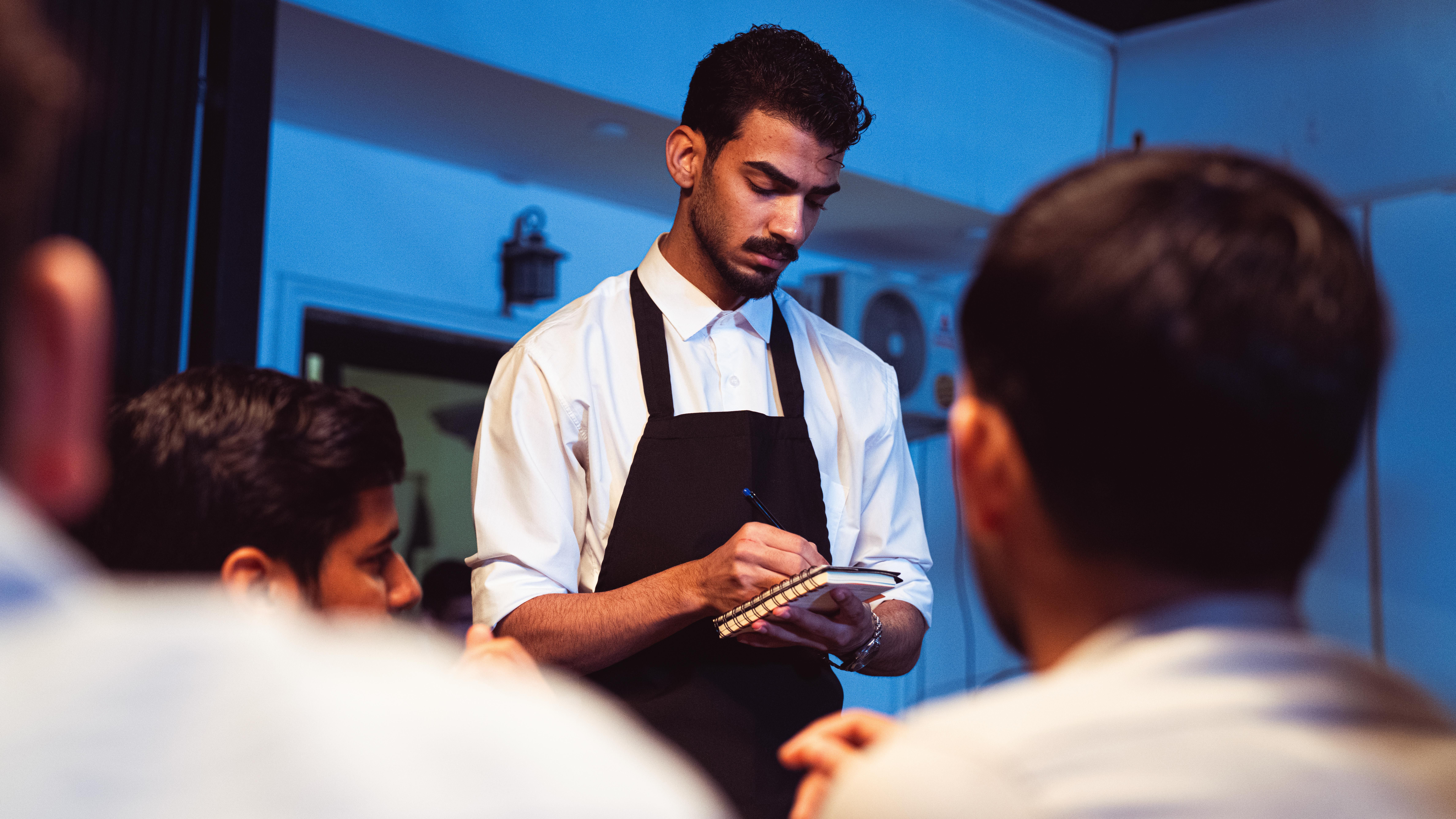
One easy misunderstanding about tipping is that it works like a precision reward mechanism. In reality, the timing is off. At most full-service restaurants, the tip comes after the service has already been delivered. That limits its power as a motivator in the moment, especially when servers are juggling multiple tables, runners, bar tickets, and point-of-sale delays outside their control.
Economists and labor experts have pointed out for years that tipping is a blunt tool. It can reward friendliness, but it can also magnify bias. Research has shown that factors unrelated to service, including gender, age, appearance, race, and customer mood, can influence gratuities. That means tips do not always track performance fairly, even though workers often rely on them as income.
My week reinforced that view. The 25% tip changed my mindset more than it changed the restaurants. It made me more attentive to how many people contribute to a meal I casually consume in an hour: hosts, bussers, cooks, dishwashers, bartenders, and servers. In many restaurants, servers tip out support staff from their gratuities, so what looks like extra money for one person may already be partially spoken for.
When 25% Felt Right and When It Felt Complicated

Some meals made 25% feel unquestionably appropriate. At the family-owned restaurant, the server managed a packed room with calm efficiency, remembered a substitution, timed everything well, and checked back without hovering. At brunch, where the dining room was loud and turnover relentless, the staff kept the line moving with impressive coordination. In those moments, 25% felt less like excess and more like recognition.
But the experiment also raised harder questions. What about mediocre service caused by understaffing rather than indifference? What about restaurants that add service charges, wellness fees, or automatic gratuity for larger parties? Consumers are being asked to interpret a growing number of charges, and many do so without confidence. A higher tip can feel generous, but it can also feel like patchwork in a pricing system that is no longer transparent.
That tension is why tipping debates remain so unresolved. Many diners dislike the ambiguity, while many workers fear any move away from tipping could reduce earnings. In several major cities and restaurant groups, service-included models have been tested with mixed results. Some operators reversed course after customer resistance or staff pushback, showing just how deeply embedded tipping remains in restaurant culture.
What I'd Do Now and What Diners Can Take From It
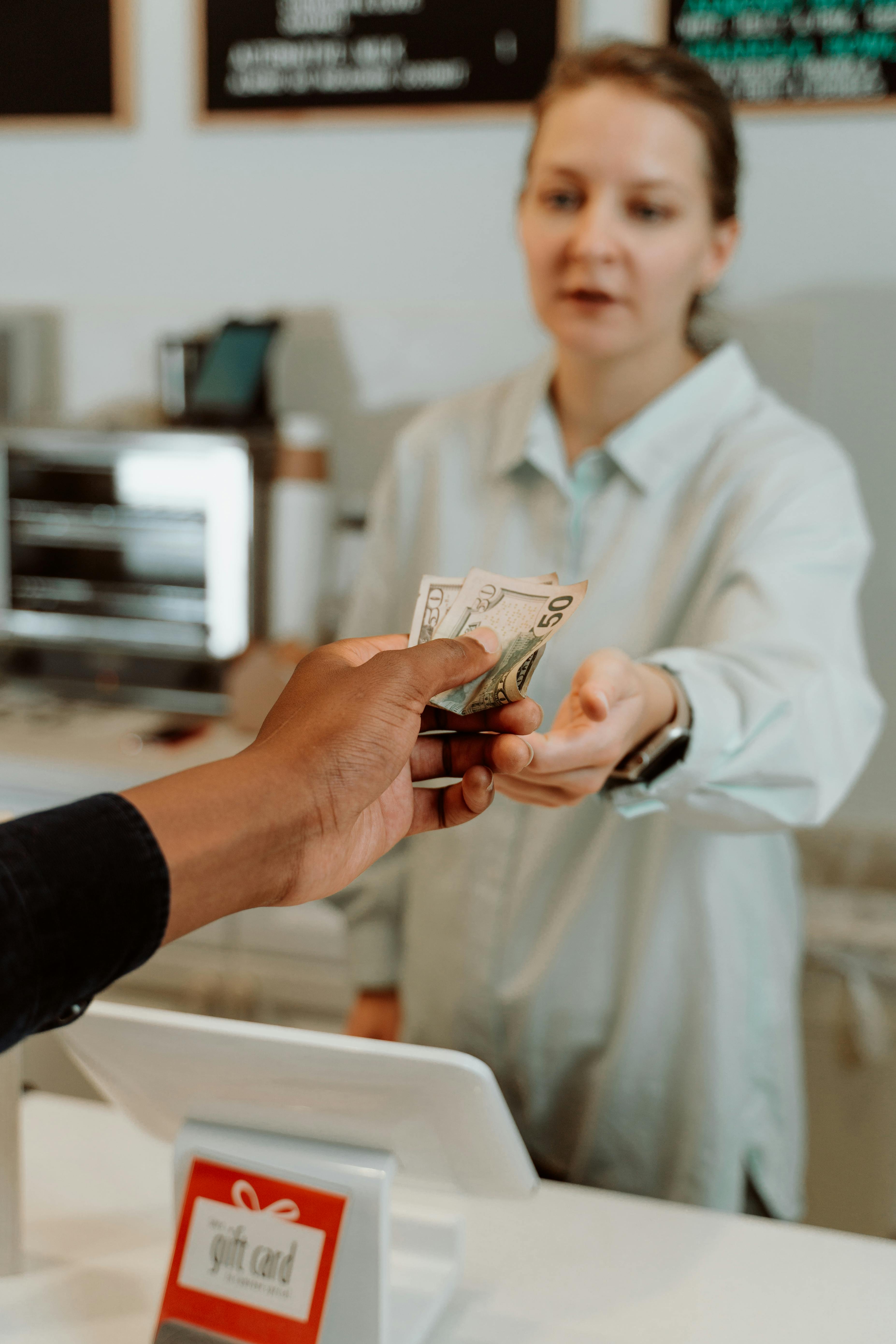
After a week of tipping 25%, I did not come away believing everyone should adopt it universally. That would ignore real differences in income, city prices, and how often people dine out. What I did conclude is that if you can afford restaurant meals comfortably, your tip is one of the clearest ways to reflect the true labor behind the experience, especially in full-service settings.
I also became more skeptical of using the tip line as a moral scoreboard for tiny service imperfections. A slow appetizer may reflect the kitchen. A delayed check may reflect a packed section. A distracted server may be covering for an absent coworker. None of that means standards do not matter, but it does mean diners often judge visible labor while missing the structural pressures underneath it.
The practical takeaway is simple. If 25% fits your budget, it is meaningful and appreciated. If it does not, consistency and awareness still matter. The week taught me that tipping more did not buy superior treatment. It simply made me participate more honestly in the economics of dining out, and that may be the most revealing result of all.




Leave a Reply