One inexpensive freezer staple is doing a surprising amount of work in home kitchens. As grocery prices stay unpredictable, many households are learning how to turn one bag of frozen vegetables into several filling, balanced meals.
Why frozen vegetables have become a budget strategy
What looks like a simple side dish has become a quiet budgeting tool. Frozen mixed vegetables, broccoli, peas, spinach, and stir-fry blends are often cheaper per usable serving than many fresh options because there is almost no waste. People are paying for food they will actually eat, not for stalks, peels, or produce that spoils in the crisper drawer before the week is over.
That math matters when household budgets are tight. The U.S. Department of Agriculture has long noted that frozen produce can support healthy eating patterns at a lower cost, especially when compared with fresh vegetables that are out of season. A 12- to 16-ounce bag may not sound like much, but when it is divided across soups, egg dishes, pasta, rice, and casseroles, it becomes less of a side and more of an ingredient base.
Another reason frozen vegetables go further is convenience. Because they are already washed, chopped, and ready to cook, people are far more likely to use every bit. There is no prep barrier after work, no guilt over a half-used bunch of celery, and no need to rush to use them before they soften. That ease reduces food waste, which is one of the biggest hidden drivers of high grocery spending.
Nutrition is part of the appeal as well. According to food scientists and dietitians, frozen vegetables are often processed close to harvest, which helps preserve vitamins and texture. While some consumers still assume fresh is always superior, many frozen vegetables compare well nutritionally. For families trying to keep meals colorful and balanced without overspending, that makes a single bag feel like insurance: affordable, dependable, and ready when the meal plan falls apart.
The meal-stretching methods people use most often
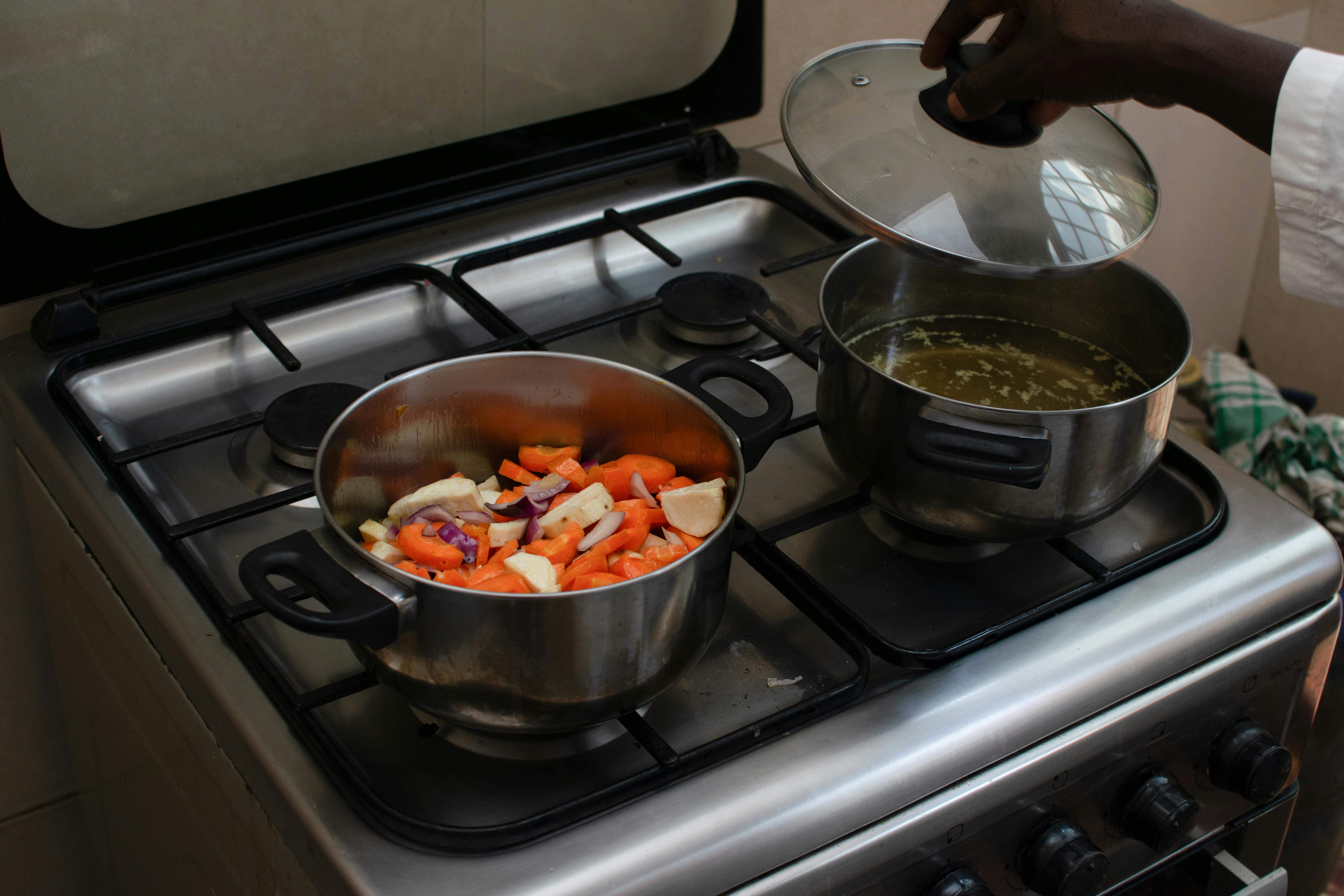
The most effective strategy is not eating frozen vegetables as a stand-alone side. People are folding them into dishes where small amounts create bulk, flavor, and color without demanding extra ingredients. A handful added to cooked rice, instant noodles, boxed mac and cheese, ramen, or leftover pasta can make a modest portion feel like a complete meal.
Soups are one of the most common stretching methods because water or broth naturally multiplies volume. A cup of frozen mixed vegetables added to lentil soup, chicken soup, or even a basic bouillon broth with noodles creates more servings for very little cost. Home cooks often use potatoes, beans, rice, or barley alongside the vegetables so the dish becomes filling as well as nutritious.
Egg-based meals are another reliable option. People are adding peas, spinach, peppers, onions, or mixed vegetables to scrambled eggs, omelets, frittatas, and egg muffins. Because eggs cook quickly and pair with nearly every vegetable blend, a small portion of frozen produce can turn breakfast into dinner or help use up leftovers from the refrigerator in the same pan.
The same logic shows up in skillet cooking. A half cup of frozen vegetables can disappear into fried rice, quesadillas, casseroles, pot pies, shepherd's pie, pasta bakes, and ground meat dishes. In these meals, vegetables are not expected to dominate the plate. Instead, they extend the main ingredient, whether that is beef, chicken, tofu, beans, or grains. This is why one bag can last several days. People are using it in layers, not all at once, and building meals around flexibility rather than fixed recipes.
Which frozen vegetables stretch the farthest in real kitchens
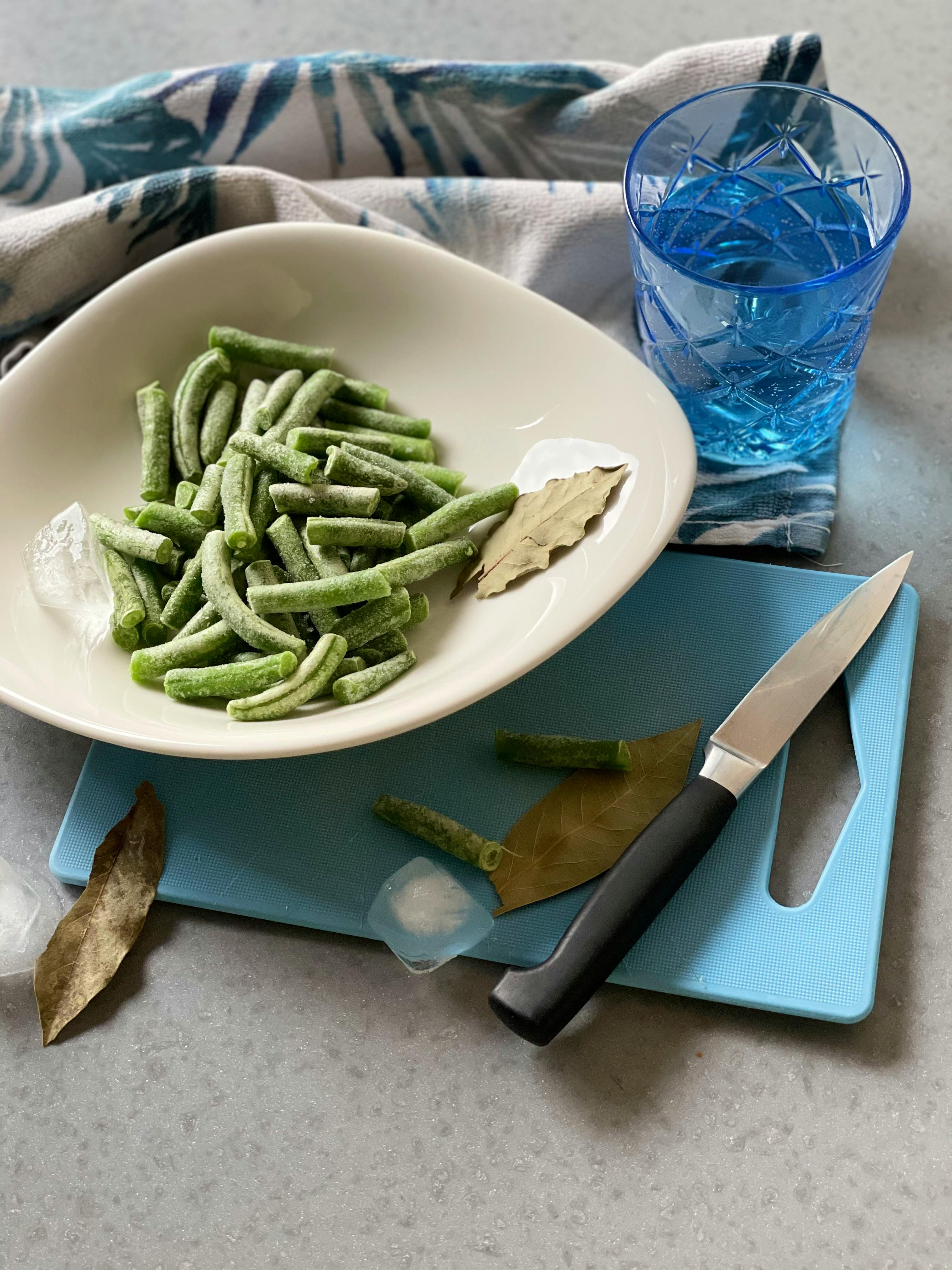
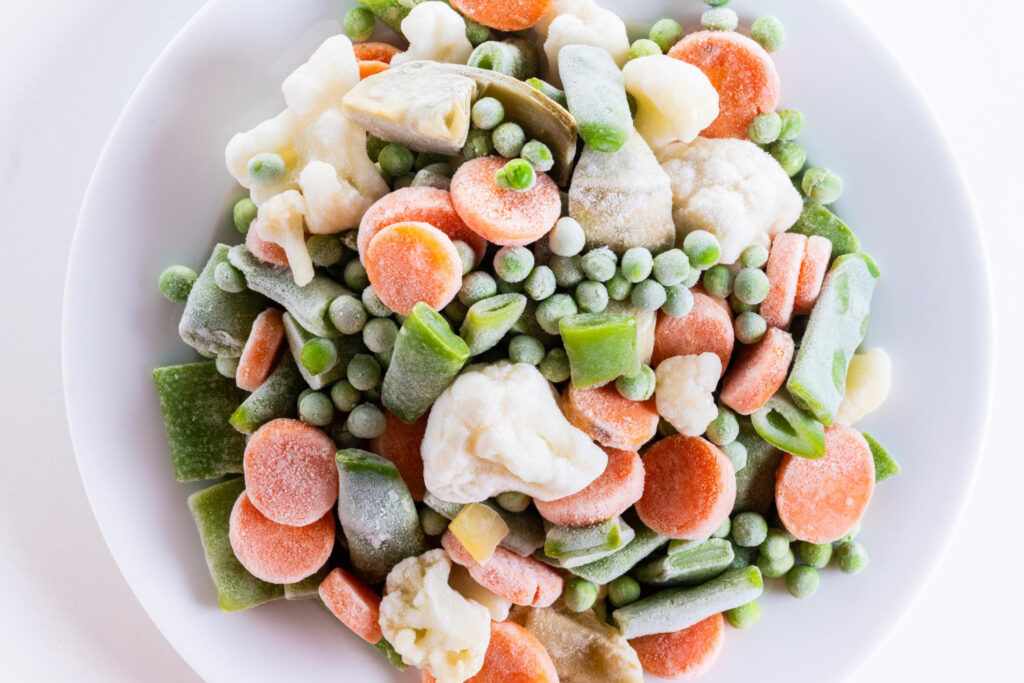
Not every bag performs the same way once it hits the pan. Mixed vegetables are among the best values because they offer several textures in one package, usually including carrots, peas, corn, and green beans. That blend works in soup, rice, casseroles, chicken pie filling, and pasta salad, which means households can use one item across very different meals without getting bored.
Peas also rank high because they are naturally sweet, cook fast, and disperse easily through a dish. A small amount of peas can make rice, couscous, tuna pasta, or creamy chicken feel more substantial. Spinach stretches in a different way. It cooks down dramatically, but because it blends into eggs, soups, beans, curry, and pasta sauces, it can add color and nutrients without changing the identity of the meal too much.
Broccoli and cauliflower are especially useful for people who want the vegetable to help replace part of a more expensive ingredient. Broccoli can bulk up pasta dishes, casseroles, and stir-fries so less meat is needed. Cauliflower is often mixed into cheese sauces, soups, and baked dishes, and in some homes it is mashed with potatoes to create a larger side dish with less starch per serving.
Stir-fry blends tend to offer the widest visual appeal, but they can be more expensive and less versatile depending on seasoning and vegetable size. Budget-conscious shoppers often compare store brands closely because prices vary more than many people expect. Warehouse club bags and larger family-size options can lower the cost per ounce, but only if the household will use them consistently. The best bag is usually the one that fits the meals people already make, since true savings come from full use, not just a low shelf price.
How families make one bag last through several meals
The households that stretch frozen vegetables best usually portion with intention. Instead of opening a bag and pouring until the pan looks full, they measure out ½ cup or 1 cup portions depending on the dish. That simple habit turns a 12-ounce bag into a planned ingredient for three, four, or even five meals rather than a single dinner that happens to include vegetables.
A common pattern is to build meals around a low-cost base and use vegetables to round them out. For example, one family might use part of a bag in fried rice on Monday, add another portion to a chicken noodle soup on Tuesday, stir some into scrambled eggs on Wednesday, and finish the remainder in a pasta bake on Thursday. The vegetables act like connective tissue across the week, reducing the need to buy several separate produce items.
Many parents also use frozen vegetables strategically in kid-friendly foods. Corn and peas disappear easily into cheesy rice, quesadillas, and meatballs. Finely chopped broccoli can be mixed into pasta with Alfredo or cheddar sauce. When vegetables are part of familiar dishes rather than served as a separate obligation on the plate, children are often more likely to eat them, which means less waste and better value.
Storage habits matter too. People who reseal bags tightly, use clips, or transfer vegetables to airtight containers reduce freezer burn and clumping. Some spread partially thawed vegetables on a sheet pan to portion and refreeze more evenly. Others keep a running freezer list to avoid forgetting what they already have. Stretching one bag is not only about cooking creativity. It is also about treating that bag like a planned asset in the household food system.
The trade-offs, mistakes, and myths behind the trend
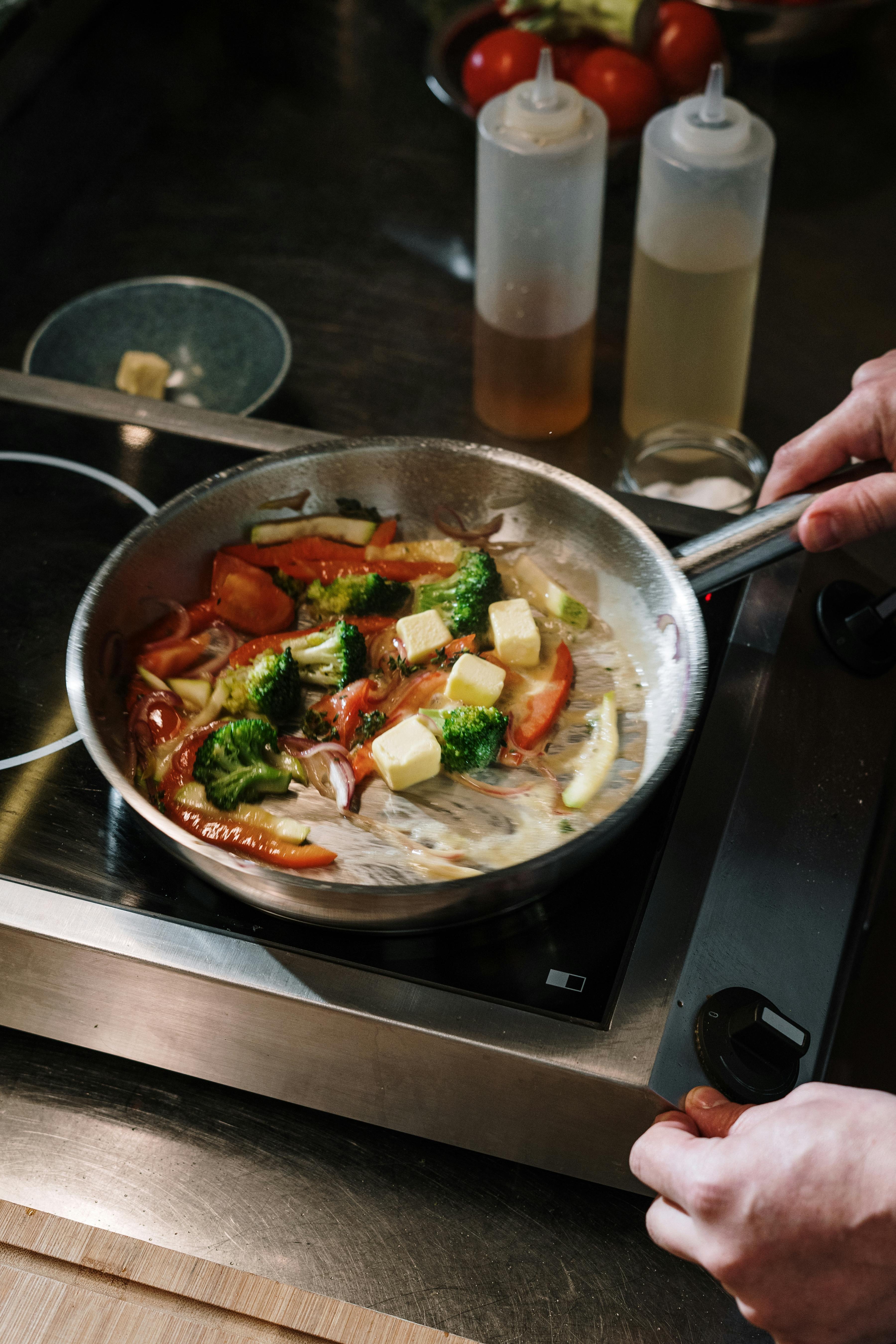
Stretching frozen vegetables is practical, but it works best when people understand the limits. One common mistake is overcrowding the pan, which causes vegetables to steam and release excess water. That can turn fried rice soggy, pasta sauce thin, and stir-fries bland. Cooking in batches or adding vegetables at the right stage helps preserve texture, making the meal feel intentional rather than improvised.
Another issue is seasoning. Frozen vegetables are often plain, and when they are used in small amounts across multiple meals, people sometimes expect them to provide flavor on their own. In reality, they need support from garlic, onion, soy sauce, lemon juice, herbs, butter, chili flakes, broth, or cheese depending on the dish. The vegetable stretches the meal, but seasoning is what keeps the meal satisfying.
There is also a persistent myth that using frozen produce is a sign of settling for less. Many dietitians reject that idea outright. Frozen vegetables can be a smart choice for people with limited time, limited access to high-quality fresh produce, or a need to manage waste. In fact, in areas where fresh vegetables are expensive or inconsistent in quality, frozen options may be the more reliable route to regular vegetable intake.
Still, not every bag is a bargain. Sauced vegetable blends, steam-in-bag seasoned mixes, and premium medleys can cost significantly more than plain store-brand versions. Sodium can also rise quickly in flavored products. The most efficient shoppers read labels, compare unit prices, and look at ingredient lists. The point is not to buy any frozen vegetable product. It is to buy the one that can be divided across meals without paying extra for convenience that is not actually needed.
What this small habit says about the way people cook now
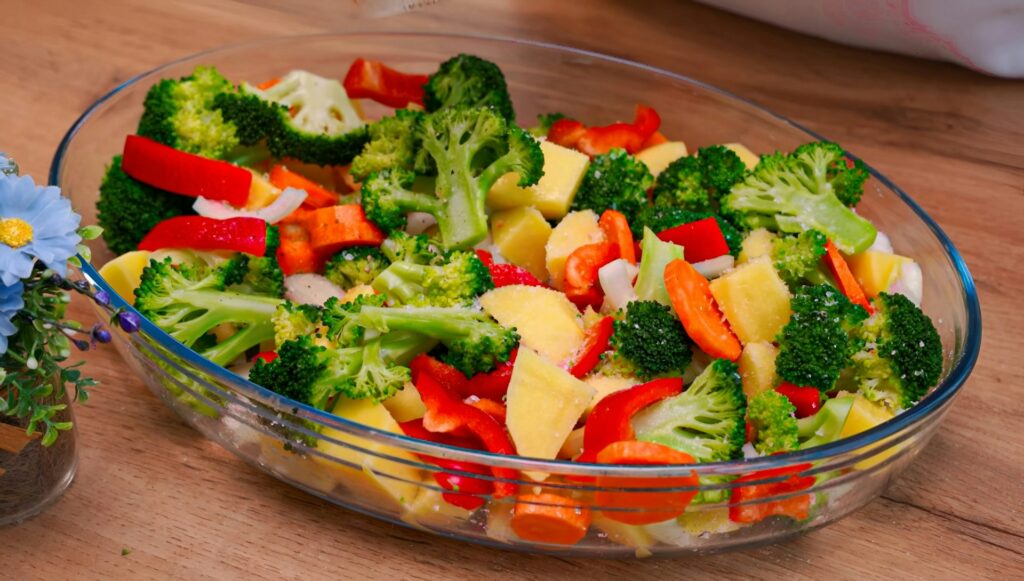
A single bag of frozen vegetables has become a symbol of a broader kitchen shift. People are cooking with more flexibility, less waste, and a stronger awareness of what ingredients can do across several meals. Instead of asking what side dish to serve, they are asking how one ingredient can support breakfast, lunch, and dinner over the course of a week.
That change reflects economic pressure, but it also reflects smarter home cooking. Social media has helped popularize "ingredient stretching," where cooks show how a bag of vegetables, a rotisserie chicken, a carton of eggs, or a pot of rice can anchor several meals. The appeal is not deprivation. It is control. Households want food that is affordable, quick, and adaptable when schedules shift or money feels tight.
There is a health angle here as well. When frozen vegetables are easy to reach for, they raise the floor on meal quality. Even if dinner starts with instant ramen, boxed rice, canned soup, or leftover pasta, vegetables can make that meal more balanced. Public health experts often stress that improving diets does not always require dramatic overhauls. Sometimes it starts with one repeatable habit that removes friction from everyday choices.
In that context, the humble freezer bag earns its place. It helps people waste less, spend less, and still cook food that looks and feels complete. That is why this trend has staying power. It is not built on novelty or aspiration. It is built on something more durable: the everyday need to make dinner work, even when the budget, the schedule, and the contents of the fridge are all less than ideal.