
Grocery loyalty points feel rewarding for a reason. They are carefully built to change how you shop long before you notice the extra spending.
The promise of savings starts with a psychological win

At the register, points create the feeling of getting something back. That emotional payoff matters because people tend to value rewards more when they are framed as earned rather than simply discounted. Behavioral economists have long shown that small wins can change spending habits faster than straightforward price cuts.
Retailers use this effect to make customers focus on future rewards instead of present costs. A shopper who sees "earn 5x points" may buy a larger pack, add a premium brand, or choose a store they would otherwise skip. The money going out today feels softer when a future benefit is attached.
The structure is rarely accidental. According to marketing research published over the past decade, loyalty rewards work best when they create momentum, especially near a redemption threshold. Once shoppers feel progress building, they often spend more just to avoid "wasting" the points opportunity.
Points programs are designed to increase basket size
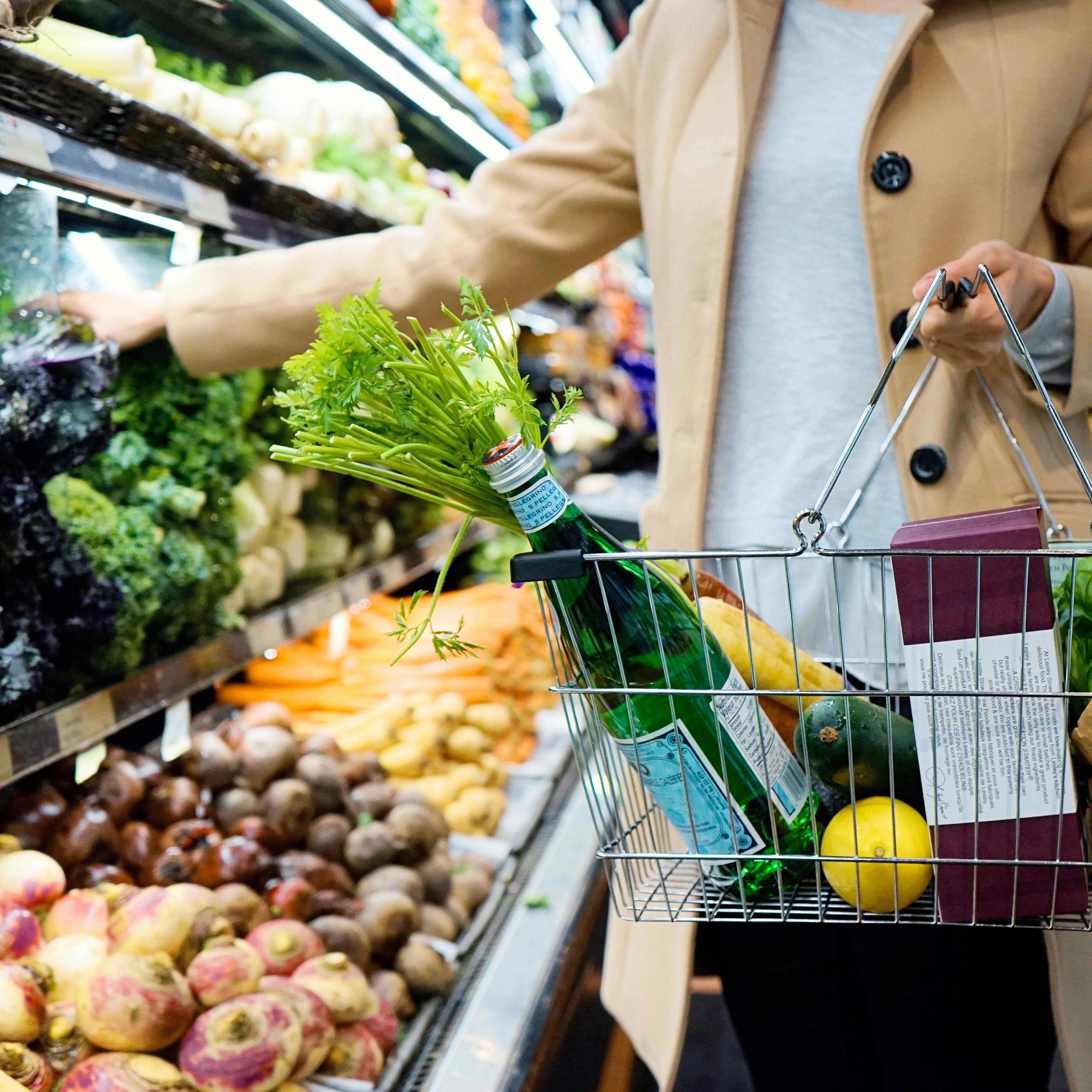
The most common goal of a grocery rewards system is not generosity. It is basket expansion. Stores know that if they can get a customer to add two or three extra items per trip, annual revenue rises sharply even when some discounts are given back.
This is why many offers are conditional. Spend $50, get 500 points. Spend $100, unlock a higher tier. These thresholds push customers to top up carts with items they did not originally plan to buy, often with snacks, prepared foods, or higher-margin household products.
A 2024 pattern seen across major chains is the use of personalized multipliers tied to categories with strong profit margins. Instead of rewarding only basic staples like milk or rice, retailers often emphasize beauty items, frozen convenience meals, or store-brand bundles. The reward looks broad, but the economics are highly selective.
The best customers are often nudged to shop more often
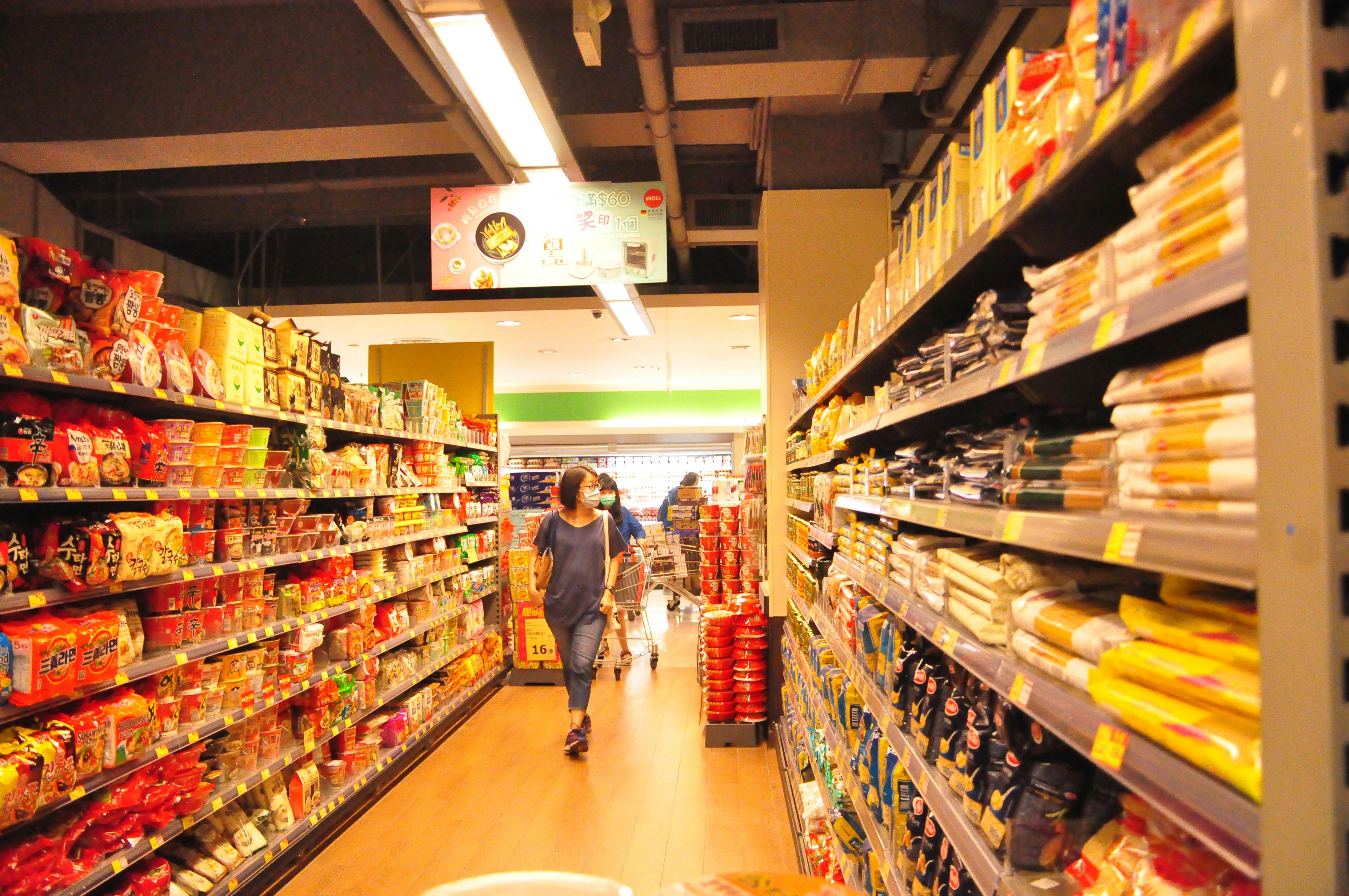
Frequency is another major objective. If a store can turn a weekly shopper into someone who visits twice a week, total spending usually climbs, even if each trip feels small. That is why loyalty apps constantly push limited-time offers, weekend bonuses, and "use by Sunday" rewards.
Urgency changes behavior. A short redemption window makes shoppers think in terms of not missing out rather than asking whether they need anything. This can lead to extra fill-in trips, impulse purchases, and more exposure to in-store promotions that would not happen on a carefully planned monthly shop.
Case studies from supermarket analysts have found that visit frequency can be more valuable than average discount size. The more often shoppers return, the more data the retailer collects and the more chances it has to steer decisions. A points program becomes less like a coupon and more like a habit-forming system.
Your data is often more valuable than the reward
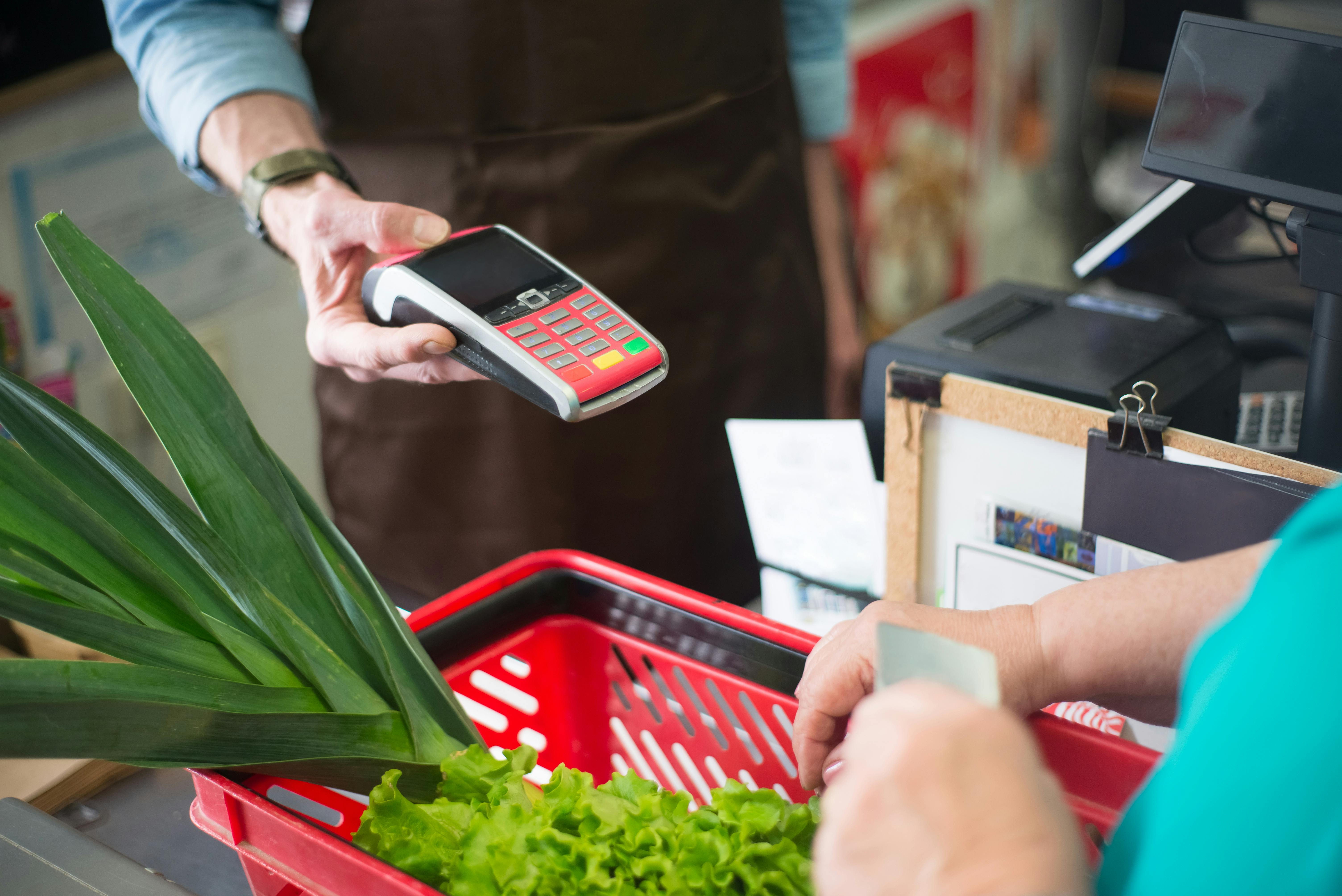
Every scan of a loyalty account tells a story. It reveals brand preferences, price sensitivity, shopping times, household patterns, and responses to promotions. For retailers, that information can be worth far more than the free eggs, fuel discount, or $5 coupon eventually offered back.
Data lets chains segment shoppers with precision. A price-sensitive family may receive targeted offers on essentials, while a higher-income customer sees rewards tied to premium organic goods. The point is not equal savings. The point is to present just enough incentive to trigger the next purchase.
This is also why many programs feel highly personalized but not always generous. The algorithm is trying to predict the smallest reward needed to change your behavior. In plain terms, the store wants to avoid over-discounting while still making you feel seen and rewarded.
Redemption rules quietly reduce the value of points

Not all points are worth the same thing, and that confusion helps retailers. Some systems use complicated conversion rates, category exclusions, minimum redemption thresholds, or expiration dates. When value is hard to calculate, shoppers often overestimate what they are getting.
Breakage is a major factor. In loyalty marketing, breakage means points that are earned but never redeemed. Companies account for this because forgotten balances, expired rewards, and inconvenient redemption rules lower the real cost of the program while preserving the appearance of value.
Even when points are used, redemption may steer customers toward another spending cycle. A shopper might redeem $10 off only after spending $100, or use a reward on a future purchase that includes many full-price items. The reward feels like savings, but it often functions as a return ticket to spend again.
Smart shoppers can still use these programs without losing money

The best defense is simple math. Treat points as a bonus, not a reason to buy. If an item was not on your list and the reward changes your mind, the program is doing its job on you rather than for you.
It also helps to convert points into cash value before shopping. If 1,000 points equal $1, compare that return against the extra amount needed to qualify. Spending $20 more to earn $1 back is not savings. It is a 5% rebate attached to a 100% chance of spending more upfront.
Finally, use loyalty tools selectively. Buy staples when discounts are genuine, ignore countdown timers, and turn off app alerts that create false urgency. Grocery points are not automatically bad, but they are designed first as a sales machine. Once you understand that, you can stop confusing encouragement to spend with actual financial gain.




Leave a Reply