
Food fraud rarely looks dramatic at the checkout aisle. It usually hides in everyday staples people trust without a second thought.
Why honey and hard cheese drew attention
Canada's food fraud watch list highlights products that are especially vulnerable to substitution, dilution, and false labeling. Honey and hard cheese stand out because they are high-value foods with complex supply chains, making deception easier to conceal and profitable to attempt.
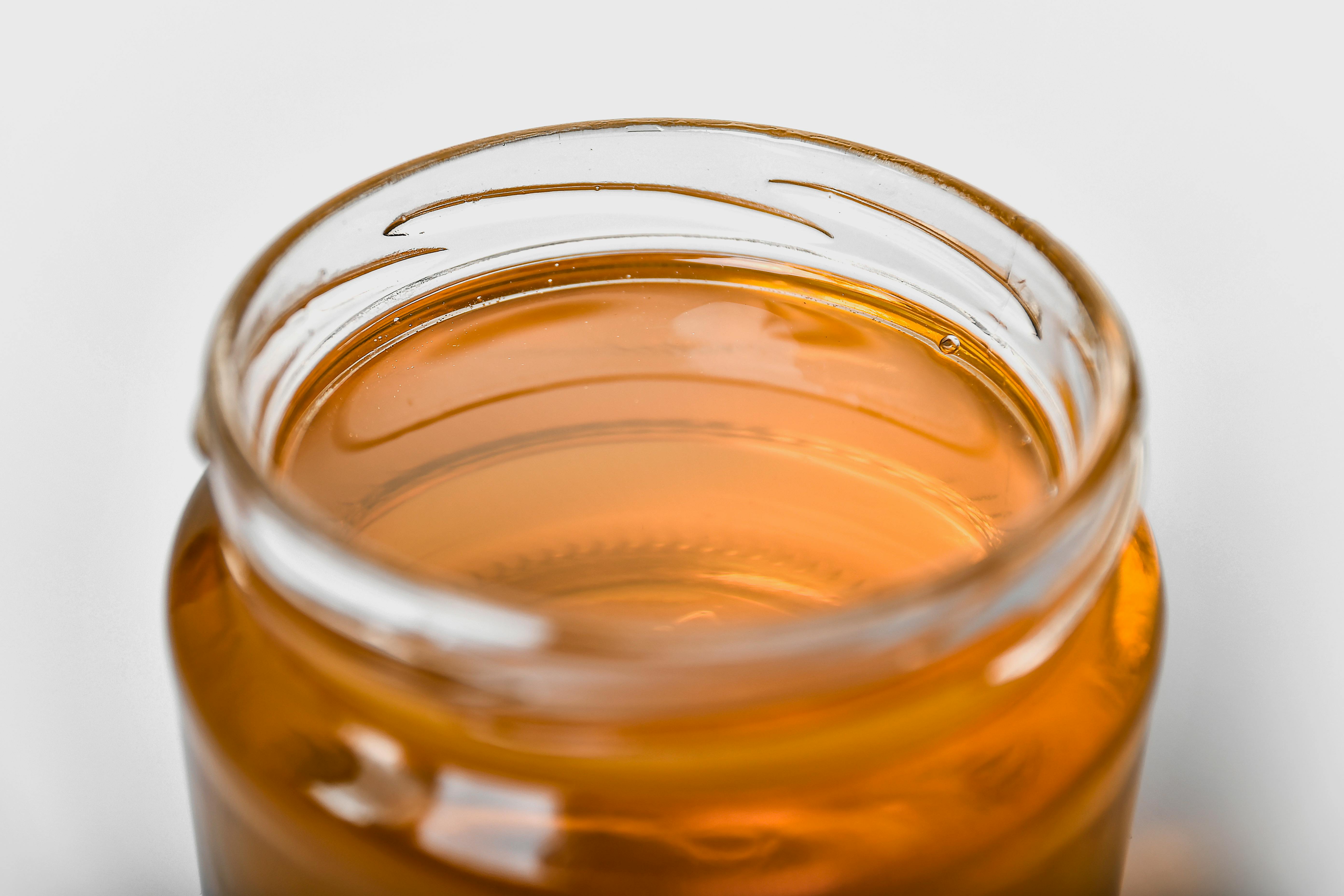
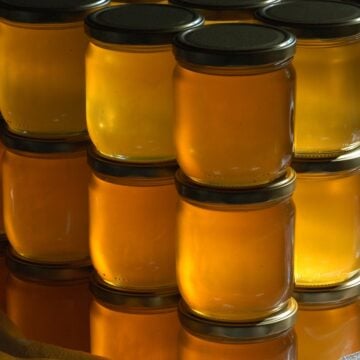
Honey has long been a global fraud target. It can be diluted with cheaper sugar syrups, filtered in ways that obscure origin, or mislabeled as premium local or monofloral honey when it is not. International investigations in recent years have shown that tracing honey back to a true botanical and geographic source can be surprisingly difficult.
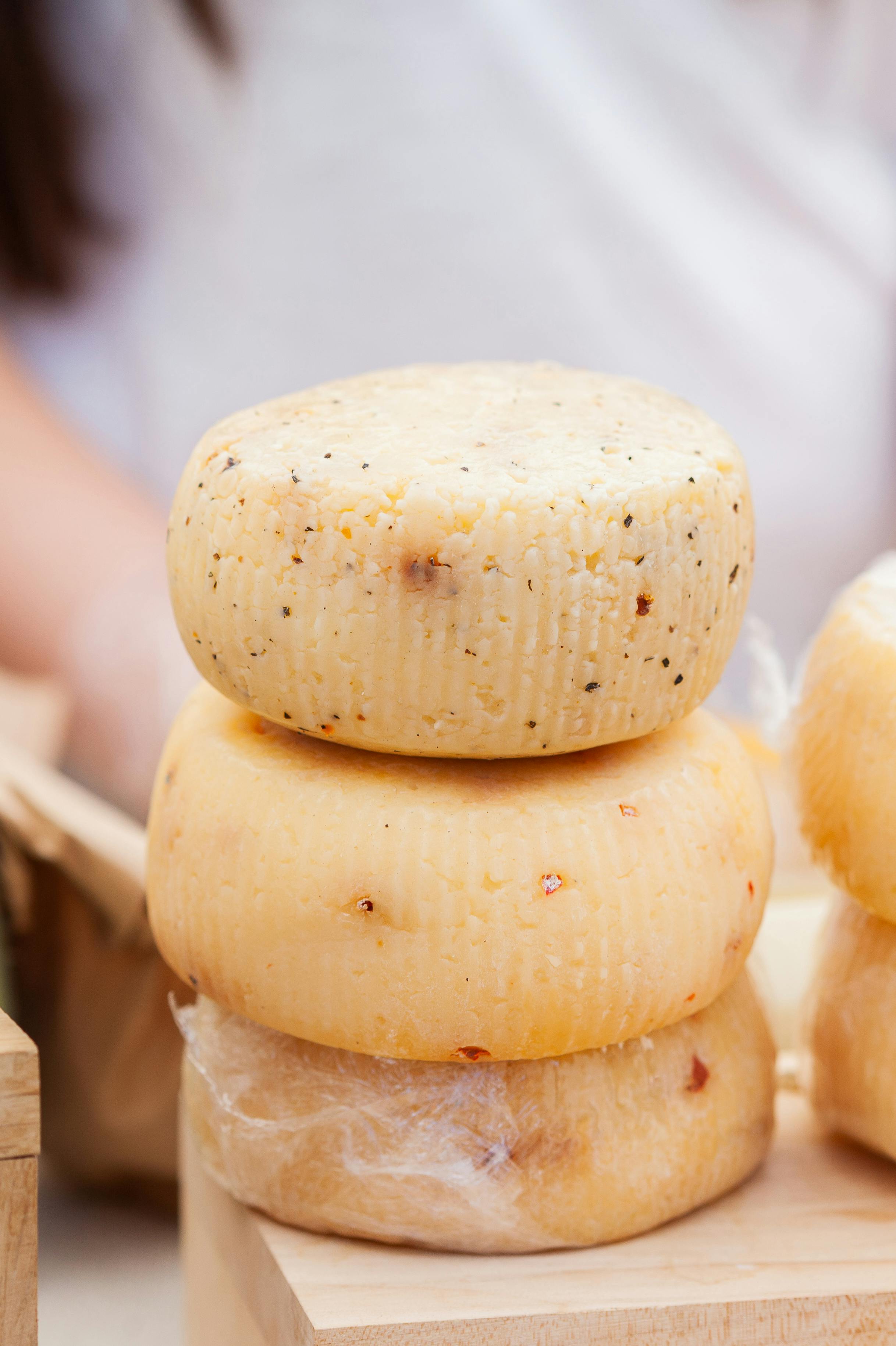
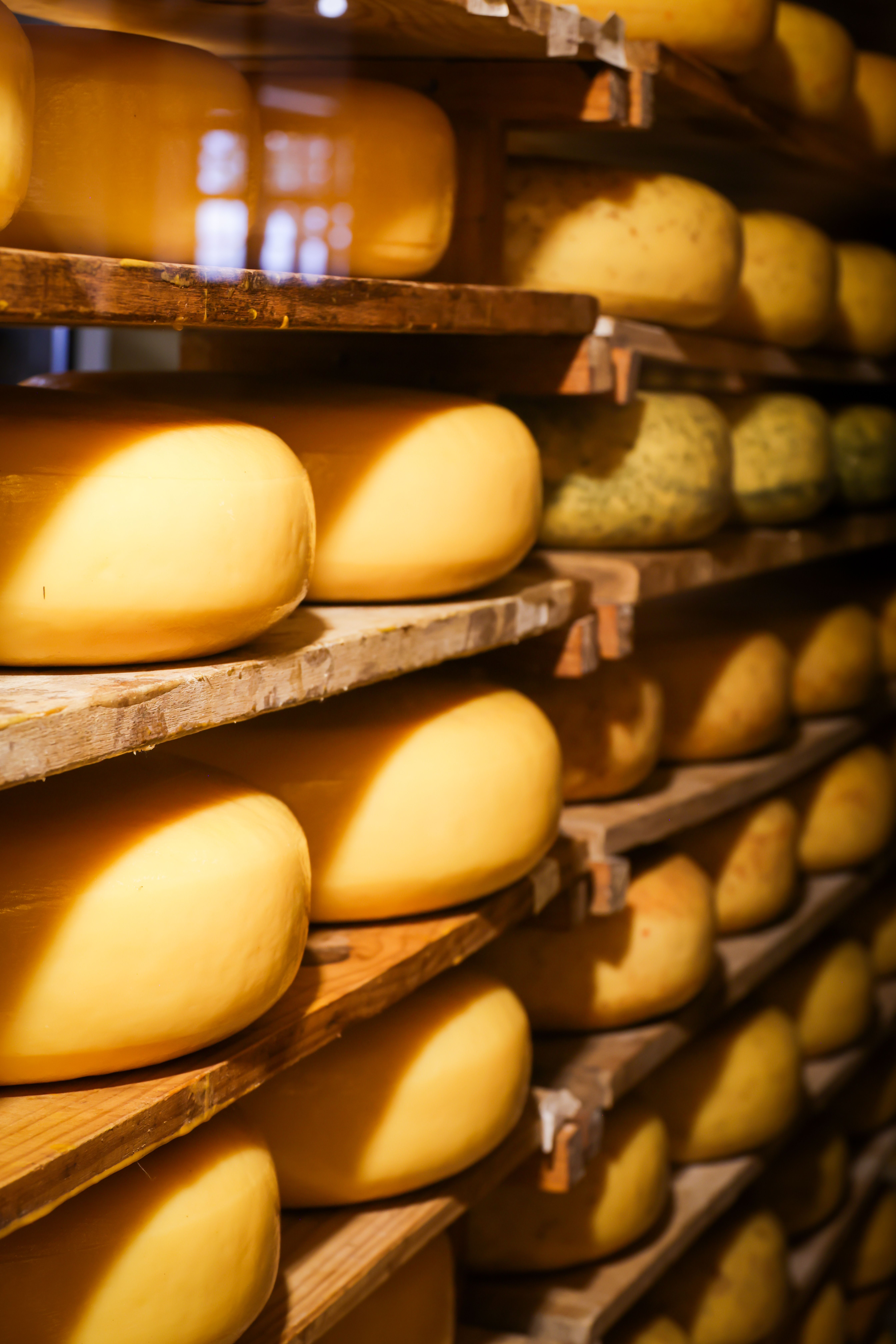
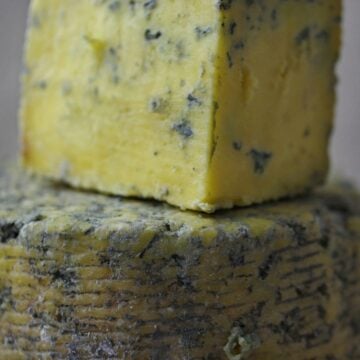
Hard cheeses such as Parmesan-type, aged cheddar, and pecorino face a different but equally serious risk. Their higher prices, aging requirements, and strong consumer demand create incentives to misrepresent ingredients, age, origin, or even species of milk used in production.
What food fraud actually means in practice
At its core, food fraud is intentional deception for economic gain. That can include watering down a product, swapping in lower-cost ingredients, or making claims about origin and quality that do not match what is in the package.
This is different from accidental contamination or routine labeling mistakes. Regulators focus on fraud because it distorts markets and can, in some cases, create safety concerns when undeclared substances enter the food supply.
In honey, a fraudulent product may still look, pour, and taste like honey to many consumers. In cheese, grated or shredded formats can be particularly vulnerable because the original texture and structure are less visible, making it harder for shoppers to spot inconsistencies on their own.
Why these products are especially easy to manipulate
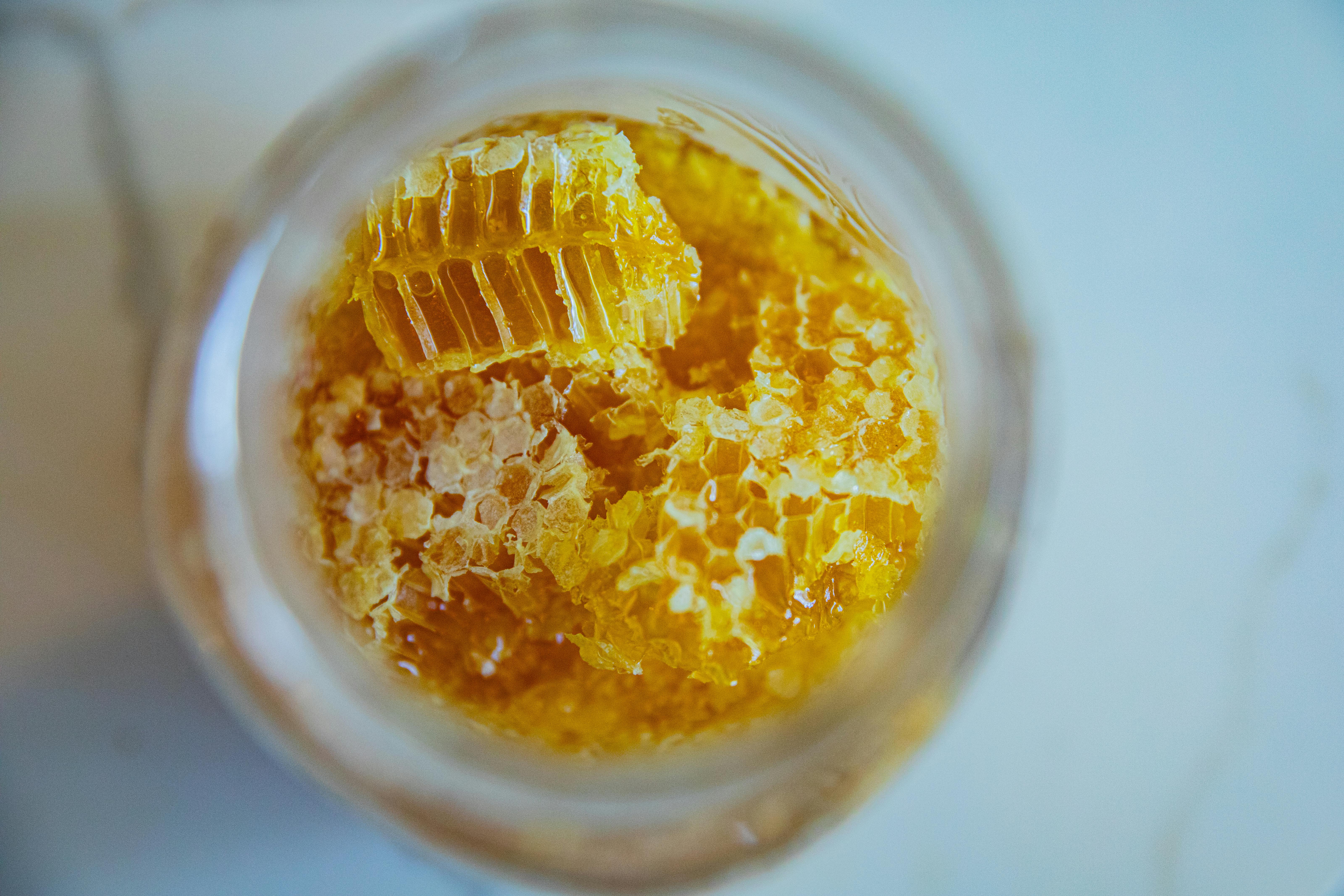
Honey is chemically complex, but that complexity is part of the challenge. Fraudsters can blend authentic honey with syrups derived from rice, corn, or sugar cane, then process the mixture to make detection harder through conventional screening.
Cheese fraud often exploits the gap between what consumers expect and what labels imply. A product marketed to evoke a protected style or region may not meet the standards associated with that name, even if the packaging suggests a premium imported identity.
Both foods also move through multiple intermediaries before reaching store shelves. Every additional step in the supply chain can make traceability weaker, especially when ingredients are blended, repackaged, or imported in bulk and then relabeled for retail sale.
What this means for shoppers and honest producers
For consumers, the immediate issue is value. If someone pays for pure honey or properly aged hard cheese and gets an inferior substitute, the loss may seem small per purchase but becomes significant across millions of transactions.
There is also a trust problem. Food labels are supposed to help people make informed choices about quality, origin, allergens, and production methods. Repeated fraud cases can weaken confidence not only in one product category but in food oversight more broadly.
Honest beekeepers and cheesemakers are often hit hardest. They bear the real costs of production, quality control, and compliance, then must compete against products that may appear similar on shelves while being cheaper to produce through deceptive shortcuts.
How Canada and the industry are responding

Canadian regulators have increasingly used targeted surveillance, lab testing, and import oversight to identify products at elevated fraud risk. Watch lists help authorities prioritize limited resources toward foods where economic incentives and past evidence suggest greater vulnerability.
Modern testing tools are improving the picture. Scientists can analyze isotope patterns, sugars, and other markers in honey, while DNA-based and compositional testing can help verify cheese ingredients and detect undeclared substitutions.
Industry groups are also under pressure to tighten documentation and traceability. Better record-keeping, supplier verification, and chain-of-custody controls do not eliminate fraud entirely, but they make it harder for suspect products to move unnoticed through legitimate channels.
Why the watch list matters beyond these two foods

Honey and hard cheese are not the only foods vulnerable to fraud, but they are useful examples of how modern food systems can be exploited. High demand, premium pricing, and global sourcing create ideal conditions for misrepresentation if oversight falls behind.
A watch list is not a declaration that every jar or wedge is suspect. It is a risk signal, telling regulators, retailers, and consumers where extra scrutiny is justified based on market patterns, testing results, and international enforcement experience.
That matters because food fraud is not just about being overcharged. It affects fair competition, weakens brand integrity, and can obscure broader supply-chain weaknesses. Putting honey and hard cheese on Canada's radar is ultimately about protecting both confidence and accountability in the foods people buy every day.

Leave a Reply